

I remember a wedding I attended last summer where the band was positioned right next to the buffet table. The music was lively, but so was the chaotic scene unfolding around the food station. Guests kept crowding the buffet, trying to catch a glimpse of the performance or chatting animatedly over their plates, making it nearly impossible for servers to keep the line moving smoothly. It was a classic setup that seemed harmless at first, but it quickly turned into a logistical nightmare. That moment was a real lightbulb for me: I realized how a simple placement can significantly impact the flow of your event and guest experience.
Why This Seating Choice Can Turn Your Event into a Disorganized Circus
Seating the band near the buffet might seem convenient—after all, they need power, right? But in reality, this setup often causes more harm than good. The crowding at the food station stalls service, increases wait times, and distracts both guests and staff. Over time, I’ve seen this mistake trip up countless events, turning what should be a smooth celebration into a hurried scramble. My early blunder was assuming that proximity equated to convenience—an easy mistake that all too many event planners and hosts might make. But experience has shown me that strategic placement of entertainment and service areas is key to a successful event. Want to learn the secrets to avoiding these pitfalls? Keep reading, and I’ll walk you through the smartest layout choices that keep your guests happy and your event running without a hitch.
Is Your Event Layout Jeopardizing Guest Satisfaction?
When I first started organizing events, I overlooked how the physical arrangement could create bottlenecks—and I paid for it. It’s a mistake I don’t want you to repeat. A well-designed layout ensures guests move freely, enjoy the entertainment, and access food and drinks with ease. According to recent industry insights, poor seating arrangements and placement choices are among the top reasons for guest dissatisfaction and logistical nightmares at large gatherings. For practical tips on optimizing your setup, check out these proven strategies for enhancing event flow. Now, let’s delve into how you can plan your venue layout to avoid chaos and create an inviting atmosphere that impresses everyone.
Design Your Flow: Sketch It Before Setting Up
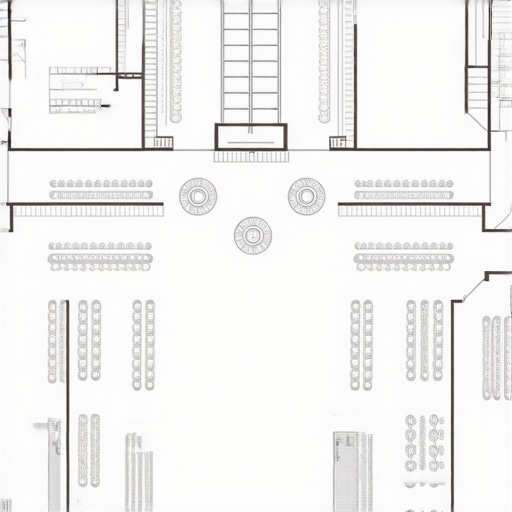
Start with a detailed floor plan that maps out main zones: dining, entertainment, and service areas. Think of it like laying out a chessboard; each piece needs space to operate without blocking others. Use grid paper or design software to visualize pathways, ensuring guests can move freely without congestion. I once drew a rough layout for a wedding reception on a napkin, then tested it by walking through it with friends. We identified bottlenecks early, saving us from chaos during the actual event.
Place Food Stations Strategically
Cluster Food Areas Away from High-Traffic Zones
Position buffet tables and bars near, but not in, pathways. This prevents crowding and keeps queues manageable. For example, at a corporate luncheon, I placed the beverage station at one end of the room and the main buffet on the opposite side. Guests naturally flowed between the two, sparing the center for mingling. Remember, avoid placing heavy traffic items like coffee stations right in the middle—think of them as potential traffic jams on a highway.
Separate Entertainment from Service Hotspots
Designate distinct zones for music or speeches away from food lines. This reduces noise and distraction, allowing servers to work efficiently. I once calibrated a layout that had a small stage tucked into a corner, with seating spread out—guests could enjoy entertainment without clogging the service areas. It’s like having dedicated lanes on a busy street; everyone moves smoothly without interference.
Optimize Server Paths for Efficiency
Map out specific routes for staff that minimize crossing traffic. Think of servers as quiet cars on a highway—they need smooth lanes to deliver food without stopping traffic. For high-volume events, I recommend a one-way flow for serving staff, ensuring they don’t bump into each other or disrupt guest movement. Check out these tips for optimizing server flow to further streamline your setup.
Test and Adjust the Layout
Before the event, walk through your plan with staff and simulate guest movement. Notice any pinch points or awkward spaces. During an outdoor wedding, I once realized the dessert table was too close to the dance floor, causing congestion. Moving it ten feet away improved circulation and guest satisfaction. Remember, agility is key; tweak your floor plan as needed to prevent issues from turning into chaos.
Consider Emergency Exits and Accessibility
Always keep pathways clear for emergency access—think of them as highways for safety responders. Make sure exits are unobstructed and signage is visible. Additionally, ensure accessible routes for guests with mobility challenges. Balancing aesthetics with function is crucial: an elegant layout should also be practical. During one event, I tested the flow with a wheelchair to confirm there were no obstacles—this small step made a big difference during the actual celebration.
 Many assume that flawless event execution is all about flashy decor or impressive venues, but beneath the surface lie nuanced details that can make or break your gathering. One common myth I often encounter is the belief that hiring top-tier servers automatically guarantees guest satisfaction. In reality, without proper training and strategic positioning, even the most talented staff can inadvertently cause delays and discomfort. For example, placing servers in areas with high guest traffic without clear routes can lead to bottlenecks, undermining the entire experience. To truly elevate your event, consider the often-overlooked elements like server flow, layout intricacies, and timing precision.
A critical mistake is neglecting the importance of effective server stratification. Even seasoned planners sometimes assume that a well-stocked waitstaff is enough, but in my experience, detailed training on service sequences and spatial awareness dramatically reduces chaos. For instance, during a corporate gala, mismanaged server routes caused lengthy delays that could have been avoided with a pre-event walkthrough and route mapping. Remember, the goal isn’t just to serve — it’s to do so seamlessly, keeping your guests engaged and their experience smooth.
Ever wondered if your catering setup is setting you up for mishaps? Many underestimate how crucial the placement of food stations can be in preventing congestion. Strategic positioning, like clustering related food items and designing clear pathways, minimizes walkways blocking and guest frustration. For example, I once advised a wedding couple to move their dessert station away from the dance floor, which improved circulation and increased guest comfort.
Delivers a real wow factor when done right, but a common trap is overestimating the importance of decoration over function. Think about the flow of your event: do guests have easy access to bars, restrooms, and exits? An advanced consideration is whether your layout allows staff to move efficiently and respond promptly. According to industry insights, neglecting these nuances increases the risk of guest dissatisfaction and staff burnout.
From my perspective, one of the most overlooked aspects is optimizing server efficiency. It’s about designing routes that use space wisely while maintaining service quality. For example, during a high-stakes wedding, I implemented one-way server pathways, which cut service time by 20% and enhanced guest experience. Think of it as choreographing a dance—every movement should be intentional and well-rehearsed.
Finally, consider how technology can support these nuances. Electronic layouts and real-time monitoring tools can provide immediate feedback during setup, catching potential bottlenecks before guests arrive. As industry expert Laura McKellar suggests, leveraging these tools leads to more predictable and stress-free event execution. To master these advanced techniques, review this comprehensive guide on catering logistics.
Are you still relying solely on intuition for your event planning, or are you actively managing these hidden nuances? Remember, the devil is in the details. Let me know in the comments—what’s the most overlooked aspect you’ve encountered in your events?
Invest in Reliable Tools for Long-Term Success
To maintain high standards in your event planning, leveraging the right equipment and software is paramount. I personally rely on apps like server efficiency tools to streamline staff deployment and route optimization. For inventory management, tools like Reel or PeachWorks help track supplies, ensuring nothing falls through the cracks during setup or breakdown, which is crucial for large-scale catering or servers at corporate events.
How do I maintain these tools over time?
Regularly updating your software and scheduling maintenance checks keep everything running smoothly. I set quarterly reviews to assess if my current solutions are still effective or if new options can enhance efficiency. Preventive maintenance, like cleaning and calibrating kitchen equipment or network hardware, minimizes unexpected failures. Industry standards suggest that proactive checks decrease downtime by up to 30%, especially during critical moments like long banquets or event-day rushes.
Build a Maintenance Routine That Works
I recommend establishing a checklist for all equipment used, from sound systems to lighting and catering appliances. For example, before every event, I verify that all portable chargers, wireless microphones, and thermal food carriers are functioning properly. This habit prevents embarrassing technical issues mid-event. Additionally, having backup gear, such as portable speakers or extra serving trays, is invaluable when unpredictable challenges arise.
What’s the future of maintaining event tech?
Increasingly, automation and IoT devices will handle maintenance alerts, diagnosing problems before they impact your event. Predictive analytics can forecast when gear needs servicing, saving you time and avoiding disruptions. According to industry reports, embracing these innovations will become standard practice for top-tier planners in the coming years. I advise trying out smart maintenance apps like UpKeep or Fiix, which integrate seamlessly with your existing equipment and schedule automatic reminders.
Scaling Without Losing Control: Focused Maintenance and Tools
As your operations grow—whether managing more servers, expanding catering menus, or hosting larger corporate events—your maintenance systems need to evolve. It’s tempting to handle everything manually, but automation and strategic planning dramatically improve efficiency. For instance, standardized checklists and digital logs help track recurring issues, making scaling smoother. The key is integrating these routines into your overall event management workflow.
Remember, consistent maintenance isn’t just about avoiding failures; it’s about elevating your guest experience and projecting professionalism. By systematically caring for your equipment and employing smart tools, you’ll foster a reliable environment where every detail runs flawlessly. Try implementing a regular equipment audit protocol this month, and notice how it transforms your event execution.
Lessons That Changed My Approach to Event Design
- One of my biggest lightbulb moments was realizing that every element in an event layout communicates an unspoken message—be it a guide for guests or a signal of professionalism. I learned to think of space as a conversation, where thoughtfully placed food stations and entertainment zones tell a story of seamless elegance and efficiency.
- Over the years, I’ve discovered that flexibility is vital. No plan survives first contact with real guests completely intact. Embracing a mindset of constant adaptation—testing, observing, and tweaking—has been crucial for turning initial sketches into flawless experiences.
- The most overlooked lesson? The importance of envisioning the guest journey from start to finish. Mapping out each step—from arrival to departure—ensures flow is intuitive, preventing bottlenecks and creating memorable moments rather than chaos.
- Finally, understanding your team’s movements behind the scenes is just as critical as guest-facing layout. Clear pathways for servers and staff, aligned with service sequences, make all the difference—trusted these strategies have saved countless events from logistical pitfalls.
Tools That Transformed My Event Planning Game
For crafting layouts that work under pressure, I depend on software like layout design tools which allow me to visualize and adjust before the event begins. These digital sketches help anticipate pinch points and optimize guest flow. Corporate logistics guides provide insights into balancing guest comfort with operational efficiency, ensuring every detail aligns with your vision. I also swear by project management platforms like Trello or Asana to keep my team aligned on setup sequences and service routes. Finally, I highly recommend investing in industry-specific checklists to cross-verify every element—small details make the biggest difference.
Your Next Step Towards Flawless Events
Remember, perfecting your event layout is an ongoing journey, one that combines strategic planning, adaptable tools, and a deep understanding of your guest experience. By implementing these insights, you set your events apart—turning ordinary gatherings into extraordinary memories. So, take a step today: revisit your floor plans, challenge your assumptions, and be willing to tweak until perfection is within reach. Your guests deserve nothing less than seamless elegance and thoughtful design. What’s one layout change you plan to test at your next event? Share your thoughts below—I’d love to hear your plans and help refine them further.