
I’ll never forget the moment when a perfectly planned wedding reception nearly unraveled because of a simple oversight—a few untrained servers who couldn’t handle the crowd, leaving guests waiting and disappointed. That lightbulb moment hit hard: no matter how amazing your menu or venue, if your team isn’t trustworthy and well-prepared, everything else falls apart. I learned this the hard way early in my catering career, making the mistake of skimping on staff training and not prioritizing trustworthiness, which cost me repeat clients and referrals.
That experience taught me a vital lesson that still guides me today: building trust with your clients and guests through reliable service is the fastest way to see results in your wedding catering efforts. Today, I want to share practical, proven strategies that will help you elevate your game in 2024—whether you’re a seasoned caterer or just starting out. We’ll focus on the core elements that matter most: creating memorable menus, selecting the right staff, and establishing trust from the first consultation through to the last toast.
Why Trust Matters More Than Ever in Wedding Catering
In the wedding industry, reputation is everything. Your clients are putting their most precious day in your hands, and their trust is what turns a one-time gig into a flourishing business. According to industry experts, couples today are more discerning and look for caterers who offer consistency, professionalism, and genuine care—traits that foster trust and lead to glowing reviews and referrals.
But trust isn’t just about promises; it’s about delivering on them. Skimping on staff training or rushing through menu planning can backfire spectacularly. I’ve seen it firsthand—once, I overlooked the importance of clear communication with my servers, and it resulted in awkward moments that could have been avoided. That’s why I now emphasize the importance of hiring the best servers, training them thoroughly, and ensuring they understand the significance of their role in creating a seamless experience. If you want to learn more about choosing the right staff, check out this guide on selecting perfect servers.
Building trust also involves transparent communication, consistent quality, and a genuine effort to understand your clients’ unique needs. This focus helps you stand out in a crowded market and accelerates positive results—more bookings, higher satisfaction, and repeat business. It’s a proven approach that transforms ordinary events into memorable celebrations.
Now, let’s dive into some actionable steps you can take today to implement these principles and see real results in 2024. Trust me, a little effort now pays off tenfold in the long run.
Have you ever faced a situation where poor service or miscommunication ruined a wedding experience? If so, you’re not alone. Many caterers stumble at this stage, but the good news is—there’s a way to turn it around, and I’ll show you how.
Hire the Right Staff and Train Them Thoroughly
Start by selecting servers with proven reliability and professionalism. I remember a wedding where I hired a team based solely on their experience, but they lacked proper training. The result was a slow service that frustrated guests. To avoid this, invest in comprehensive training sessions that cover service etiquette, menu details, and guest interaction. For guidance, check out this detailed guide on choosing the perfect servers. Well-trained staff not only serve better but also exude confidence, making guests feel cared for and building trust from the first interaction.
Implement Clear Communication Protocols
Establish standardized communication channels within your team. I once faced a situation where servers were unclear about special dietary requests, leading to mix-ups during the reception. To fix this, I introduced a pre-event briefing and a communication checklist. This simple step ensures everyone is on the same page, reducing mistakes and increasing efficiency. Use tools like walkie-talkies or designated team leaders to streamline communication, especially during busy moments.
Develop Consistent Quality Control Measures
Consistency is key to building trust. I learned this when a batch of appetizers was underseasoned because I didn’t double-check the recipe. Now, I implement a tasting session before service and assign a dedicated quality supervisor for each event. This practice guarantees that every dish meets your standards, reassuring clients that they can count on your service. Regularly review feedback and adjust processes to maintain high standards.
Create Personal Connections with Clients
Take time to understand each couple’s unique vision. I once had a client who wanted a rustic, farm-to-table vibe. By listening carefully and suggesting tailored menu options—like local cheeses and artisanal bread—I built a rapport that translated into trust. This personal touch shows clients you genuinely care about their day, which encourages loyalty and positive reviews. Always follow up post-event to gather feedback and demonstrate your commitment to excellence.
Leverage Visuals and Demonstrations
Sometimes, showing is better than telling. I hosted a tasting session where I demonstrated plating techniques and explained the sourcing stories behind each dish. This transparency fostered confidence in my menu choices. For your team, consider creating visual guides or videos on service standards. These tools help ensure everyone understands expectations and executes flawlessly, reinforcing trust and professionalism.
Stay Informed on Industry Trends
Keep up with the latest wedding catering trends, like interactive stations or eco-friendly practices, by reading resources like this trend report. Incorporating innovative ideas shows clients you’re current and dedicated to providing exceptional experiences, setting you apart from competitors. Experiment with new concepts and gather guest feedback to refine your offerings continually.
Build a Reputation Through Consistent Delivery
Ultimately, trust is built on reliability. I once lost a client because I overpromised and underdelivered. Now, I focus on setting realistic expectations and exceeding them whenever possible. Deliver your services with punctuality, professionalism, and genuine care. Over time, these efforts create a reputation that attracts new clients through word-of-mouth and repeat business.
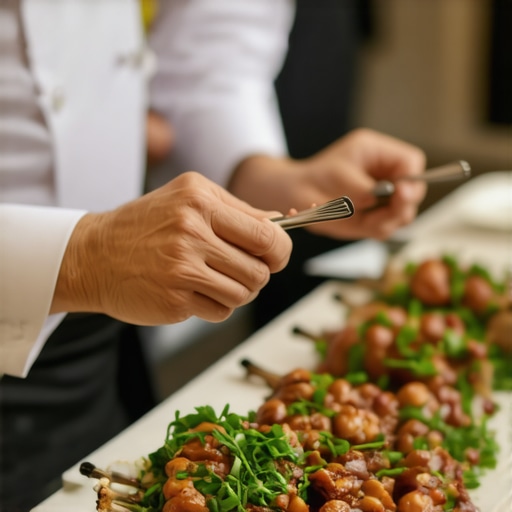
Many aspiring caterers believe that delivering excellent food alone guarantees client trust. However, in my experience, this is a common misconception. While quality food is essential, the nuanced reality is that trust in wedding catering hinges on consistent experience, transparent communication, and anticipating client needs before they even voice them.
One of the biggest myths is that trust is built solely through surface-level promises. In reality, clients can detect insincerity and overpromising from a mile away. This is why I emphasize the importance of under-promising and over-delivering—setting realistic expectations and exceeding them. For example, if you promise timely service but then arrive 15 minutes early, your clients will notice the extra effort, reinforcing reliability.
Another trap many fall into is neglecting the training of staff, especially in high-stakes moments like wedding receptions. Everyone talks about hiring experienced servers, but the real magic happens when they are trained to handle unpredictable situations gracefully. Common mistakes include poor communication during service, overlooking dietary restrictions, or inconsistent presentation—each of which erodes trust. To avoid this, I recommend thorough training sessions and visual guides to standardize quality, which you can explore in this guide on selecting perfect servers.
Why do some caterers struggle with trust even after years in the business?
It often comes down to complacency. Relying on past successes without continuous improvement creates blind spots. The industry is evolving—new trends like interactive stations and eco-friendly practices are reshaping client expectations. Staying stagnant can make your service seem outdated and untrustworthy. In fact, industry insights suggest that caterers who actively innovate and communicate these innovations build stronger trust faster. To stay ahead, read this trend report and adapt accordingly.
Lastly, the silent killer of trust is inconsistency. Clients remember a single slip-up more than a dozen successful events. This is why implementing strict quality control measures is non-negotiable. Regular tastings, checklists, and feedback loops ensure every dish and service aspect aligns with your standards. Remember, trust is not built overnight; it’s cultivated through persistent reliability and genuine care. Have you ever fallen into this trap? Let me know in the comments.
Keeping your wedding catering operations running smoothly over time requires the right combination of equipment, software, and processes. As trends evolve and client expectations rise, investing in reliable tools ensures you can consistently deliver exceptional service and scale effectively. Today, I’ll share the precise tools I personally rely on to maintain high standards and streamline my workflow, plus some insights into where this trend is heading in the future.
Invest in High-Quality Food Storage Solutions
First and foremost, maintaining food quality during transport and storage is critical. I swear by vacuum sealers like the FoodSaver FM5200 Series because they extend shelf life, prevent contamination, and keep ingredients fresh longer. This ensures that even if a reception runs over or scheduling shifts, I can still serve pristine dishes. Additionally, portable refrigeration units such as the Dometic CFX3 coolers provide reliable cooling on-site, which is essential for maintaining food safety and quality during outdoor events.
Use Scheduling and Communication Apps
Effective communication is vital for long-term success. I recommend tools like Slack or Trello integrated with custom workflows to keep your team aligned. For example, I set up dedicated channels for each event, allowing me to assign tasks, share updates, and troubleshoot instantly. These apps help prevent miscommunication, a common pitfall that erodes trust over time. As the industry moves forward, I see a trend toward AI-powered scheduling assistants, like Clara or X.ai, which can optimize staffing plans based on historical data and real-time needs—making scalability more manageable.
Implement Quality Control with Digital Checklists
Maintaining consistency over dozens of events is challenging, but I rely on digital checklists via platforms like Google Forms or Notion. These tools allow me to create standardized quality assurance protocols, ensuring every dish and service element meets my standards. I regularly review submitted checklists to identify potential issues before they reach guests. Looking ahead, I believe the integration of IoT devices—such as smart thermometers and sensors—will be the next leap, providing real-time data to monitor food safety and equipment performance remotely.
Streamline Payment and Client Management
Handling client data efficiently is crucial for scaling. I use HoneyBook and Dubsado for project management, invoicing, and contracts. These platforms help automate repetitive tasks, freeing up my time for creative and strategic work. As more catering businesses adopt AI-driven CRM systems, expect even smarter client segmentation and personalized outreach, which will help build trust and loyalty over the long haul.
How do I maintain these tools over time?
Regular maintenance and updates are key. I schedule quarterly reviews of my equipment and software, ensuring firmware updates are installed and hardware is functioning optimally. Training my team on new features or tools is also vital—this keeps everyone aligned and reduces errors. Additionally, I stay informed about emerging technologies through industry reports like this trend report, which guides me in adopting innovations before they become standard practice. I encourage you to try integrating one new tool or process every quarter—you’ll be surprised how much it elevates your reliability and scalability in 2024 and beyond.
The Unexpected Lessons That Changed My Approach to Catering
One of my biggest wake-up calls came during a wedding reception where miscommunication among staff led to slow service and disappointed guests. It taught me that no matter how delicious your menu is, trustworthiness and team coordination make or break the experience. I realized that investing in thorough staff training and clear communication protocols is vital—these lessons have been my guiding stars ever since. My lightbulb moment was understanding that reliable service builds trust faster than any fancy dish ever could.
Discover the Hidden Gems That Can Transform Your Catering Business
My go-to tools include the detailed guide on selecting the perfect servers which helped me hire staff who are not just experienced but also reliable and personable. For managing multiple events smoothly, I rely on Trello and Slack, which keep my team aligned and responsive. To ensure every dish meets high standards, I use digital checklists on Google Forms. Lastly, I trust platforms like HoneyBook for seamless client management and invoicing. These tools have become essential in delivering consistent quality and scaling my business effectively.
Embrace Your Power to Shape the Future of Wedding Catering
Now is the time to act with confidence. Whether you’re refining your menus, training your staff, or streamlining operations, every step you take toward building trust will pay dividends in client loyalty and reputation. Remember, excellence in wedding catering isn’t just about food—it’s about creating an experience that guests and clients will remember and recommend. So, dive in, implement what you’ve learned here, and watch your success grow in 2024. Your journey toward catering mastery starts now!
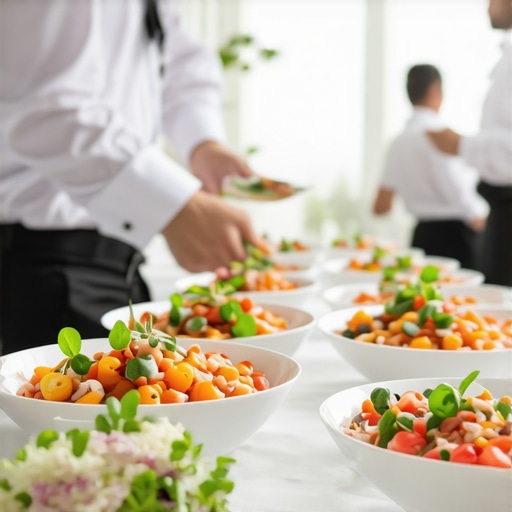

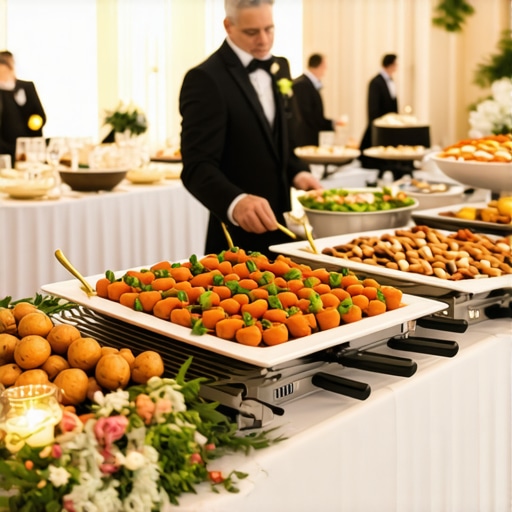
Reading through this post truly resonated with me, especially the part about staff training and communication. Early in my catering career, I underestimated how vital thorough staff prep was, which led to some awkward moments during high-stakes weddings. Since then, I’ve implemented comprehensive training protocols, including role-playing scenarios and clear communication checklists, which have significantly boosted our reliability and guest satisfaction. One challenge I often face is balancing the time spent on training with the urgent demands of event prep — does anyone have tips on efficient team training without sacrificing quality? I’d love to hear how others streamline this process. Also, I wonder how tech tools like real-time communication apps have changed your operations; I’ve started using Slack channels for each event and noticed a huge improvement in coordination. Building trust is certainly layered, but it seems that consistent effort in training and clear communication truly makes all the difference.
This post really hits home for me, especially the emphasis on staff training and the importance of building trust from the start. I recall a wedding where a lack of proper training led to slow service and some confusion among servers, which definitely impacted the guest experience. Ever since, I’ve made it a point to conduct detailed pre-event briefings and role-playing exercises, which have noticeably improved team performance and confidence. What’s fascinating is how technology has evolved our approach—using real-time communication apps like Slack has streamlined our coordination during busy moments. It’s interesting to consider how automation and AI tools might further enhance staff training and communication down the line. I’d love to hear if anyone has experimented with any innovative tech integrations that help reinforce training standards or improve the consistency of service at large-scale weddings. Have you seen tangible benefits from specific tools or practices that could serve as a model for others aiming to boost trust and reliability?
Building trust through reliable service really resonated with me. I’ve found that the way you train and empower your staff can make or break the client experience, especially during high-pressure moments like weddings. Investing time in comprehensive training, including role-playing scenarios and clear communication protocols, has been a game-changer for our team. I also agree with the idea of using tech tools—like Slack channels and digital checklists—to streamline communication and ensure everyone is on the same page.
From my experience, one challenge is balancing thorough training with the tight schedules of wedding prep. What are some efficient ways you all have found to accelerate staff training without compromising on quality? I’m particularly interested in any methods or quick-reference tools that help staff retain critical information and stay confident during the event.
It’s clear that trust is layered, and consistent, well-prepared service is vital to building and maintaining it. I would love to hear about any innovative practices or tools that have helped others in their journey to enhance reliability and guest satisfaction in 2024.