

There was a night I’ll never forget—my first big corporate dinner where everything seemed to spiral out of control, and I realized I was missing a crucial skill: negotiation. I had invested countless hours planning the perfect event, only to find myself stumbling over the terms when the bill came, feeling like I was surrendering too much for a deal that wasn’t in my favor. That *lightbulb moment* made me understand that negotiating a buy-out isn’t just about haggling over costs; it’s an art that can make or break your profit margins and your reputation.
The Power of Negotiating a Business Dinner Buy-Out
In the world of catering and corporate events, the simple act of negotiating a buy-out can be the difference between a lucrative, smooth event and a stressful financial drain. Many hosts, especially those new to planning large dinners or recurring corporate entertainment, overlook this vital step, risking overpaying or ending up with unfavorable terms. The good news? With the right approach, you can turn negotiations into an opportunity to bolster your margins and build stronger relationships with venues and clients.
Is Negotiation Really Worth the Effort?
I used to think negotiations were just a necessary evil—something to do after hours of planning. But I quickly learned that a well-executed buy-out conversation could unlock significant savings and better service quality. Early on, I made the mistake of accepting the first quote without discussing potential discounts or customizations, which left money on the table. Once I understood the importance of strategic negotiation, I began to see how powerful this skill can be—especially when you’re managing multiple events or aiming for repeat business. For tips on how to elevate your event planning game, I recommend exploring mastering corporate event planning.
Have you faced challenges in negotiating a buy-out before? You’re not alone, but rest assured, mastering this can dramatically improve your bottom line. Up next, we’ll delve into practical strategies that I’ve used successfully—and that you can implement today—to negotiate like a seasoned pro and secure favorable terms for your next big dinner event.
Set Clear Goals Before Discussions
Start by defining what you want from the buy-out—be specific about maximum spending, preferred services, and flexibility points. For example, I once aimed to cap the venue fee at $10,000 while requesting complimentary appetizers. This clarity guides your negotiations and prevents last-minute concessions.
Research Venue Pricing and Past Deals
Gather data on typical rates and discounts offered by the venue. Reach out to previous clients or check online reviews. I recall calling other event planners to learn about their deals, which gave me leverage during negotiations. This knowledge helps you identify reasonable discount expectations and negotiate confidently.
Build a Relationship with Venue Managers
Approach negotiations as conversations, not confrontations. Engage with venue staff early, show appreciation for their flexibility, and listen to their constraints. During my failed first attempt, I was terse and confrontational—later, I learned that rapport encourages concessions. Remember, venues want happy clients for future referrals.
Request Bundled Services and Perks
Instead of negotiating only on price, ask for added value—free parking, upgraded linens, or late-night service. I once secured a complimentary cocktail hour by bundling it with my buy-out request. This strategy maximizes value without necessarily increasing costs.
Use Timing and Silence as Negotiation Tools
Pause after making a request; silence often prompts the other party to compromise first. When I asked for a 15% discount, I held quiet, which led the manager to offer 10% without further prompting. Timing influences agreement strength—be patient and strategic.
Be Willing to Walk Away
If terms don’t meet your goals, politely decline and explore alternatives. In one case, I was close to a deal, but the venue refused to lower their fee. Walking away prompted them to revisit and offer a better rate, realizing I might choose elsewhere. Knowing your bottom line grants negotiating power.
Follow Up with Written Confirmation
After reaching an agreement, send a detailed email summarizing the terms. This step prevents misunderstandings and provides legal support. I always include the agreed price, services included, and cancellation policy—helping avoid surprises during the event.
Learn from Each Negotiation Experience
Review what worked and what didn’t. My first attempt was messy; I didn’t prepare enough and paid the full price. Over time, I refined my approach by practicing these steps, resulting in better deals and stronger vendor relationships.
Applying these concrete strategies transforms negotiations from daunting to manageable, ensuring your business dinners are both impressive and profitable. Remember, negotiation is a skill that improves with practice—so keep refining your approach and stay confident in your value.
 Most people underestimate how much nuance and complexity lie beneath the surface of catering, corporate events, weddings, and server management. A common misconception is thinking that high-quality food or flawless service simply happens when you book the right vendors. In reality, the success of an event hinges on understanding subtle details that often go unnoticed but can make or break guest experience and overall impression.
One myth I frequently encounter is the belief that professional servers are interchangeable. While they might all appear polished, the true difference lies in their training, situational awareness, and ability to adapt to unpredictable challenges. For instance, a server trained solely on basic service may falter during high-stress moments—like when multiple guests request specialized attention simultaneously—leading to delays and guest dissatisfaction. The key is investing in comprehensive server training programs that emphasize flexibility and crisis management, as detailed in latest industry insights.
Why do many events fall flat despite seemingly good planning?
Often, the overlooked detail is the coordination of logistics behind the scenes. Moving parts like timing, flow, and communication between kitchen staff, servers, and event coordinators must harmonize seamlessly. A small mistake here—such as delayed food delivery or inconsistent messaging—can cascade into guest frustration. Experienced planners pay close attention to the delicate balance of service rhythm, which is why I recommend consulting culinary and service checklists that cover these nuances.
Additionally, many overlook the importance of environmental factors—like venue acoustics, lighting, and layout—that greatly influence both service efficiency and guest comfort. An aisle too narrow or tables arranged without sightlines can hinder servers’ ability to attend promptly, impacting perceived service quality. This is why venue walkthroughs and pre-event site audits are critical, as outlined in venue prep guides.
Furthermore, misconceptions around menu design can cause serious pitfalls. Offering too many options or poorly accommodating dietary restrictions can overwhelm the kitchen staff and slow down service. Advanced planning involves creating streamlined menus that cater to common allergies and preferences, backed by research indicating that simplicity often enhances guest satisfaction. For an in-depth look, see expert menu development strategies.
In essence, the secret lies in mastering these often-unseen layers—training, logistics, environmental awareness, and thoughtful menu planning—that underpin successful catering and event execution. Recognizing and refining these nuances can turn a good event into an unforgettable experience. Have you ever fallen into this trap? Let me know in the comments.Maintaining flawless catering operations, especially during large events, demands more than just skill—it requires reliable tools and disciplined routines that ensure long-term success.
How do I keep my catering setup efficient over time?
One of my go-to tools for consistency is the use of digital inventory management software. I personally rely on proven planning strategies that include real-time stock tracking. This prevents last-minute shortages and reduces waste, saving costs on every event.
In addition, regular maintenance of kitchen equipment is non-negotiable. I schedule bi-weekly checks for ovens, refrigeration units, and dishwashers, following manufacturer guidelines, to prevent unexpected breakdowns during peak times. This proactive approach aligns with industry insights found in maintenance best practices literature, which emphasizes that preventative care extends equipment lifespan and reduces downtime.
Tools for communication also play a crucial role. I advocate for using dedicated team communication apps like Slack or walkie-talkie systems to keep everyone coordinated. During busy service windows, clear, instant communication can make the difference between a smooth flow and chaotic bottlenecks.
Should I invest in specialized equipment or software to scale my operations?
Absolutely. As your catering business grows, investing in scalable solutions becomes vital. For example, advanced POS systems support multiple transactions simultaneously and integrate with inventory and order management platforms. This integration streamlines operations and provides real-time sales analytics, guiding your strategic decisions.
Furthermore, a reliable backup power generator ensures that equipment functions during outages, preventing service disruptions. Investing in high-capacity, noise-optimized generators like those recommended by industry experts ensures your team can scale operations without worrying about unforeseen electricity issues.
**Looking ahead, the future of event maintenance points toward automation and IoT integration.** Smart sensors that monitor refrigerator temperature, humidity, or even kitchen foot traffic are on the horizon, providing data-driven insights for optimal performance. Staying ahead means embracing these innovations and continuously refining your routine.
What are some quick tips for maintaining server performance during events?
One actionable method is seasoned staff training, focusing on adaptability and quick problem-solving. I recommend regular refresher workshops, supported by industry-leading server training programs, to keep your team sharp. Additionally, pre-event briefings about special guest needs or schedule changes help servers stay prepared.
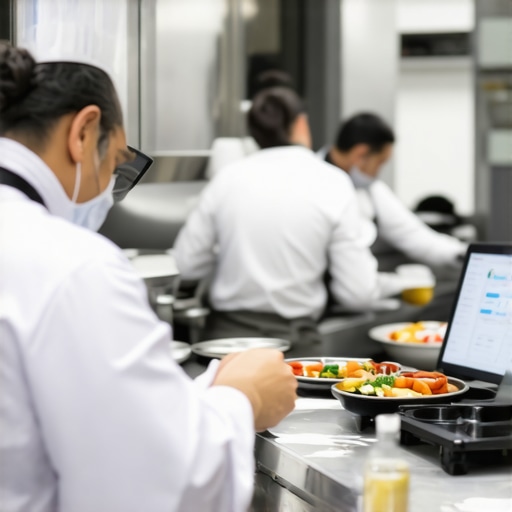
Finally, don’t overlook post-event maintenance. Always sanitize and inspect equipment, and review service logs to identify recurring issues. This habit not only extends your equipment lifespan but also enhances overall efficiency, setting your operation up for success in future endeavors.
Take one practical tip—like implementing a regular equipment check—and try it in your next event. Small, consistent actions build a resilient, scalable catering operation that can handle anything thrown its way.
The Hardest Lesson I Learned About Catering, Corporate Events, Weddings, and Servers
One of the most profound realizations I had was that behind every flawless event lies a web of unseen details—training servers to handle unpredictable situations, fine-tuning logistics to ensure seamless flow, and understanding the subtle environmental factors that influence guest experience. These lessons taught me that excellence is crafted through attention to nuance, not just surface polish.
My Favorite Tools That Elevate Catering and Event Planning
Over time, I’ve come to rely on a few key resources that make a real difference: comprehensive planning strategies have been instrumental in streamlining operations; industry-leading server training programs keep staff sharp; and detailed checklists ensure no detail is overlooked. These tools are my safety net for delivering memorable events that impress every time.
Your Next Step in Catering Brilliance Awaits
Embracing the intricacies of catering, from negotiation tactics to behind-the-scenes operations, opens the door to extraordinary success. Every small adjustment—whether refining server training, optimizing logistics, or mastering negotiations—compounds into a remarkable guest experience. Take the lead today, and turn every event into a shining example of excellence. What’s the one detail you’re eager to perfect in your next catering event? Share below—I’d love to hear your goals and offer some tips to get you there.
}#END#}#nobots#}#Answer#}#reponsecreate_posts#}#reply#}#assistant “`json{