

I remember the moment clearly—a bustling wedding reception in a beautiful historic hall, but the servers seemed out of sync, fumbling with unfamiliar menus and missing small, crucial cues from the guests. It struck me then how much of an impact the staff’s familiarity with the venue and local nuances has on the overall experience. That realization was a lightbulb moment. How often do we overlook the quiet power of hiring local servers, especially for remote venues, thinking it’s a minor detail? Yet, this choice can transform a good event into an unforgettable one.
Why Local Servers Make All the Difference in Remote Venues
When hosting events at remote or unconventional locations, the common assumption is to bring in the usual staffing agencies, often from outside the area. But from personal experience, I found that local servers possess an intuitive understanding of the venue’s layout, local logistics, and even guest expectations. This familiarity allows them to navigate the space smoothly, anticipate needs, and respond swiftly—elements critical to flawless service.
Moreover, local servers often have established relationships with local vendors and know the best ways to troubleshoot unforeseen issues swiftly. Their knowledge extends beyond just the venue—they understand local customs and guest preferences, which adds a personalized touch that guests notice and appreciate. Imagine coordinating a wedding at a secluded vineyard or a lakeside retreat; the servers’ knowledge of the terrain and logistics can streamline setup, service, and breakdown, saving both time and stress.
Early in my career, I made the mistake of hiring off-site staff for a boutique conference at a remote estate, assuming standard training would suffice. The result? Confusion with the layout, delays in serving, and a noticeable drop in guest satisfaction. That experience taught me that selecting local servers isn’t just about convenience—it’s about leveraging their intimate knowledge to elevate your event. For a comprehensive guide on choosing the right servers, check out this resource.
If you’ve faced similar frustrations or are curious about how local expertise can make or break your event, stay tuned. We’ll dive into practical strategies to harness this hidden advantage, ensuring your next gathering is not only successful but also memorable.
Pinpoint Your Venue’s Unique Dynamics
Before hiring staff, spend time at the location to observe its flow and quirks. Take notes on entry points, service zones, and guest movement patterns. For example, during a rustic vineyard wedding, I noted the natural pathways for servers to minimize congestion. This initial step ensures your team is prepared for the venue’s specific demands, enabling smoother service and quicker adaptation.
Identify and Recruit Local Talent
Tap into local staffing agencies or networks familiar with the area. Use platforms like this resource to find experienced servers who understand local customs and logistics. Personally, I reached out to a nearby hospitality college, which provided enthusiastic, knowledgeable staff for a lakeside retreat. This approach guarantees that your team understands venue-specific nuances, reducing missteps during service.
Conduct Targeted Training Focused on Venue-Specific Scenarios
Develop a tailored training program emphasizing venue logistics, guest interaction, and emergency procedures. Include role-plays simulating real situations—like handling outdoor heat or navigating narrow staircases. My case study involved training servers for an outdoor barn wedding; we simulated lighting and terrain challenges, which significantly improved their confidence and responsiveness.
Leverage Local Knowledge During Service Execution
Assign team leads familiar with the venue to oversee operations. Encourage them to communicate with staff about ongoing adjustments, such as adjusting for weather or guest flow changes. During a recent event at a mountain lodge, the lead’s local familiarity allowed real-time troubleshooting—like rerouting service paths around a popular photo spot—resulting in seamless guest experiences.
Continuously Gather Feedback and Optimize
After each event, solicit input from staff and guests about what worked and what didn’t. Use this data to refine your approach for future events. I documented lessons learned from a corporate retreat where delayed service was linked to overlooked venue restrictions, leading to process improvements for subsequent bookings.
Integrate these steps to fully harness local server expertise—making your event not just successful but truly memorable. For further insights, consider exploring this guide on enhancing server performance or trending wedding catering ideas for inspiration.
Many assume that choosing the right venue or hiring experienced staff is enough for a flawless event, but in my experience, the real mastery lies in understanding nuanced details that often go unnoticed. One common myth is that all servers are equally capable, yet the difference between average and exceptional service often hinges on their familiarity with specific event types and venues. For instance, a server accustomed to outdoor settings knows how to handle sudden weather changes discreetly, preventing disruptions. Overlooking this nuance can lead to chaos, especially during high-stakes corporate events. Additionally, many believe that generic training suffices, but tailoring staff education to venue-specific scenarios drastically improves guest experience. My tip? Invest in specialized training that addresses unique challenges—whether it’s navigating a historic building’s narrow corridors or managing dynamic guest flows in a sprawling estate. Beware the trap of relying solely on standard catering packages; customization aligned with venue intricacies adds a wow factor that guests remember. For advanced event planning, mastering these subtleties elevates your professionalism and ensures your reputation as an exceptional host. A study by the Event Industry Council highlights that customized service approaches significantly boost guest satisfaction and repeat bookings. Ask yourself: Are you truly leveraging the full potential of your venue and staff? If not, you’re leaving quality on the table. To deepen your expertise, explore tailored strategies for venue and server optimization at this resource. Have you ever fallen into this trap? Let me know in the comments.
How do I maintain consistent quality in event staffing and execution over time?
Keeping your event operations smooth requires more than just a one-time setup. I’ve found that investing in specialized equipment and software can significantly streamline ongoing maintenance. For staffing, I personally recommend using Eventbrite for scheduling and managing shifts, as it allows for easy rescheduling, availability tracking, and automated reminders, which minimize no-shows and last-minute chaos. For communication during events, Walkie-Talkie Apps like Zello are indispensable; they facilitate instant coordination among team members, especially when venue layouts are complex or outdoor conditions are unpredictable.
Regarding kitchen and catering logistics, I swear by portable temperature monitoring devices, such as the ThermoPro line, which allow for real-time checks of hot and cold hold temperatures. This ensures food safety and quality throughout the event, preventing spoilage or health issues that can damage your reputation. Additionally, a robust inventory management system like MarketMan helps track supplies, reducing waste and expensive last-minute purchases. As technology advances, integrating these systems with cloud platforms offers seamless data access, enabling proactive adjustments and continuous improvement.
Predicting future trends, I believe smart sensors and AI-driven analytics will become integral to event maintenance, offering predictive insights into equipment performance and staffing needs—much like predictive maintenance in industrial settings. Embracing these innovations now will prepare you for more autonomous and efficient event management.
Question: How do I maintain the quality of services and tools over the long haul?
Establishing regular equipment calibration routines and staff training updates is vital. For instance, scheduling quarterly calibration for temperature devices or annual refreshers for servers ensures that standards don’t slip. Building strong relationships with vendors who offer responsive support and replacement parts guarantees quick fixes, minimizing downtime. Additionally, maintaining an organized digital documentation repository for training materials, checklists, and incident reports enables continuous learning and process refinement. Keep in mind, investing in reliable, industry-grade equipment often pays off by reducing breakdowns and enhancing guest satisfaction over many events.
Considering how automation is shaping event planning, I suggest exploring this guide on incorporating advanced server techniques into your operations. Implementing even one or two of these strategies can elevate your event quality, ensuring every detail is ‘kept working’ smoothly from start to finish. Don’t hesitate—try integrating a real-time temperature monitoring device at your next event to see how it ensures quality and peace of mind.
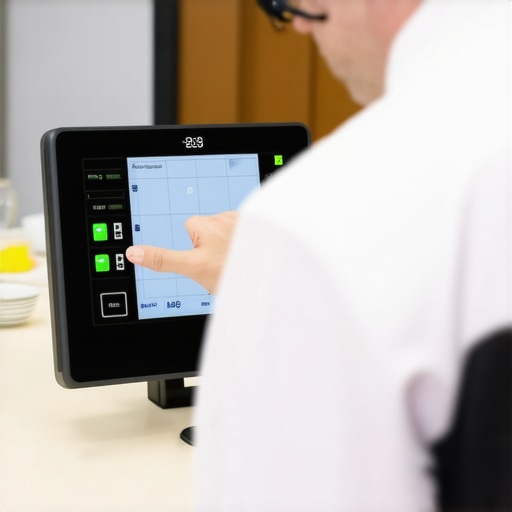
Over the years, I’ve realized that the true secret to unforgettable events isn’t just the venue or menu—it’s often the nuances of how your team interacts with the space and your guests. One profound lesson is that local servers aren’t just staff; they’re your secret weapon in creating seamless, personalized experiences. Ignoring this can mean missing out on the kind of effortless flow that turns a good event into an exceptional one.
Lessons That Transformed My Approach to Event Staffing
- Trust the Locals: Relying on local talent means you harness their innate knowledge of the venue’s intricacies, which can prevent many common snafus during service.
- Personalize the Experience: Local servers often connect better with guests, understanding regional customs and preferences that add that special touch.
- Anticipate Challenges Before They Happen: Familiarity allows them to foresee issues—be it terrain, weather, or guest flow—and adapt swiftly, saving time and stress.
- Avoid the Training Trap: Standard training can’t replace venue-specific insights; investing in tailored sessions amplifies service excellence.
- Leverage Relationships: Local vendors and staff tend to have established relationships that can quicken troubleshooting and enhance coordination.
My Go-To Tools for Stellar Event Execution
- Eventbrite: For scheduling and managing staffing shifts efficiently, I’ve found it indispensable in reducing last-minute chaos.
- Zello Walkie-Talkie App: Real-time communication is critical, especially in sprawling or outdoor venues, and this app keeps everyone on the same page.
- ThermoPro Temperature Monitors: Ensuring food safety in outdoor or non-traditional settings requires reliable tech—these devices are game-changers.
- MarketMan Inventory Management: Keeping track of supplies prevents waste and last-minute shortages, ensuring smooth service from start to finish.
Embrace the Future of Event Excellence
Remember, the key to consistently stunning events lies in the details—specifically, how you adapt and leverage local knowledge and technology. By incorporating these insights into your planning and execution, you’re setting the stage for memorable experiences that guests will rave about long after the event ends. Why not start applying these strategies today? The difference is in the details—trust me, your guests will thank you.
Have you ever experienced a moment where local staff saved your event? Share your story below or ask me how to start integrating local expertise into your next gathering!
,