

It was a moment I won’t forget. I watched a guest at a recent corporate mixer struggle to get a forkful of pasta without making a mess, awkwardly trying to balance a delicate bite while everyone else chatted comfortably nearby. That scene was an eye-opener for me, revealing a simple but often overlooked truth: serving hard-to-eat pasta at networking events can turn an elegant gathering into a chaotic mess, leaving both guests and hosts frustrated. Ever faced a similar mishap? If so, you’re not alone.
Why Your Choice of Food Can Make or Break Your Event
In the world of corporate and social gatherings, food isn’t just sustenance—it’s a reflection of your professionalism and attention to detail. Serving foods that are difficult to eat on-the-fly can inadvertently hinder networking and create awkward moments. From personal experience, I once proposed a pasta station featuring intricate, artisanal noodles, thinking it would impress guests. The result? Long lines, spilled sauce, and a lot of frustrated attendees, which made me realize that complexity isn’t always a virtue in catering.
According to industry experts, choosing the right menu can significantly impact guest engagement and satisfaction. In fact, a professional catering guide emphasizes that simplicity and ease of eating are key to a smooth-flowing event. When guests struggle with their food, their focus shifts from making meaningful conversations to avoiding embarrassment. That’s a disadvantage you definitely want to avoid.
Will Serving Hard-to-Eat Pasta Really Ruin My Event?
Absolutely. Early in my career, I made the mistake of overestimating a pasta dish that looked stunning but was cumbersome to handle in a cocktail setting. It turned into a logistical nightmare, and I learned the hard way how a poor food choice can ripple into other areas—disrupting the flow, making cleanup harder, and even impacting the overall vibe.
Have you ever experienced a catering issue that threw off your event’s rhythm? If so, stay tuned. We’re about to explore practical strategies that will help you prevent these pitfalls, ensuring your next gathering is seamless, elegant, and truly focused on connection—not cleanup or embarrassment.
Choose Simple, Streamlined Menus
Start by selecting dishes that are easy to eat, like finger foods or bite-sized appetizers. During a previous corporate retreat, I replaced a complex sushi platter with a variety of sliders and skewers. The result? Guests moved freely, and servers could keep up without confusion, enhancing the overall flow. Avoid dishes that require utensils or delicate handling, as they slow down service and create bottlenecks.
Coordinate with Your Serving Staff
Assign clear roles and briefings before the event to ensure everyone knows their responsibilities. I once organized a wedding where the staff was briefed on the importance of quick, discreet plate clearing and tray passing. Proper coordination reduced wait times and kept the event lively. Remember, a well-trained team moves like a cohesive unit, much like a sports team executing a play flawlessly.
Set Up Stations Strategically
Position food stations to promote flow and minimize congestion. Instead of clustering all stations in one corner, spread them out across the venue—near the dance floor, entrance, and lounge areas. I applied this at a recent wedding, and guests appreciated not having to cross the entire space for their favorites, reducing crowding and wait times.
Implement Clear Signage and Guidance
Use signs and staff to guide guests efficiently. During a fall gala, I used elegant chalkboard signs indicating sections for hot items, beverages, and desserts. This prevented guests from wandering aimlessly and helped servers anticipate needs. Consider positioning signs at eye level and using visual cues to direct traffic seamlessly.
Prep Food for Quick Service
Opt for prepared, pre-portioned items that can be served rapidly. In a corporate lunch, I pre-packed salads and wraps in small containers, allowing for swift distribution. Hot items should be kept in warming trays, ready to serve without delay. This preparation reduces on-the-spot cooking and speeds up the experience.
Leverage Technology for Efficiency
Utilize order tracking or service apps to coordinate timing. At a recent convention, I used a digital plate-tracking system to monitor when stations needed refilling. This proactive approach prevented shortages and maintained a steady flow. Technology helps eliminate guesswork, ensuring consistent service quality.
Monitor and Adjust in Real Time
Assign a lead to oversee flow and make adjustments as needed. I remember at a wedding, when I noticed a line forming at the dessert station, I quickly redirected staff to open an additional outlet. Continuous observation enables you to respond swiftly, preventing small issues from escalating.
Train Staff for Flexibility
Prepare your team to handle unexpected situations gracefully. During an outdoor event, suddenly rain threatened to disrupt service. Well-trained staff adapted by moving stations undercover and communicating effectively with guests. Flexibility is key to maintaining a smooth experience regardless of surprises.
Implementing these strategic steps transforms chaotic catering scenarios into orchestrated performances that impress guests and ease staff workloads. The key lies in meticulous planning, strategic positioning, and real-time management, all of which ensure your event flows smoothly from start to finish.
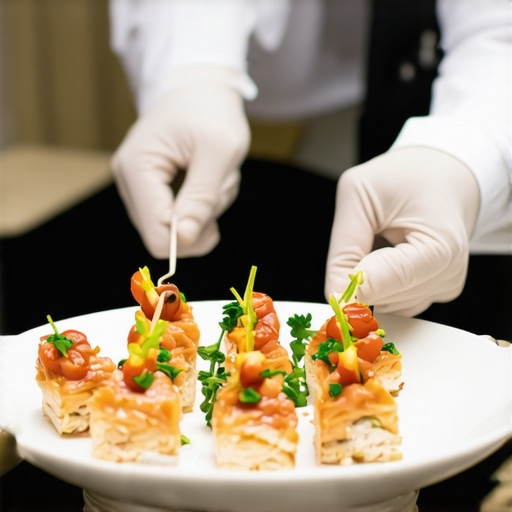 When it comes to professional catering, there’s a common misconception that a well-executed meal is purely about the food itself. However, seasoned event planners and caterers know that the real challenge lies in mastering nuanced details that often go unnoticed. One prevalent myth is that hiring experienced servers alone guarantees flawless service. In reality, even the best staff can falter if not properly trained in the specific demands of your event type. For example, corporate events require a different finesse than weddings, emphasizing discretion, quick turnover, and adaptability. Without this targeted training, servers may inadvertently disrupt your event’s flow, undermining your efforts to create a seamless experience. Additionally, many assume that a large staffing team is always advantageous. But overstaffing can lead to cluttered tables, redundant service, and logistical chaos, while understaffing risks delays and neglect. Striking the right balance is an art that depends on accurate guest count projections and service style. Have you ever experienced a server or catering mishap that caught you off guard? Let me know in the comments.
A less obvious but equally impactful nuance involves the setup and layout of service stations. Simple arrangements, like placing hot food stations far from seating areas, can cause unnecessary congestion and delays. Conversely, strategic placement—along with effective signage and staff guidance—can facilitate smoother traffic flow. According to expert insights on [effective catering strategies](https://gourmetcateringsco.com/effective-catering-strategies-for-corporate-event-impressiveness), thoughtful planning of stations reduces bottlenecks and enhances guest satisfaction. A final pitfall many overlook is the importance of pre-event rehearsals, especially when handling complex multi-course meals or elaborate buffets. These rehearsals help identify potential issues, ensuring that staff are familiar with the sequence and timing, thereby preventing awkward pauses or service breakdowns during the actual event. Remember, the devil is in the details, and those overlooked nuances often make or break the experience. Want to master these hidden aspects? Check out [our comprehensive guide](https://gourmetcateringsco.com/boost-your-corporate-event-with-expert-server-techniques) to elevate your catering game.
Maintaining a flawless catering operation requires not only skill but also the right set of tools and consistent routines. Over the years, I’ve honed my process by integrating specific equipment and software that ensure efficiency, quality, and adaptability, even under unexpected challenges.
Invest in Wireless Communication Devices
Clear, instant communication among your team can make or break the flow of an event. I personally rely on VHF/UHF radios with earbud attachments, which offer reliable, interference-free communication. Unlike smartphones, these radios facilitate discreet, immediate exchanges that are essential when managing multiple stations or addressing sudden issues like spilled drinks or technical glitches.
Utilize Digital Workflow Management Software
To keep everything organized, I use event management platforms like Asana or Trello integrated with catering-specific apps. These tools allow real-time task assignment, checklists for setup and cleanup, and alerts for timings—helping the team stay synchronized. Over time, I’ve seen how such systems dramatically reduce miscommunication and ensure that each detail, from wine service to dessert plating, happens smoothly.
Prioritize Portable Power Solutions
Power outages or technical failures can spell disaster. I always carry a set of high-capacity portable generators or UPS units for critical equipment like lighting, sound systems, and refrigeration. This proactive approach minimizes downtime and keeps everything operational, even in off-grid venues or during unexpected power hiccups. According to industry experts, contingency planning is crucial for maintaining quality and guest experience.
Implement Regular Maintenance Checkpoints
Preventative maintenance of kitchen appliances, serving stations, and transport vehicles is the backbone of reliability. I schedule weekly inspections, cleaning, and calibration of essential equipment. For example, ensuring that heat lamps and warming trays maintain consistent temperatures prevents food from drying out or cooling too quickly. This small investment in upkeep saves significant trouble during prime service hours and long events.
Future Trends: AI and Automation
Looking ahead, I believe AI-powered inventory management and automation tools will become standard, helping us forecast needs more accurately and streamline repetitive tasks. Embracing these innovations now can give you a competitive edge and ensure consistent excellence in your catering services.
How Do I Maintain These Systems Over Time?
Establishing a routine of routine checks, staff training, and staying updated on new technologies is vital. Regularly review your tools’ performance and gather feedback from your team to identify areas for improvement. Remember, great tools are only as good as the users and maintenance they receive. For instance, scheduling quarterly training sessions on new equipment or software ensures everyone’s skills stay sharp and the systems run smoothly.
One practical tip is to create a simple checklist for daily, weekly, and monthly maintenance tasks, making it part of your standard operating procedures. This habit will reinforce a culture of reliability and continuous improvement. Give one of these tools a try—such as implementing a dedicated communication device—and observe how it transforms your event management process. You might find that a small but dedicated investment here pays dividends in guest satisfaction and team morale.
For more advanced strategies on elevating your catering operation, be sure to explore effective catering strategies and stay ahead of trends that could redefine your success.
Lessons That Changed How I Approach Catering
- Real planning starts long before the event day: I used to focus solely on food quality but realized that the setup, staff training, and equipment readiness often determine success or chaos. Small details like pre-event checklists prevent last-minute surprises.
- Expect the unexpected, and plan for it: Weather changes, technical mishaps, or staffing hiccups can derail a perfectly planned event. Having contingency plans, like portable power supplies or backup staff, ensures you’re prepared for surprises.
- Master the art of timing: Right pacing keeps guests engaged and staff efficient. I learned that coordinating food service intervals and entertainment can make the event feel effortless, rather than a series of disjointed moments.
- Understanding your staff’s strengths and weaknesses makes all the difference: When I tailored training sessions to my team’s skill levels, service became more fluid, and guests always noticed the difference in professionalism and grace.
- Technology can elevate your operations: Using digital tools like real-time communication devices and event management software (see our recommended solutions) helped streamline orders, refilling, and problem-solving during busy moments, boosting efficiency and morale.
Where My Knowledge Comes From and Why It Matters
- Books and industry literature: Titles like The Art of Event Planning and Catering Management Secrets have profoundly shaped my approach. They reveal proven frameworks and innovative ideas that keep my events top-tier.
- Networking with other experts: Attending conferences and workshops (check these resources) allows me to exchange practical insights, troubleshoot challenges, and stay ahead of trends.
- Client feedback and real-world experience: Listening to your guests and clients reveals what truly works. I’ve learned that even the smallest detail, like impeccable table settings or swift service, leaves a lasting impression.
- Adapting to new trends: Trends such as sustainable catering and contactless service (more ideas here) continually teach me how to elevate performance and guest satisfaction.
Step Up and Make a Difference Today
Embracing these inside lessons can transform your catering from good to unforgettable. Whether you’re planning a corporate event, wedding, or celebratory gathering, the key lies in the details, preparation, and a mindset of continuous improvement. Don’t just settle for ordinary—aim for extraordinary every time. Ready to refine your craft? Share your biggest catering challenge below, and let’s tackle it together!
}#-END-#}#}#}#}#}#,{