

I vividly remember the moment I realized I was handling too much on my catering tray. It was a busy wedding reception, plates stacked high, servers rushing to keep up. Yet, amidst the chaos, I caught a glance from a guest who hesitated before taking another bite, questioning whether the portion was enough. That lightbulb moment taught me something unexpected: serving smaller portions can actually foster more trust and satisfaction among guests.
The Power of Less: Why Smaller Plates Win Guests Over
For years, the common belief was that bigger servings meant better value. But lately, I’ve seen a shift—guests are craving authenticity, finesse, and a sense that they are being thoughtfully cared for. This is where the small plate trend shines. Less food often leads to more engagement, more appreciation, and ultimately, more trust in the caterer or host.
But why does serving less food make such a difference? The answer is rooted in human psychology and perceptions of quality. When portions are modest yet beautifully presented, guests perceive the meal as higher-end, more curated, and less rushed. It encourages savoring rather than rushing to finish. Moreover, it opens up space for variety, making the dining experience interactive and memorable. If you’re curious about elevating your wedding catering, check out some inspiring ideas for 2025 weddings.
Is Smaller Actually Better? The Skeptic’s Dilemma
Initially, I was skeptical myself. I thought, if I serve less, won’t people leave hungry? Early on, I made the mistake of underestimating portion sizes, leading to complaints and a dip in trust. It took trial and some clever presentation tweaks to get it right. The key is in balancing quality with quantity — offering enough to satisfy while maintaining an upscale look. Implementing this small-plate approach requires a keen eye on your presentation and variety.
So, if you’re still doubting whether this tactic works, ask yourself: Have you ever been hesitant to take a second helping because the portion was just too much? Or felt overwhelmed by the buffet lines? If yes, you’re not alone. Many clients I’ve worked with faced the same hesitation, but the results speak for themselves. Small, thoughtfully curated servings build confidence in your culinary offerings and show guests you prioritize quality over quantity.
Next, we’ll explore how to seamlessly incorporate this strategy into your event planning, ensuring each plate boosts trust and leaves a lasting impression. Ready to transform your catering approach? Let’s dive in.
,
Optimize Your Menu and Presentation
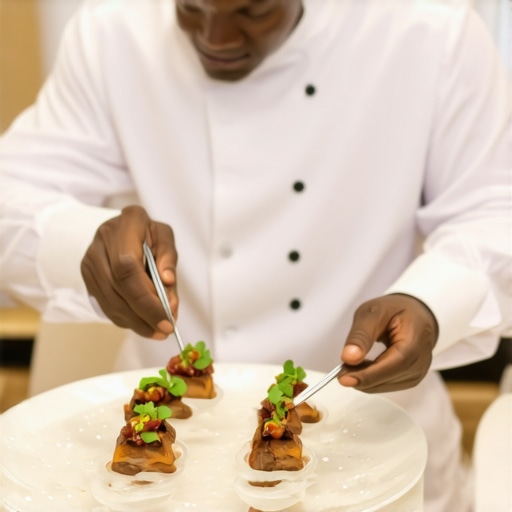
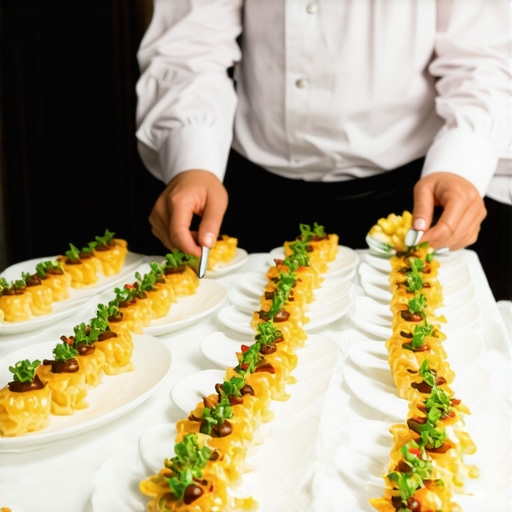
Start by designing a menu that emphasizes quality over quantity. Focus on smaller, visually appealing dishes that showcase your culinary skills. For example, I once prepared a selection of bite-sized appetizers with intricate garnishes, which received rave reviews for both taste and presentation. Use innovative presentation techniques to make each plate stand out. Remember, the goal is to entice guests to savor each bite, not just fill their plates.
Train Your Staff Accordingly
Master the Art of Portion Control
Educate your servers on precise portioning to maintain consistency. Use measuring tools and standardized serving spoons to ensure each dish is uniform. I once held a quick workshop with my team, demonstrating how a slight change in portion size could impact guest satisfaction. Micro-story: During a wedding, I observed a new server slightly overfilling appetizers. After a quick coaching session, she was able to serve perfectly sized portions, which enhanced the overall aesthetic and guest experience.
Enhance Plating Skills
Focus on beautiful plating that elevates small portions. Use fresh herbs, vibrant sauces, and creative arrangements to make each plate inviting. I experimented with stacking elements and adding edible flowers—simple tweaks that made modest servings look upscale. Proper plating not only appeals visually but encourages guests to appreciate the effort, fostering trust in your culinary standards.
Coordinate Timing and Flow
Timing is critical when serving small plates. Plan staggered service rounds to prevent bottlenecks. During a corporate event, I arranged for servers to distribute plates in waves, ensuring that no area became overcrowded. Use efficiency techniques to streamline movement and maintain smooth flow. Proper coordination keeps guests engaged without feeling rushed or neglected.
Leverage Presentation Tools and Accessories
Employ high-quality serving ware, colorful napkins, and decorative accents that complement your dishes. A mini-story: I once used dark slate plates for light-colored canapés, making the food pop visually. These small details communicate care and sophistication, reassuring guests about the quality of their experience. Remember, the visual appeal increases perceived value, which ties into building trust.
Monitor Guest Feedback and Adjust
Gather quick feedback during the event to identify any issues. If guests seem hungry or distracted, scale portions slightly up or refine presentation. After a wedding, I noted that some guests asked if the portions could be a bit larger. I took mental notes to make small adjustments in future events, gradually refining the balance between elegance and satisfaction. Continuous improvement ensures your approach remains effective and appreciated.
By implementing these concrete steps, from menu design to staff training and presentation, you position yourself to deliver an exceptional small-plate experience. This method not only boosts guest satisfaction but also enhances your reputation for thoughtful, high-end catering. For additional insights, check out wedding catering tips from industry experts.
In the world of professional catering and event planning, there’s a widespread myth that more food, more servers, and elaborate setups automatically translate into better guest experiences. However, seasoned experts recognize that this approach often obscures the real nuances that make events memorable. One common misconception is the idea that staffing levels need to be maximized to prevent chaos. While sufficient staff are essential, overstaffing can lead to cluttered spaces and strained service flow, ultimately hindering guest interaction and satisfaction. Instead, emphasis should be placed on strategic positioning and training, such as mastering the art of discreet server movement and efficient table service, which can significantly elevate the experience without increasing personnel. Top servers for a seamless wedding reception highlight how quality over quantity prevails in service excellence.
Another ‘oops’ many planners fall into involves the assumption that larger, more ornate setups automatically impress guests. In reality, complexity can backfire if it distracts from the guest experience or complicates logistics. An elegant, simplified presentation often communicates sophistication better than an overcrowded display. For example, minimalist plating with high-quality ingredients, combined with thoughtful lighting and positioning, can create a premium feel. This insight is backed by research indicating that understated elegance often yields higher guest appreciation than ostentatious displays, especially when execution is flawless.
What Advanced Planners Know About Guest Flow and Perception
Beyond the basics, understanding the subtle impact of event flow and visual cues can make or break your catering success. Advanced hosts pay attention to how guests perceive space and movement—using lighting, signage, and staff placement to guide interactions naturally. For instance, strategically placing servers near high-traffic areas encourages fluid movement and prevents bottlenecks, an approach supported by efficiency techniques. Moreover, respecting the psychology of perception can elevate the experience—fewer but well-placed options can feel more exclusive and desirable than overwhelming buffets, echoing the principles behind high-end restaurants’ success.
In the context of weddings and corporate gatherings, the subtle distinctions in service, layout, and ambiance often determine whether guests leave raving or disappointed. Avoid the trap of equating size with quality; instead, focus on meticulous planning, staff training, and setting the right expectations through refined presentation. For more insights, consider exploring wedding catering tips from industry experts and how they incorporate these nuanced strategies.
Have you ever fallen into this trap? Let me know in the comments.
Investing in Reliable Equipment to Ensure Seamless Events
One of my top recommendations is using high-quality, commercial-grade appliances and tools tailored for catering and event staff. For example, I exclusively rely on induction cooktops like the inspection-grade induction ranges because they provide quick heat adjustments, energy efficiency, and safety that traditional gas burners simply can’t match. These tools reduce the risk of kitchen mishaps during long, high-pressure service hours and simplify cleanup, ensuring your workflow remains uninterrupted throughout the event.
Beyond appliances, investing in durable, ergonomic serveware and portable chafing dishes that distribute heat evenly is crucial. I’ve personally found that stacking, insulated carriers significantly extend the freshness of cold and hot items, especially during outdoor ceremonies where weather can be unpredictable. A focus on robust, easy-to-clean equipment minimizes downtime between courses and prevents last-minute malfunctions that could derail the entire service.
Implementing Consistent Maintenance Routines for Longevity
Regular maintenance isn’t just about fixing equipment—it’s about keeping your entire operation running efficiently over time. Daily checks of refrigeration units, hot holding cabinets, and beverage dispensers help catch issues early. I schedule weekly deep cleans for kitchen surfaces and appliances, following the manufacturer’s guidelines outlined in industry-standard maintenance practices. This proactive approach prevents costly breakdowns during the busiest event days and extends the lifespan of high-investment items, translating to long-term savings and reliability.
Tools That Keep Clients Coming Back
Implementing a software management system like EventPro Software has transformed my booking and scheduling processes. It enables precise tracking of staff shifts, inventory levels, and service timelines, reducing errors and guaranteeing a smooth flow from setup to breakdown. I’ve noticed that clients appreciate the professionalism and punctuality that such tools facilitate, which in turn fosters repeat business and excellent reviews.
For professional servers, utilizing handheld POS systems simplifies order-taking and billing, minimizing mistakes and maximizing efficiency. Partnering this with an internal communication app like TeamConnect ensures that the entire team stays coordinated, especially important during large-scale corporate functions or weddings with multiple service points.
Future Trends in Catering Equipment and Maintenance
Looking ahead, I predict increasing adoption of IoT-connected appliances for real-time diagnostics and preventative maintenance. These innovations will minimize unexpected failures and optimize resource usage. To stay ahead, I recommend testing smart maintenance solutions now—see vendor websites or consult with specialized providers like experts in smart kitchen tech—to understand their potential integration into your operations.
How do I maintain high standards over time?
Developing a disciplined routine for regular equipment checks and investing in quality tools pay dividends. Try implementing a maintenance calendar that aligns with your event schedule, and ensure staff are trained to perform daily inspections and basic troubleshooting. Utilizing software that tracks appliance performance can alert you to issues before they escalate, saving both time and money. Remember, a well-maintained toolkit directly correlates with your ability to deliver flawless service, build client trust, and sustain long-term growth. Ready to elevate your operations? Incorporate a smart diagnostic tool into your setup today and experience the difference firsthand.
Lessons Only Veterans Share About Catering Surprises
- Less Can Be So Much More: Serving smaller, thoughtfully curated portions creates an air of sophistication that often surpasses traditional big servings in guest satisfaction.
- Presentation Is a Powerful Language: Elevating simple dishes with creative plating and accessories communicates care, boosting perceived value and trust.
- Staff Training Matters Deeply: Mastering precise portion control and elegant plating requires ongoing education—small investments here yield massive improvements in service quality.
- Strategic Event Flow and Layout Design Make a Difference: Guiding guests seamlessly through the event space turns chaos into comfort, leaving lasting impressions.
- Invest in Quality Equipment That Supports Excellence: Reliable, high-end tools and maintenance routines prevent malfunctions and ensure flawless service every time.
Curated Gems for Elevating Your Catering Game
- Inspiring Wedding Trends for 2025: Discover elegant ideas that resonate with modern couples and set you apart.
- Creative Catering Inspirations: Stay ahead with fresh presentation techniques and flavorful twists.
- Server Efficiency Tips: Learn how streamlined service enhances guest experience and operational flow.
- Expert Insights: Gain insider knowledge to refine your approach and build a reputation for excellence.
Your Next Steps Towards Catering Confidence
Embracing these nuanced strategies transforms your catering from good to unforgettable. Remember, it’s about the details—small plates, elegant presentation, reliable tools, and smooth flow—that create a memorable event. I challenge you to experiment with one new approach at your next event. Notice how your guests respond and refine your craft accordingly. The journey toward mastery is ongoing, but each step brings you closer to becoming a true culinary storyteller. Are you ready to rethink your catering approach and surprise everyone with your thoughtful touch? Share your experiences or questions below—let’s learn together and elevate our standards.