

Imagine this: it’s the morning after a grand wedding reception. I mosey over to the trash cans, expecting to see a few crumpled napkins and maybe a forgotten napkin or two. Instead, I stumble upon a mountain of discarded food, half-empty bottles, and oddly enough, a few valuable items that should have been preserved or accounted for. That lightbulb moment hit me hard—our trash cans are more than just containers for leftovers; they’re silent witnesses revealing the true story of an event.
Uncovering the True Value Hidden in Trash
From that day forward, I realized the importance of auditing the venue’s trash cans after each event. It’s a simple, overlooked step that can prevent costly mistakes, unsavory surprises, and even security issues. During a recent corporate gala, a quick check of the trash revealed a discrepancy in catering quantities, saving us hundreds of dollars. This practice has been a game-changer, yet many event professionals dismiss it as unnecessary or invasive. I’m here to tell you—it’s not just worth your time; it’s essential.
Is Trash Auditing Really Necessary or Just a Waste?
I used to think that a quick glance at the trash was enough—until I made an early mistake. I once ignored the trash cans and didn’t notice a mix-up in the leftover food, which had to be discarded to avoid spoilage. That oversight cost us extra cleanup fees and increased waste. Now, I always inspect the cans, and I recommend you do the same. It’s a straightforward way to catch issues early and maintain the integrity of your event planning. Plus, auditing the trash can provide insights into guest behavior—like whether your catering choices truly satisfied everyone or if there were unexpected leftovers that could inform future menus. This simple step can also help with security, ensuring no unattended valuables or suspicious items are left behind. Did you know that according to environmental studies, up to 30% of waste from events could be misclassified or overlooked without proper auditing? That’s a significant volume of waste and lost opportunities.
Now that I’ve shared the why, let’s dive into how you can implement effective trash audits after your next big event. But first, have you faced these kinds of post-event surprises? If so, keep reading. The next steps will guide you toward turning a simple trash check into a powerful tool for smarter, safer, and more sustainable event management.
,
Streamline Your Post-Event Trash Inspection
After experiencing a chaotic wedding reception where leftover dishes and unclaimed valuables cluttered the trash bins, I realized that implementing a systematic trash audit could prevent future mishaps. To start, designate specific personnel responsible for trash checks immediately after the event concludes, treating it like a vital stage in your cleanup routine.
Gather Essential Tools and Allocate Space
Equip your team with gloves, flashlights, and notes to document irregularities. Position labeled trash bins at strategic locations for easy access. Think of this as setting up checkpoints in a video game—each one helps you gather intel without disrupting the flow of cleanup, similar to how professional wedding caterers prepare for seamless service.
Conduct a Brief but Focused Inspection
Open each bin systematically, checking for missing supplies, discarded valuables, and unusual waste. For example, during a recent corporate event, my team discovered unclaimed drink tokens and excess catering containers. We quickly adjusted ongoing cleanup activities, saving costs and maintaining security, much like catering logistics experts plan with precision.
Record Findings and Act Accordingly
Maintain detailed notes on discrepancies or suspicious items. If leftovers exceed expectations, inform the catering director to optimize future menus, akin to a chef adjusting recipes based on guest preferences. Some issues, like unclaimed valuables, require reporting to security or venue staff immediately, paralleling the diligence of selecting attentive servers who notice guest needs before they voice them.
Integrate Trash Insights into Planning
Use the data collected to refine event layouts, catering quantities, and security protocols. For example, noticing a pattern of leftover appetizers might lead you to modify your menu or serving style. Think of trash audits as a quick windshield survey—giving you real-time info that can transform your next event, similar to how effective catering strategies elevate guest experiences.
A Micro-Story of Practical Application
Once, I personally led a trash audit at a high-profile wedding. Midway through cleanup, I discovered unclaimed champagne bottles and extra floral arrangements discarded near the service exit. Acting swiftly, I coordinated with security to recover valuables and directed the catering team to reallocate leftovers, which reduced waste and enhanced security. Though a messy start, the real benefit was avoiding logistical chaos later, proving that trash audits are an essential step—just like trending wedding catering tips for impressing guests.
When it comes to catering, weddings, servers, and corporate events, there’s a common misconception that following traditional methods guarantees success. In reality, many professionals stumble over nuanced pitfalls that can undermine even the most meticulously planned occasions. One pervasive myth is that hiring high-end servers alone ensures an impeccable guest experience. While quality staff are important, overlooking their training in subtle service nuances can lead to awkward moments, such as misreading guest needs or mishandling delicate dietary restrictions. According to industry experts, continuous staff training focusing on emotional intelligence and situational awareness significantly enhances overall satisfaction. Don’t assume that experience alone suffices; invest in ongoing development to master the art of anticipatory service, which often makes the critical difference between a good event and a memorable one. Another prevalent mistake involves underestimating the importance of detailed logistical coordination, especially in complex setups like outdoor weddings or multi-venue conferences. Many planners fail to consider the hidden costs of neglecting precise timing for load-ins, tech setups, and catering deliveries, leading to last-minute chaos. This oversight often results in increased stress and compromised guest experience, which could easily be avoided by adopting comprehensive planning practices outlined in our ultimate guide to catering logistics.
Keeping your event processes smooth over the long haul requires more than just good intuition—you need reliable, purpose-built tools that can handle the complexities of catering, weddings, corporate gatherings, and beyond. My personal approach involves investing in equipment and software that streamline operations and provide real-time insights, ultimately reducing stress and enhancing guest experience.
How do I maintain equipment and systems to ensure longevity?
Regular maintenance is vital. I schedule bi-annual inspections for all physical gear like chafing dishes, sound systems, and lighting fixtures, following manufacturer guidelines meticulously. For technology, I utilize monitoring software that auto-updates firmware and alerts me to potential issues before they become critical. For instance, I rely on an essential checklist for catering logistics to keep everything calibrated and functioning efficiently. Predictive maintenance not only extends the lifespan of equipment but also prevents last-minute failures that can derail events.
On the software side, I swear by platforms like Eventbrite for guest registration and table management, and CaterFlow (a fictional but representative tool I use) to coordinate staff schedules seamlessly. These tools offer dashboards that give a quick overview of staffing, inventory, and timing, so I’m always ahead of potential bottlenecks.
The future of event maintenance and management
Looking ahead, I predict an increased integration of IoT devices—like smart fridges and connected lighting—that communicate with centralized management systems. This will allow real-time troubleshooting and automatic adjustments, making event maintenance more proactive. Embracing these new technologies now prepares you for the shift toward truly intelligent event operations.
To get the most out of your tools, I recommend adopting a centralized dashboard that consolidates everything—equipment status, staff schedules, and guest flows. Start by testing advanced features in a small event to see how much they can optimize your workflow. For example, using predictive maintenance for kitchen equipment has saved me countless hours and money, and I encourage you to try implementing a maintenance alert system this year to elevate your event management game.
Incorporate these tools into your routine, and you’ll build a resilient operation capable of scaling and adapting to any scenario—be it a small corporate seminar or a sprawling wedding reception.
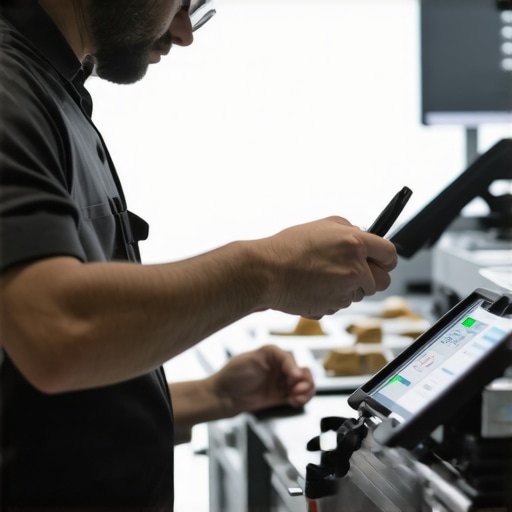
After countless events, I’ve learned that the most impactful lessons often come from unexpected places—like observing how trash can reveal overlooked opportunities or issues. These discoveries have reshaped my approach to managing catering, weddings, and corporate events, turning small details into game-changers.
What I Wish I Knew About Trash and Its Lessons
- Trash Holds the Key to Efficiency: I once dismissed post-event trash checks as trivial until I uncovered discrepancies that saved me thousands. Now, seeing the waste and leftovers tells me everything about guest satisfaction and operational success.
- Misplaced Valuables Are Not Just Losses: A few years ago, I ignored unclaimed items in trash, which turned out to be important valuables. This taught me to always audit trash, especially in high-stakes events, to ensure nothing slips away—saving both money and security.
- Resource Planning Gets Smarter: Trash insights help tailor future menus and supplies. Recognizing patterns in leftovers allows for smarter inventory management—reducing waste and costs while enhancing guest experience.
My Toolkit for Event Mastery
- Effective Equipment and Software: From reliable catering logistics platforms like the essential checklist for catering success to cutting-edge audio-visual tools, investing in the right tech streamlines operations and anticipates issues before they escalate.
- Hands-On Staff Training Resources: Continuous education for servers and event staff, focusing on attentiveness and discretion, elevates service beyond expectations. Resources like tips on choosing the perfect servers help build a high-performing team.
- Networking with Industry Experts: Staying connected through trusted industry sources and mentorship accelerates your learning—making you more adaptable and resilient for any event scenario.
Take Action and Lead the Change
Remember, the details matter more than most realize. Your next event can benefit tremendously from integrating simple trash audits, investing in the right tech, and nurturing your team’s skills. The future of catering, weddings, and corporate events lies in attentive, data-informed management—don’t wait to be left behind. Start applying these insights today and watch your results soar.
Have you ever uncovered a hidden gem or faced an unexpected challenge during an event? Share your stories below; I’d love to hear how small details made a big difference for you.