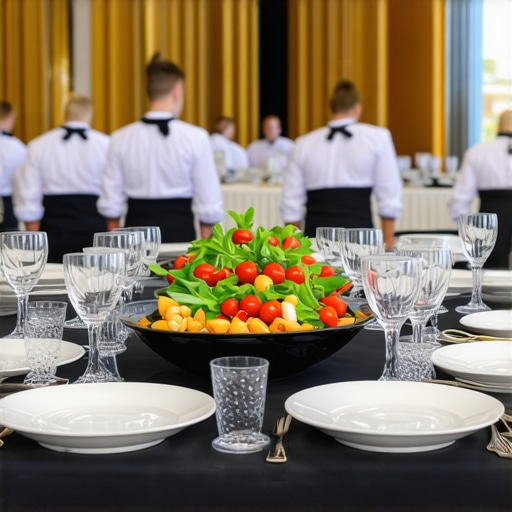
Ever been at a corporate event where everything seemed to fall apart—not because of the food, but because of the service? I’ve been there. One particular experience still haunts me: a big client dinner where the servers were overwhelmed, the timing was off, and the whole event felt chaotic. It was a wake-up call. I realized then that even the best menu can be sabotaged by poor execution. That moment sparked a lightbulb: the right servers and a focus on building trust can transform any corporate event into a seamless success.
Why Trust and Efficiency Matter More Than Ever in Corporate Catering
Today’s corporate events are more than just networking opportunities; they’re brand statements. When you invite clients or stakeholders, the experience reflects directly on your professionalism. A smooth, well-managed event leaves a lasting impression—trustworthy servers aren’t just a luxury, they’re essential. According to industry experts, the quality of service can significantly influence guest satisfaction and future business relationships (source). It’s no longer enough to have good food; you need reliable staff who understand the importance of presentation, timing, and discretion.
Is Investing in Better Servers Really Worth the Extra Cost?
Honestly, I used to think that skimping on staff was a smart way to cut costs. Big mistake. Early on, I overlooked how crucial it is to have trained, professional servers who can anticipate guest needs, handle tricky situations, and keep the flow smooth. Not investing in this often backfires, leading to delays, mistakes, and unhappy guests. My advice? Don’t just focus on the menu—your servers are the frontline of your event’s success. If you want to see how top-tier servers can elevate your event, check out this guide.
So, if you’ve ever faced the chaos of untrained staff or felt that sinking feeling when things go wrong, you’re not alone. The key is knowing how to select and trust the right team. That’s what we’ll explore next—practical tips to ensure your corporate catering not only meets expectations but exceeds them, building trust and accelerating results every step of the way.
Start with a Clear Profile of Your Event Needs
Before diving into hiring or selecting servers, define what your event requires. Consider the number of guests, the type of service style (buffet, plated, cocktail), and any special needs like dietary restrictions. I remember booking a service without this clarity, leading to mismatched staffing and chaos. Once I identified my needs, I could focus on finding servers experienced in similar settings. This step is crucial; it’s like choosing the right crew for a movie—everyone needs to know their role to ensure smooth filming.
Vet Your Candidates Rigorously
Don’t settle for generic staffing agencies. Instead, use targeted criteria: training, experience, professionalism, and client reviews. I once hired a team through a popular agency, but they lacked the finesse needed for a corporate setting. After feedback, I switched to a specialized provider that trains their staff in discreet, efficient service. This shift dramatically improved guest satisfaction. To find top-tier servers, check out this guide for detailed vetting techniques.
Assess Soft Skills and Discretion
Servers aren’t just about carrying trays; their attitude and discretion can make or break trust. During a recent event, I observed a server handle a sensitive situation with tact, which impressed my clients. Conduct mock scenarios or role-plays during interviews to gauge their responses. Think of servers as the frontline diplomats of your event—they must be personable yet discreet, always prioritizing guest experience without drawing attention to themselves.
Invest in Training and Certification
Even experienced servers benefit from ongoing training. Look for teams that prioritize certifications in hospitality, alcohol service, and emergency response. I once arranged a training session for my staff, which aligned their performance with high standards. This investment pays off by ensuring consistency and professionalism. You can learn more about the importance of training at this resource.
Configure a Clear Communication System
Effective communication between kitchen, servers, and coordinators is the backbone of smooth service. Use radios or headsets if possible. During a busy corporate dinner, my team used walkie-talkies which allowed instant updates, preventing delays. Train your staff on communication protocols—think of it as giving them a secret language that keeps everyone in sync and reduces errors.
Test Your Team in a Mock Run
Before the actual event, organize a rehearsal with your selected servers. I once did a dry run, and although it was a bit chaotic initially, it revealed gaps in service flow. We adjusted positions and clarified roles, which resulted in a flawless event. Consider this a dress rehearsal—practice makes perfect and helps you build trust with your team.
Build a Relationship for Future Success
Post-event feedback sessions are invaluable. Thank your staff, share insights, and discuss improvements. Over time, this relationship fosters loyalty and better service quality. Remember, trusted servers are your partners in crafting memorable, seamless events, making your reputation shine. For ongoing tips, explore this article.
Many people assume that planning a wedding or corporate event is just about selecting the right venue, menu, and staff. However, there are often overlooked nuances that can make or break your event’s success. Let’s dig deeper into what most get wrong and how to avoid these pitfalls, ensuring your event leaves a lasting positive impression.
Why Overconfidence in Experience Can Backfire
It’s tempting to believe that once you’ve hosted a few events, you’ve seen it all. But experience can sometimes breed complacency. Seasoned planners might overlook subtle details like server training updates or new service trends that can elevate guest experience. For example, recent studies suggest that modern guests value personalized service even more than gourmet menus (source). Failing to stay updated can lead to outdated practices that diminish guest satisfaction.
Beware the Hidden Cost of Underestimating Staff Training
Everyone says hiring professional servers is essential, yet many underestimate how much ongoing training impacts performance. A common trap is assuming that experience alone guarantees quality service. But even top-tier servers benefit from regular refreshers on etiquette, discreet handling of sensitive situations, and current health protocols. Investing in continuous training can significantly boost your event’s flow and trustworthiness. For insights on upgrading your team, check out this guide.
What Can Go Wrong with Catering Menus and Presentation?
Many believe that a good menu is enough to impress guests. However, presentation and timing are equally vital. Overly complex dishes or poorly timed service can cause delays and frustration. It’s a mistake to assume that more elaborate menus always mean better experiences. Instead, focus on simplicity, quality, and seamless delivery. For example, a trending approach is minimalist plating combined with interactive elements—like live stations—that enhance engagement and trust (source).
Are You Overlooking the Power of Communication?
Effective communication isn’t just about walkie-talkies or apps; it’s about clarity, protocols, and timing. Many underestimate how miscommunication can lead to delays or mishaps. Advanced planners establish clear hierarchies and scripted communication for critical moments. For instance, during a corporate event, a dedicated coordinator who anticipates needs before they arise can prevent many issues. Remember, smooth coordination builds trust—something that’s often overlooked in favor of flashy menus or decor.
Have you ever fallen into this trap? Let me know in the comments. By understanding and addressing these nuanced pitfalls, you can elevate your event from good to unforgettable, building trust and ensuring success every time.
Ensuring your wedding, corporate event, or catering service continues to operate flawlessly over time requires more than just initial planning. From maintaining equipment to leveraging the right software, I’ve found that the right tools can make the difference between chaos and seamless execution. In this post, I’ll share my go-to tools and methods that I personally rely on, along with insights into future trends that may shape event management.
Invest in Reliable Communication Devices
Communication is the backbone of any successful event. I personally use Motorola Talkabout T800 walkie-talkies because they offer clear audio, long battery life, and easy pairing with smartphones via Bluetooth. This allows my team to coordinate instantly, even in noisy environments or large venues. Regularly checking and maintaining these devices—cleaning contacts, updating firmware—ensures they stay reliable. As events grow larger, I predict that integrated communication apps with real-time translation will become standard, further enhancing coordination.
Use Scheduling and Task Management Software
For managing staff shifts, vendor schedules, and client preferences, I recommend Asana. It’s flexible, intuitive, and allows for detailed task assignment, deadlines, and progress tracking. I set up dedicated project boards for each event, ensuring everyone knows their responsibilities. Regularly reviewing and updating these boards keeps everyone aligned. In the future, I foresee AI-powered scheduling tools that automatically optimize staff shifts based on predicted flow and preferences, saving hours of manual planning.
Maintain Equipment with Proper Protocols
Event equipment—such as chafers, sound systems, and lighting—requires routine checks. I follow a strict maintenance schedule: cleaning, testing, and calibrating gear at least a week before the event. For example, I use Roland GO:LIVECAST for quick audio checks and streaming setup. Having backup equipment on-site is also critical. As technology advances, I believe IoT-enabled equipment with remote diagnostics will become commonplace, allowing me to catch issues before they impact the event.
Leverage Feedback Tools for Continuous Improvement
Post-event surveys are invaluable. I use Google Forms for quick, customizable feedback from clients and guests. Analyzing responses helps identify areas for improvement. I also set up follow-up meetings to discuss recurring issues and brainstorm solutions. Looking ahead, AI-driven sentiment analysis could automatically process feedback, providing actionable insights faster and more accurately than manual reviews.
How do I maintain these tools over time?
Regular updates are essential. Firmware and software updates fix bugs and add features. Scheduling quarterly checks helps prevent issues during events. I also keep a maintenance log for equipment and a training schedule for staff to stay familiar with tools. Building relationships with vendors and tech support ensures quick assistance if problems arise. Continuous training on new features ensures my team maximizes the potential of these tools. To stay ahead, I also subscribe to industry newsletters and attend webinars on emerging tech in event management.
Don’t hesitate to implement one or two of these tools today. For example, try setting up a detailed task board in your project management software and see how it streamlines your planning process. With these strategies, your events will not only run smoothly but also impress clients and guests alike, building trust and long-term success.
The Hardest Lesson I Learned About Corporate Events and Service
One of my most eye-opening experiences was when a major corporate dinner turned into chaos because of untrained servers. It taught me that no matter how great your menu is, poor execution can ruin the entire event. Investing in professional, well-trained servers isn’t just a luxury — it’s a necessity for building trust and ensuring seamless service that impresses clients and stakeholders alike.
My Top Tips for Building a Trustworthy Service Team
From my journey, I’ve realized that vetting candidates rigorously is crucial. Relying solely on staffing agencies isn’t enough; instead, focus on experience, soft skills, and client reviews. Ongoing training and certification keep your team sharp and professional, ready to handle tricky situations discreetly. Establishing clear communication protocols and conducting mock runs beforehand can make all the difference in preventing mishaps and fostering confidence in your team.
Where I Go for Inspiration and Reliable Resources
Over the years, I’ve found a few tools and resources that truly elevate my catering game. This guide on selecting top servers helped me refine my vetting process, ensuring I hire staff who excel in professionalism and discretion. Additionally, trends in catering keep me updated on innovative service styles that foster trust and engagement. Lastly, I rely on top servers for seamless events to keep my standards high and my clients satisfied.
Your Turn to Elevate Trust in Your Events
Remember, the secret to truly successful corporate catering lies not just in the menu, but in the people behind it. Focus on building a team you can trust, communicate clearly, and prepare thoroughly. These steps will help you turn any event into a memorable, smooth experience that builds lasting relationships. What’s the biggest challenge you’ve faced with your event service team? Let me know below and share your story!