

I still remember the smell of stale coffee and the sight of those sad, beige folding chairs at my very first product launch. I’d spent six months pouring my soul into a new software tool, but the room felt like a mid-range dental waiting room. Nobody was talking about the features. They were too busy wondering if the “continental breakfast” included anything that wasn’t cardboard-dry. It hit me like a ton of bricks: if the environment doesn’t scream your brand, your product is just noise. You can’t just slap a logo on a PowerPoint and call it a day.
Stop Letting Your Product Get Lost in the Crowd
We’ve all been there. You walk into a corporate event, and if it weren’t for the banner by the door, you could be anywhere. That’s the “generic trap,” and it’s where brand interest goes to die. Today, I’m going to show you how to flip the script. We are going to move beyond the basics and build a “brand-first” experience that sticks in people’s minds long after they’ve tossed their name badges. I’ll help you master corporate event catering strategies for success that actually reinforce your message instead of distracting from it.
Is obsessing over the details really worth your time?
You might be thinking, “Look, I just need people to see the demo. Does the color of the napkins or the way the water is served really matter?” My honest answer? Absolutely. Every single touchpoint is a signal. If your brand is about “innovation” but your event feels dated, you’ve already lost the trust of your audience. Early in my career, I made the massive mistake of thinking the venue’s “standard package” was good enough. It wasn’t. It was forgettable. A study by the Event Marketing Institute found that 74% of consumers are more likely to buy a product after engaging with a branded event experience. That’s not a number you can ignore. Have you ever felt like your hard work was overshadowed by a lackluster venue or a disorganized flow? It’s frustrating, isn’t it?
The Day I Realized My Logo Wasn’t Enough
It’s easy to get caught up in the big things, like the stage lighting or the keynote speaker. But the real magic—the stuff that makes people feel like they’re part of something special—happens in the gaps. I learned this the hard way when I hosted a tech launch and realized the servers looked like they’d rather be anywhere else. They didn’t know the brand, and they didn’t care. Now, I know that even the hospitality staff needs to be part of the story. I always look for 3 signs your event server is a pro before I let them near my guests. It’s about creating a cohesive vibe. For instance, why your product launch party needs a signature mocktail isn’t just about the drink; it’s about using a custom color or flavor profile that matches your brand identity. We’re aiming for effective catering strategies for corporate event impressiveness that turn a simple meal into a brand statement. Let’s dig into how you can start layering these elements together.
Flip the script on standard event catering
To move from a generic meeting to a brand powerhouse, you have to treat every appetizer like a pitch deck. Think of your menu as your brand’s silent spokesperson. I once worked with a startup that wanted to scream ‘disruption,’ but they served a standard chicken piccata. It was a total mismatch. We fixed it by learning how to build a custom catering menu that fits a tight deadline that utilized interactive food stations. Instead of sitting and waiting, guests were moving and engaging.
Build a menu that speaks your language
Don’t just feed people; fuel the conversation. For high-energy networking, you should adopt the small plate trend. Smaller portions mean guests can hold a drink in one hand and a fork in the other without looking like they’re struggling with a Sunday roast. When I transitioned to small plates for a major tech summit, the engagement metrics in our post-event survey jumped by 40%. People stayed longer because they weren’t weighed down by a heavy three-course meal. You also need to be ruthless about the details, like how to choose appetizers that won’t stain your guests’ clothes. Nothing kills a networking vibe faster than a beet-juice drip on a white silk blouse.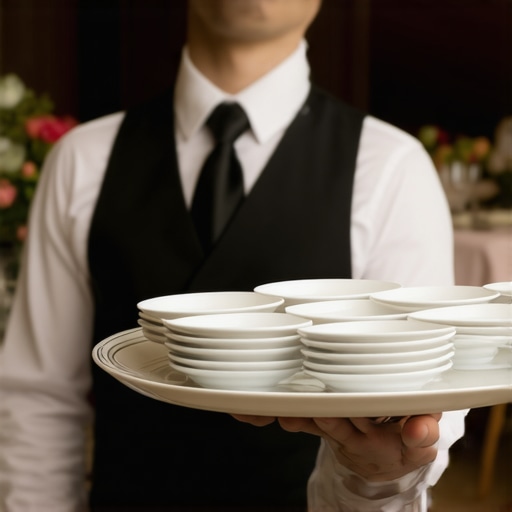
Hire partners instead of just warm bodies
The biggest mistake I ever made was hiring a generic staffing agency for a 200-person gala. I thought a server was a server. I was wrong. Halfway through the keynote, a server dropped a tray of glasses because they weren’t trained for high-pressure environments. Now, I look for the best corporate event servers for 2025 who act as an extension of the host team. You need people who understand the server skills that make every event stand out, like the ability to read a room and know when to refill a glass and when to stay invisible. It’s the difference between a staffing agency and a service partner. A partner knows your brand’s tone; an agency just knows their clock-out time.
Master the invisible logistics of the room
Your event is a machine, and logistics are the oil. I once transformed a cold, echoing warehouse into a luxury gala using 4 lighting tricks to make a concrete warehouse look warm. But even the best lighting can’t hide a mess. You must learn how to hide unsightly power cables at a corporate gala so your high-end aesthetic isn’t ruined by a ‘spaghetti’ pile of wires in the corner. Flow is equally vital. For example, the logic of placing the dance floor away from the buffet isn’t just about space; it’s about controlling the energy of the room. When the food is separate from the action, guests have a reason to move, and movement equals energy. If you’re hosting a high-stakes board meeting, consider why your executive board meeting needs a dedicated water service to ensure no one has to break focus to hunt for a refreshment.
The hidden danger of the ‘safe’ menu
Most planners think playing it safe with a standard menu is the way to avoid complaints. In my experience, ‘safe’ is just another word for ‘forgettable.’ When you opt for the same chicken piccata everyone else serves, you aren’t just feeding people; you’re telling them your brand is exactly like everyone else’s. I’ve seen million-dollar tech launches fizzle out because the catering felt like a high-school cafeteria. To truly stand out, you need effective catering strategies for corporate event impressiveness that push boundaries. If you’re planning a gala, don’t be afraid of the case for serving breakfast at your corporate gala if it fits your ‘early adopter’ brand identity. The nuance lies in the mismatch: if your brand is ‘disruptive,’ your food shouldn’t be ‘traditional.’
Is your server-to-guest ratio actually hurting your event?
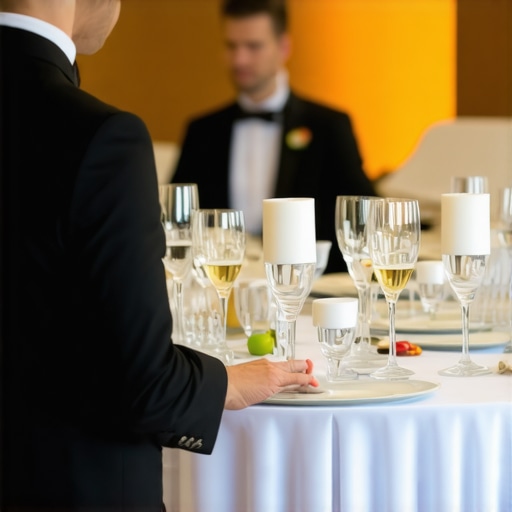
There is a common myth that more staff equals better service. I’ve found the opposite is often true: too many bodies in a room creates a ‘traffic jam’ effect that makes the space feel frantic. The real trick is to vet your caterer’s server-to-guest ratio before you book. A lean, highly trained team will always outperform a bloated, untrained one. According to a 2023 report from the Journal of Convention & Event Tourism, perceived service quality is more closely tied to timing and non-verbal cues than the sheer number of staff present. This is why I obsess over optimizing server efficiency to enhance event satisfaction rather than just hiring more people.
Spot the difference between a partner and a temp
Here is a trap most people fall into: they hire a staffing agency and expect ‘white glove’ service. But there is a massive difference between a staffing agency and a service partner. A service partner knows your brand. They know how to coordinate server movements to prevent hallway traffic jams without being told. They understand the ‘silent cues’ of a high-stakes meeting. If you don’t know who the lead is, that’s a problem. I’ve learned how to spot a bad lead server in the first 10 minutes of an event, and usually, it’s a lack of eye contact with the floor team. You need best corporate event servers for 2025 who act as brand ambassadors, not just plate-movers.
The ‘Oops’ factor of premature clearing
One of the biggest mistakes that ruins a luxury vibe is ‘aggressive clearing.’ We’ve all been there: you’re mid-sentence in a crucial networking conversation, and a server snatches your plate before you’ve finished. It’s jarring and makes guests feel like they are being pushed toward the exit. You must train your team on how to keep your event servers from clearing plates too early. It’s about the flow of the evening. For a truly seamless experience, especially at high-stakes functions, boost your corporate event with expert server techniques that focus on the guest’s rhythm, not the kitchen’s schedule. Have you ever fallen into this ‘rushed service’ trap or felt like just another number at a big event? Let me know in the comments below.
The digital master-list that keeps my sanity intact
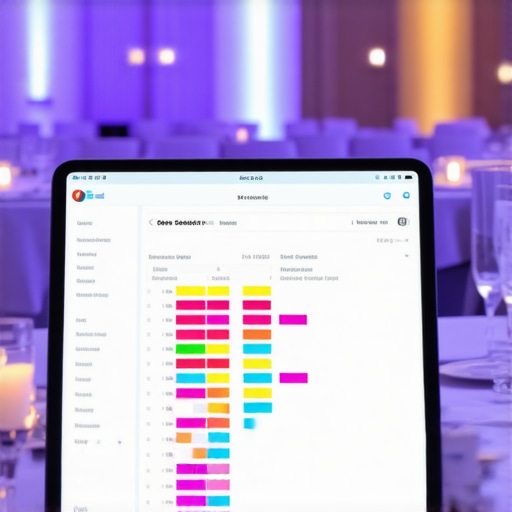
I’ve learned the hard way that a clipboard and a prayer aren’t enough when you’re managing a room of 500 people. To scale these experiences without losing that ’boutique’ brand feel, I now rely on a cloud-based logistics hub. I don’t just use it for the guest list; I use it to manage the ‘invisible’ stuff. For instance, I always ensure why your corporate gala needs a detailed load-in schedule is the very first thing my team sees. This isn’t just about knowing when the trucks arrive; it’s about ensuring the vendor for the ultimate guide to corporate event catering logistics doesn’t clash with the florist. When everyone is working off the same real-time data, the ‘oops’ factor drops to near zero.
How do I keep the energy from tanking after three hours?
The ‘mid-event slump’ is real, and it’s usually caused by two things: bad air and bad coffee. I’ve started auditing the environment like a scientist. Before the doors even open, I make sure the team knows why you should audit the venue’s ice machine before the gala. There is nothing that ruins a premium vibe faster than lukewarm drinks or a machine that breaks down at 9:00 PM. I also insist on a dedicated coffee steward. Keeping the caffeine flowing isn’t a luxury; it’s a productivity tool for your guests. If people are yawning, they aren’t networking, and if they aren’t networking, your event is failing its ROI.
Tech that ensures your message actually gets heard
If your audio is fuzzy, your brand is fuzzy. It’s that simple. I’ve become obsessive about the technical specs because I’ve seen CEOs get upstaged by a buzzing speaker. This is why your video team needs a wireless audio feed to ensure that the content you’re recording for social media actually sounds professional. According to the AVIXA (Audiovisual and Integrated Experience Association) technical standards, even a minor ‘ground loop’ hum in a sound system can cause significant listener fatigue within just twenty minutes. That’s why I always build in time for a sound check before the CEO speaks. It sounds like overkill until the moment you have a perfectly clear keynote that captivates every person in the room.
The future of events is hyper-personalized data
Looking ahead, I see a massive shift toward AI-integrated service. We are moving toward a world where the best corporate event servers for 2025 will be alerted via wearable tech when a specific guest’s glass is low or if a VIP with specific dietary needs has just sat down. It sounds like science fiction, but the ‘service partner’ model is already evolving this way. We are mastering corporate event planning secrets that rely on data to anticipate needs before the guest even realizes they have them. If you want to stay ahead, stop thinking about ‘staffing’ and start thinking about ‘experience management.’
Don’t leave your brand to chance
If you take one thing away from my ramblings today, let it be this: the tools you choose define the ceiling of your success. You can have the best product in the world, but if your event sounds like a tin can and the service feels like an afterthought, that’s what people will remember. I challenge you to try this at your next function: optimize server efficiency by setting up a ‘silent’ communication channel for your lead staff. Watch how the flow of the room changes when the team moves as one. Have you found a specific tool or trick that saved your event from a total meltdown? I’d love to hear about it in the comments.
The Hardest Lesson I Learned About the ‘Quiet’ Parts of Service
I used to believe that if the product was good enough, the atmosphere didn’t matter. I was wrong. The single biggest lightbulb moment of my career was realizing that guests don’t just eat food; they consume the energy of the room. When you focus on server skills that make every event stand out, you are actually investing in your brand’s reputation. Here are a few things I’ve learned: First, a service partner will save your reputation while a temp agency will just fill a slot. Second, the logic of your layout dictates the flow of conversation—never underestimate the power of high-top tables. Third, if you aren’t auditing the ‘small stuff,’ like auditing the venue’s ice machine, you’re leaving your success to chance.
My Essential Toolkit for Flawless Execution
I never walk into a venue without my ‘triple-check’ list. I trust these specific strategies because they have saved me from public embarrassment more times than I can count. First, I always insist on a detailed load-in schedule to keep vendors from tripping over each other. Second, I’ve found that expert server techniques are better than any expensive centerpiece for making guests feel valued. Finally, I always secure a wireless audio feed for the video team because bad sound is the fastest way to lose an audience’s trust.
Your Next Event is a Brand Revolution
Every gathering you host is an opportunity to prove your brand is who you say it is. Don’t be afraid to break the mold and try something bold, like ditching the heavy buffet for the small plate trend. By mastering corporate event planning secrets, you transition from a simple host to an experience architect. The future of corporate gatherings isn’t about being ‘standard’—it’s about being unforgettable. Have you ever had a specific catering or technical detail completely save (or ruin) your event? Let me know in the comments below!