

I was standing at the back of a dimly lit ballroom, watching a CEO give what should have been a triumphant keynote, but all I could see were glazed eyes and three different people checking their watches simultaneously. It is a gut-wrenching feeling for any host. You have spent months perfecting your corporate event catering strategies for success, only to realize your guests are mentally checking out before the main event even hits its stride. That dreaded mid-event lull isn’t just a mood killer; it is a sign that the rhythm of your evening has hit a metaphorical brick wall. I have been there, sweating in the wings, wondering if I should tell the band to play louder or just start handing out double espressos.
How I Finally Fixed the Post-Dinner Energy Crash
I will be the first to admit I messed this up more than once early in my career. I used to think that a massive, luxurious meal was the highest form of hospitality. At one of my first big weddings, I pushed for a decadent, five-course sit-down dinner with heavy sauces and rich desserts. By the time we got to the toasts, the room felt like a collective nap-fest. I had completely ignored the fact that planning the ultimate wedding reception meal requires a delicate balance of indulgence and physical energy. Heavy starches and dark rooms are the natural enemies of engagement. According to a study on social meal dynamics, the peak of ‘post-prandial somnolence’—the medical term for a food coma—usually hits about 45 minutes after the final plate is cleared. This is exactly when most people try to start their most important programming. Today, I am going to show you how to pivot your timeline so your guests stay awake and actually enjoy themselves.
Is it actually possible to keep people excited for six hours?
It sounds like a tall order, but the secret isn’t just about more caffeine; it is about tactical movement and sensory shifts. I have learned that you have to treat guest energy like a battery that needs constant, subtle recharging. Have you ever felt that awkward wave of ‘early exits’ at your own party and wondered what went wrong? I would love to hear your stories because we have all been there. We are going to look at everything from why you might need a second bar by 9:00 PM to why the layout of your furniture can make or break the conversation flow. Let’s dive into the practical ways to keep the vibe alive.
Stop the Room From Flatlining Mid-Event
If you want to keep the pulse of the room from flatlining, you have to treat your floor plan like a circuit board. Most hosts make the mistake of grouping everything together for ‘convenience,’ but convenience is often the parent of boredom. I remember a 400-person tech launch where we purposefully placed the coffee station at the opposite end of the hall from the presentation stage. It felt like a risk—people might complain about the walk. Instead, that three-minute stroll acted like a physical ‘reset button’ for their brains. By the time they sat back down for the final reveal, they were buzzing, not just from the caffeine, but from the simple act of blood flow. This is why the logic behind placing the bar far from the wedding buffet is so critical; it forces a change of scenery and keeps the atmosphere from becoming stagnant.
Ditch the Convenience of the Corner Bar
Movement is the ultimate antidote to the post-dinner slump. Think of your event space as a series of zones rather than one big room. When you strategically spread out your ‘high-traffic’ anchors—the bar, the photo booth, the dessert station—you create a natural migration pattern. I once saw a corporate gala where the host insisted on putting the bar right next to the stage. Result? A massive bottleneck that made it impossible for anyone to hear the speeches, and half the room never even saw the silent auction. To prevent this, you need a detailed load-in schedule that accounts for the physical flow of guests before a single chair is placed. 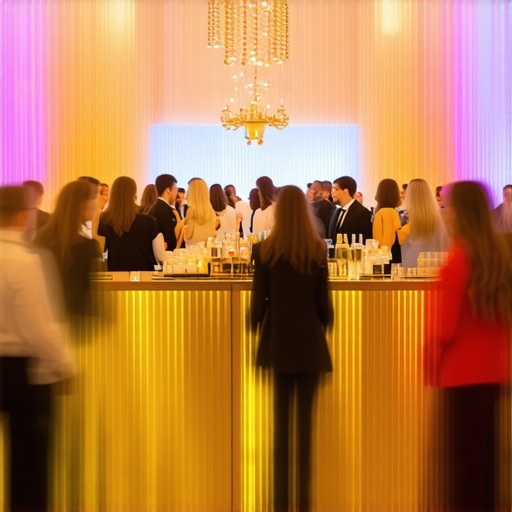
Train Your Servers to Be Invisible Energy Boosters
Your service staff are the unsung conductors of the evening’s rhythm. If they are sluggish, the room feels sluggish. I once worked an event where the server team was so poorly coordinated that they began clearing plates while the guest of honor was still speaking. It was distracting and disrespectful. You must coordinate server movements to prevent hallway traffic jams and ensure the service doesn’t overshadow the programming. High-energy service isn’t about rushing; it is about precision. Before you sign any contract, vet your caterer’s server-to-guest ratio to ensure there are enough hands on deck to keep things moving without creating a chaotic environment.
The Menu Hack That Prevents the 3 PM Crash
What you serve is just as important as how you serve it. If you load your guests up on heavy creams and refined sugars, you are essentially inviting them to fall asleep. In my experience, the most successful corporate events utilize the mediterranean meal prep tactics that keep executive teams sharp. These menus focus on healthy fats and lean proteins that provide sustained energy rather than a quick spike and crash. You must ensure that your menu needs to balance heavy and light options to cater to different energy needs throughout the night. I have seen a room transform from sleepy to electric just by swapping out a heavy chocolate cake for a bright, citrus-based dessert that refreshed the palate and the mind.
Most planners will tell you that round tables are the gold standard for ‘inclusive’ conversation. In my experience, they are actually where social momentum goes to die. If you’ve ever sat at a 60-inch round, you know the drill: you can only comfortably talk to the person on your left and your right. Anyone across from you requires a shout that disrupts the whole table. This is why round tables are killing your networking event flow. A study from the Cornell University School of Hotel Administration suggests that physical proximity and the angle of seating significantly dictate the ‘depth’ of social bonds formed during a meal. Rectangular ‘Kings’ tables or high-top tables are the secret to better networking flows because they allow for more fluid, eye-to-eye interactions without the physical barrier of a massive centerpiece.
Can a table shape really change your event ROI?
It sounds like a minor detail, but the math of human interaction says otherwise. When you ditch the buffet and look into the case for family-style business dinners, you’re not just changing how food is served; you’re changing how information is shared. 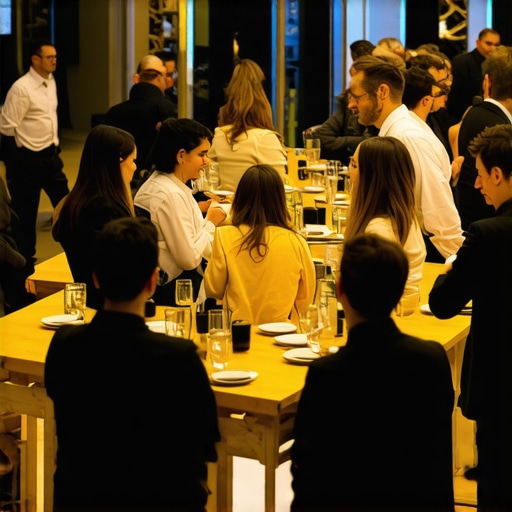 When you know how to arrange seating to encourage interaction between strangers, you transform a passive meal into an active networking tool. Have you ever fallen into the trap of using traditional seating just because the venue offered it? Let me know in the comments.
The Hidden Danger of the Service Hero Syndrome
The most dangerous ‘trap’ I see is what I call the ‘Service Hero’ syndrome. This is when a host assumes their best server should lead the kitchen team. It sounds logical—put your best person in the most stressful spot. However, why your lead server should never be the one managing the kitchen comes down to field awareness. If your lead is stuck behind the swinging doors coordinating plates, they can’t see the VIP who looks like they’re about to leave early because their drink is empty. You need that ‘eye in the sky’ to monitor the floor and utilize the server skills that make every event stand out.
Real expertise is knowing when to delegate the manual labor so you can manage the mood of the room. I’ve found that the small plate trend: why less food often means more trust is a real psychological phenomenon in business; smaller, frequent interactions with staff and food prevent the ‘heavy’ feeling of a singular big meal. Also, don’t overlook the logistics. You need to ensure your catering contract should explicitly mention leftover policies to avoid uncomfortable situations at the end of the night. It’s these tiny, overlooked legalities and layout choices that separate a ‘nice party’ from a high-performance corporate engine.
Many hosts fall for the ‘abundance myth’—the idea that an overflowing buffet is the pinnacle of hospitality. In reality, a massive buffet can lead to decision fatigue and long lines that kill the event’s pace. Instead of a mountain of food, focus on the precision of your team. This is why you should audit your server to guest ratio for VIP dinners before you sign any paperwork. A higher ratio doesn’t just mean faster service; it means proactive service. It means a server noticing a guest’s body language and offering a refill before the guest even realizes they’re thirsty. These are the expert server techniques that elevate a standard corporate gathering into a memorable brand experience. If you aren’t optimizing server efficiency to enhance event satisfaction, you’re leaving the success of your networking to chance. Using top server tips to elevate your event experience means focusing on the transition between courses as much as the food itself.
I have spent years realizing that even the best intuition cannot compete with a solid tech stack when the pressure is on. Intuition is great for choosing a color palette, but it won’t help you when three different dietary-restricted meals go missing in a room of five hundred people. After a particularly chaotic gala where I lost track of the VIP seating changes on a crumpled piece of paper, I moved entirely to digital floor-planning tools. These days, I don’t walk into a venue without my tablet synced to a live cloud-based seating chart. This is the cornerstone of mastering corporate event planning secrets to seamless success. If you are still relying on physical printouts, you are one spilled coffee away from a logistical nightmare.
The Tech I Use for Zero-Stress Execution
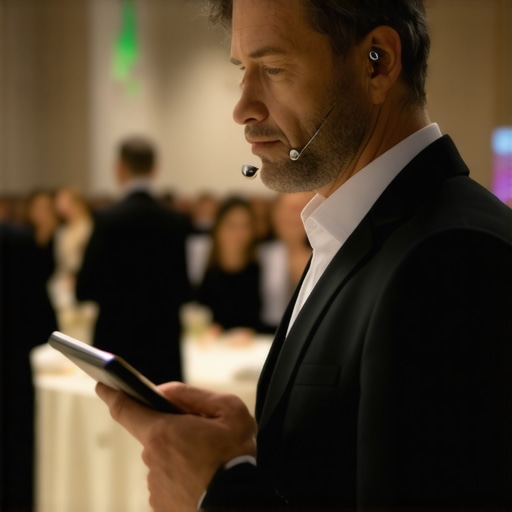
When I talk about tools, I am not just talking about software. I am talking about the physical equipment that keeps the communication lines open. I swear by the use of discreet, acoustic-tube earpieces for the entire lead team. There is nothing more disruptive to a high-end atmosphere than a loud walkie-talkie crackling during a toast. By staying connected silently, I can adjust the pace of the kitchen in real-time without the guests ever knowing there was a minor delay in the second course. This level of coordination is what defines the best corporate event servers for 2025. According to the EHL Hospitality Business School’s latest research on digital transformation in the service industry, real-time data integration and instant communication tools reduce service errors by up to 22% in high-volume environments.
How do I maintain elite service levels during a busy season?
Maintenance is where most planners fail. It is easy to have a great event in October when your team is fresh, but keeping that energy in the middle of a December marathon is the real challenge. I maintain standards through a rigorous essential checklist for successful corporate event catering that we review before every single shift—no matter how experienced the team is. This prevents ‘experience blindness,’ where seasoned pros skip small steps because they’ve done them a thousand times. You have to keep the basics sharp, from the way a napkin is folded to the timing of a water refill. Consistency is the only way to build a reputation that lasts, and it requires deep dives into the ultimate guide to corporate event catering logistics on a regular basis.
What 2025 Has in Store for Your Next Party
Looking ahead, the industry is moving toward hyper-personalization. I predict that by late 2025, we will see AI-driven guest flow sensors becoming a standard tool for large-scale events, allowing us to adjust the room temperature or lighting levels automatically based on where people are congregating. We are also seeing a shift in expectations for the top servers for a seamless wedding reception, where guests expect staff to be more like ‘event concierges’ than just food runners. Staying ahead of wedding catering trends to impress guests in 2025 means investing in people who can anticipate needs before a guest even voices them. If you want to see how these high-level strategies can work for your specific needs, feel free to contact us to discuss your next big project. My challenge for you this week: Audit your next venue’s tech capabilities—specifically their Wi-Fi stability—to ensure your digital tools actually have a backbone to run on.
Lessons Only a 14-Hour Shift Could Teach Me
If there is one thing I have learned from a decade in the trenches, it is that silence is rarely golden. In a room of three hundred people, total silence usually means the energy has bottomed out or the service has stalled. These are the lightbulb moments that changed how I approach every floor plan:
- The 10-Minute Pivot: If you see a cluster of guests yawning, do not wait for the next scheduled item. Tell the DJ to bump the tempo or have the servers do a proactive water and coffee pass immediately.
- The Invisible Hand: The best wedding catering tips from industry experts always emphasize that service should be felt, not seen. If a guest has to look for a server, the system is broken.
- Seating is Psychology: You are not just placing bodies in chairs; you are architecting conversations. A bad seating chart is a bigger mood killer than cold soup.
The Gear That Saves My Sanity Every Time
To pull off these corporate event catering strategies for success, I rely on a very specific toolkit. I never start a layout without digital scaling tools to ensure every square inch is optimized for flow. I also recommend keeping a physical copy of an essential checklist for successful corporate event catering on hand for the kitchen leads. It sounds old-school, but in the heat of service, that physical list is a tether to reality. For those looking to dive deeper into hospitality philosophy, Danny Meyer’s Setting the Table is my go-to recommendation for understanding how to manage staff and guest expectations simultaneously.
Crafting an Experience Your Guests Will Talk About for Years
At the end of the day, your event is not about the specific brand of gin at the bar or the thread count of the linens. It is about how people felt when they walked out the door. Did they feel energized? Did they make a new connection? By staying ahead of wedding catering trends to impress guests in 2025 and focusing on the physical rhythm of the room, you are doing more than just hosting—you are creating a legacy. Do not be afraid to break tradition if it means keeping the pulse of your party alive. Whether you are aiming for unforgettable wedding catering ideas for a magical celebration or a high-stakes board meeting, the principles of movement and energy remain the same. Have you ever noticed a specific moment when an event’s energy shifted? What was the catalyst? Let me know in the comments below!