

I’ll never forget the sinking feeling I had three years ago after our annual investor gala. I had spent weeks mastering corporate event planning, only to watch my carefully curated gift bags get left on the tables or, worse, tossed into the trash near the exit. Those bags were filled with luxury items from a national wholesaler—perfectly fine, perfectly boring, and completely forgettable. It was a visceral wake-up call that premium doesn’t always mean meaningful. Since then, I’ve pivoted entirely to sourcing local ingredients for our corporate gifting, and the response has been night and day. Realizing that a simple jar of local preserves carries more weight than a generic gold-wrapped chocolate bar changed everything about how I approach guest impressions.
Stop Sending Gifts That End Up in the Breakroom Trash
We have all been there. You want to show appreciation, but you are afraid of looking unprofessional or picking something that feels too casual. My early mistake was playing it too safe; I thought a generic box of crackers and shelf-stable cheese was the proper corporate way to go. It wasn’t. It felt cold. When you switch to items like small-batch jams, locally roasted coffee, or hand-poured honey, you aren’t just giving a snack; you are sharing a story. This approach is actually one of those corporate event catering strategies for success that most people overlook until they see the results. It builds an immediate bridge between your brand and the local community, making your company feel human rather than like a faceless entity. Have you ever felt that gift-giving guilt when you realize your client probably already has three identical tins of the same mass-produced popcorn?
Is Sourcing Locally Actually Worth the Extra Logistics?
I know what you are thinking. Coordinating with five different local vendors sounds like a logistical nightmare compared to clicking one Buy Now button on a massive corporate site. But here is the truth: the perceived value of a local gift is significantly higher. According to research from the American Express Shop Small movement, for every dollar spent at a small business, approximately 67 cents stays in the local community. Your clients notice that impact. They see that you took the time to find the best local honey or herbs—which is a growing trend in event favors for a reason. It shows you are invested in the roots of your city, not just your bottom line. Integrating these items doesn’t have to be a headache if you know how to vet your makers properly. You can even hire a professional to help manage the details if you are worried about the overhead of assembly. Now, let’s look at how to pick the right ingredients that actually survive the trip to your client’s office.
Build a Local Supplier Network That Actually Delivers
The biggest hurdle isn’t finding makers; it’s finding makers who can scale. You don’t want to fall in love with a specific berry jam only to realize the producer has three jars left when you need three hundred. Start by visiting your local Saturday market, but don’t just buy—interview. Ask about lead times and wholesale pricing. This is essentially part of your essential checklist for successful corporate event catering. You need to know if they can handle a surge without compromising the quality of the batch. I always ask to see their production space before signing a contract; a maker’s cleanliness and organization are the ultimate indicators of their reliability.
Skip the Fragile and the Smelly
I learned this lesson during a tech summit two years ago. I thought artisanal, unpasteurized local cheeses from a nearby farm would be a hit. By the time the guest speakers reached their hotel rooms, the scent was… overwhelming. It’s a classic mistake: why you should avoid smelly foods at professional mixers applies to gift bags too. Stick to ‘office-stable’ items. Think wildflower honey, small-batch roasted nuts, or dried heirloom fruits. They are the heavy lifters of the gifting world—robust, beautiful, and nearly impossible to ruin during a long commute or a flight home.
How to Handle Specialized Needs on a Budget
When you go local, people assume it’s expensive. It doesn’t have to be if you buy the ‘ugly’ but delicious versions for processing or focus on smaller, high-impact portions. This is the best way to handle dietary restrictions on a budget as well; many local makers offer naturally gluten-free or vegan options like seed crackers or fruit leathers that feel premium rather than like an afterthought. By choosing items that are naturally inclusive, you save money on custom packaging and avoid the logistics of tracking every individual guest’s allergy profile.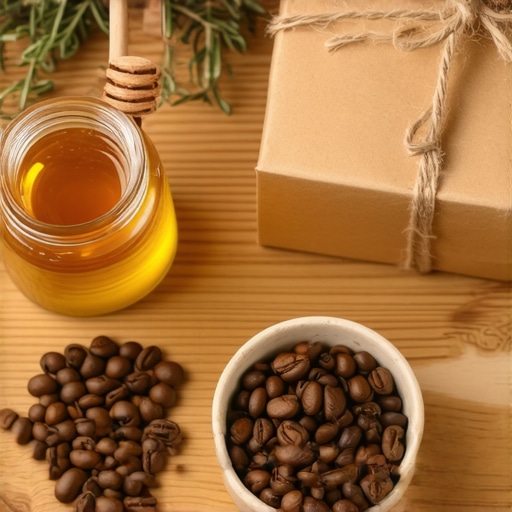
The Logistics of Putting It All Together
Treat your assembly like a high-speed kitchen line. If you are doing this in-house, you need a clear hierarchy of tasks. If you are doing this at a live event, the way your staff handles these gifts is your final brand touchpoint. I look for 3 signs your event server is a pro within seconds of meeting: posture, eye contact, and how they handle the product. You want someone who presents the local honey jar like it’s a piece of fine jewelry, not just another box to be moved. The presentation is what separates a ‘gift’ from ‘merchandise.’
Scale Your Distribution Without the Chaos
For larger gatherings, don’t just stack bags by the door. That creates a massive bottleneck and leads to ‘grab-and-dash’ behavior. Instead, integrate the gifts into the experience. You can use top server tips to elevate your event experience by having your team hand-deliver specific items during the final coffee service. It feels personalized, and it ensures no one leaves their carefully sourced local treasure behind. Think of it like a relay race: the maker runs the first lap, the planner runs the second, and your service team carries it across the finish line with grace.Most planners operate under the delusion that more bodies equal better service. I have seen gala organizers hire thirty servers for a hundred-person room, thinking they are purchasing ‘luxury.’ In reality, they are usually just creating a human traffic jam. In my experience, optimizing server efficiency to enhance event satisfaction is entirely about the choreography, not the head count. If those thirty people aren’t perfectly synchronized, they end up blocking the natural flow of conversation and the visibility of the local gifts we spent months sourcing. According to a study by Cornell University’s Center for Hospitality Research, guest satisfaction is more significantly influenced by the quality of a single, meaningful interaction than the sheer volume of available staff. This suggests that learning how to staff a 200 person reception with only 12 professionals is actually a superior strategy for creating a high-touch atmosphere.
The Hidden Trap of Venue Referral Lists
The biggest ‘oops’ factor I see with corporate clients is the blind reliance on a venue’s ‘preferred vendor’ list. It feels safe, but it’s often a trap. The hidden cost of only using preferred vendors at popular venues isn’t just the potential for inflated pricing; it’s the risk of hiring a team on autopilot. These vendors often have a ‘standard’ way of doing things because they’ve been in that ballroom five hundred times. Your unique local narrative—the story of the honey from the farm three miles away—gets lost when the staff treats it like just another line item on a prep sheet. You need a team that is hungry to innovate, not one that is comfortable in their routine. 
Focus Your Leadership Where It Matters
One nuance that separates a pro from an amateur is the placement of the lead server. Why your lead server should never be the one managing the kitchen is a hill I will die on. If your point person is stuck behind a swinging door arguing about plate counts, they aren’t on the floor observing the guests. They won’t see when a guest is confused by the artisanal packaging or when a table has been skipped during the gift distribution. Your lead should be a floor general, focused entirely on the guest experience and the presentation of your brand.
Can You Actually Scale Farm-to-Table Without Breaking the Bank?
The most common myth is that ‘local’ always means ‘bankrupting.’ When people hear the truth about farm-to-table catering quotes, they are often surprised to find it can be more cost-effective if you know when to buy. For example, sourcing local herbs and honey for gift bags is often cheaper than high-end imported chocolate if you buy directly from the producer during their peak season. The trick is to stop looking for perfection and start looking for personality. A slightly misshapen jar of small-batch preserves has ten times the character of a factory-perfect one. Have you ever fallen into this trap of choosing ‘safe’ and generic over ‘local’ and meaningful? Let me know in the comments.Maintaining that level of detail isn’t a one-man show. I rely heavily on a custom Airtable base specifically designed for small-batch inventory tracking. This isn’t just a spreadsheet; it’s an automated notification system that pings my local jam maker four months before my peak season. Without this, you’re constantly in a reactive state, begging for leftovers. It’s one of the most effective catering strategies for corporate event impressiveness because it ensures you never have to substitute local honey for a supermarket brand at the last minute. When we talk about physical tools, I swear by a commercial-grade industrial heat sealer for any dried botanical favors. It keeps the scent of local lavender or rosemary locked in, avoiding the cross-contamination of smells I mentioned earlier. 
How can I keep my local supplier network healthy year-round?
You have to treat your makers like partners, not just vendors. I make it a point to visit their farms or studios during their slow season. This builds the trust needed when you have a 500-person emergency. According to Dr. Mary Holcomb, a logistics expert at the University of Tennessee, supply chain resilience is built on ‘relational competence’ rather than just contract management. If you only call your honey supplier when you need 200 jars, you’re just another customer. If you’ve helped them forecast their year, you’re a partner. This relationship is what allows you to handle logistics like the ultimate guide to corporate event catering logistics suggests—with zero friction. You should also ensure your team is on the same page; I’ve found that why your event staff should have a synchronized break schedule is vital so that no one is mishandling these fragile local goods while half the team is off the floor.
Equip Your Team to Respect the Craft
It isn’t just about the goods; it’s about the hands that touch them. I’ve seen beautiful local gifts ruined because a server with grease on their hands grabbed the delicate linen packaging. You need to boost your corporate event with expert server techniques by training staff specifically on ‘high-value handling.’ They should understand that a jar of $15 local honey isn’t a condiment; it’s a centerpiece. This level of professionalism starts with their appearance—why professional event servers refuse to wear ill-fitting uniforms is because the uniform dictates their mindset. A sharp, well-fitted server treats the product with more respect.
The Rise of Interactive Provenance
Looking ahead to 2026, I predict we will see a massive rise in ‘interactive provenance.’ Guests won’t just want to know the honey is local; they’ll want to scan a QR code on the jar to see a 30-second clip of the bees that made it. We’re moving from ‘storytelling’ to ‘story-proving.’ If you want to stay ahead, start asking your current makers for raw footage of their process now. My advanced tip for you today: next time you source a local item, ask the maker for a one-sentence ‘handwritten’ note you can scan and print on the back of the gift tag. It adds a layer of intimacy that makes the guest feel like they’ve personally met the artisan.
The Hard Truth About Local Sourcing I Learned the Hard Way
If there is one thing I’ve realized after hundreds of events, it is that trust is your only real currency. You can have the most beautiful local honey in the world, but if your logistics fail, the story dies. I used to think I could manage every maker personally, but real growth happens when you understand the difference between a staffing agency and a service partner. You need people who aren’t just there for a paycheck, but who actually respect the artisanal goods they are handling. Another lightbulb moment was realizing that local isn’t just about the product; it’s about the server skills that make every event stand out. If your team can’t explain the origin of that small-batch preserve, it loses its magic. Stop trying to be perfect and start being authentic.
Tools That Keep My Artisanal Logistics Sane
I don’t leave my event success to chance or memory. To manage these complex local networks, I rely on a few non-negotiables. First, Airtable is my brain; it tracks every jar of jam from production to plate. Second, I highly recommend the book ‘Setting the Table’ by Danny Meyer; it changed how I view hospitality in a corporate setting. Finally, I always keep a digital directory of local makers categorized by their scale-ability. This systematic approach is why I recommend learning how to choose the perfect servers for your wedding or gala, as they are the ones who ultimately execute your vision on the ground. These tools ensure your local items feel like a curated choice rather than a last-minute scramble. #IMAGE_PLACEHOLDER_E#
Your Next Event Deserves a Real Story
Transitioning from generic mass-market gifts to local, meaningful treasures is more than a logistics shift—it’s a mindset shift. You are moving from being a purchaser to being a curator of your community’s best work. By implementing effective catering strategies for corporate event impressiveness, you create a ripple effect that supports local families while elevating your brand to a level of sophistication that no generic gift box could ever reach. Don’t be afraid of the complexity; embrace the story.
Have you ever struggled with a gift bag that didn’t quite land the way you expected? Let me know in the comments below!