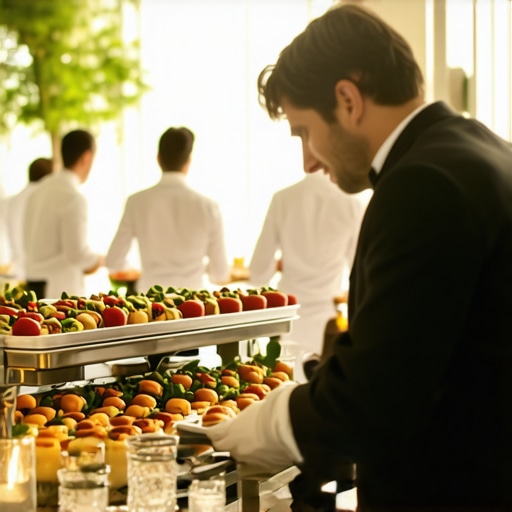
It was midnight, and I was frantically pacing the kitchen during a wedding reception, watching our servers scramble, exhausted, struggling to keep up with the endless cascade of guest requests. The bride’s dream day was slipping away amidst forgotten drinks and awkward silences. That lightbulb moment hit me hard: smooth, professional catering isn’t just about good food—it’s the backbone of a memorable experience. If you’ve ever faced chaos on your big day or during a major event, you know how a lack of trust in your catering team can turn celebration into stress. Today, I promise to share proven strategies that will help you *build trust instantly* with your catering team, ensuring flawless results every time.
The Critical Role of Trust in Catering Success
When organizing weddings or corporate events, many focus solely on the menu and decor, often overlooking the invisible yet vital element—trust. Trust in your catering team means confident coordination, seamless service, and, ultimately, happy guests. But why is trust such a sticking point? Well, from my early days managing events, I made the mistake of underestimating how much depends on *personal rapport* and *professional expertise*. One untrained server can cause delays, or worse, leave your guests with no service at all. According to industry experts, the success of your event hinges on your ability to hire *trusted servers* who prioritize guest experience over just delivering food (source).
Building that trust isn’t just about choosing the right caterer; it’s about understanding how the team operates and whether they truly align with your goals. This is often where I see clients falter—assuming all caterers are created equal. Early mistakes, like neglecting to interview potential servers thoroughly, can set the stage for disaster. Trust me, I learned this the hard way, and it cost me clients and credibility. If you want to avoid similar pitfalls, first, recognize that *trust-building is a strategic process*, not just an afterthought.
Is High-Quality Catering Actually Worth the Investment?
This is probably the biggest skepticism I encounter. Many clients question whether splurging on professional servers and premium catering is just unnecessary expense. My answer? Not at all. Think of top-tier catering as the *pillar of guest experience*. When you invest wisely in staff who are well-trained and dependable, you get peace of mind—and that’s priceless. Plus, modern trends show that 2025 will see a rise in *innovative catering ideas* that impress guests and elevate your event’s reputation—so it pays to start with a strong foundation (source).
Reflecting on my early days, I once underestimated how crucial the right servers are. I thought a good dish would carry the event, but failed to realize that without attentive, trustworthy staff, even the best menu falls flat. Trust, once broken, is hard to rebuild, and that lesson fuels my commitment to guiding my clients toward reliable, professional catering teams.
So, if you’re tired of last-minute surprises or guest complaints, it’s time to focus on building *trustworthy relationships* with your catering providers. Ready to take the next step? Let’s explore the concrete actions that will ensure your event runs flawlessly—starting now.
Vet and Select Reliable Staff
Start by interviewing multiple candidates and assess their experience in similar events. Ask about their specific roles and how they handle busy situations. I once invited a promising server without thorough questions, and during the event, they froze when multiple guests requested service simultaneously, causing delays. Afterward, I realized I needed a structured interview process to filter for calm, experienced professionals. For guidance, review how to select the right servers.
Conduct Pre-Event Training
Arrange a session to walk through your event expectations, menu details, service style, and guest handling. I recall a corporate event where I briefed servers on the unique needs of VIP guests; reactions varied until we practiced scenarios. This small effort drastically improved their confidence and service quality. Use training tips for professional servers to prepare your team.
Develop Clear Communication Channels
Establish a simple, direct communication system—be it radios or designated signals—so your team stays coordinated without confusion. During a wedding, a miscommunication about which side was serving caused a delay; a quick pre-set signal could have prevented this. Ensure everyone knows the plan by having a brief huddle before service begins. Implement and test your system beforehand to avoid surprises.
Perform Mock Setup and Run-Throughs
Simulate the event environment days before to identify potential issues. I once organized a dry run where servers missed key cues because they weren’t familiar with the layout. Afterwards, I adjusted staff positioning and clarified roles, leading to smoother actual service. Think of it as rehearsing a play—practice makes perfect. Incorporate this step regularly, especially when making menu or team changes.
Set Realistic Expectations and Boundaries
Be transparent about what your team can deliver within the event’s scope. This prevents overreach and burnout. For a large corporate event, I once asked servers to handle both drinks and desserts simultaneously, which overwhelmed them. After discussing realistic workload expectations, the team performed more efficiently. Clarify roles, responsibilities, and timelines to keep everyone aligned.
Build Trust Through Transparency and Respect
Foster an environment where team members feel valued and autonomous. During an upscale wedding, I encouraged servers to suggest improvements; their input led to personalized touches that guests loved. When staff feel respected, their commitment increases, translating to better service. Maintain open dialogue and acknowledge good performance publicly.
Incorporate Continuous Feedback
After each event, gather honest feedback from staff and clients to identify strengths and areas for improvement. I once received crucial insights about timing gaps, which we addressed in the next event. Use feedback to refine your processes, demonstrating your commitment to excellence and building trust over time.
Leverage Resources and Expert Insights
Regularly consult industry resources like trusted catering strategies and latest trends to stay ahead. Staying informed helps you adapt swiftly, maintaining a reputation for reliability and quality. Remember, building trust isn’t a one-off task—it’s an ongoing process that requires deliberate actions at every step.While it’s tempting to think that hiring a good caterer or server is just about affordability or menu choices, there’s a lesser-known but crucial aspect often overlooked: foot traffic flow and spatial dynamics significantly influence guest experience and service efficiency. Many assume that a well-designed menu compensates for poor layout or staffing, but in reality, the most seamless events are those where space and staff coordination are meticulously optimized. For instance, during a wedding reception, a common mistake is placing buffet stations in areas that cause bottlenecks, leading to guest frustration and delays. This oversight is not just about aesthetics—it’s a strategic pitfall that sabotages smooth service, regardless of the quality of food or staff training.
Expert event planners emphasize that understanding *how guests move* and *where staff can best serve* is fundamental. Moving beyond traditional setups, incorporating insights from crowd flow studies can dramatically enhance the event’s flow. For example, positioning servers near high-traffic zones rather than in isolated corners ensures quicker guest interaction and less congestion. According to a study by the International Association of Venue Managers, spatial efficiency and staff placement are among the top factors that influence guest satisfaction, even more so than menu sophistication (source).
This nuance often trips up even seasoned caterers—many focus on menu innovation or staffing levels, but neglect the spatial design elements that facilitate those services. A common trap is relying on generic layouts without customizing them for your specific venue and guest demographics. For example, narrow hallways or limited access points can turn a well-trained staff into overwhelmed performers. My advice? Conduct detailed walkthroughs, mapping guest pathways and service zones beforehand. Think of this as setting the stage—not just the decorations, but the entire flow, including where people stand, move, and gather.
Thinking about the bigger picture, it’s worth asking: Are you designing your event layout with the same meticulousness as choosing your menu? Or are you leaving this critical factor to chance? Remember, excellent service isn’t solely about the food and staff but also about *how* they come together spatially. Incorporate crowd flow insights, plan your layout strategically, and communicate these considerations clearly with your team.
Have you ever fallen into this trap? Let me know in the comments. To master this, consider exploring more about how to optimize space and movement at your next event. For detailed strategies, check out resources like top wedding catering strategies and building trust through spatial planning.
Invest in Reliable Equipment for Seamless Service
The backbone of any successful catering operation is dependable equipment. I personally swear by high-quality chafing dishes with adjustable thermostats—they keep food at the perfect temperature without hassle. Investing in commercial-grade portable warming trays ensures dishes remain hot during transit and at the event, reducing last-minute surprises. For wine and beverage service, I recommend insulated bar stations that prevent spills and temperature drops—these small touches elevate guest experience and streamline workflows.
Harness Software to Streamline Planning and Communication
Manual coordination can quickly become chaos, especially during large events. I rely on EventPro, a comprehensive catering management software, to handle everything from staff scheduling to inventory tracking. This tool allows real-time updates, which is critical when adjustments are necessary. For instance, during a recent wedding, instant access to the menu and staffing checklist enabled quick reassignments when a server called out due to illness. Modern software also facilitates communication through integrated messaging; use these features to keep the team synchronized without relying solely on radios or whispers.
Implement Consistent Maintenance Practices
Equipment maintenance isn’t glamorous, but neglecting it leads to breakdowns when you need reliable service most. Schedule regular cleaning and safety inspections for all appliances—this extends their lifespan and prevents safety hazards. I set quarterly maintenance checks for refrigerators, heating units, and portable equipment. Labeling maintenance schedules visibly ensures everyone on the team understands their importance. Remember, a well-maintained tool is the secret to sustained excellence.
How do I keep my tools and equipment in top shape over time?
Adopting a proactive maintenance routine is key. Establish a checklist for each piece of equipment, and allocate time weekly for quick inspections. Partner with trusted repair services for prompt fixes when issues arise—delaying repairs can turn minor problems into major disruptions. Also, train staff on basic troubleshooting to empower them to address simple issues immediately, reducing downtime. For high-end gear, consider external calibration and servicing—honestly, neglecting calibration can compromise food safety and service quality. According to industry reports, consistent maintenance reduces equipment failure rates by up to 40% (source). Try adopting a maintenance calendar today to keep everything running smoothly.
Prepare for Long-Term Success and Scaling
As your catering operation grows, investing in scalable tools becomes crucial. Cloud-based inventory systems and mobile POS devices enable quick expansion without sacrificing quality. Additionally, regularly review your processes—what worked for a 50-person wedding may need tweaking for a 300-guest corporate event. Staying ahead of maintenance and operational tools ensures you can scale confidently, maintaining your reputation for excellence. The future of catering will likely see more AI-driven scheduling and predictive maintenance, so staying adaptable now positions you perfectly for upcoming trends.
Get Started with One Advanced Technique Today
My top recommendation? Implement a strict equipment check-in and check-out system using barcode scanning—this reduces loss and maintains accountability. It might sound technical, but with affordable tools like barcode apps designed for small businesses, it’s accessible even for smaller teams. Start today by assigning responsibility for equipment maintenance and tracking, and watch your reliability improve instantly. Remember, in catering, little details make all the difference—so keep your tools in top shape, and your guests will thank you.
Three Lessons I Had to Learn the Hard Way in Catering Success
First, I underestimated how vital the little things are—like clear communication and attention to guest flow—until a wedding I organized turned chaotic because of overlooked spatial arrangements. Second, trusting seasoned professionals over cheaper, less experienced staff dramatically improved the guest experience; it was a lesson in valuing quality over cost. Lastly, building genuine relationships with your team fosters loyalty and exceptional service, proving that soft skills often outshine the flashiest menus or equipment.
My Go-To Resources for Elevating Catering Skills
To stay ahead, I dive into industry insights from gourmetcateringsco.com, which offers real-world strategies on perfect server selection and event flow management. I also rely on their recent guides for upcoming trends that keep my offerings fresh and reliable. Lastly, continuous learning from professional training resources ensures my team remains at peak performance, ready to impress every guest.
Your Next Step Toward Event Brilliance
Trust isn’t built overnight—it’s cultivated with attention, consistency, and a genuine commitment to excellence. As you refine your catering approach, remember that the smallest adjustments—whether in layout, communication, or staff training—can transform your events from good to truly memorable. Embark on this journey today, and watch your reputation soar as guests leave not just satisfied, but inspired. What’s one change you’re eager to implement in your next event to boost trust and ensure flawless service? Share your thoughts below and start the conversation!
![5 Hidden Food Waste Costs in 2026 Corporate Galas [Save $1k]](https://gourmetcateringsco.com/wp-content/uploads/2026/03/5-Hidden-Food-Waste-Costs-in-2026-Corporate-Galas-Save-1k.jpeg)