

I will never forget the sudden smell of ozone and the heavy, unexpected drop of rain that hit my forehead during an outdoor corporate gala in 2018. Within four minutes, a light summer breeze turned into a torrential downpour, and absolute chaos ensued. The caterers were frantically throwing plastic over the buffet, the live band was desperately dragging amplifier cords out of growing puddles, and the guests were sprinting toward a nearby pavilion that wasn’t even unlocked. As the host, I stood frozen in the middle of it all, clutching a damp clipboard. I had a beautiful, twenty-page rain plan resting in my bag, but nobody was actually executing it because everyone was too busy saving their own gear. It was a humiliating, wet disaster, and it taught me the hardest lesson of my event-planning career: a backup plan on paper is completely useless without one specific person solely dedicated to pulling the trigger. Today, we are going to look at exactly why your backup plan is destined to fail without a specialized leader, and how securing one protects your sanity, your vendors, and your investment.
The Fatal Flaw of the Paper Rain Plan
Every seasoned host knows to book a tent or secure an indoor backup room. We look at the forecast, we budget for the extra structure, and we check that box on our event planning list. But who actually calls the audible? In the heat of the moment, your caterers are focused on food safety, your professional servers are busy protecting the glassware, and you are supposed to be engaging with your VIP guests or enjoying your wedding day. If you expect your vendors to magically coordinate a massive physical transition while doing their actual jobs, you are setting up a domino effect of delays. According to industry safety standards, outdoor structures and temporary power grids require immediate, decisive shutoffs during sudden weather shifts to prevent electrical hazards. This is why you need a single, dedicated on-site coordinator whose only job is to watch the radar, communicate with every vendor lead simultaneously, and orchestrate the transition seamlessly.
Is a dedicated coordinator actually worth the extra budget?
It is easy to look at your event spreadsheet and wonder if you really need to pay for another professional coordinator just to stand around and watch the clouds. Many hosts assume their main planner or venue manager can just handle it on the fly. However, early in my career, I made the massive mistake of trying to play both roles. I was trying to coordinate a venue transition while simultaneously trying to manage the dinner service timeline. The result? The transition took twice as long, the food went cold, and we ended up with a massive bottleneck. A venue manager is responsible for the physical building, not your custom timeline or your vendor contracts. By investing in a dedicated on-site coordinator, you are buying an insurance policy for your entire event’s schedule. They are the air traffic controller who ensures that if you have to move indoors, your floral arrangements, seating charts, and dining elements shift as one cohesive unit without skipping a beat. Have you ever been caught in an unexpected outdoor event downpour where nobody seemed to be in charge?
How to Deploy a Dedicated Emergency Director on Event Day
To prevent chaos when the weather shifts, you must establish a clear chain of command before the first guest arrives. I learned this the hard way during a high-stakes outdoor product launch when a sudden windstorm threatened to blow over our delicate display structures. Instead of letting everyone panic, I appointed my lead coordinator as the sole commander of the transition. We did not wait for a group consensus; we executed the shift immediately. An event in motion is like a massive ship; it cannot turn on a dime unless one person has the absolute authority to steer. You must explicitly tell your caterers, your AV team, and your decorators that when this specific coordinator calls the transition, their word is absolute law.
Establish the Red Line Trigger Points
Do not leave the decision of moving indoors to a vague feeling. Define exact trigger points based on hard data. For example, if there is a 40% chance of rain during your setup window, or if wind gusts exceed fifteen miles per hour, the transition must happen automatically. This is especially critical if you are managing complex logistics like corporate event catering logistics, where moving heavy equipment and hot food plates requires precise timing. Write these trigger numbers directly into your vendor contracts so there is no room for debate when the skies darken.
Arm Your Coordinator with a Direct Communication Channel
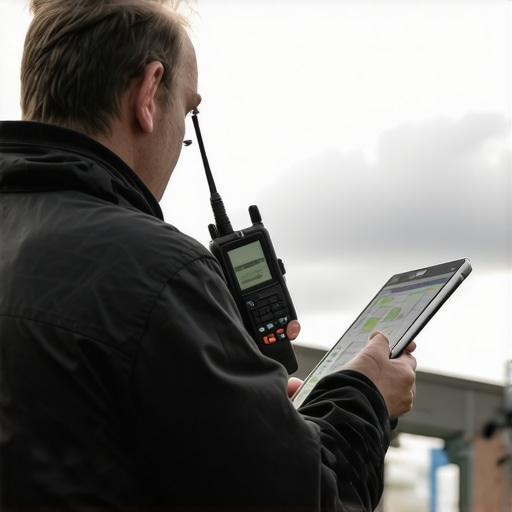
When a weather emergency hits, you cannot rely on group text messages or wandering around a vast venue to find your team leads. Your dedicated coordinator must have a direct, uninterrupted line of communication with the heads of every department. I recommend using dedicated two-way radios with discrete earpieces rather than cell phones, which can suffer from dropped signals or dead batteries. This allows the coordinator to instantly alert the kitchen, the banquet captain, and the stage manager simultaneously. When everyone hears the same command at the exact same second, you eliminate the dangerous lag time that leads to ruined decor and soaked guests.
Synchronize the Vendor Dance with Surgical Precision
Moving an entire event indoors is not just about grabbing chairs; it is a synchronized choreography. The coordinator must direct the flow so vendors do not crash into each other in narrow corridors. First, the AV team must power down and cover sensitive gear. Second, the rental team clears the path. Third, the catering staff transitions the food stations. If you are serving delicate items, optimizing your team’s movements prevents disasters. For instance, knowing how to optimize server efficiency during sudden shifts ensures your food remains hot and your glassware stays intact. By staging the move in distinct, sequenced phases, you turn a potential stampede into a controlled, professional relocation.
The Myth of the Shared Vendor Responsibility
Everyone in the event industry will tell you that a solid vendor team naturally collaborates during a crisis. In my experience, this is a dangerous fantasy. When the weather shifts or a power grid fails, your vendors do not magically form a cohesive rescue squad; instead, they retreat into survival mode to protect their specific contractual liabilities. Your florist is frantically saving delicate blooms from snapping in high winds, while your catering team is scrambling to shield expensive cooking equipment. No one is looking at the macro-level logistics of your event. To prevent this siloed panic, you need to understand mastering corporate event planning secrets to seamless success, which centers heavily on centralized command rather than hoping for organic teamwork.
What is the hidden hazard of relying on venue-provided staff?
Many hosts fall into the trap of assuming the venue coordinator will manage the heavy lifting of an emergency transition. The hard truth is that venue-provided staff work for the venue, not for your specific vision or timeline. Their priority is protecting the physical property, not ensuring your program stays on track. For instance, if a sudden storm hits, the venue coordinator’s immediate instinct is to lock external doors and shut down power outlets to protect their infrastructure, even if that means cutting off your live band mid-song. By securing your own independent leader, you ensure that someone is negotiating on your behalf to keep the party alive. According to a landmark study by the Event Safety Alliance, over 70% of outdoor event accidents occur during rapid transition phases because there is a lack of a single, defined authority to coordinate the movement of personnel and gear safely. Without this dedicated role, you risk a catastrophic breakdown in your corporate event catering logistics, leaving guests stranded and expensive assets ruined.
The Ultimate Transition Trap to Avoid at All Costs
The single biggest mistake I see coordinators make during a sudden transition is trying to move everything all at once. When you try to relocate the bar, the buffet, the seating, and the AV equipment simultaneously, you create a massive physical bottleneck at the venue doors. This is why understanding how to optimize server efficiency is so critical during high-stress moments. The move must be strictly sequenced: first, clear the guest pathways; second, move safety-critical electrical gear; third, relocate the food and beverage services. Have you ever fallen into this trap or witnessed an event that devolved into total chaos due to a sudden weather shift? Let me know in the comments below.
My Essential Toolkit for Flawless Event Maintenance and Coordination
To keep everything running smoothly without relying on pure luck, I have spent years refining a highly specialized physical and digital toolkit. I never step onto an event site without my customized digital floor-plan system, specifically synced via Allseated. This allows me to make real-time layout adjustments that instantly update on my lead captain’s tablet. For physical emergencies, I carry a dedicated, heavy-duty weather station, the Kestrel 3500. This hand-held tool measures wind speed and barometric pressure on the spot, giving me hard data to execute an emergency tent evacuation or transition before a single drop of rain falls. When you are responsible for expensive staging or protecting delicate buffet setups, guessing the wind speed is simply not an option.
How do I maintain absolute control over the event timeline during a crisis?
Maintaining a seamless flow requires continuous, incremental status checks rather than waiting for things to break down. Every 30 minutes, my lead coordinator conducts a brief silent sweep of the perimeter, cross-checking the physical state of the venue with our digital timeline. According to the ultimate guide to corporate event catering logistics, real-time tracking of food production schedules against the physical environment prevents costly service delays. If a storm is approaching, we do not panic; we simply reference our pre-programmed spreadsheet that calculates exactly how many minutes we need to relocate the dining assets. For instance, knowing how to safely transport hot elements is key, and having a venue with a backup generator for outdoor events ensures that even if we lose primary power during the hustle, our critical holding ovens and lighting systems stay live.

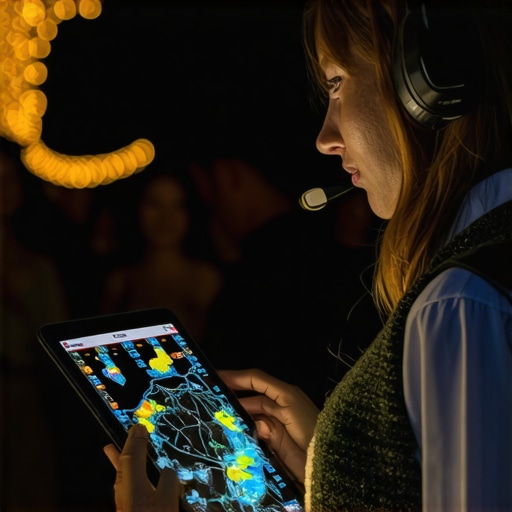
Looking ahead, the future of rapid event transitions lies in predictive AI modeling and real-time crowd-density sensors. Within the next few years, I predict we will see venue-wide sensory networks that automatically alert coordinators via smartwatches when guest bottlenecks begin to form at exit doors or bars. This technology will allow us to deploy staff dynamically to clear paths before a physical transition even begins. If you want to elevate your coordination game today, I challenge you to try this advanced tip at your next gathering: assign one team member the sole job of monitoring local micro-radar feeds via specialized aviation apps like MyRadar Pro, and give them the exclusive authority to sound the transition alarm. It will completely transform how your team handles high-pressure shifts.
What Experts Won’t Tell You About Weathering an Event Crisis
Over the years, managing high-stakes environments has taught me that the biggest threat to your event isn’t actually the rain—it is the illusion of a shared safety net. Here are three critical truths that seasoned planners keep to themselves:
- Vendors will protect their own gear first. When a storm hits, your AV team is not thinking about your timeline; they are thinking about $50,000 worth of speakers. Your caterers are frantically moving delicate food prep stations inside. This is why having a dedicated leader to coordinate the entire dance is non-negotiable.
- A venue-provided coordinator is not your personal savior. Their contract is to protect the venue’s physical property, not your schedule. If you want to keep the party moving, you need an independent advocate who prioritizes your guest experience.
- You cannot crowdsource a crisis decision. If you try to get a consensus on whether to move inside, you will delay the transition until it is too late. Trust your data, set hard trigger points, and let your coordinator pull the trigger without hesitation.
The Transition Mastery Toolkit
To execute a flawless, high-speed relocation, you need the right tools in your arsenal. These are the exact resources I rely on to keep my head cool when the skies open up:
- MyRadar Pro: I use this aviation-grade radar app to track incoming micro-storms down to the minute. It gives us the precise lead time we need to move outdoor setups before the first drop hits.
- Allseated: This digital floor-plan system is a lifesaver. It allows my team to adjust seating arrangements on the fly and syncs instantly to our tablets so we aren’t guessing where tables should go during a frantic move.
- Kestrel 3500 Wind Meter: This handheld weather station is essential for outdoor safety. When you are managing heavy structures or tents, knowing the exact wind speed helps you decide when to evacuate safely.
- A Solid Contingency Plan: Even the best coordination fails without physical infrastructure. I always make sure our clients check out this essential checklist for successful corporate event catering to ensure every logistical loose end is tied up before guest arrival.
Take Command of Your Next Event Horizon
Event planning is often a beautiful dance, but when the unexpected happens, it becomes a tactical operation. By securing a dedicated transition leader and establishing firm trigger points, you protect your sanity, your budget, and your guests’ experience. Don’t leave your hard work to the mercy of a sudden downpour. Take charge, build your contingency team, and execute with absolute confidence.
Have you ever been caught in a sudden outdoor event downpour where nobody seemed to be in charge? Let me know your horror stories—or your survival tips—in the comments below!