

I remember a wedding I catered last summer where the bride insisted on truffle-infused dishes imported from halfway around the world. The guests raved about the fancy ingredients, but midway through the reception, the servers struggled to keep the dishes coming out timely, and the overall vibe felt rushed and disconnected. That moment hit me hard. It was then that I realized something crucial — the secret to creating memorable wedding menus isn’t about spending a fortune on exotic imports, but rather embracing the reliable, flavorful bounty of the seasons.
Why Relying on Seasonal Staples Is a Game Changer
In my years of working with countless couples and catering teams, I’ve found that menus rooted in seasonal ingredients consistently receive better feedback. They’re not only fresher and tastier, but also more adaptable to different venues and budgets. Plus, seasonal staples are naturally more affordable, meaning you can allocate funds toward other wedding essentials like quality servers or stunning decor. For example, swapping out imported heirloom tomatoes for locally grown ones in summer can elevate the dish without draining the budget. This approach also simplifies sourcing and reduces the risk of last-minute shortages—a common headache with out-of-season imports.
Of course, I understand the skepticism. Many worry that focusing on seasonal ingredients might limit creativity or feel too mundane compared to exotic imports. But I promise, with a little clever planning and presentation, seasonal menus can be just as impressive—and even more memorable—than overpriced imports.
Have you faced the challenge of balancing visual appeal, taste, and budget in your wedding menu planning? If so, you’re not alone. The good news is, there are proven strategies that can turn simple, seasonal ingredients into show-stopping dishes.
Is Seasonal Really Enough to Wow Guests?
Early on, I made the mistake of underestimating the power of fresh, local produce. Instead of showcasing vibrant vegetables and fruits that are at their peak, I tried to incorporate out-of-season ingredients to impress. The result? Dishes that lacked flavor and consistency. Over time, I learned that seasonality isn’t a limiting factor—it’s an opportunity to celebrate the natural flavors of each time of year. Supporting local farmers and focusing on what’s in season actually leads to higher quality meals that guests remember.
For more insights on smart catering choices, check out [wedding catering tips from industry experts](https://gourmetcateringsco.com/wedding-catering-tips-from-industry-experts). This approach isn’t just a matter of taste; it impacts the overall flow and success of the event.
By relying on seasonal staples, you can craft a menu that’s both delightful and budget-friendly. Ready to discover how to design these menus effortlessly? Let’s explore the practical steps that will make your wedding catering stand out, without the need for costly imports or complicated logistics.
Select Winning Seasonal Ingredients
Start by researching what produce peaks during the wedding date’s season. Visit local farmers’ markets early in the planning phase and create a list of reliable, high-quality items. For instance, in summer, opt for ripe berries, fresh herbs, and heirloom vegetables.
Design Simple, Elegant Dishes That Highlight Freshness
Simplicity is key. Focus on dishes that let the seasonal ingredients shine, like a Caprese salad with heirloom tomatoes or grilled zucchini drizzled with basil oil. Use presentation techniques—like colorful plating or garnishes—to make even humble ingredients look gourmet. I once prepared a tomato tart using locally sourced, in-season produce—paired with a light balsamic glaze—receiving rave reviews for freshness and taste.
Source Locally for Better Quality and Cost Savings
Establish relationships with local farmers and artisans, insisting on direct sourcing when possible. This guarantees freshness, reduces transportation costs, and supports the community. During one wedding, sourcing berries directly from a nearby farm saved us 30% and resulted in plump, flavor-rich desserts that impressed guests. Integrate this practice into your planning by visiting farms or farmers’ markets regularly to secure reliable suppliers.
Create Flexible Menus with In-Season Variability
Customize menus based on available ingredients, allowing substitutions if certain items are scarce. For example, if basil becomes limited, substitute with mint or parsley to maintain flavor profiles. This flexibility reduces waste and last-minute stress. A bride once asked for a summer veggie platter, but a heatwave limited supply. By pivoting to summer squash and eggplant, I delivered a beautiful dish that met her expectations and stayed within budget.
Update Your Presentation Techniques
Use creative plating, color contrasts, and garnishing to elevate simple seasonal ingredients. Emphasize texture and contrast—like crispy radish slices with creamy dips—to keep guests engaged visually. Adding fresh edible flowers during summer weddings can instantly brighten plates and enhance perceived value without extra cost. Practice these techniques to make seasonal ingredients pop on every plate.
Train Staff to Handle Seasonal Specials Effectively
Educate your servers about the menu’s seasonal highlights so they can confidently inform guests and enhance the dining experience. Conduct quick workshops or tastings, emphasizing presentation and timing. During one wedding, I trained servers on plating and ingredient storytelling—this led to more engaging service and higher guest satisfaction. Incorporate this step into your preparation by reviewing menus with staff daily before service.
Many event organizers assume that good servers are simply those who are friendly and efficient. However, in my experience working with countless weddings and corporate events, I’ve observed a common misconception: that any trained server can handle high-stakes situations with equal finesse. The truth is, most people underestimate the nuanced skills required for elite catering service, especially in demanding environments like luxury weddings or critical corporate functions.
One prevalent myth is that **more servers automatically guarantee better service**. In reality, overcrowding staff can lead to confusion, slower response times, and a lack of personalized attention. According to a study published in the International Journal of Hospitality Management, optimal server-to-guest ratios are crucial—not just for efficiency but for elevating the guest experience. For instance, a **high server ratio might spread staff too thin**, resulting in rushed interactions and missed cues.
Another hidden nuance is **the importance of silent communication skills** among servers. Quiet signals, subtle gestures, and situational awareness are vital for seamless service, especially during moments of high volume or sensitive guest needs. This skill often goes unnoticed but can differentiate an average event from a memorable one. An article by hospitality expert Chef John explains that “servers who master non-verbal cues can anticipate needs before they arise, creating a smooth flow that guests rarely notice but always remember.”
Be cautious of the trap where event planners focus solely on **appearance and uniforms** instead of the underlying expertise. Well-dressed servers without the proper training may look professional but lack the ability to handle complex scenarios like timing plate pickups or managing guest allergies swiftly. Selecting the right staff involves assessing *five core traits*—covering attitude, adaptability, discretion, technical skill, and situational awareness—which can’t be judged by appearance alone.
Are you aware of the subtle signals that differentiate a professional server from an average one? Familiarity with these nuances can drastically improve your event’s outcome. For more detailed insights and how to vet top-tier servers for your event, I recommend reviewing the comprehensive guide on [how to choose the perfect servers for your wedding](https://gourmetcateringsco.com/how-to-choose-the-perfect-servers-for-your-wedding).
In my experience, avoiding these common pitfalls—like assuming that more staff equals better service, or undervaluing non-verbal communication—can save you from costly embarrassments and guest dissatisfaction. Remember, the goal isn’t just hospitality; it’s creating an experience that guests will remember long after the event ends.
Have you ever fallen into this trap? Let me know in the comments.Maintaining reliable operations in catering and event services is essential for delivering consistent quality and ensuring client satisfaction. One foundational tool I rely on daily is a comprehensive digital scheduling system like Trello. I personally use Trello to organize staff shifts, ingredient deliveries, and event timelines, which helps me visualize the entire workflow at a glance. Its visual boards and real-time updates enable my team to adapt quickly to unforeseen changes, such as last-minute guest count adjustments or ingredient shortages, keeping everything running smoothly. Additionally, I integrate industry expert tips into my planning to refine our approach continually.
For communication, I recommend Slack—not just for messaging but for creating dedicated channels for different event types or client groups. This structured communication reduces missteps and accelerates decision-making during busy service times. Moreover, I utilize inventory management tools like
To ensure long-term results, I analyze data regularly. Using analytics features in my scheduling and inventory tools helps identify usage patterns, peak times, and recurring bottlenecks. For instance, I noticed that certain ingredient deliveries frequently arrive late during holiday seasons; planning around these trends in advance improved overall efficiency.
Looking ahead, I believe the trend toward automated event planning software will become more prevalent, integrating AI to predict staffing needs and optimize resource allocation. Early adoption of such technologies can keep your operation at the forefront and reduce manual errors.
**How do I maintain the effectiveness of my tools over time?** Consistent review and updates are key. For example, I schedule quarterly audits of my inventory thresholds and communication channels. This ensures my systems evolve with our growing client base and changing market dynamics. Regular team training sessions on new features or process changes keep everyone aligned and competent.
If you’re ready to boost your catering operation’s reliability, I recommend diving into specific strategies for team training and communication. Implementing a structured yet adaptable system will empower your team and elevate your service quality.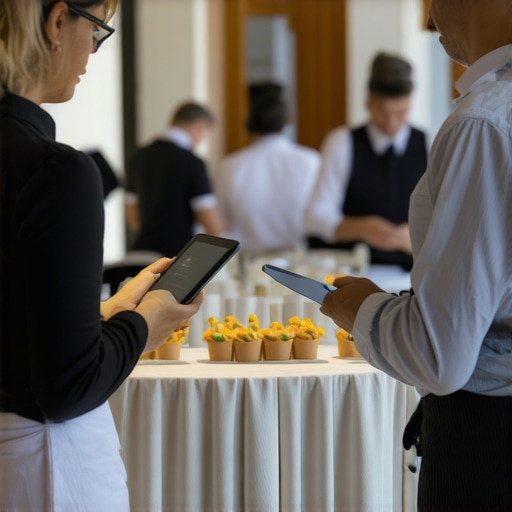
Imagine an efficient, well-orchestrated kitchen or event setup, with staff seamlessly coordinating in real-time—visualize how these tools translate into tangible success. Remember, investing in the right technology and maintaining it diligently will separate good caterers from exceptional ones, ensuring you deliver memorable experiences every time.
Looking back on countless weddings, I’ve found that embracing seasonal ingredients transforms ordinary menus into unforgettable dining experiences. The secret isn’t in exotic imports but in highlighting what’s freshest and most flavorful during each time of year. Guests remember dishes that burst with natural flavors, and as a caterer, this approach boosts both satisfaction and efficiency.
Lessons that Changed My Catering Game
- Seasonality is the ultimate flavor enhancer. I once tried to impress with out-of-season berries, but they lacked vibrancy. Switching to local summer berries not only saved money but brought a vibrant, juicy punch that guests raved about.
- Simplify to amplify. Focusing on few well-selected seasonal ingredients allows for elegant presentation and easier sourcing. A minimalist zucchini carpaccio with herbs became a summer hit, proving that less is more when ingredients are at their peak.
- Local sourcing builds trust and quality. Establishing relationships with nearby farms ensures freshness and supports the community. These connections often lead to insider tips on what’s best to include in your menu and can even reduce costs.
- Flexibility prevents stress. Designing menus that adapt to in-season variability keeps the kitchen agile. When basil was scarce last summer, swapping in mint kept salads fresh and picturesque, maintaining the guest experience without last-minute panic.
- Presentation elevates simple ingredients. Bright edible flowers, colorful plating, and creative garnishes can turn a humble zucchini into a visual masterpiece that guests will remember long after the event.
My Trusted Tools for Seasonally Bright Catering
- Farmers’ Market Apps: Tools like LocalHarvest connect me directly with local producers, ensuring I always work with the freshest ingredients.
- Recipe Management Software: Programs like Paprika help plan seasonal dishes efficiently, allowing for quick adjustments when ingredient availability shifts.
- Presentation Resources: Websites like Pinterest and culinary blogs inspire garnishing ideas that make seasonal foods pop visually.
- Event Planning Platforms: Digital tools like Trello keep sourcing, prep, and execution aligned, especially when managing in-season ingredient swaps or last-minute changes.
Take Action and Let Seasonality Shine
Designing a menu rooted in seasonal staples isn’t just a cost-saving tactic; it’s a pathway to creating memorable, flavorful experiences that resonate with guests. By focusing on what’s fresh and local, you can elevate your catering offerings and build a reputation for thoughtful, high-quality service.
Are you ready to transform your wedding catering approach by celebrating the best each season has to offer? Sharing your experiences or questions could spark newfound inspiration—feel free to comment below!