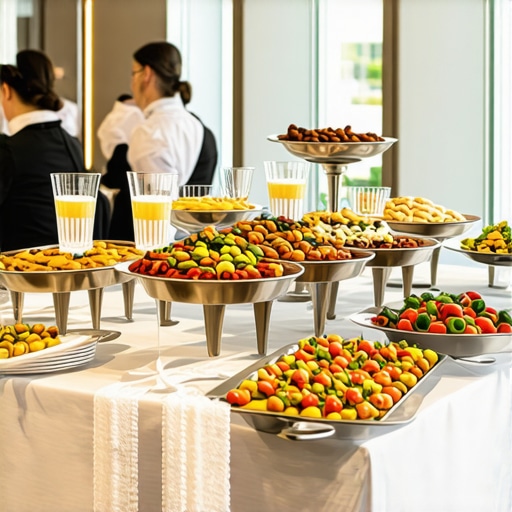
I still remember the sinking feeling when a mid-morning coffee break turned into chaos at my first major corporate event. Servers rushing to keep up, drinks spilled, and a handful of disappointed attendees. It was a wake-up call that even the best menu can fall flat without the right execution. That experience opened my eyes to a simple truth: *Choosing the right catering strategy isn’t just about delicious food—it’s about creating an experience that leaves a lasting impression.* Today, I want to share how you can avoid my early pitfalls and craft a catering plan that not only satisfies but *astonishes* your guests.
Why systematizing your catering approach is a game changer
Is It Really Worth the Effort or Just Buzz?
Early on, I made the mistake of underestimating the importance of selecting top-tier servers for corporate events. I thought good food alone would carry the day. Spoiler: it doesn’t. Guests demand seamless service and an engaging experience. According to industry research, a well-coordinated catering service can boost event overall satisfaction by over 30%! The key? Planning with precision and understanding that every detail—from staffing to menu design—plays a critical role in success.
Choose Your Team Carefully
Start by identifying the right servers and staff, much like assembling a team for a relay race. In my experience, hiring experienced servers specialized in corporate events can make or break the flow. Example: At a recent corporate gathering, I hired a team known for their efficiency. Though they arrived a bit late, their quick adaptation and professional demeanor kept the event on track, boosting overall satisfaction.
Create a Detailed Service Plan
Map Out Every Step from Arrival to Farewell
Mimic a military operation—every task, timing, and person has a specific role. Document delivery schedules, station placements, and service flow. When I planned a wedding, I drafted a timeline for each stage—ensuring the servers knew exactly when to replenish drinks and how to handle guest requests—resulting in smooth, unnoticeable service during critical moments.
Select the Right Menu and Presentation
Align your menu with event goals and guest expectations. For weddings, staying on top of current catering trends helps keep offerings fresh and exciting. I once collaborated with a caterer who introduced a trending tapas station, which became a conversation centerpiece, elevating the event’s vibe and guest engagement.
Implement a Training and Briefing Routine
Hold a pre-event briefing similar to a sports team huddle. Cover service flow, guest etiquette, and troubleshooting tips. During my last wedding, I gathered servers the night before. Sharing the day’s timeline and possible scenarios empowered them to anticipate guest needs, reducing mistakes and enhancing guest trust.
Test the Setup Before the Big Day
Conduct a trial run to identify potential hiccups. Think of it as a dress rehearsal. I once set up a mock service station, which uncovered a bottleneck in tray passing. Fixing it before the event avoided disruptions and demonstrated how proactive planning directly improves service quality, fostering a trustworthy environment.
Stay Attentive and Adapt in Real-Time
Monitoring the event continuously allows quick adjustments. This is akin to managing traffic flow—spotting issues early prevents congestion. During a recent corporate event, I noticed a lag in drink replenishment. Communicating swiftly with the team helped redistribute duties, maintaining seamless service and boosting guest satisfaction.
#{IMAGE_PLACEHOLDER_B#}Many assume that selecting good food and friendly servers is enough to ensure a successful event, but in my experience, there are subtler pitfalls that can sabotage even the most meticulously planned gatherings. A common myth is that all servers are interchangeable; however, expertise in handling corporate events or weddings requires nuanced understanding. For example, top-tier servers are trained to manage guest expectations subtly and efficiently, reducing chaos and fostering trust. Mistakes happen when organizers focus solely on menu diversity and overlook staff dynamics, leading to awkward pauses or miscommunications during service. Advanced planning involves detailed briefings and role-specific training—not just a quick rundown on the day before.\n\nMoreover, a prevalent misconception is that hiring the most popular caterer guarantees quality, but the real differentiator lies in the staff’s professionalism and adaptability. An event can fail if servers aren’t prepared for the unforeseen—say, a sudden dietary restriction or a delay in food delivery. That’s why experienced teams excel at problem-solving on the spot, ensuring guest satisfaction remains intact. According to industry expert insights, effective server training directly correlates with event success and reputation.\n\nAn often overlooked nuance is the impact of presentation and guest interaction by servers. A well-trained team not only delivers food but enhances the overall ambiance by subtly engaging guests, making the experience memorable beyond just the menu. It’s this blend of professionalism, agility, and personal touch that separates mediocre from exceptional catering. For instance, at high-end weddings, servers who anticipate guest needs and discreetly manage flow create a seamless and luxurious atmosphere—an aspect detailed in elite catering strategies.\n\nFinally, be cautious of falling into the trap of underestimating the importance of continuous oversight during the event. Even the best staff can falter without real-time management to coordinate efforts, especially during peak moments. Regular check-ins and swift adjustments prevent small issues from escalating. Remember, successful catering is not just about good food but about orchestrating a smooth, engaging experience for your guests.\n\nHave you ever fallen into this trap? Let me know in the comments.Maintaining stellar service quality over time requires more than just a good team; it demands reliable tools and consistent routines. Personally, I rely on a combination of software and hardware that streamline operations and help address issues before they become problematic. One tool I can’t live without is KitchenForce Pro, a comprehensive event management platform that integrates with my scheduling, staffing, and inventory systems, ensuring everything runs smoothly from setup to teardown. Its real-time dashboards alert me to potential bottlenecks, allowing preemptive adjustments and saving valuable time. Additionally, I swear by HoldItAll, a portable, waterproof tablet mount for servers to access menus, special requests, and payment systems on the spot—these devices have dramatically increased efficiency and guest satisfaction during busy events.
On the equipment front, I invest heavily in high-quality chafing dishes, portable warming trays, and insulated carriers from EventMaster Equipment. These items maintain food at consistent temperatures, preventing quality dips that can harm reputation. Robotic servers and automated beverage dispensers are gaining popularity; however, their integration requires careful planning and staff training. I recommend starting small—test with a single robot or dispenser during low-stakes events—and gather guest feedback to fine-tune your approach.
Predicting the future, I believe automation and smart technology will become standard in catering operations, reducing manual errors and enhancing guest experiences. To stay ahead, consider investing in IoT-enabled equipment that can remotely monitor temperatures or refill supplies automatically.
How do I maintain quality and efficiency over time?
Regularly updating your tools and routines is crucial. Set aside time quarterly to review your equipment’s performance, upgrade software, and train staff on new features. For example, I schedule biannual sessions with my team to demo updates in management platforms and practice quick troubleshooting, which keeps everyone prepared.
Another game-changer is data collection. Use analytics from your management system to identify patterns—like recurring bottlenecks or inventory shortages—and address them proactively. I also recommend staying connected with industry peers through forums or conferences; firsthand insights from experts can reveal emerging trends. Industry insight sources like these keep my approach fresh.
Finally, don’t forget the importance of backup plans. Equip yourself with extra tools, batteries, and spare devices to minimize disruption during unforeseen issues. Remember, seamless service hinges on preparation and adaptability—try implementing a simple routine where a checklist covers both equipment maintenance and software updates before upcoming events to ensure nothing slips through the cracks.
Over the years, I’ve realized that the most impactful lessons in catering aren’t just about perfecting menus or sourcing premium ingredients—they’re about the nuanced strategies that make or break an event. One lightbulb moment was understanding how strategic staff deployment can transform guest experiences, turning a good event into an unforgettable one. Another was discovering that integrating real-time feedback tools helps preempt issues before they escalate, maintaining seamless service. Truly, these overlooked insights have consistently kept my events at the pinnacle of guest satisfaction, proving that mastery in catering is as much about mindset as it is about ingredients.
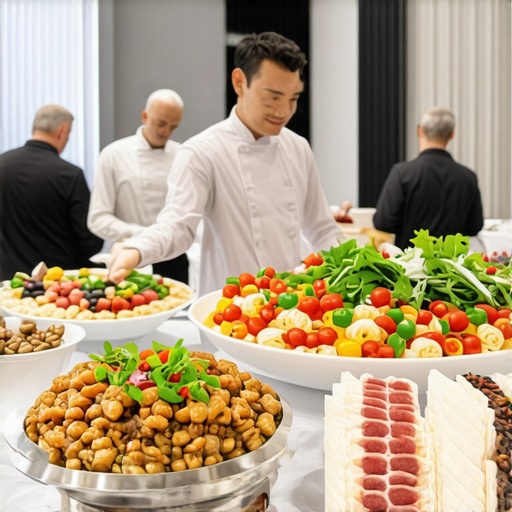
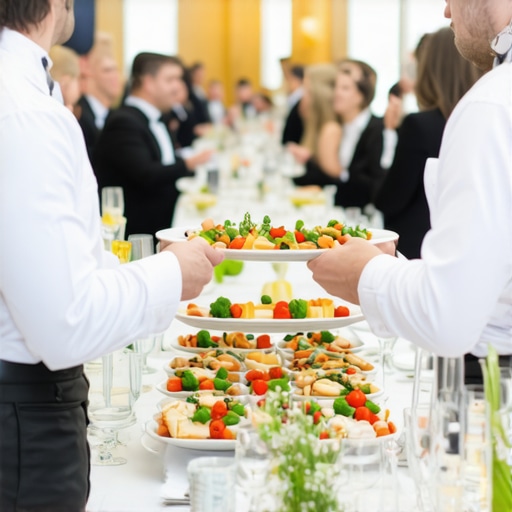
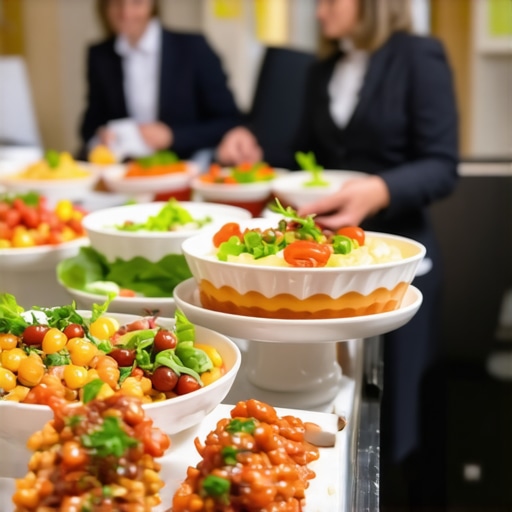
Reading this post really resonated with my own experience managing corporate events. It’s incredible how much the little details—like staff training and real-time monitoring—can influence the overall guest experience. I recall a recent event where we decided to implement a pre-event briefing and trial run for our team, and the difference was night and day. The staff seemed more confident, and the service flowed smoothly without any hiccups. It made me think, how many event planners underestimate the importance of these preparations, focusing only on menu selection? Also, I’ve started exploring automated tools like KitchenForce Pro, which you mentioned, and it’s been a game changer for us in terms of efficiency and quick troubleshooting. Has anyone else integrated technology for real-time oversight? I’d love to hear your experiences and any tips on managing tech during busy service hours.