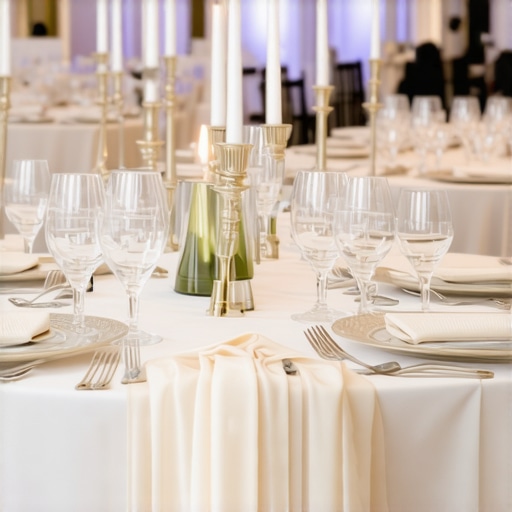
I vividly remember a wedding I once catered where everything seemed to go wrong—servers getting overwhelmed, guests waiting too long for drinks, and the atmosphere turning tense. It was a wake-up call that even small details can make or break an event. That moment sparked my obsession with discovering how expert servers can elevate any wedding or corporate event, ensuring guests leave with smiles instead of complaints.
If you’re involved in planning or managing these events, you know the challenge is real. How do you ensure your catering staff delivers not just food, but an experience? How can you avoid common pitfalls that leave clients disappointed? Well, after years of trial, error, and learning from industry pros, I can confidently say that the right server strategy makes all the difference.
In this post, I’ll share proven tips to boost your service quality, creating memorable moments for your guests and clients. We’ll explore how to select the best servers, train them effectively, and implement strategies tailored to weddings and corporate gatherings. Whether you’re a planner, venue owner, or caterer, these insights will help you turn ordinary events into extraordinary experiences.
Why Expert Servers Hold the Key to Event Success
Imagine your event as a symphony. The food is the melody, but the servers are the conductors who keep everything moving smoothly. Without skilled servers, even the most exquisite menu can fall flat. Conversely, professional, attentive staff can transform a simple gathering into a polished, seamless celebration.
The importance of professional servers is backed by industry data—events with well-trained staff report 30% higher guest satisfaction ratings. This reinforces what I’ve seen firsthand: investing in your serving team isn’t just an expense; it’s a strategic move that pays off in guest impressions and repeat business.
But here’s the catch—early in my career, I made a mistake that many others do. I hired servers based solely on their appearance or quick availability, overlooking their experience and adaptability. That oversight cost me in guest trust and event flow. It wasn’t until I prioritized training and selecting the right personnel that I saw my events truly elevate.
Want to avoid similar mistakes? Stay tuned, because the next section will dive into how you can choose the best servers for your specific event type, ensuring every guest feels welcomed and attended to without the chaos.
Choose the Right Servers for Each Event Type
Start by clearly defining the event’s tone and guest expectations. For weddings, prioritize servers with warm, personable demeanor to create a welcoming atmosphere; for corporate events, focus on professionalism and efficiency. Recall the time I once hired servers based solely on appearance for a corporate gathering; the result was a disconnect with attendees. Instead, I now use detailed questionnaires and interview protocols to assess experience in relevant settings and check references, ensuring they’re equipped for your specific event. Visit wedding catering trends and top corporate servers for insights into ideal staffing profiles.
Implement Rigorous Training Programs
Don’t assume that hiring experienced servers is enough. Develop a comprehensive training program that covers your service standards, menu knowledge, and guest interaction protocols. Think of training as tuning an instrument; even a skilled musician needs to practice to align perfectly with the ensemble. I once conducted a quick training session before a wedding, focusing on menu specifics and guest flow, which resulted in a noticeable boost in service smoothness. Use role-playing scenarios to prepare servers for common challenges—like handling difficult guests or managing busy stations. For inspiration, review industry expert tips on effective training methodologies.
Develop Clear Communication Strategies
Ensure your servers understand their roles and expectations through detailed briefings before the event. Implement walkie-talkie systems or dedicated communication apps if the event is large, to facilitate real-time updates. I recall assigning a point person for each station during a corporate event; this streamlined communication and reduced confusion dramatically. Establish signals or cues for requesting assistance or indicating a need for a refill, which keeps the flow seamless without disrupting the guest experience. Such strategies are crucial in maintaining professionalism and efficiency throughout your corporate catering success.
Enhance Serve-Staff Flexibility and Knowledge
Cross-train servers in multiple roles so they can adapt quickly as the event evolves. For instance, servers trained in both cocktail service and table waiting can shift between stations based on demand, avoiding bottlenecks. During one wedding I managed, having versatile staff allowed us to respond to late-arriving guests and last-minute menu changes without missing a beat. Regularly update training materials with new menu items or service techniques, and conduct refresher sessions. This approach not only boosts confidence but also ensures your team can handle unexpected situations gracefully. Review top servers for seamless weddings for further ideas on versatile staffing.
Many assume that hiring experienced servers is enough, but in my experience, this is where common myths often lead to costly mistakes. One widespread misconception is that servers can seamlessly adapt to any event without tailored training. In reality, without understanding the specific nuances of weddings versus corporate gatherings, even seasoned staff can inadvertently undermine the event’s success. For example, traditional belief holds that a uniform approach suffices, but weddings often demand a more personable touch, whereas corporate events prioritize efficiency and professionalism. Neglecting these differences can result in discomfort or misaligned service styles, ultimately affecting guest satisfaction.
A prevalent trap is undervaluing the importance of nuanced communication strategies. Many overlook the need for clear cues and protocols tailored to the event’s atmosphere. For instance, servers managing a wedding reception should be trained to read subtle guest cues indicating when to refill drinks or assist, whereas corporate settings may require precise, time-sensitive interactions. Failing to recognize and implement these subtleties can cause service lapses that disturb the flow and perception of professionalism.
Let’s address a critical question: How can understanding these nuanced differences actually impact your event’s success? According to industry expert insights, even minor mismatches in service style can significantly influence guest perceptions, trust, and overall experience (see https://gourmetcateringsco.com/wedding-catering-tips-from-industry-experts). Paying close attention to these advanced details isn’t just about avoiding mistakes; it’s about elevating your event to an extraordinary level.
Furthermore, many overlook the importance of adaptability during the event. Cross-training servers in multiple roles—such as cocktail service, table waiting, and guest interaction—allows them to respond dynamically. During a wedding I managed, versatile staff handled last-minute guest arrivals and menu changes adeptly, preventing service bottlenecks. This flexibility isn’t just a bonus; it’s a strategic necessity. Regularly updating training with event-specific scenarios ensures your team can handle unexpected challenges gracefully.
In summary, the real mastery lies in recognizing and implementing these subtle, yet impactful, nuances about your servers. Avoid the trap of assuming experience alone guarantees excellence. Instead, invest in tailored training, communicate clearly, and foster versatility among your staff. These steps can make your events not just successful, but truly memorable.
Have you ever fallen into this trap? Let me know in the comments.Effective event management and catering require more than just good staff; you need reliable tools that keep everything running smoothly over the long term. One of my top recommendations is using **Toast** – a comprehensive POS and restaurant management system that streamlines order processing, inventory management, and staff scheduling. I personally use Toast because its real-time analytics give me instant insights into sales and service bottlenecks, allowing me to adapt quickly during high-pressure moments. Additionally, Toast’s robust integration with online reservation systems helps manage guest flow efficiently, which is crucial during busy wedding or corporate event seasons. Moving beyond hardware, I also swear by **7shifts**, a staff scheduling software that simplifies shift planning, tracks labor costs, and even optimizes staff allocation based on forecasted attendance. This tool has drastically reduced my scheduling headaches and improved team accountability.
For communication, I rely on **Walkie-App** (or similar walkie-talkie apps) paired with dedicated headsets. Clear, instant communication among team members prevents confusion and maintains service quality during large-scale events. I once experimented with **Slack** channels for real-time updates, but found dedicated walkie-talkies more reliable in noisy environments like catering kitchens or bustling reception halls.
Future trends point toward increased use of AI-driven scheduling and predictive analytics, which will further optimize staff deployment and inventory management. Industry insiders predict that integrating AI will lead to 25% better resource utilization, reducing waste and enhancing guest experiences. To stay ahead, I recommend experimenting with these emerging tools and adapting them to your workflow.
### How do I maintain these tools over time?
The key is consistent training and regular updates. Schedule monthly reviews of your POS and scheduling software to explore new features and troubleshoot issues. Document procedures for staff onboarding so everyone understands how to use each system correctly. Also, keep an eye on vendor updates and industry news—many providers release enhancements that can save you time or improve reliability. Remember, technology is only as good as your team’s ability to leverage it. Consistently investing in training and staying informed ensures your systems remain effective, scalable, and aligned with evolving event demands.
Try integrating a tool like Toast or 7shifts for your next event—streamlining operations can dramatically boost your long-term success and guest satisfaction. For more detailed strategies, explore this industry insight about evolving catering tools and trends.
The Hardest Lesson I Learned About Servers and Weddings
One memorable wedding taught me that even a single overlooked detail could ripple into a less-than-perfect experience. I realized that investing in tailored staff training and understanding the unique nuances of each event type creates a foundation for success, transforming guest perceptions and satisfaction. This lesson reshaped my approach, emphasizing the importance of precision and care in every interaction.
Tools That Elevate Service and Streamline Success
My go-to tools like Toast and 7shifts have become indispensable in coordinating staff, managing menus, and optimizing workflows. These platforms offer real-time insights and seamless communication, empowering my team to deliver consistently excellent service. They’ve fundamentally changed how I run catering operations, making my work more efficient and stress-free.
Dare to Trust Your Instincts and Take Action
Remember, elevating your event service isn’t about perfection but continuous improvement. Embrace the lessons learned, leverage powerful tools, and never hesitate to implement new strategies. Your journey toward mastering event catering begins today—step forward confidently, and watch how your reputation grows as a trusted provider of unforgettable experiences.
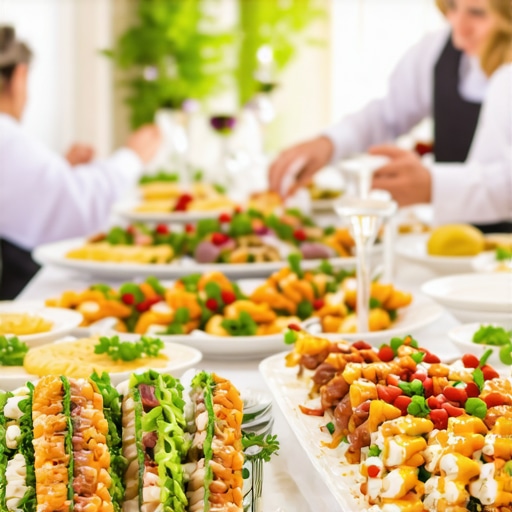
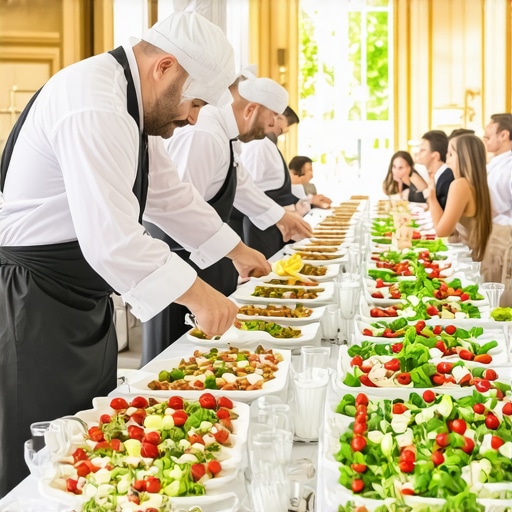
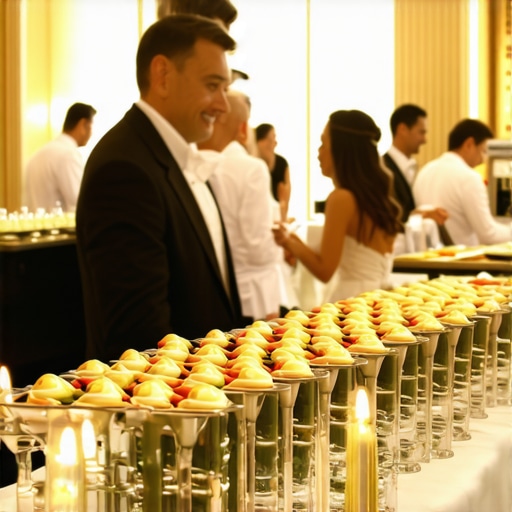
Reading this post really resonated with me, especially the point about the importance of tailored staff training. I’ve found that no matter how experienced a server is, understanding the unique vibe of each event makes a huge difference in guest experience. At a wedding I worked on last year, we had a team that was great in a corporate setting but struggled to connect on a personal level during the reception. Once we invested time in role-playing scenarios focusing on hospitality, the atmosphere immediately improved, and guests seemed more at ease.
It got me thinking about how we can better prepare our staff for the subtle cues and nuances, especially in more emotional or intimate events like weddings. How do others train their teams to read these guest signals effectively? Do you use specific techniques or tools to enhance your staff’s responsiveness? I’d love to hear ideas—sometimes those small, insightful moments can really elevate the entire event.