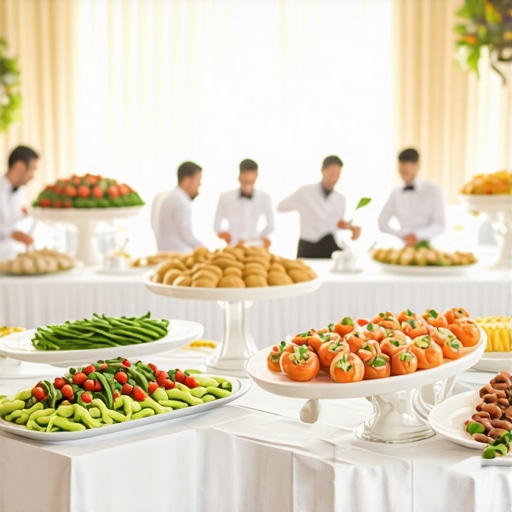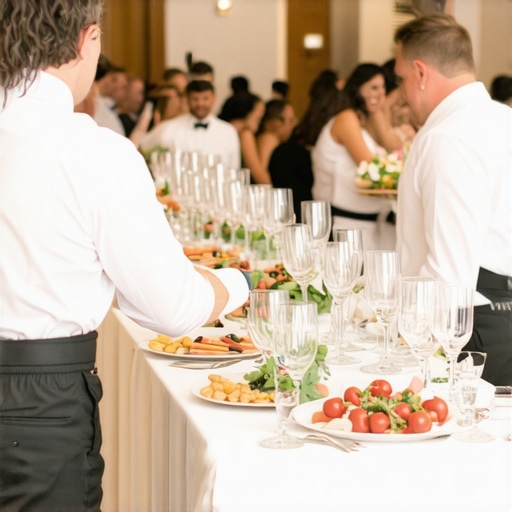
I remember walking into a wedding reception last year, watching the buffet line stretch endlessly, plates piled high. Yet, amidst the chatter and clinking glasses, I couldn’t help but notice the leftover food that went straight into the trash—tons of it. It hit me then how our love for generous hospitality often backfires, leading to massive waste, especially as we head into 2026 with new sustainability commitments.
The Challenge of Serving Enough Without Overloading
Planning a wedding meal is like walking a tightrope. You want your guests to feel pampered, to enjoy a variety of delicious dishes. At the same time, excess food not only drains your budget but also contributes significantly to environmental waste. According to the EPA, food waste accounts for approximately 22% of all landfill content, making it a major concern for eco-conscious couples and vendors alike. The question is, how can we serve beautifully without the waste?
Is Cutting Guests Still the Best Solution?
Early in my wedding planning days, I thought the solution was simple—limit the guest list. But that approach too often feels heartbreaking and can dampen the celebration. I learned that the real key lies in smarter catering strategies, not in trimming the guest count. Combined with professional guidance, such as selecting the right servers, it’s entirely possible to create an abundant, satisfying experience without ending up with mountains of leftovers. For insights into choosing top-tier servers, check out this guide.
Optimize Server Ratios for Efficiency
The first crucial step is calculating the right number of servers. Imagine planning for a 150-guest wedding; I once thought doubling the standard server count was necessary, but experienced that over-saturation muddles the flow. Instead, aim for approximately 1 server per 20 guests to ensure swift service without congestion. To refine this, consult these expert guidelines on server-to-guest ratios, which will help tailor your staffing plan based on the event scale and menu complexity.
Select Versatile and Well-Trained Staff
Next, focus on hiring or vetting your team. Think of servers as the gears in your catering machine—if they are well-oiled and synced, service runs smoothly. I recall a wedding where I hired a team lacking proper training; moments of chaos arose during peak hours, leading to delays and excess food handling. To prevent this, choose staff from providers with high ratings in trusted sources. Conduct short training sessions emphasizing timing, presentation, and waste reduction techniques—this immediately improved delivery speed and guest satisfaction.
Implement Strategic Menu Planning
Concentrate on menu design that aligns with your event goals. Think of your menu as a blueprint—complexity often breeds waste. I employed innovative catering ideas to create a selection of smaller, customizable dishes instead of large platters. This approach reduces leftovers, allows guests to choose what they truly want, and minimizes unnecessary cooking. When planning, involve your caterer to prioritize portion sizes and item combinations that are popular, saving ingredients and reducing spoilage.
Leverage Smart Serving Techniques
Efficient serving methods can drastically cut down waste and wait times. I once coordinated a plated dinner where servers pre-portioned each plate based on guest counts, akin to how a chef preps ingredients for consistency. This method prevents over-serving and ensures quality. For large events, consider strategic pre-plating or buffet setups that are thoughtfully managed by your team. Properly trained servers can swiftly answer guest needs, reducing the temptation to overindulge or take more than necessary—key in limiting leftovers.
Monitor and Adjust in Real-Time
Implement real-time oversight to respond quickly to changing circumstances. During a past corporate luncheon, I observed that some stations were underutilized while others became bottlenecks. By assigning a team leader to oversee flow and communicate needs, I was able to shuffle staff efficiently, balancing the load. Use simple communication tools—like walkie-talkies or signaling systems—to keep staff coordinated, ensuring consistent service that matches guest movement and consumption patterns. This agility prevents food from sitting unused and hampers waste accumulation.
Offer Takeaway Options and Donations
Finally, set up systems for guests to take leftovers, or coordinate with local charities. I helped a wedding where unserved food was packaged in eco-friendly containers, allowing guests to carry home portions of the meal. This practice not only reduces waste but also enhances your event’s reputation. For excess food that can’t be distributed, work with local charities committed to food rescue efforts, ensuring nothing goes to waste unnecessarily. These steps turn potential leftovers into positive guest experiences while advancing sustainability goals.
When planning a flawless wedding or corporate event, many focus on menu quality, decor, and timing, but few realize that understanding the true role of servers can make or break the experience. A common misconception is that servers are simply there to deliver food and drinks. In reality, their impact extends beyond basic service—they influence guest satisfaction, flow, and even the event’s budget. Let’s dig deeper into what most people overlook about professional servers and how mastering these nuances can elevate your event planning.
One widespread myth is that increasing the number of servers always improves service quality. This couldn’t be further from the truth. Overstaffing can create chaos, confuse guests, and unnecessarily inflate costs. According to industry experts, optimal server-to-guest ratios—such as 1 server per 20 guests—are designed not just for speed but also for seamless guest interactions. Understanding and implementing these ratios correctly is crucial; for instance, at a wedding with 150 guests, having too many servers may result in disjointed service and wasted resources, while too few can lead to delays and unhappy guests. You can explore [how to choose the perfect servers](https://gourmetcateringsco.com/how-to-choose-the-perfect-servers-for-your-wedding) for your event to avoid this trap.
Another overlooked aspect is specialized training. Many assume that servers trained for casual dining suffice for high-end events, yet the nuances of elegant service differ greatly. Skilled servers trained in the latest catering techniques—like discreet plate placement, timing of courses, and anticipatory service—not only enhance guest comfort but also reduce waste, since they can serve precisely what each guest desires. For advanced event planners, investing in [top-tier servers from trusted providers](https://gourmetcateringsco.com/top-servers-for-a-seamless-wedding-reception) ensures your team can adapt to unexpected situations smoothly.
Beyond basic service, the strategic positioning of servers influences waste management and guest flow. For example, implementing pre-plated courses during formal dinners minimizes food leftovers and prevents buffet line bottlenecks. This approach is particularly effective in events aiming for sustainability and efficiency. Interestingly, some professionals overlook that servers should not only serve but also monitor and engage with guests to gauge satisfaction and adjust service dynamically. A well-trained server can spot early signs of dissatisfaction and address them proactively, ensuring a memorable experience.
The “oops” trap many fall into is underestimating the importance of ongoing communication among servers and coordinators. Without clear, real-time communication, staff may duplicate efforts, miss cues, or cause congestion—leading to delays and increased waste. Invest in reliable communication tools or briefing sessions before the event to keep everyone aligned. This reduces errors and ensures that service adapts to the flow of the event, which is vital for high-stakes corporate gatherings or weddings.
In summary, the role of servers goes far beyond what most people see on the surface. Proper ratios, specialized training, strategic positioning, and effective communication are the hidden keys to elevating your event. Recognize these nuances, and you’ll not only impress your guests but also streamline operations and stay within budget.
Have you ever fallen into this trap? Let me know in the comments.
Maintaining a smooth-running catering operation over time demands more than just good intentions — it requires the right tools, consistent practices, and a proactive mindset. One of my top recommendations is investing in reliable communication technology, such as dedicated earpieces or walkie-talkies, which I personally use during large events to coordinate staff swiftly and avoid confusion. These tools ensure every team member stays connected, enabling quick adjustments and reducing service gaps. For example, during a 2025 corporate gala, real-time communication allowed us to shift staff efficiently between service stations, minimizing delays and waste. In the future, I predict that AI-powered scheduling and predictive analytics will further enhance long-term planning, helping caterers anticipate staffing needs based on past event data.
How do I maintain equipment and processes to stay ahead?
Regular maintenance of tools like POS systems, portable warming stations, and serving trays is crucial. I schedule weekly check-ins for equipment calibration and cleaning, which prevents breakdowns during peak moments. Additionally, training staff on software updates and new hardware ensures everyone is prepared. Implementing standard operating procedures (SOPs) for equipment use and troubleshooting also speeds up response times when issues arise. Don’t overlook the importance of documentation — maintaining logs of repairs and updates helps identify recurring problems before they become major setbacks. In addition, building relationships with trusted vendors for quick replacements minimizes downtime. When it comes to staff, ongoing training through platforms like trusted sources keeps the team sharp. The combination of excellent tools and continuous education ensures your operation remains resilient and adaptable, even as your event scale grows. Looking ahead, automation of inventory management with IoT sensors could further streamline long-term maintenance efforts, freeing you to focus on elevating guest experiences. To implement this now, start by upgrading your communication devices and scheduling regular equipment audits—small steps that yield significant reliability gains. Remember, the goal is not just to keep everything working but to make your system invulnerable to common disruptions, so you can deliver exceptional service every time.
Uncovering Hidden Truths about Service Dynamics
One of the most vital lessons I learned was that more servers don’t always mean better service. Overstaffing can create confusion, disrupt guest flow, and inflate costs unnecessarily. Understanding the optimal server-to-guest ratio—like 1 server per 20 guests—can dramatically enhance efficiency. It took me quite some time to realize that quality training and clear communication are far more impactful than simply adding more staff. This insight shifted my approach from quantity to precision, ensuring guests receive attentive yet discreet service that leaves a lasting impression.
My Go-To Resources for Catering Excellence
To stay ahead in this industry, I rely heavily on certain tools and sources. For instance, guides on selecting the right servers have been instrumental in refining my staffing choices. I also trust industry expert tips for menu design and event flow. Additionally, innovative catering ideas inspire me to create memorable menus that reduce waste and delight guests. These resources help me deliver consistent, high-caliber events time after time.
Embrace the Challenge: Your Journey Begins Now
Taking charge of your catering and service strategies can be transformative. Remember, every event is an opportunity to learn, adapt, and elevate your standards. By applying these insights—such as optimizing server ratios, investing in training, and leveraging innovative menu planning—you’ll set yourself apart in the competitive world of event hosting. Your dedication to improvement not only benefits your guests but also reinforces your reputation as a trusted professional. Now is the perfect time to put these lessons into action and watch your success grow.