

It was the moment I dreaded every time I attended a corporate retreat — standing in that never-ending, soul-draining line for coffee at 3 PM. My shoulders would tense up, standing shoulder-to-shoulder with colleagues, all of us eager for that little caffeine boost but trapped in a bottleneck of exhausted bodies and sluggish servers. One day, I finally realized something had to change. Why was I losing valuable time waiting when I could be networking, strategizing, or just catching my breath? That “lightbulb” moment shifted my whole approach, leading me to discover strategies that might just save you from the same frustration.
How to Dodge the Busy Coffee Slump Completely
Is Securing Coffee in the Peak Hours Really Worth the Hassle?
Early on, I made the mistake of assuming that queues are unavoidable during these popular times. I believed that if I arrived early or late, I’d avoid the mess. Turns out, this was only partly true. The real game-changer was learning how to predict server traffic and finalize my coffee run when it’s least expected but most manageable. This shift in perspective was inspired by insights from industry experts who recommend strategic timing and pre-placing orders as effective ways to stay ahead of crowd chaos. Adopting this mindset transformed my conference experience, freeing up time and mental space. Want to learn how to become the master of your own coffee schedule? Keep reading. We’ll explore tailored tips to help you navigate and even optimize this common retreat headache.
Are you tired of watching the clock for your coffee break, only to find yourself stuck in line? Have you faced the disappointment of missing out on networking opportunities because of an unplanned coffee detour? You’re not alone. Many professionals underestimate how much time they lose—or miss—by falling for the busy line trap. The good news is, with a few clever tweaks, you can reclaim your valuable minutes and start your afternoon energized instead of exhausted. So, let’s dive into the practical steps that can make this happen for you.
Plan Your Coffee Run Ahead of Time
Recall a time I arrived unprepared, only to join a chaotic line that stole 15 minutes of valuable networking. Instead, I now check the retreat’s schedule and identify off-peak times, such as during keynote sessions or structured activities, to slip away for coffee. Use the event’s mobile app or program to spot these windows and mark your calendar accordingly.
Leverage Technology for Pre-Ordering
When I coordinated my previous conference visit, I contacted the venue’s catering team to arrange a pre-order through their mobile app. This ensured my coffee was ready as I approached, eliminating wait time. Investigate if the retreat offers a pre-order system, or suggest this improvement to the organizers. It’s a simple step that saves minutes and keeps you present for essential conversations.
Scout the Venue’s Layout in Advance
In one retreat, I mapped out the venue, pinpointing the least crowded coffee stations. I noticed that smaller, less visible kiosks often had shorter lines. Visiting these early or during busy periods kept me caffeinated without delay. Familiarize yourself with the layout beforehand by reviewing maps or photos online—this early reconnaissance can be invaluable.
Coordinate with Peers and Colleagues
During a recent event, I teamed up with a couple of attendees to stagger our coffee breaks, ensuring at least one of us was always available for networking or sitting in sessions. Sharing a moment to switch places not only mitigated lines but also fostered camaraderie. Share plans with colleagues to optimize time and keep everyone energized.
Opt for Compact or Personal Coffee Solutions
At a large trade show, I brought a portable coffee mug with a built-in brew system. While not suitable for every setting, similar devices or premade coffees in reusable bottles can reduce dependency on station lines. This approach is especially effective when the event venue has limited catering options or long wait times.
Communicate Your Needs Clearly to Servers
Once, I approached a staff member directly, indicating my rush and asking if I could order a double shot latte to go. A polite, direct request often results in quicker service and personalized attention, especially during peak hours. Building rapport with catering staff can turn a hectic moment into a swift, satisfying experience.
Optimize During Non-Peak Hours
By visiting the coffee stations slightly before or after peak times—say, 10 minutes earlier or 10 minutes later—I avoided the lines I previously dreaded. This small shift in timing can significantly improve your experience, allowing you for more valuable engagements and less time idling in queues.
When it comes to managing servers and catering at corporate events or weddings, there’s a common misconception that being courteous and quick to serve is enough. However, seasoned event planners understand that the true mastery lies in understanding the nuanced dynamics and potential pitfalls that often go unnoticed. One widespread myth is that all servers are trained equally; in reality, many overlook specialized skills crucial for high-pressure situations, which can lead to awkward moments or delays. For instance, servers who lack experience in handling delicate dietary restrictions may inadvertently cause embarrassment or health issues, damaging your event’s reputation. Moreover, catering mistakes aren’t always about the food itself but about how it’s presented and maintained—losing heat or freshness due to poor logistics can undermine the entire experience. An advanced mistake that many overlook involves the placement of service stations. Positioning them poorly can create bottlenecks, especially during peak times, turning what should be smooth flow into chaos. According to industry expert Gourmet Catering, strategic station placement and understanding guest flow are critical for success. Additionally, there’s an often ignored nuance in catering insurance and contractual clauses. Event planners sometimes assume that standard coverage is sufficient, but hidden exclusions may leave you liable for damages or service failures. This oversight can result in unexpected costs and diplomatic issues, especially at high-stakes events like weddings or corporate launches. From my experience, a common trap is relying solely on generic vendor advice without digging into the specifics or consulting industry professionals. This can lead to mismatched expectations and last-minute surprises. To truly excel, consider investing in specialized training for your service staff, mapping out precise station placements, and thoroughly reviewing contracts and insurance policies. These steps transform good events into unforgettable experiences. Ready to elevate your next event? Dive deeper into expert server techniques and catering strategies at Gourmet Catering. Have you ever fallen into this trap? Let me know in the comments.
Invest in Reliable Equipment and Software for Seamless Service
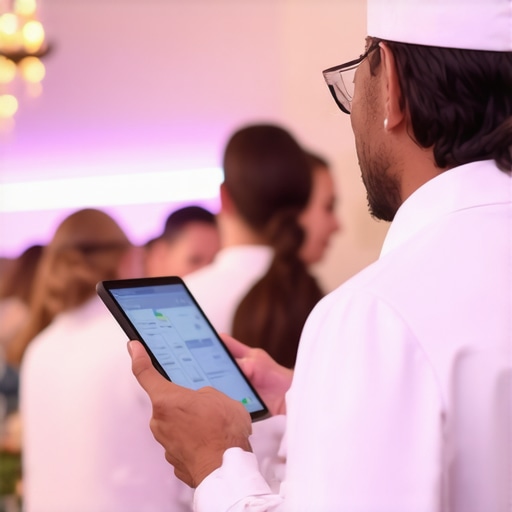
When managing servers, catering, or event logistics, having dependable tools is essential. I personally rely on the TouchBistro POS system for its intuitive interface and real-time inventory tracking, which helps me coordinate orders efficiently during high-pressure moments at weddings or corporate events. Its offline mode ensures operations continue smoothly even if Wi-Fi drops unexpectedly, preventing disruptions that could compromise guest experience.
For managing staff schedules and communication, I recommend Slack with customized channels dedicated to different event departments. This setup allows my team to receive instant updates and coordinate tasks without miscommunication, saving valuable time and reducing errors. The integration with tools like Google Calendar ensures everyone stays on the same page regarding timed service windows.
Utilize Maintenance Plans to Extend Equipment Longevity
Regular maintenance of catering equipment, such as coffee machines and warming stations, can drastically reduce breakdowns during critical moments. I schedule routine check-ups using manufacturer-specific maintenance modules and keep a log of service dates. For instance, cleaning espresso machines daily and scheduling quarterly professional tune-ups keeps them functioning at peak performance throughout the busy season.
Predictive Analytics for Long-Term Success
Adopting systems with predictive analytics capabilities helps me forecast staffing needs and supply requirements based on historical data. For example, analyzing past wedding catering volumes informs me during the planning phase, enabling proactive adjustments. This foresight prevents overstocking or shortages, ultimately saving costs and maintaining guest satisfaction.
Preparing for Scale: Tools to Grow Your Service Capacity
As your event business expands, scalable tools become crucial. Cloud-based platforms like UpServe offer modular features that grow with your needs. They streamline order processing, inventory, and customer relationships, allowing me to handle larger corporate events without sacrificing quality. Transitioning to these flexible systems early positions your operation for sustainable growth.
How do I maintain excellent service over time?
Consistent training, routine equipment checks, and leveraging advanced tools ensure the highest standards are upheld. I also stay updated on industry trends by subscribing to newsletters from experts like Gourmet Catering, which offers insights into innovative service practices. Regularly reviewing your processes and investing in staff development keeps your team sharp and your service top-notch.
Looking to take your event services to the next level? Try implementing predictive analytics in your planning—it’s a game-changer for proactive management and scaling successfully. Stay ahead by continuously evaluating your tools and maintenance routines, ensuring your services remain reliable and memorable for every occasion.
Lessons That Changed My Approach to Event Service
Over years of managing countless events, I discovered that the biggest lesson wasn’t just about good logistics but about anticipating pitfalls before they arise. I learned that standing in long lines, whether for coffee or service, can inadvertently dampen the entire guest experience. Real progress came when I stopped reacting and started proactively designing systems that prioritized flow, communication, and guest comfort. A personal epiphany was realizing that minor tweaks—like pre-planning station placements or staff briefings—could transform chaos into effortless elegance.
Another insight was understanding the importance of training staff not just technically,but in soft skills that foster genuine guest engagement. This human touch often outweighs the most sophisticated equipment or menu. Moreover, trusting industry resources such as Gourmet Catering has been instrumental for me in staying ahead of the curve and honing my team’s capabilities.
The Treasure Trove of Tools and Knowledge for Elevating Events
My essential toolkit includes the Ultimate Guide to Event Planning, which offers comprehensive insights on managing complexities behind the scenes. For streamlining staff coordination, I rely on Effective Communication Tools like Slack, ensuring everyone stays synchronized. Additionally, investing in reliable equipment such as cutting-edge catering technology has made a tangible difference in service speed and accuracy. And don’t overlook the power of routine maintenance and predictive analytics from providers like industry-leading systems, which help forecast needs and prevent disruptions before they happen.
Embrace the Change and Craft Memorable Celebrations
Every event is a chance to inspire and elevate, especially when armed with the right knowledge, tools, and mindset. Whether you’re refining server techniques or optimizing your catering logistics, taking proactive steps ensures your guests enjoy seamless moments and contented smiles. Your next event can be more than just successful—it can be transformative for everyone involved. So, why wait? Dive into the resources, experiment with new approaches, and embrace the journey of mastery in events that leave a lasting impression.
What’s been your biggest breakthrough in managing event service efficiently? Share your experience below—I love hearing how others create magic behind the scenes!