

It was a moment I won’t forget. Serving dozens of guests at a bustling wedding reception, I watched helplessly as the once-perfect pasta dish transformed into a soggy, unappealing mess within minutes. Just when I thought I had everything under control, my tray of al dente noodles drowned in steam and sauce, leaving everyone disappointed. That lightbulb moment made me realize: preventing soggy pasta isn’t just about luck—it’s about strategy. Today, I’m here to share proven techniques to keep your pasta crisp and delicious, even in the busiest buffet lines.
Why Soggy Pasta Can Ruin Your Event and How to Stop It
Large buffets often feel like a battle against time and moisture. Guests expect their food to look appetizing and taste fresh, but without proper planning, pasta tends to absorb excess moisture, turning into a sticky, limp disaster. This isn’t just a minor inconvenience; it can impact your event’s reputation and leave guests wondering whether they missed the whole point of the meal. I’ve seen countless catering mishaps where soggy pasta overshadowed all other efforts to impress.
One thing I learned early on is that moisture is the enemy. According to industry experts, condensation and steam become trapped in trays, quickly degrading the texture of delicate dishes like pasta. This is why understanding the science behind moisture control is crucial for any caterer or event planner. If you’ve ever faced this problem firsthand, you’re not alone. The good news is, with a few simple tricks, you can keep your pasta fresh, appealing, and perfectly al dente throughout your event.
Ready to discover these techniques? Let’s dive into how you can master the art of serving crispy, flavorful pasta at your next big gathering.
Is Overcoming the Soggy Pasta Trap Really Possible?
One common misconception is that keeping pasta crispy is impossible in a large setting. I used to think so, too—until a mistake I made early in my career taught me otherwise. I once piled a huge tray of hot pasta into a standard chafing dish, assuming the heat would keep it warm and fresh. Instead, I ended up serving a mass of soggy noodles because I overlooked the importance of moisture management. Since then, I’ve experimented with various techniques that have proven effective.
By implementing better insulation, ventilation, and timing strategies, I now avoid the soggy nightmare. If you’re tired of serving limp pasta or wasting food, stay tuned. The upcoming sections will walk you through practical, easy-to-apply methods that turn this problem around. Plus, I’ll share insider tips from top catering pros, so you can elevate your buffet game and leave guests raving about your presentation.
Choose the Right Equipment to Prolong Freshness
Start with the cooking vessel—use a large, shallow pot that allows for quick draining and cooling. Once cooked, spread the pasta on a sheet tray lined with parchment paper to halt the cooking process immediately. This step prevents continued heat absorption, which can lead to sogginess. I once prepared a big batch of pasta this way and transferred it into a pre-cooled container; the result was pasta that remained firm and delightful for hours.
Use Insulated and Ventilated Serving Containers
Opt for containers designed for heat retention with adjustable vents—these allow excess moisture to escape while maintaining temperature. During a wedding in a humid climate, I used insulated containers with vented lids, which significantly reduced condensation buildup. This technique ensures steam escapes, keeping the noodles from becoming sticky.
Timing Is Everything When Serving
Coordinate your cooking and serving schedules precisely. Cook pasta in batches just before service begins, and keep it in a warm, well-ventilated area. Avoid holding pasta for long periods—serve it in stages rather than all at once. For example, at a corporate retreat, I coordinated with the kitchen to deliver fresh pasta every 30 minutes, ensuring optimal texture and guest satisfaction.
Implement Rapid Tossing with Sauce
Instead of mixing pasta with sauce well in advance, toss smaller portions directly before serving. This prevents sauce saturation that accelerates sogginess. I found success in quickly tossing pasta with a light layer of sauce seconds before plating, which maintained its al dente feel.
Control Humidity and Steam During Service
Manage the environment by placing fans or small fans inside serving areas to circulate air and prevent moisture accumulation. During a summer outdoor event, I used portable fans directed at the serving trays, which kept the pasta from collecting steam and maintained its texture. 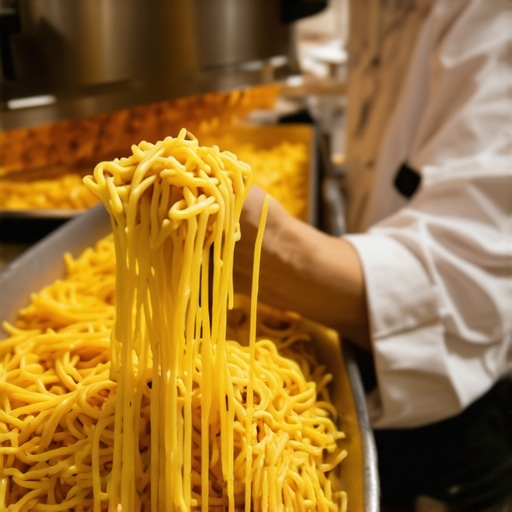
Prepare for Peak Moments with Pre-Positioned Servers
Have your serve team ready to plate and distribute pasta as guests approach. Proper staffing reduces the need to hold pasta for longer periods. Check out top server tips to learn how to optimize your team’s efficiency. By implementing these concrete steps, you’ll prevent soggy pasta from ruining your event and deliver memorable dining experiences that impress every guest.Many believe that catering success hinges solely on great food and attractive presentation, but in reality, the nuances of staffing and logistical planning often make or break an event. A common misconception is that servers are interchangeable commodities; however, seasoned professionals understand the importance of specialized skills tailored to weddings, corporate functions, or upscale galas. For example, a server trained specifically for high-pressure scenarios can manage multiple tables silently and efficiently, ensuring seamless guest experiences. This expertise is often overlooked during vendor selection, leading to misaligned expectations and subpar results. Moreover, there’s a myth that rushing service will impress guests—yet, rapid, sloppy service damages credibility and erodes enjoyment. Industry experts recommend meticulous staff training and detailed pre-event briefings to align team performance with event goals. Did you know that even subtle details, like server positioning and zone management, can influence overall satisfaction? According to a study published in the Journal of Hospitality Management, well-trained servers significantly boost guest perception of quality and professionalism. Understanding these layers of nuance can prevent costly mistakes and elevate your events from ordinary to extraordinary. Check out top server tips to learn how to fine-tune your staff’s performance. Don’t underestimate the power of specialized staffing—it’s the secret ingredient that distinguishes a memorable event from a forgettable one. Have you ever fallen into this trap? Let me know in the comments.Maintaining top-notch service during large events demands the right equipment and meticulous planning. I personally rely on high-quality chafing dishes like the Cambro Camservers, which feature insulated bodies and adjustable vents to regulate moisture and heat effectively. This allows me to keep dishes like pasta at optimal textures without risking sogginess, even after hours on the buffet line. Additionally, investing in portable, battery-operated fans such as the OPOLAR Desktop Fan helps circulate air around serving stations, preventing steam buildup that can compromise food quality. For better coordination, I use digital ordering and kitchen display systems like TouchBie, which streamline communication between the kitchen and servers, ensuring timely replenishment and reducing long hold times that cause deterioration.
When it comes to long-term results, consistent maintenance of your equipment is vital. Regular cleaning of vents, replacing worn seals, and calibrating temperature controls can extend the lifespan and performance of your tools. I schedule weekly check-ups and document any issues to prevent unexpected breakdowns during critical moments. Moreover, having backup equipment, such as extra chafers and portable fans, ensures your service remains uninterrupted if technical problems arise.
Looking ahead, the trend in catering tools is moving toward smarter, IoT-enabled devices. Sensors that monitor temperature and humidity remotely assist in maintaining perfect conditions without constant manual checks. For example, smart temperature probes connect to your smartphone, alerting you instantly if a dish drops below its safe temperature, aligning with food safety standards outlined by industry authorities.
How do I maintain equipment over time? Regular cleaning, calibration, and proactive replacement are key. Establishing a routine ensures tools function correctly and reduces costly last-minute repairs. To give your operation an upgrade, try integrating a smart temperature monitoring device into your buffet setup. It’s a game-changer that helps deliver consistent quality and impresses clients with your professionalism.
The Hardest Lesson I Learned About Catering and Service Excellence
Early in my career, I underestimated the power of seamless communication with my server team. A simple miscommunication led to hot pasta arriving cold—a frustrating experience for guests and a personal lesson in the importance of pre-event briefings. That moment taught me that technical skills are only part of the equation; effective coordination is what transforms good service into unforgettable moments.
I also discovered that focusing solely on the visual presentation can be misleading. Dining is a multisensory experience—flavors, textures, and timing matter just as much as appearance. This realization changed my approach from purely aesthetic to holistic, emphasizing timing and environment management to keep food at its best.
Lastly, I learned that adaptability is key. No matter how meticulously you prepare, unforeseen issues—like equipment hiccups or last-minute guest surges—will occur. Having contingency plans, quick decision-making skills, and a calm demeanor make the difference between a minor hiccup and a disaster, truly elevating the service experience.
My Essential Arsenal for Catering Success
When it comes to tools, I rely heavily on high-quality chafing dishes like those from industry trusted brands. Their insulated design and adjustable vents help regulate moisture, preventing sogginess. For environmental control, portable fans such as the OPOLAR Desktop Fan are indispensable—they keep steam moving and maintain food texture, even in outdoor settings. Furthermore, digital systems like TouchBie streamline communication between kitchen and service staff, ensuring timely replenishment and reducing hold times that can compromise food quality.
Continuing education is vital. I stay updated on innovative catering trends and equipment through industry reports and attending workshops. Connecting with seasoned professionals via platforms like top server tips has broadened my perspective, ultimately enriching my service quality and guest satisfaction.
Embrace the Challenge to Elevate Your Craft
Every catering event offers an opportunity to refine your skills and redefine excellence. The journey involves continuous learning, investing in reliable tools, and fostering clear communication. Most importantly, trust your instincts—every challenge you overcome sharpens your artistry and crafts memorable dining experiences that leave a lasting impression. What’s the one lesson about service that you wish you’d known earlier? Share your story below and let’s grow together.