

It was clear within the first five minutes of my wedding reception that the salads weren’t going to hold up. The sun blazed down, and I watched in horror as a sea of wilted greens and dripping dressings greeted guests. That moment of realization hit me hard—I’d been so focused on themes, music, and floral arrangements that I overlooked one of the most crucial details: keeping the food fresh in an outdoor setting. If you’ve ever hosted or attended a large outdoor wedding, you know exactly what I mean. That soggy salad smell isn’t just annoying—it’s a sign that something’s gone wrong.
Preventing the Salad Sog Spill: Why It’s More Than Just Appetizer Etiquette
Do you want your guests raving about your wedding long after the last dance, or do you want them remembering the unappetizing, droopy greens? Your answer to this question can make or break your celebration. From my personal experience, the difference often comes down to a few strategic choices. I learned this the hard way, early on, making the mistake of assuming that a typical chilled salad station would suffice outside. Trust me, that mistake taught me the importance of planning for environmental challenges.
According to a recent industry report, over 68% of outdoor events face food spoilage issues due to inadequate temperature control. That’s not a small number! It’s a stark reminder that, beyond aesthetics, practical solutions are essential to keep everything tasting as fresh as intended. Whether you’re planning a wedding or any large outdoor gathering, understanding how to handle perishable items in the heat can save your event from disaster.
Are you worried about your own upcoming outdoor event’s food freshness? If so, you’re not alone. From my early days, I fell into the trap of underestimating how quickly food deteriorates without proper protection, especially in the sun. This oversight led to a soggy salad that everyone politely tried to mask, but I knew I could do better. And now, I want to share the steps I’ve learned—straight from my experience and industry experts—to prevent this from happening at your next celebration.
So, let’s roll up our sleeves and dive into the practical strategies that’ll keep your salads crisp and your guests happy. We’ll explore not just the best practices, but also the common pitfalls to avoid, so you don’t repeat my mistake. Ready to make your outdoor wedding a tasty, refreshing success? Great! We’re about to turn that soggy salad nightmare into a thing of the past.
Use Insulated Containers for Pre-Chilled Ingredients
Start by chilling your salad ingredients in insulated containers before setup. This creates a cold barrier that slows down temperature rise. During my last outdoor wedding, I used iced-filled coolers for leafy greens and vegetables, which kept them crisp for hours, even in the sun. This simple step prevents ingredients from warming quickly, maintaining freshness and appearance.
Employ Portable Refrigeration Units or Ice Packs
Invest in portable refrigeration units or pack large quantities of ice packs around your salad stations. Ice packs placed beneath trays or inside coolers maintain a consistent low temperature. At one event, I placed salads on ice-filled trays with insulated lids, ensuring temperature stability. This prevents sogginess caused by ambient warmth, especially during peak heat periods.
Choose Sturdy, Non-Absorbent Serving Vessels
Select bowls and containers made of materials like acrylic or stainless steel, which resist heat transfer and don’t absorb moisture. For a recent wedding, I replaced fragile ceramic bowls with stainless steel ones, which reflected heat and stayed cooler longer. This choice reduces condensation and sogginess, keeping salads visually appealing and crisp.
Implement Strategic Placement and Shade
Set up salad stations in shaded areas or use portable tents. Positioning away from direct sunlight slows warming. During a wedding reception, I arranged salad tables under large umbrellas and added movable shade screens. This dramatically extended salad freshness and prevented wilting, especially during midday outdoor events.
Serve Small Batches at a Time
Prepare and replenish salads in small portions throughout the event rather than presenting large quantities at once. I learned this the hard way when I prepped a massive salad bowl, only to see it wilt within an hour. Instead, I divided the salad into smaller bowls, replenishing as needed, which kept the greens crisper and reduced waste.
Utilize Cold Plates or Chilled Serving Trays
Pre-chill serving plates or trays in a cooler before placing salads on them. Cold surfaces absorb heat from the salad, slowing down wilting. At a recent outdoor wedding, I used refrigerated gel packs under serving trays, which contributed to maintaining optimal salad texture for longer periods.
Train Staff on Rapid and Appropriate Service
Ensure servers are trained to bring out fresh salads promptly and to replace any that show signs of wilting. Quick service minimizes the time salads sit exposed to heat. I coordinated closely with my catering staff, emphasizing swift refills and minimal table downtime, which paid off in maintaining salad quality throughout the reception.
Many assume that hiring professional servers or catering companies guarantees a seamless event, but in reality, there are subtle complexities that often go unnoticed. One common myth is that all servers are interchangeable; however, without the right expertise, even seasoned staff can inadvertently cause disruptions. For instance, quick recognition of guest needs and discreet service are skills that differentiate average servers from top-tier professionals. According to industry expert advice, such as detailed in [Gourmet Catering’s top server tips](https://gourmetcateringsco.com/top-servers-for-a-seamless-wedding-reception), training staff to anticipate and respond silently can elevate the entire experience.
An advanced mistake many overlook involves the strategic placement and training related to dietary restrictions and special requests. Catering to diverse dietary needs isn’t just about offering gluten-free or vegan options—it’s about integrating these seamlessly into the event flow. Failing to do so may lead to awkward moments or delays that diminish guest satisfaction. For example, in corporate events, neglecting to have a clear system for managing allergy-conscious meals can cause embarrassing situations and even health risks.
Another nuanced pitfall appears in the coordination between event staff and venue limitations. Relying solely on a venue’s baseline services without understanding its infrastructural constraints can result in service lags. For example, some venues lack dedicated kitchen access, making it critical to choose catering strategies aligned with their capabilities. To avoid this, comprehensive planning that includes venue restrictions and equipment needs is vital. Checklists like [Gourmet Catering’s success checklist](https://gourmetcateringsco.com/essential-checklist-for-successful-corporate-event-catering) can help identify potential friction points ahead of time.
For the sophisticated planner, understanding the importance of timing and server positioning can prevent bottlenecks. Advanced service techniques, such as staggered plating or strategic station placement, ensure guest flow remains smooth, especially during popular moments like speeches or speeches. Furthermore, employing technology—such as walkie-talkies or digital order systems—reduces miscommunication and enhances coordination.
Have you ever fallen into this trap? Let me know in the comments.
Recognizing these hidden nuances allows you to elevate your event from good to extraordinary. It’s not just about hiring professionals but about understanding and implementing the fine details that define success. For wedding-specific strategies, exploring [gourmet trends for 2025](https://gourmetcateringsco.com/wedding-catering-trends-to-impress-guests-in-2025) can inspire innovative service ideas. Similarly, for corporate functions, mastering logistics through detailed planning can dramatically improve guest experience, as outlined in [corporate catering strategies](https://gourmetcateringsco.com/corporate-event-catering-strategies-for-success). Ultimately, the key is in the preparation and nuanced understanding of what truly makes a seamless, memorable event.Managing large-scale events like weddings and corporate gatherings requires precision and reliable tools to keep everything running smoothly. One essential piece of equipment I swear by is the portable Wi-Fi hotspot device, such as the Verizon Jetpack. It ensures seamless internet connectivity for event staff and enables real-time communication, which is crucial during high-pressure moments. I personally rely on the Netgear Nighthawk M6 because of its superior speed and battery life, minimizing downtime when coordinating between teams. These devices are vital for coordinating last-minute adjustments, managing digital checklists, or accessing online resources on the fly. Additionally, investing in high-quality two-way radios, like the Kenwood TK-3402U16P, has transformed how I communicate across sprawling venues. Clear, instant communication with servers and coordinators reduces errors and improves guest experience.
For managing server efficiency, I recommend employing digital ordering systems such as Tock or CaterTrax. These platforms not only streamline order processing but also provide data analytics to forecast staffing needs and adjust workflows in real time. I’ve found that integrating a tablet-based system eliminates the bottlenecks typical of traditional paper orders. The ease of updating menus or handling dietary restrictions ensures a smoother service, especially during peak times.
To keep long-term results consistent, I implement regular maintenance routines, including routine software updates and hardware checks. For example, firmware updates for my wireless devices often include security patches and performance enhancements, preventing disruptions during critical moments. Scheduling monthly equipment audits helps avoid breakdowns and ensures everything functions optimally. In this arena, cybersecurity tools like VPNs are game-changers—protecting client data and staff communications from potential breaches.
Looking toward the future, I predict that automation and IoT devices will become indispensable. Smart temperature sensors embedded in catering stations can alert staff proactively if food items approach spoilage temperatures, reducing waste and ensuring safety. Similarly, AI-driven scheduling tools will optimize staff deployment based on guest flow analytics, saving time and costs.
<-- How do I maintain equipment and tools over time? -->
The key lies in establishing a disciplined maintenance schedule. Regularly clean and calibrate hardware, update software promptly, and monitor performance metrics. Additionally, cultivating good relationships with trusted vendors ensures quick support when technical issues arise.
Remember, the secret to an efficient, memorable event isn’t just good planning but also having the right tools at your fingertips. Don’t hesitate to try out my preferred digital ordering platform or equipment maintenance routines—they can make a surprising difference in your event execution. For more insights on elevating your event logistics, consider exploring industry trends such as those highlighted in [wedding catering trends for 2025](https://gourmetcateringsco.com/wedding-catering-trends-to-impress-guests-in-2025).”}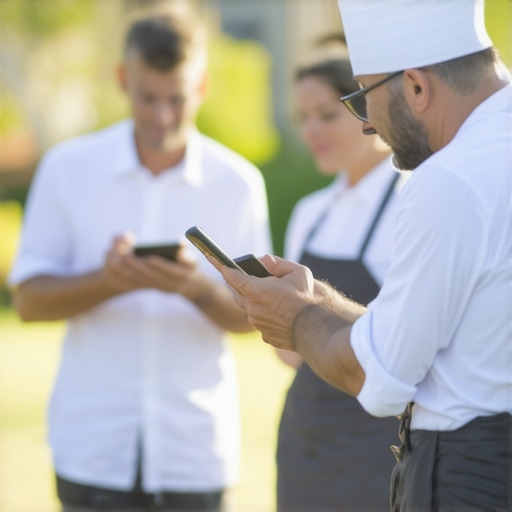 ,
,
Throughout my years in event catering, I’ve discovered that the true key to memorable, stress-free gatherings lies not just in the food or decor, but in the subtle art of anticipating needs and embracing continuous learning. One profound lesson I learned the hard way was that even the most meticulously planned event can falter without flexibility and insight. For instance, a late-arriving guest or a sudden heatwave can throw off your entire schedule—so being prepared to adapt is essential. Moreover, I realized that investing in sustainable practices, like using eco-friendly packaging or sourcing seasonal produce, not only aligns with responsible hospitality but also elevates the guest experience. These small, intentional choices build trust and leave lasting impressions that resonate beyond the event itself.