

Ever found yourself frantically scrambling to put together a catering menu just hours before an important event? I still remember the sinking feeling in my stomach when a client called last-minute, demanding a completely new menu to impress a group of high-profile guests — with only a few hours to deliver. The pressure was intense, and I realized I was unprepared for such tight deadlines. That lightbulb moment sparked my obsession with creating flexible, efficient strategies to build stunning menus under pressure.
Why Crafting a Custom Catering Menu on Short Notice Is a Game Changer
In the catering and events world, deadlines often loom unexpectedly. Whether it’s a corporate dinner, wedding, or VIP reception, the ability to assemble a tailored menu swiftly can make or break your reputation. A well-designed, adaptable menu not only impresses guests but also streamlines kitchen operations, reduces stress, and boosts profitability. When I first tackled menu planning on tight deadlines, I learned that having a strategic approach is invaluable—saving time and ensuring quality.
Is It Really Worth the Hustle? The Skeptic’s Dilemma
Some might wonder, “Is rushing a custom menu even feasible without sacrificing quality?” Early in my career, I made the mistake of overcommitting to too many options, resulting in chaos and subpar dishes. The truth is, with thoughtful planning and clear priorities, you can deliver a menu that feels bespoke and professional—even on a tight schedule. The key lies in knowing what to streamline and how to leverage your resources effectively. Curious how I turned this challenge into an opportunity? Keep reading, and I’ll share the tried-and-true methods I wish I knew from the start. Remember, handling such deadlines is a skill you can develop, and I’ll guide you through the essential steps to do just that. For more advanced insights into catering logistics, check out my ultimate catering logistics guide.
Streamlining Your Menu Ideas Quickly
Start with a core list of versatile dishes that can be adapted for different themes or dietary needs. When I faced a sudden client request for a corporate event, I quickly pulled out my go-to options: finger foods like mini sliders, vegetarian skewers, and a cheese platter. These items are easy to prepare in large quantities and appeal to a broad audience. Keep an updated database of such staples to speed up decision-making during crises.
Leverage Pre-Prepared Ingredients and Components
Use high-quality pre-cut vegetables, pre-cooked proteins, and ready-made sauces to cut down prep time. For instance, I once salvaged a last-minute wedding menu by utilizing pre-cooked shrimp and pre-made cocktail sauces. This approach reduces kitchen chaos and ensures consistency. Establish relationships with suppliers who can deliver these essentials swiftly to avoid delays.
Prioritizing Dishes and Managing Time
Identify which dishes are central to the event’s theme and which can be simplified or omitted. During a frantic dinner service, I focused on perfecting a few signature items and offered simpler sides for others. Think of it as building a house: prioritize the foundation (main courses) before finishing touches. Allocate specific time blocks for each task and stick to them rigidly, tracking progress visually with checklists.
Creating a Flexible Prep Workflow
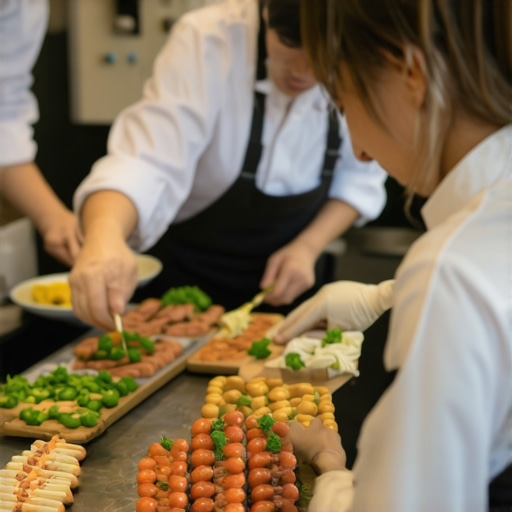
Design your kitchen layout and process flow to maximize efficiency. Set up stations for assembling, plating, and warming, and clearly label tools and ingredients. When I managed a last-minute corporate luncheon, I assigned each team member a zone, which minimized confusion and duplicated effort. Regular communication and a flexible mindset are critical; be ready to shift resources as needed.
Effective Communication with Staff and Clients
Ensure your team understands the priority items and is empowered to make quick decisions. Brief staff on the limited menu options and delegate tasks accordingly. When dealing with clients, communicate transparently about constraints while emphasizing your commitment to quality. For example, I once explained to a client that some gourmet items might be substituted with equally delicious alternatives due to time constraints, which they appreciated.
Utilizing Technology to Save Time
Employ digital tools like menu planning apps, inventory trackers, and communication platforms to coordinate efforts. During a recent event, I used a shared spreadsheet to monitor ingredient availability and tasks, which kept everyone aligned. Automate repetitive tasks when possible, such as sending reminders or updating order status, to streamline operations.
Final Checks and Presentation
Perform a quick but thorough walkthrough before the event, verifying that all dishes are prepared, garnished, and organized for service. Pack dishes in a logical order to facilitate efficient plating and delivery. I once resorted to pre-plating appetizers for a client’s VIP dinner, which allowed me to focus on last-minute details without rushing during service. Remember, presentation counts just as much as taste, especially when time is short.
Learn From Each Experience
After every last-minute project, review what worked and what didn’t. Keep notes on timing, staff performance, and client feedback to refine your process. Over time, this iterative approach will build your confidence and efficiency, ensuring that even the most unexpected requests can be handled seamlessly. For detailed strategies on combining speed with quality, explore my guide on effective catering strategies for corporate event impressiveness.
< >Even seasoned event planners often believe that meticulous planning alone guarantees flawless outcomes. However, in my experience, many misconceptions persist about what truly makes an event successful. One widespread myth is that having the most expensive equipment or elaborate decor ensures guest satisfaction. In reality, the nuances of service quality and timing hold far greater sway—something I emphasize in my comprehensive guide on effective catering strategies for corporate event impressiveness. A common trap is over-relying on technology; while helpful, it can’t compensate for poorly trained staff or miscommunication. An often-overlooked nuance is how servers influence guest perception. For instance, professional servers who anticipate needs and engage discreetly elevate the entire experience, as detailed in boost your corporate event with expert server techniques. Many assume that all catering is interchangeable, but the truth is that tailored menu design considering dietary restrictions, cultural preferences, and event goals creates memorable moments. Beware of the false notion that a single menu fits all; customization is key, a point I explore in wedding catering trends for 2025. As for weddings, there’s a misconception that more options mean better service. Actually, offering too many choices can overwhelm the kitchen and servers, leading to delays and errors. Streamlining options and focusing on quality over quantity ensures a smoother flow—especially critical during peak hours. Now, let’s ask: how can understanding these hidden nuances improve your next event? Dive into this deeper look at catering pitfalls to sharpen your approach. Remember, success often hinges on mastering subtle details rather than broad strokes. Have you ever fallen into this trap? Let me know in the comments.
Maintaining a smooth catering operation, especially during high-pressure events, hinges on the right tools and systems. From digital workflow management to reliable equipment, each component plays a vital role in ensuring consistency and quality. One indispensable tool I personally rely on is Trello for real-time task coordination. Its visual boards help my team stay aligned on prep stages, service timelines, and staff assignments, reducing miscommunication significantly. I’ve also adopted digital inventory trackers like Stash to monitor stock levels proactively, preventing last-minute shortages that can derail an event. Integrating these with instant messaging platforms like Slack allows me to swiftly resolve issues as they arise, keeping everything flowing smoothly. As technology advances, I believe automation will become even more central to catering management. Moving forward, AI-driven scheduling and predictive stock replenishment could minimize human error and optimize resource allocation further. To stay ahead, it’s wise to not only adopt these innovations but also to regularly review and refine your existing systems. How do I maintain operational excellence over time? Routine audits and staff training are key—regularly revisiting your tools and processes ensures they evolve with your needs. For example, I schedule quarterly reviews of our equipment functionality and staff feedback sessions, which help identify potential bottlenecks early. As a tip, try implementing a digital checklist for equipment maintenance before each event; this simple step can save hours of troubleshooting in the moment. Also, consider exploring innovative event themes, which often hinge on new tech integrations, offering fresh inspiration to keep your operations cutting-edge. Remember, staying organized and leveraging specific tools tailored to your workflow allows your team to focus on delivering unforgettable guest experiences—every time.
Over the years, I’ve learned that the true test of a catering professional isn’t just in flawless execution but in transforming last-minute challenges into opportunities for excellence. One pivotal lesson was discovering that flexibility, combined with strategic planning, opens the door to delivering gourmet experiences on tight deadlines. When an unexpected request hits your inbox, instead of panic, see it as a chance to showcase your expertise and adaptability.
Lessons That Rewrite the Rules of Last-Minute Catering
- Prioritize simplicity without sacrificing elegance: Focusing on a core set of versatile dishes allows you to deliver quality and variety without overextending your team. Remember, a well-executed small menu often leaves a more lasting impression than an overwhelming spread.
- Leverage pre-made components: Utilizing pre-cooked proteins or pre-cut vegetables isn’t a shortcut—it’s a strategic move to gain precious time. Developing a trusted network of suppliers who can expedite these essentials is invaluable.
- Refine your workflow: Designing a flexible prep process with clearly defined stations and roles ensures your team operates like a well-oiled machine, even under pressure. Regularly reviewing and adjusting your workflow keeps efficiency sharp.
- Embrace smart technology: Digital tools for inventory management or communication, like shared spreadsheets and task management apps, keep everyone synchronized. Automation features can reduce repetitive tasks, freeing your team to focus on quality.
- Stay emotionally centered: When chaos looms, maintaining a calm, confident demeanor helps your team perform at their best. Your attitude can turn a potential disaster into a smooth operation.
Refining Your Approach with Trusted Resources
- Effective Catering Strategies for Corporate Event Impressiveness: This guide offers comprehensive insights into streamlining operations and elevating your menu.
- The Ultimate Guide to Catering Logistics: Perfect for understanding how to coordinate multiple vendors and manage time efficiently.
- Innovative Wedding Themes for 2025: Inspires creative menu ideas that can be adapted on short notice to impress guests.
- Boost Your Corporate Event with Expert Server Techniques: Enrich your service style to elevate guest experiences during last-minute menus.
Your Next Move Toward Confident Catering
Stepping into last-minute catering scenarios might feel daunting at first, but with the right mindset and tools, you can turn each challenge into a showcase of your professionalism. Remember, mastering the art of flexible menu creation isn’t just about quick thinking—it’s about building a resilient operation that thrives amidst unpredictability. What’s the most unexpected last-minute request you’ve successfully handled? Share your story below and inspire fellow catering pros to elevate their game.