

I still remember the 1:00 AM silence in that ballroom, broken only by the sound of my friend’s sharp intake of breath. He was staring at the bar bill for his wedding, and his face had gone pale. He’d budgeted four thousand dollars for drinks. The actual total? Nine thousand seven hundred. He wasn’t just over; he was devastated. I felt that guilt deep in my stomach because I’d told him an open bar was ‘no big deal’ to estimate. I was wrong. It turns out that ‘unlimited’ is a very expensive word when you don’t do the math beforehand. Since that night, I’ve made it my mission to help others avoid that gut punch. Today, I’m showing you exactly how to calculate the real cost of an open bar so you don’t end your night in debt. Setting up a party shouldn’t feel like gambling with your life savings. Whether you’re hosting a wedding or a corporate gala, the bar is usually the largest variable expense. [IMAGE_PLACEHOLDER]
Why the Flat Rate Isn’t Always Your Friend
Early in my career, I made the classic mistake of assuming a flat ‘per-person’ rate was a safe bet. It felt predictable. But I didn’t account for the real cost differences between open bars and drink tickets. If your guests aren’t heavy drinkers, you’re basically donating thousands of dollars to the caterer. On the flip side, if you go with a consumption-based bar and your Uncle Bob decides it’s ‘top-shelf tequila’ night, you’re in trouble. You need to look at expert catering tips to understand the flow. According to a study by The Knot, beverage costs can account for up to 15% of your total budget, but hidden fees for ice, garnishes, and extra professional servers can easily double that percentage if you aren’t careful. It’s not just the liquid in the glass; it’s the labor, the glassware rental, and the liability insurance that sneak up on you. Have you ever been blindsided by an ‘administrative fee’ that felt more like a daylight robbery?
Is the open bar model just a recipe for disaster?
Most people fear that an open bar is a blank check for their guests to get reckless. That fear is valid. Without proper corporate event catering logistics, the bar can become a bottleneck or a financial black hole. I once saw a wedding where the bar was placed so far from the food that people just kept drinking because there was nothing else to do. This kind of layout failure is why I always suggest you add a 10 percent buffer to your budget. One heavy-drinking table can ruin your entire financial plan. If you’re running a business event, the stakes are even higher. You want to impress, but you don’t want to explain to the CFO why the gin bill surpassed the venue rental. Let’s get into the actual numbers so you can take control of the tap and keep your sanity intact.
Do the Math Before the First Bottle Opens
The industry standard is the “One Drink Per Hour” rule, but that’s a dangerous oversimplification. I treat bar planning like a construction project; you need a blueprint, not a guess. Generally, guests drink two beverages in the first hour and one every hour after that. If you have 100 guests for a five-hour event, you aren’t looking at 500 drinks—you’re looking at 600. When I helped a colleague plan a high-stakes fundraiser, we used effective catering strategies to refine this further by looking at the demographic. A crowd of retirees and a crowd of sales reps have very different drink velocities. If you miscalculate the real cost of open bars vs drink tickets, you’re either running out of vodka by 8 PM or paying for cases of wine you’ll never see.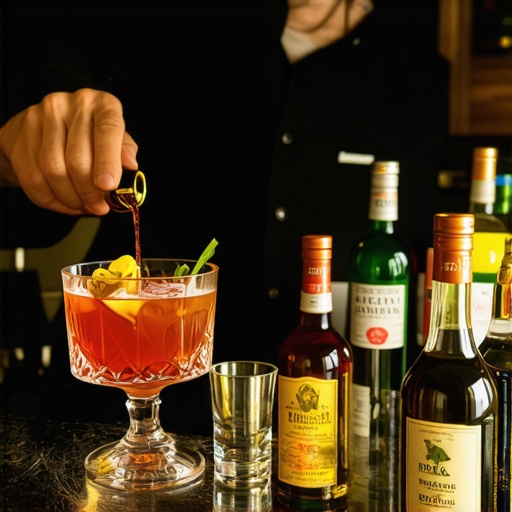
Audit Your Server to Guest Ratio for VIP Dinners
Speed is your best friend or your worst enemy. If the line is too long, guests get frustrated; if there’s no line, they drink faster. To keep costs predictable, you need the right hands on deck. I once worked a gala where the planner tried to save money by hiring only two bartenders for 200 people. It was a disaster. The bartenders were rushed, they over-poured to clear the line, and they spilled more than they served. You should audit your server to guest ratio for VIP dinners to ensure precision. A professional server knows that a heavy pour isn’t a favor to the guest—it’s a drain on your budget. Using professional staffing techniques allows for controlled portions that keep the party going without draining the keg.
Stop Putting the Bar Where People Can’t Find It
Where you put the booze determines how much is consumed. Think of the bar like a magnet. If you put it right next to the dance floor, people will drink every time the song changes. I’ve learned that the logic behind placing the bar far from the wedding buffet is about more than just crowd flow; it’s about consumption management. At a tech launch I managed in Austin, we intentionally placed the bar at the back of the hall. This forced networking and reduced boredom drinking. It also gave us space to introduce a signature mocktail, which became the hit of the night and saved us roughly $800 in liquor costs compared to the previous year.
Why Your Lead Server Needs the Script
Communication prevents waste. If your bar stays open during speeches, you are literally pouring money down the drain while no one is paying attention. I always make sure your server lead needs a copy of the event script. This allows them to soft close or slow down service during key moments. It’s a subtle move that keeps the focus on the event while trimming the incidental drinking that happens when guests are just waiting for the next part of the program. Using corporate event planning secrets like these turns the bar from a liability into a managed asset.
Most event planners focus on the guest count to determine staff, operating on the assumption that more bodies in vests equals better service. But here is the contrarian truth: a bloated, inexperienced staff is often more disruptive than a lean team of experts. In my years on the floor, I have seen a 20-person ‘temp’ crew trip over each other while staffing a 200-person reception with only 12 professionals resulted in a seamless, invisible dance. The goal isn’t just to fill the room with staff; it’s to hire precision. If you are paying for quantity over quality, you are essentially paying for people to stand around and wait for instructions they don’t know how to follow.
Why your lead server should never be managing the kitchen?
This is the most common ‘trap’ for high-end events. When the lead server gets sucked into the back-of-house to plate salads or check temperatures, the front-of-house becomes a ship without a captain. I’ve learned that your lead server should never be the one managing the kitchen. Their job is to read the room, spot the guest with the empty water glass, and keep the timeline moving. According to a study by the Cornell University Center for Hospitality Research, service failure is almost always linked to a lack of proactive supervision rather than a lack of resources. When the leader vanishes, the servers lose their rhythm, and your guests feel the neglect immediately.

The Hidden Trap of the Preferred Vendor List
Many couples and corporate managers feel safe choosing from a venue’s ‘preferred’ list. While these vendors know the space, there is a hidden nuance: sometimes these lists are based on kickbacks rather than merit. This is the hidden cost of only using preferred vendors at popular venues. You might be paying a premium for a caterer who is ‘convenient’ for the venue but lacks the creativity your event needs. Always cross-reference these lists with wedding catering tips from industry experts to ensure you aren’t just buying into a closed ecosystem of mediocrity.
Can you spot a service failure in the first ten minutes?
If you want to know how your night will go, watch the water glasses. If the first table isn’t filled before guests sit down, you’re in for a long night. I always tell my clients to learn how to spot a bad lead server in the first 10 minutes. Look for frantic eyes or a lack of eye contact with guests. A true pro is calm, collected, and always three steps ahead of the schedule. After the event is over, I even suggest you audit your venue’s trash cans after a gala. It sounds gross, but it’s the only way to see if your caterer over-ordered or if your servers are tossing full plates of expensive food. Have you ever fallen into this trap of over-staffing or over-ordering? Let me know in the comments below.
Ditch the Paper Floor Plans for Digital Precision
If you want real results that don’t crumble under the pressure of a 500-person gala, you have to stop relying on hand-drawn sketches. I personally rely on digital floor-planning software for every major project because it allows me to visualize the bottleneck before the first guest even walks in. When I’m optimizing server efficiency to enhance event satisfaction, I need to see exactly where the service stations sit in relation to the bar. I use these tools to simulate traffic flow, ensuring that a server carrying a heavy tray doesn’t have to dodge a cluster of guests waiting for their signature cocktail. I also lean heavily on dedicated inventory apps which allow for ‘point-and-click’ liquor tracking. It might sound like overkill for a wedding, until you realize that even a 1% error in your pour cost calculation can mean the difference between staying on budget and losing thousands on unrecorded ‘heavy pours’ from an unsupervised staff.

How do I maintain high standards when scaling to larger crowds?
The secret to keeping it working long-term isn’t just a thick binder of rules; it’s a culture of proactive accountability. I follow an essential checklist for successful corporate event catering that every lead server must sign off on before we strike the room. Consistency is the hardest part of the hospitality business, especially when you are jumping from a 20-person board meeting to a 300-person reception. To keep standards from slipping, I perform a ‘blind audit’ midway through service—I’ll walk the floor as if I’m an attendee to spot the small details, like a napkin out of place or a water glass that hasn’t been topped in ten minutes. According to the 2024 State of the Restaurant Industry report by the National Restaurant Association, technology adoption for inventory and training has reduced operational waste by up to 22% in high-volume settings. If you aren’t training your team on modern corporate event catering strategies for success, you are essentially leaving your profit to chance.
The Future of Event Logistics is Predictive
Looking ahead, I see a massive shift in how we handle event data. I predict that wedding catering trends to impress guests in 2025 will move toward AI-driven predictive ordering. We are already seeing the early stages of systems that analyze guest demographics and historical consumption data to tell us exactly how many cases of specific spirits to buy weeks in advance. This eliminates the ‘guesswork’ that leads to over-purchasing. My advanced tip for you today is this: Spend ten minutes at your next event just watching the bar line. If the line exceeds four people for more than fifteen minutes, your floor plan or your staff-to-guest ratio is failing you. Take a photo of the congestion, analyze why it’s happening, and adjust your layout immediately for the next hour. Don’t wait for the post-event recap to fix a problem that is costing you money in real-time.
Lessons from a Thousand Empty Bottles
Over the years, I’ve realized that the bar isn’t just a place to get a drink; it’s the heartbeat of the social experience. One of the biggest ‘lightbulb moments’ for me was discovering that people drink with their eyes first. If the bar looks messy, they’ll order the same thing twice because they don’t trust the variety. I also learned that top server tips to elevate your event experience often come down to the ‘pre-pour’—having a tray of water or wine ready to go the moment a rush hits prevents the panic that leads to over-serving. Finally, never underestimate the power of a smile from behind the wood; it keeps guests patient even when the line is long.
Tools That Make the Math Actually Work
To keep your sanity, you need more than just a bottle opener. I swear by digital floor planning software for visualizing flow before a single table is moved. For anyone looking for unforgettable wedding catering ideas for a magical celebration, I highly recommend ‘The Wedding Book’ by Mindy Weiss; her section on liquor math is legendary. I also keep a laminated copy of an essential checklist for successful corporate event catering in my kit to ensure no one forgets the lemon twists or the extra ice at 9 PM.
Your Blueprint for a Flawless Celebration
Managing a bar can feel like balancing a checkbook while riding a unicycle, but when you get it right, the energy in the room is electric. You now have the blueprints to avoid the debt trap and the logistical headaches that plague so many hosts. By focusing on corporate event catering strategies for success, you aren’t just saving money—you’re creating a safe, joyous environment for your guests to celebrate. Go forth and host with confidence!
Have you ever had a bar bill that took you by surprise, or a drink calculation that went perfectly right? Let me know your stories in the comments below.