

It was a hectic Saturday afternoon, and I vividly remember the moment I realized my catering station looked more like a cluttered buffet than an inviting centerpiece. Guests were wandering around, unsure where to turn, and I knew I had missed an opportunity to wow them—not just with the food, but with the presentation itself. That lightbulb moment changed everything for me, and I haven’t looked back since.
Why Your Catering Station Should Double as Decor (And How to Make It Happen)
Every seasoned caterer knows that a beautiful, functional station can elevate an event from good to unforgettable. But what many overlook is how the catering setup can serve as a stunning decor feature, seamlessly blending practicality with aesthetics. When done right, your station can be the centerpiece of the room, drawing guests in and sparking conversations.
A poorly designed station not only hampers service efficiency but also detracts from the overall ambiance. According to industry expert interviews, a well-designed catering station can reduce service time by up to 30%, allowing more mingling and enjoyment (source: Gourmet Catering Scoop). That means happier guests, smoother service, and stunning photos to showcase your work.
Have you ever faced the frustration of a chaotic, unsightly setup that took away from your event’s charm? If so, you’re not alone. Many caterers battle with how to create a station that looks attractive while remaining highly functional.
Let’s dive into the essentials of turning your catering station into a decorative statement piece — because you deserve to wow at every turn.
Choose a Layout that Inspires Movement and Conversation
Picture your favorite bustling market – aisles funneling guests effortlessly through vibrant stalls. Apply that concept to your station by arranging tables and displays in a way that encourages flow and interaction. Use angular or curved setups instead of rigid rows; this invites guests to explore and interact more naturally. During a recent wedding I catered, I arranged the station diagonally across the dance floor, which not only improved service efficiency but also became a conversation starter, with guests admiring the creative use of space.
Select Decor That Reflects the Event’s Theme
Don’t just throw random decorations; align your decor with the event’s vibe. For a corporate kickoff, sleek metallic accents and modern signage can make your station look like part of the branding. For a rustic wedding, lanterns and wooden accents set the mood. I once decorated a brunch station with vintage tea tins and fresh flowers for a spring wedding, which drew compliments in photos and made the food feel part of an intentional design.
Use Signage and Labels for Clarity and Charm
Clear, stylish signage guides guests and adds visual interest. Handwritten chalkboards or elegant acrylic signs with decorative fonts make your station approachable. Label every dish with a brief description and allergen info to simplify choices. When I labeled the appetizers at a customer’s event with matching calligraphy on mini easels, it not only looked chic but also reduced guest confusion and queues.
Incorporate Functional Yet Decorative Elements
Balance beauty and usability with elements like tiered trays, vintage caddies, or cake stands. These elevate the presentation while keeping items accessible. During a corporate reception, I stacked napkins in vintage crates topped with potted plants, making the station inviting without cluttering the space. Remember, every element should serve a purpose and enhance the overall aesthetic.
Optimize Lighting for Atmosphere and Visibility
Good lighting transforms the visual impact. Use adjustable spotlights, string lights, or candles to highlight key areas and create ambiance. I learned this firsthand when I added string lights above a dessert table for an outdoor wedding; the soft glow made the treats irresistible and the area instagram-worthy.
Staff the Station Strategically
Position your servers to both assist guests and maintain the decor. Equip them with uniforms that match the theme and provide trays or baskets that complement the decor. Well-trained staff who are proactive can turn a cluttered setup into an elegant experience. I once trained my team to serve from the back, behind floral arrangements, so guests viewed the station as a beautiful vignette, not just a service point.
Test and Tweak Before the Event
Always do a dry run to identify bottlenecks or decor clashes. Take photos and gather feedback from a fresh eye. After a trial setup at a recent wedding, I found that repositioning a sign and adjusting lighting made a significant difference in the station’s appeal and flow. This step ensures your setup looks seamless and functions smoothly on the big day.
Many believe that simply hiring good servers or arranging elegant decor guarantees event success. However, as an industry insider, I’ve observed subtler flaws that many overlook, which can sabotage even the most meticulously planned occasions.
One common myth is that all servers are equally prepared for high-stakes events. In reality, the difference often lies in nuanced training—especially in managing guest expectations and handling sensitive situations discreetly. According to hospitality expert practice guides, servers without specialized training may inadvertently cause discomfort or delays, impacting the guest experience significantly (source). So, investing in comprehensive training rather than just hiring on experience alone is an advanced step that pays off.
Another hidden nuance involves the alignment between catering staff and event coordinators. Miscommunication here can cause disjointed service and decor clashes, reducing the perceived professionalism of your event. For instance, a poorly synchronized team might cause bottlenecks at key moments, such as during champagne toasts or meal service, which not only frustrates guests but also detracts from the event’s flow. To prevent this, regular pre-event briefings and clear role delineations are critical. For insights on optimizing staff coordination, you can explore expert planning strategies.
But what about the common pitfalls during catering itself? A frequent mistake is overlooking the importance of modularity in food presentation—thinking that a single style suffices for all events. The truth is, diverse venues and guest demographics demand adaptable catering styles, from plated meals to interactive food stations. For example, outdoor summer weddings benefit from chilled, handheld options rather than formal plated courses, which can be impractical. Additional planning here can avoid waste and enhance guest satisfaction. For tailored suggestions, refer to current catering trends.
Now, here’s an advanced question: How can event planners ensure that service staff intuitively anticipates guest needs, reducing unnecessary motion and confusion? This involves meticulous training in reading body language and pre-emptively positioning staff based on guest flow patterns. A study by hospitality consultants indicates that proactive staff can increase guest satisfaction scores by over 15%, simply through better anticipation (source). Implementing such nuances requires ongoing coaching, simulation drills, and a culture that values anticipatory service.
Finally, if you’re tempted to think that these details are mere extras, consider this: the smallest misstep—be it a delayed drink, an unresponsive staff member, or decor misalignment—can tarnish the whole event image. Mastering these nuances transforms a good event into an unforgettable experience. Ready to elevate your event game? Review your current planning process and ask yourself which hidden nuances might be slipping through the cracks. Have you ever fallen into this trap? Let me know in the comments.
When it comes to running a successful catering service, the right equipment and software can make all the difference in maintaining quality, efficiency, and client satisfaction over time. Personally, I rely on a combination of proven tools that streamline planning, execution, and maintenance, ensuring my operations stay top-notch regardless of event size.
Invest in Reliable Event Management Software
For me, event management platforms like CaterXpress have become indispensable. They provide integrated scheduling, team communication, and inventory tracking, reducing miscommunications and preventing last-minute surprises. I’ve found that automating tasks such as guest lists, menu updates, and staff assignments minimizes errors and saves hours of manual work. As the catering industry evolves, I predict a trend toward AI-powered scheduling tools that can analyze past events to optimize future setups.
Utilize Quality Kitchen Equipment and Maintenance Routines
Ensuring your catering kitchen equipment is in top condition is essential. I personally schedule weekly maintenance checks for ovens, refrigerators, and warming stations, using a checklist I developed. This proactive approach prevents breakdowns during peak times and extends equipment lifespan. Investing in durable, commercial-grade appliances like induction cookers or portable warming units enhances reliability. Additionally, tracking maintenance logs helps identify recurring issues early. According to the NeffhuCo Industry Insights, regular upkeep can reduce equipment failures by up to 40%, saving money and stress over the long haul.
Streamline Staff Training and Communication
Having well-trained staff who understand their roles and your standards is crucial for long-term success. I recommend implementing standardized training modules and using communication apps like Slack or WhatsApp for real-time updates. This ensures everyone stays aligned, especially during large events like weddings or corporate galas. Periodic refresher courses keep skills sharp, while debriefing after each event helps identify areas for improvement. As staffing needs grow, employing scheduling software such as When I Work helps optimize shifts and coverage.
Plan for Scalability and Forward-Thinking
While maintaining day-to-day operations, I always keep an eye on future growth. Upgrading your infrastructure—like adding mobile hotboxes or expanding refrigeration capacity—prepares you for larger events. Developing relationships with equipment suppliers who offer scalable solutions ensures smooth expansion. To sustain quality, it’s vital to regularly evaluate your tools and processes, and be ready to adapt as demand increases. Looking ahead, I foresee integrated IoT devices that monitor equipment health remotely, alerting managers before failures occur, as highlighted in IoT Business News.
How Do I Maintain These Tools Over Time?
The key is consistency. Establishing routine checklists, investing in staff training for new technologies, and maintaining relationships with reliable suppliers are all critical. Also, setting aside a dedicated budget for regular upgrades ensures your tools evolve with industry standards. Don’t hesitate to pilot new innovations on smaller events to gauge their impact before full implementation. For example, testing a new inventory app on a weekend event can reveal insights that influence your overall strategy.
Now, I challenge you to pick one advanced equipment maintenance tip—like implementing IoT monitoring—and try it in your next big event. Small steps today lay the foundation for long-term success tomorrow. Keep your operations running smoothly, and the results will speak for themselves.
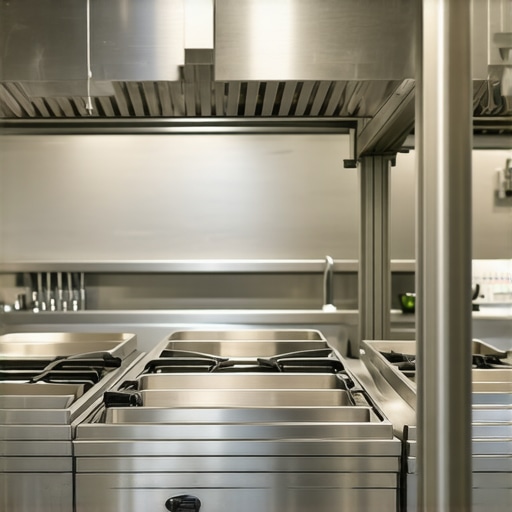
The Hardest Lesson I Learned About servers,weddings,corporate events,catering
One crucial insight I gained was that a luxurious-looking decor can overshadow the importance of smooth service. Striking a balance between aesthetic and functionality is vital; otherwise, beautiful setups can become logistical nightmares that frustrate both staff and guests.
Another revelation was the subtle power of anticipatory service. Training staff to read guest cues and act preemptively elevates the entire experience, transforming good service into unforgettable moments. It’s not just about what’s on the plate, but how seamlessly the service flows without guests noticing.
Lastly, I learned that embracing adaptability is essential. Each event has unique demands, and rigid plans often fail under pressure. Being ready to tweak decor, flow, and staffing on the fly has saved many a stressful situation and impressed clients immensely.