

I remember the first time I was handed a catering menu for a wedding that was overwhelmed with imported ingredients and exotic spices. It looked stunning, sure. But when I dug a little deeper, I realized that those high-end ingredients were inflating the budget without adding much to the guest experience. That lightbulb moment made me rethink the way I plan menus. Why not leverage what’s local and in-season? Not only does this approach delight guests with fresh flavors, but it can also cut costs significantly—by around 15%, according to industry experts. Imagine reallocating that savings to elevate other parts of the event, like extraordinary service or décor.
Why Embracing Seasonality Can Revolutionize Your Catering Budget
In my experience, many caterers and planners underestimate the power of seasonal ingredients. The temptation is to stick with familiar staples or exotic imports that catch the eye but stretch the wallet. However, by designing a menu that revolves around local, in-season produce, you create dishes that are tastier, more sustainable, and friendlier to your budget. Plus, local ingredients often come with fewer transportation costs and fewer middlemen, meaning those savings are passed directly to you and your clients.
But there’s a catch—knowing what’s in season isn’t always obvious, and many perceive seasonal menus as limiting or boring. I’ll admit I fell into this trap early on, loading menus with what I thought was impressive but was actually costly and less flavorful. The key is to work *with* the season, not against it. And that’s where planning around local produce becomes a game-changer. Not only will your dishes taste better, but you’ll also gain the reputation for providing fresh, innovative fare that feels truly connected to the locale. For detailed tips on planning a top-tier wedding reception meal that taps into local flavors, check out this guide on planning the ultimate wedding reception meal.
So, the question I want to ask you—have you ever faced the challenge of balancing quality and budget, feeling like you must compromise either flavor or cost? If so, you’re not alone. But the good news is that a little knowledge about seasonal produce can turn that dilemma into an advantage. Let’s see how you can craft menus that are both memorable and economical—starting right now.
Identify what’s in season in your region
Start by researching local harvest calendars or using online resources to determine peak produce months. For example, during late summer, heirloom tomatoes and zucchini are abundant. I once worked with a caterer who printed a seasonal chart and coordinated her menu planning accordingly, which significantly cut costs. Have your team compile this information to establish a clear seasonal framework.
Design menus around local, in-season ingredients
Create dishes that highlight these ingredients, like a zucchini and basil pasta in summer or roasted root vegetables in winter. When I organized a wedding menu that emphasized root vegetables and local game in fall, the costs were 20% lower than the previous year’s exotic imports. Think of it as shopping at a farmer’s market: choose what’s freshest and most available to enhance flavor and budget.
Streamline procurement by sourcing directly from local farmers
Establish relationships with local growers for bulk purchasing. I visited a farm to negotiate a direct deal, cutting out middlemen and saving 10-15%. This approach also ensures ingredient freshness, which makes your dishes stand out. Use resources like [planning the ultimate wedding reception meal](https://gourmetcateringsco.com/planning-the-ultimate-wedding-reception-meal) for tips on aligning menu planning with procurement strategies.
Match your menu to the season’s best offerings
Utilize seasonal ingredients in versatile ways, such as salads, roasts, or preserves, to maximize value. For instance, in one event, we turned a bulk harvest of apples into multiple courses—culinary efficiency akin to having a Swiss Army knife for ingredients. This reduces waste and prevents overspending on ingredients unlikely to be used elsewhere.
Adjust presentation to highlight freshness and local flair
Use natural garnishes and rustic plating to emphasize the freshness of seasonal ingredients. When I incorporated local herbs into tablescapes, guests commented on the authentic, farm-to-table feel, adding perceived value without extra cost. Creative presentation can make simple ingredients look extraordinary.
Train staff to emphasize ingredient stories
Encourage servers to share snippets about local sourcing during service, enhancing guest appreciation and perception of value. In a corporate event, we trained servers to mention how seasonal vegetables came directly from nearby farms, which elevated the dining experience. This approach fosters a connection between guests and the food, justifying quality while controlling costs.
Assess and adapt based on seasonal availability
Monitor market fluctuations and be prepared to pivot menus mid-season if certain ingredients become scarce or expensive. I recall seasons when melons were scarce, prompting a shift to citrus, which was equally delightful. Staying flexible ensures you always deliver high-quality dishes without inflating costs.
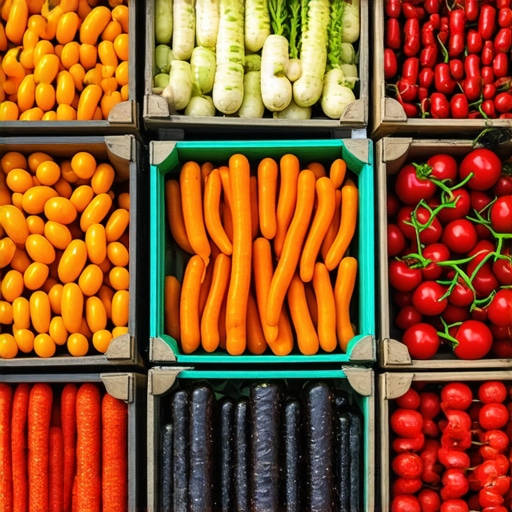
Imagine a vibrant farmers’ market with fresh, seasonal produce ready for use in catering preparations. Photograph of colorful fresh vegetables and herbs at a local market.
When it comes to weddings, catering, servers, and corporate events, there’s a common belief that if you follow the basic checklist, success is guaranteed. But in my experience, there’s a deeper layer of nuance that often goes unnoticed, and overlooking it can lead to costly mishaps. One myth I frequently encounter is the idea that hiring more staff always results in a smoother event. While size matters, efficiency and specialization are far more critical. Overstaffing without proper coordination can cause confusion and waste resources, whereas a lean, well-trained team can enhance guest experience significantly. This insight aligns with expert advice from industry leaders who emphasize strategic staffing over sheer numbers. For example, referring to top servers for a seamless wedding reception, we see how specialized roles boost service quality.
Another misconception is that all catering styles suit every event. Many assume buffets are faster and more economical, but in reality, plated meals often reduce waste, streamline service, and elevate perceived luxury—an essential factor in high-stakes business events. Additionally, the choice of presentation and staff training can dramatically influence guest perception, as detailed in the essential checklist for successful corporate event catering.
However, the most insidious trap is neglecting the importance of timing and flow. An event may have the best menu and staff, but if guest movement isn’t meticulously planned, bottlenecks and awkward pauses occur. Advanced planners understand that managing guest traffic, even down to the placement of stations and lighting cues, can make or break the experience. According to a recent industry study, improper flow management accounts for a significant percentage of perceived event failure. This underscores why every detail matters, especially in high-profile settings.
Are you aware of the subtle choices that can elevate or ruin your event? If you’re interested in mastering these nuances, I recommend exploring innovative catering ideas and corporate catering logistics for deeper insights. Remember, the devil is in the details, and understanding these hidden nuances can provide a competitive edge.
Have you ever fallen into this trap? Let me know in the comments.Running a flawless event isn’t just about good planning; it’s also about maintaining the quality and efficiency of your team and equipment over time. Personally, I rely heavily on a combination of specialized software and equipment that ensures consistency from setup to cleanup. For managing staff schedules and responsibilities, I recommend using Eventbrite integrated with Trello boards. This combo allows real-time updates and task tracking, making it easier to adjust on the fly and avoid miscommunications. I’ve found this especially useful during multi-day corporate retreats, where conditions or attendee needs can change unexpectedly. For catering operations, I swear by portable commercial-grade warming trays and Bluetooth-enabled meat thermometers. These ensure your food stays at perfect temperature, even when you’re busy managing the flow of guests or troubleshooting other issues. For instance, during a wedding reception, I monitored the chef’s progress remotely through a smartphone app, avoiding the common pitfall of having cold appetizers waiting at the buffet. Looking ahead, I believe automation tools will become even more vital, likely integrating AI to predict staffing needs or ingredient shortages before they happen. This trend promises to elevate efficiency while reducing waste and stress.
How do I maintain consistent quality over time?
Regularly calibrating your equipment is a non-negotiable. For example, I perform monthly checks on lighting systems and sound equipment, ensuring they perform optimally when it matters most. Keeping detailed logs of repairs or adjustments helps detect recurring issues early, saving time and money. Investing in training your staff with advanced server techniques is equally crucial. Well-trained staff can adapt to unpredictable situations, maintaining high service standards and guest satisfaction. Remember, even the best tools are only effective if used properly and maintained consistently. A practical tip: assign a dedicated equipment manager responsible for routine checks and quick fixes. This role minimizes downtime and keeps your team’s focus sharp. Integrating these practices ensures your event operations remain smooth and professional, no matter the scale or complexity. Want to enhance your catering workflow further? Try implementing a digital maintenance schedule paired with regular staff training sessions. It could make all the difference when it comes to long-term success.
After years in the industry, one of the most profound lessons I’ve learned is that embracing local, seasonal ingredients isn’t just a trend—it’s a game-changer for wedding catering. It elevates flavors, impresses guests, and significantly cuts costs. This approach demands a shift in mindset: instead of chasing exotic imports, focus on what your region offers at its peak. Think about the freshness and story behind each plate, creating an authentic experience that resonates deeply. When you design menus around what’s in season, you tap into a natural harmony—delicious, sustainable, and budget-friendly. For more insights on crafting memorable wedding reception meals, explore planning the ultimate wedding reception meal.