

It was a typical Tuesday morning when I realized I had completely missed the mark with my last corporate event. The menu was a chaos of inconsistent offerings, leaving athletes and executives alike sluggish and unsatisfied. That lightbulb moment hit hard—I needed to rethink how I designed menus for high-stakes, performance-driven clients. If you’ve ever felt overwhelmed trying to craft a menu that nourishes, energizes, and impresses, you’re not alone. Today, I promise to guide you through the essential strategies that elevate your menu planning, ensuring every dish aligns with the demanding needs of high-performance athletes within a corporate setting.
Why High-Performance Menus Matter More Than Ever
In the world of corporate athletics, every meal counts. It’s not just about satisfying hunger; it’s about fueling peak performance, sustaining focus, and maintaining energy levels from the boardroom to the gym. When designing menus for these athletes, you’re playing a critical role in their success. A well-thought-out menu can be the difference between a sluggish afternoon and a energized, productive team. Yet, many struggle with this, often deploying generic catering options that miss the mark entirely.
Early in my career, I made the mistake of thinking a standard buffet would suffice. Spoiler alert: It doesn’t. Overloading on carbs or neglecting balanced macronutrients can lead to dips in energy and focus, which is the last thing you want during a high-stakes corporate event. Research shows that proper nutrition directly impacts cognitive function and physical performance, especially in demanding environments. For example, a study published in the Journal of Sports Sciences highlights how tailored meal plans improve athletes’ endurance and mental clarity.1
If you’re dealing with the challenge of keeping your athletes energized, it’s time to shift your approach. You’ll need menus that are not only appealing but scientifically optimized for performance. Together, we’ll explore proven strategies to craft menus that work as hard as your clients do, and leave everyone feeling satisfied and ready to conquer their goals.
Will Your Menu Stand the Test of Performance Demands?
Here’s the truth—I’ve been there. The early missteps were clear indicators I needed expert advice. For instance, I once overlooked the importance of timing and macro balance, leading to sluggishness post-lunch. You can read more about common pitfalls and how to avoid them in our comprehensive guide on effective strategies for corporate event catering. Now, my menus are laser-focused on performance, and I want to help you do the same. Ready to learn the secrets that make menus truly impactful for high-performance athletes? Let’s dive into the steps that will set you apart.
Assess Dietary Needs and Performance Goals
Begin by gathering detailed information on your clients’ activity levels, dietary restrictions, and performance objectives. I once worked with a client who wanted menus boosting mental alertness during long meetings. I conducted a quick survey to identify their specific nutritional gaps and designed a menu rich in omega-3 fatty acids and complex carbs. This focused approach ensured the food supported their unique demands, leading to more energized attendees.
Design Balanced, Nutrient-Dense Menus
Create menus that balance macronutrients—protein, healthy fats, and carbs—tailored to the event duration and activity intensity. Think of this like a well-orchestrated relay race, where each runner (nutrient) must perform optimally. I once replaced heavy carb options with lean proteins and fiber-rich vegetables for a corporate retreat, which noticeably improved focus and stamina. Use seasonal and local produce to enhance freshness and reduce costs, and ensure diversity to cater to various dietary restrictions.
Incorporate Timing and Portion Control
Timing is everything—schedule meal and snack times strategically to maintain energy levels without causing dips. For instance, I scheduled light protein snacks mid-morning for a high-stakes seminar, preventing hunger-induced distraction. Portion sizes should be optimized to avoid overeating while satisfying appetite, like managing a buffet line to streamline flow, reducing congestion and waits. This can be achieved by pre-setting portion guidelines and using server cues to pace service efficiently. This approach mirrors a well-choreographed assembly line, maximizing service speed and minimizing waste.
Engage Proactive Server Techniques
Servers are your frontline in delivering performance-boosting menus. Proper training and strategic deployment—such as floating servers to refill stations and assist with dietary needs—can dramatically enhance guest experience. I once coordinated with a team from best corporate event servers for 2025 to ensure swift, attentive service during a packed conference, resulting in happy, energized participants. Using service staff effectively reduces bottlenecks, ensures dietary restrictions are respected, and maintains a smooth flow of food and drinks.
Use Visuals to Communicate and Educate
Visual aids—such as nutritional info placards or menu displays—can guide attendees toward healthier choices and reinforce the performance-focused theme. A strategically placed display about antioxidant-rich foods during a dinner service can encourage better selections. Incorporate images depicting vibrant, wholesome dishes to inspire healthier eating habits and create an inviting atmosphere. 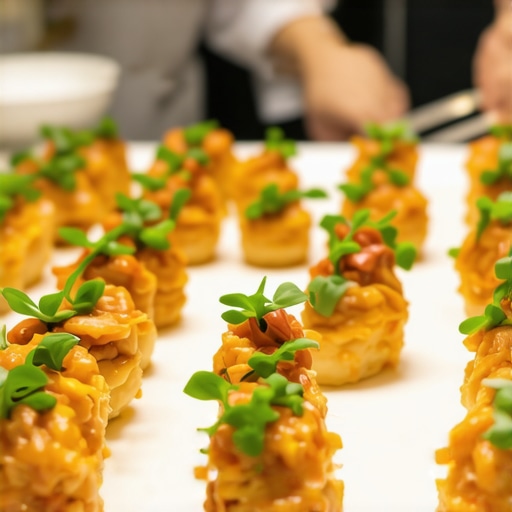
Implement Feedback and Continuous Improvement
After each event, solicit attendee feedback regarding the menu’s effectiveness on energy and satisfaction. Use this data to refine future menus, experimenting with new ingredients or timing strategies. I recall modifying a menu post-event after noticing attendees struggled with certain snacks, leading me to swap them out for easier-to-digest options—a move that improved overall energy levels in subsequent sessions. This iterative process ensures your menus evolve with your clients’ needs, consistently supporting peak performance.
While many believe that simply hiring good servers guarantees a successful event, the reality is far more nuanced. One common misconception is assuming that all servers are equally skilled, but in my experience, the difference lies in their training and experience with high-stakes events. For example, professional servers trained specifically for weddings or corporate events know how to read guest cues, manage dietary restrictions discreetly, and handle complex service flows seamlessly. Skipping this detailed vetting process can lead to awkward moments, such as mispronounced dietary needs or slow service during critical times. Studies suggest that well-trained staff not only improve guest satisfaction but also reduce event stress levels, allowing organizers to focus on the big picture.
What makes some servers stand out in high-pressure moments?
Advanced professionals anticipate guest needs, communicate efficiently within their teams, and adapt swiftly to unexpected situations, such as last-minute dietary requests or equipment failures. Notably, comprehensive training that covers both technical skills and guest communication is essential. For example, a 2024 industry report highlighted that servers who excel in anticipating guest needs contribute significantly to event flow and guest retention rates, compared to those with basic training.
Many underestimate the importance of the server-team dynamic, which can either elevate or hinder the entire experience. Effective communication between servers and coordinators ensures that service remains smooth, especially during complex meals or large crowd movements. For instance, implementing a dedicated server coordinator can streamline tasks, minimize errors, and elevate the overall atmosphere. Learn more about optimizing server efficiency to boost your event’s success.
Beware of the trap of relying solely on seasonal or trendy themes without aligning service standards. Trends like minimalist plating or rustic buffets can be visually stunning but require a high level of execution to avoid chaos or long waits. For vanguard ideas and how to execute them flawlessly, explore elevating your wedding with professional servers. Remember, details matter. A well-trained, adaptable server team handling these nuances can make your event stand out as truly exceptional.Maintaining top-tier service during weddings, corporate events, or large-scale catering requires more than just talent; it demands the right tools and systems. One indispensable device I’ve personally relied on is the wireless walkie-talkie system. These allow instant communication across staff, ensuring quick responses to unexpected issues. I recommend models like the Motorola SL7550, renowned for their durability and clear communication—crucial during fast-paced service. For scheduling and task management, software like Trello or Asana has become my go-to. These platforms enable real-time updates on staff assignments, station rotations, and dietary requests, reducing confusion and downtime. Over time, integrating a centralized digital system streamlines operations, minimizes errors, and enhances guest satisfaction. As technology advances, the trend leans toward AI-driven event management platforms, promising even greater efficiency in the future. To stay ahead, I advise incorporating these tools into your workflow now. How do I maintain consistent quality over time? Regular training sessions using scenario-based drills with your apps and devices ensure staff familiarity and quick adaptability during high-pressure moments. Implementing routine maintenance of tech equipment—such as updating software and checking hardware integrity—prevents glitches that could disrupt your service. Don’t forget the importance of feedback loops; after each event, review staff communication logs and software reports to identify bottlenecks. For instance, using the performance analytics from your catering management tools can highlight areas for improvement. Predicting future trends, I believe AI chatbots and predictive analytics will soon assist in real-time troubleshooting and resource allocation, making event operations more proactive than reactive. To see tangible results, try upgrading your staff communication devices this season—it’s a game changer for smooth event flow.
What I Wish I Knew When I Started Crafting High-Performance Menus
One of my biggest realizations came unexpectedly—realizing that no one-size-fits-all menu works for demanding clients. It’s tempting to rely on standard offerings, but personalized, performance-based menus are game-changers. I once thought a few healthy options were enough, only to see attendees sluggish by afternoon. The lesson? Deep understanding of your clients’ unique activity and energy needs transforms your approach and elevates the entire event experience.
Another insight was the importance of anticipating dietary restrictions before they become issues. In my early days, I often waited for last-minute requests, which disrupted service flow. Now, proactive menu planning—building in flexibility and clear communication—ensures seamless experiences and happier guests. These lessons taught me that preparation, informed by contextual insights, is pivotal to delivering excellence in high-stakes catering.
Lastly, I learned that continuous feedback is vital. Post-event debriefs and honest attendee comments reveal what truly fuels performance—be it specific nutrients or presentation styles. Embracing an iterative mindset, I started refining menus after each event, leading to better energy levels, improved guest satisfaction, and a reputation as a forward-thinking caterer. These lessons are invaluable, anchoring my commitment to excellence beyond the standard protocols.
Tools That Help Me Deliver Beyond Expectations
For elevating high-performance menus, I rely on a few key resources. First, professional server training programs shape how my staff interacts and handles dietary needs seamlessly—it’s worth every penny. Second, I swear by industry-grade service teams who understand the nuances of performance-focused catering. Their experience is evident in smooth, attentive service that keeps energy levels high. Third, embracing tech tools for operations management streamlines logistics and shifts focus back on delivering exceptional food and service. These are the backbone of my ability to exceed client expectations and ensure every event reflects a performance-driven ethos.
Your Next Move to Master Performance-Centric Catering
Remember, crafting high-stakes menus isn’t just about food—it’s about how you think, prepare, and adapt. Embrace the challenge with confidence, continuously learn from each event, and leverage trusted tools and team members. The potential to transform ordinary gatherings into energizing, memorable experiences lies within your reach. Are you ready to take your catering to the next level and truly support your clients’ peak performance? Share your thoughts below—I’d love to hear how you’re refining your approach.
,