

I remember the exact moment it hit me—standing in the wedding catering kitchen, watching dishes go out, and realizing that despite all my efforts, the menu still felt uninspired and predictable. It was like trying to paint a masterpiece with a limited palette. Every time I designed a wedding menu, I faced the same challenge: how to make the food both creative and incredibly delicious, all while satisfying the diverse tastes of guests.
The Struggle to Balance Creativity and Flavor
This realization sparked a lightbulb moment. I understood that a memorable wedding menu isn’t just about fancy presentations or trendy ingredients; it’s about crafting an experience that resonates with every guest. Over the years, I’ve learned that the secret lies in understanding what makes a menu both mouth-wateringly tasty and visually stunning. If you’ve ever found yourself stuck, tossing around ideas that seem to fall flat, know that you’re not alone. Many caterers and wedding planners grapple with this, but the good news is—there’s a way to master it.
Is Your Menu Truly Unforgettable or Just Average?
Early in my career, I made the mistake of following trends blindly, adding items I thought were “in” without considering whether they truly complemented each other or the occasion. That misguided approach led to a disjointed menu that lacked coherence and impact. Now, I focus on integrating innovative flavors with classic techniques, ensuring each dish tells a story. For instance, you can add a touch of elegance with regional ingredients that surprise and delight, or incorporate modern plating styles to elevate rustic dishes. If you’re considering ways to elevate your wedding catering, explore our luxury wedding catering ideas for inspiration.
Designing a winning wedding menu isn’t just about impressing guests—it’s about creating an atmosphere, a story, a memorable experience. That’s where the magic happens.
,
Start with the Core Concept of Balance
Think of crafting your wedding menu like sculpting a work of art—each dish must complement the others while standing out on its own. My first step was to identify the primary flavor profiles that resonate with your theme, such as rustic, modern, or luxe. For example, I once took a wedding with a vintage theme and added flavors like smoked paprika and thyme to classic dishes, bringing a unique twist without overwhelming the palate.
Source High-Quality, Local Ingredients
Quality ingredients are the backbone of flavor. Visit local farms or markets early to select fresh produce and proteins. During a recent event, I personally visited a nearby farm, selecting heirloom tomatoes and pasture-raised poultry, which elevated the entire menu. This not only improves taste but also creates a storytelling element that guests appreciate.
Optimize Your Menu with Seasonal Touches
Aligning your menu with the season enhances freshness and reduces costs. For winter weddings, incorporate hearty root vegetables and seasonal herbs like rosemary. I recall designing a winter menu where butternut squash ravioli paired with sage brown butter became the highlight—delighting guests and earning rave reviews.
Master Your Presentation Techniques
Visual appeal is crucial. Use modern plating styles or rustic presentation to match your theme. I once transformed simple shrimp cocktails into elegant, layered parfaits using glassware, which became a crowd favorite due to their stylish look and easy access. Remember, appealing presentation entices guests to try each dish and remember your menu.
Train Your Service Team for Excellence
Servers are your frontline ambassadors. Invest in training your team with [professional server techniques](https://gourmetcateringsco.com/server-skills-that-make-every-event-stand-out). During one wedding, I hosted a pre-event briefing emphasizing attentiveness without intrusiveness, resulting in seamless service that guests thought was effortless. Well-trained servers anticipate needs and manage timing, preventing bottlenecks and maintaining the desired atmosphere.
Incorporate Innovative Ideas Constantly
Stay ahead by exploring trends like interactive stations or themed tasting menus. I experimented with a build-your-own taco station, which became a lively centerpiece. Check out [innovative catering ideas for modern weddings](https://gourmetcateringsco.com/innovative-catering-ideas-for-modern-weddings) for inspiration. Incorporating fresh concepts keeps your menu exciting and memorable.
Gather Feedback and Refine
Post-event, ask for honest feedback to identify what worked and what could improve. I once received feedback that guests loved the spicy ceviche, prompting me to offer it more prominently at future events. Continuous refinement ensures your menu evolves to meet guest expectations and maximizes satisfaction.
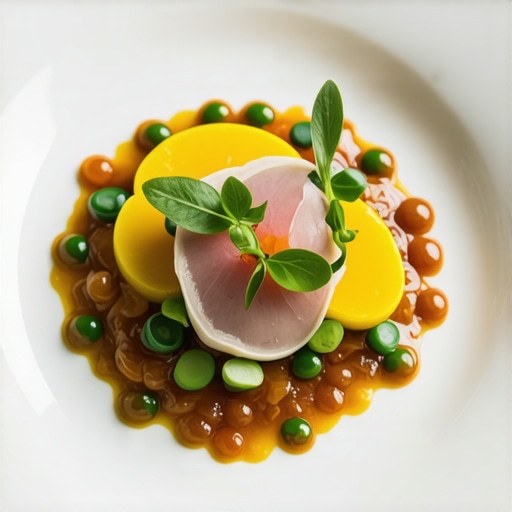
In the busy world of events, it’s common to hear sweeping assumptions about what makes a wedding or corporate gathering truly successful. But as an industry expert, I can tell you that many of these beliefs are misconceptions that can sabotage your plans. One prevalent myth is that sticking to traditional menus guarantees guest satisfaction. In reality, catering that relies solely on tried-and-true dishes may overlook the importance of innovation and personalization, which can elevate the experience. To truly impress, consider exploring luxury wedding catering ideas that push boundaries while maintaining elegance.
Are Your Expectations Based on Flawed Assumptions?
Many planners assume that fine dining equals expensive and inaccessible. However, the secret lies in the craftsmanship and presentation—not just the price tag. Cutting-edge techniques like sous-vide cooking or molecular gastronomy can deliver high-end flavors in a more cost-effective way. Beware the trap of overloading your menu with numerous dishes, which can compromise quality and overwhelm servers. mastering how to streamline your offerings ensures a smooth service flow and memorable guest experience. Remember, innovative themes and expert execution make all the difference.
Why Overlooking Server Skills Is a Critical Mistake
People often focus solely on food quality and venue aesthetics, neglecting the influence of trained staff. Servers are the unsung heroes who can either enhance or detract from the event atmosphere. For example, a well-trained team anticipates guest needs discreetly, manages timing flawlessly, and handles surprises professionally. Skimping on server training can lead to awkward moments and client dissatisfaction. To avoid this, invest in professional server training that emphasizes etiquette, efficiency, and guest engagement.
Now, let’s dig into a nuanced aspect often misunderstood—how event timing impacts overall success. Proper scheduling isn’t just about keeping things on track; it’s about creating a seamless narrative that guides guests effortlessly from one experience to the next. For instance, strategically timing speeches, entertainment, and meals keeps energy high and prevents lulls. According to event planning guru David Bevan, mastering timing can be the defining factor between an average event and a legendary one (source: large-scale wedding planning). Have you ever fallen into this trap? Let me know in the comments.Maintaining a high level of efficiency in catering and event services requires the right combination of equipment, software, and consistent practices. Personally, I rely heavily on a few key tools that have stood the test of time, ensuring smooth operations from wedding receptions to corporate galas. One indispensable piece of equipment is the induction warming piano, which allows me to keep dishes at optimal temperatures without the fuss of traditional chafing dishes. Unlike standard heat lamps, induction units respond instantly to temperature adjustments, reducing the risk of overcooking or drying out food. I personally prefer models like the Vollrath Mirage Pro, which offer precise control and energy efficiency. For software, I swear by event management platforms like Caterease, which centralize client information, menu planning, and scheduling. What I love most is how it integrates with inventory systems, providing real-time updates that prevent over-ordering or shortages. Staying organized across multiple events is crucial, and tools like these help me identify potential issues before they impact service. Prediction-wise, I see a growing trend toward integrated IoT devices that monitor kitchen temperatures and equipment performance. This adds an extra layer of oversight, reducing downtime and maintenance surprises.
How do I maintain tools and systems for longevity and reliability?
I prioritize routine maintenance schedules for my equipment, including monthly calibration of warming units and regular cleaning of timers and sensors, based on best practices outlined by equipment manufacturers. For software, I implement regular updates and backups, ensuring I never lose critical data or face compatibility issues. I also foster a culture of continuous improvement among my staff, training them to recognize early signs of equipment wear and to troubleshoot basic issues. This proactive approach minimizes downtime during critical service moments. One secret I’ve discovered is to designate a dedicated staff member as the ‘tech point person,’ responsible for digital and hardware upkeep. This method aligns with the guidance from industry experts like those at the National Restaurant Association, emphasizing preventive maintenance as a cornerstone of operational excellence. I highly recommend taking an hour this week to review your current maintenance routines and see where you can implement scheduled checks—this small investment can save you a lot of stress later. Moving forward, I believe that integrating smart sensors and predictive analytics into your operations will become standard practice, helping you anticipate equipment failures before they happen. For now, invest in reliable tools like the Vollrath Mirage Pro and establish rigorous maintenance routines; you’ll thank yourself during those busy event days.
Having navigated countless weddings and corporate events, I’ve realized that the most impactful lessons aren’t found in textbooks—they’re learned on-site, through trial, error, and reflection. One of my biggest lightbulb moments was recognizing that embracing adaptability, rather than rigid plans, defines true success in catering. Flexibility allows you to turn unforeseen challenges into memorable moments that impress clients and guests alike. Additionally, understanding your team’s strengths and fostering genuine communication can transform a good service into an extraordinary experience. Lastly, I learned that the most memorable events stem from a passion for storytelling—each dish, setup, and interaction contributing to a narrative that resonates long after the final toast. These insights have shaped my approach, ensuring that every event I contribute to leaves a lasting impression and elevates standards within the industry.