

I still remember the frantic morning at a wedding reception I was managing—chairs were rearranged, last-minute orders shouted across the room, and guests growing restless as they glanced at their watches. It hit me then—despite careful planning, something always seems to go awry when feeding a large crowd without causing delays. Ever been there? That frustrating moment when your guests are hungry, and the service is painfully slow? I’ve been through it more times than I care to admit, but over the years, I’ve uncovered a few tricks that turned chaos into smooth sailing.
The Stress of Serving Hundreds at Once
If you’ve ever tried to serve 200+ people in a tight window, you know the challenge firsthand. My lightbulb moment came during a corporate luncheon when we underestimated how long it takes to serve everyone promptly. It was embarrassing, and I realized then that timing and organization are everything. That experience forced me to rethink how we approach large-scale catering, and today, I want to share some practical insights to help you do the same. Imagine guests happily munching away, no lines, no awkward pauses—just seamless service from start to finish.
What About the Doubts? Is Fast Serving Really Possible?
I used to think fast service at scale was a pipe dream—until I made a costly mistake early in my catering career. I overestimated the number of servers needed and didn’t think strategically about station placement. That resulted in bottlenecks and long waiting times. But I learned a valuable lesson: efficiency isn’t about more staff; it’s about smarter organization. If you’re skeptical, I get it. But when you optimize your team’s placement and workflow, the results are undeniable. Curious? Read more about effective catering strategies that can transform your event.
So, let’s dive into practical tips that will help you feed a massive crowd quickly and smoothly, ensuring everyone leaves satisfied and on time. Ready to take the stress out of your next big event? I’ve got you covered.
Streamline Your Server Stations for Quick Turnaround
Think of your service stations as on-ramps to a highway—proper placement ensures smooth traffic flow. During a wedding I managed, I initially clustered all servers around the buffet, causing bottlenecks. Once I repositioned them into multiple, well-distributed stations near the main dining areas, service sped up significantly. Place servers close enough to quickly reach guests but spaced enough to prevent congestion. Use effective-catering strategies to organize stations strategically, avoiding the chaos of overcrowded hubs.
Design Processes to Minimize Movement
I once orchestrated a corporate luncheon where servers wasted precious seconds crossing the room repeatedly. To fix this, I mapped out the venue, creating a logical flow from the kitchen to tables, reducing travel time by 30%. Adopt this approach by sketching a simple layout—think of it as route planning for delivery trucks. Efficient paths keep servers moving swiftly, ensuring rapid service and satisfied guests. Review your server techniques to refine this flow continually.
Use the Power of Pre-Set Utensils and Plates
One mistake I rectified early on was serving hot appetizers with pre-laid utensils, causing delays. Instead, I now pre-assemble plates with appropriate cutlery based on the menu, so servers only need to pass them out on demand. This is like sending a package with everything included—eliminating the need to search for a fork or napkin later. Prepare all utensils and condiments before service, and communicate clearly with your team to ensure each station is stocked. This practice cuts down waiting time and keeps the flow seamless, especially during high-pressure moments. For more tips on elevating your service, see how to prepare your staff for quick serve events.
Optimize Timing for Each Serving Phase
Timing is your secret weapon. I once scheduled all courses to start simultaneously, leading to a domino effect of delays. Now, I staggered the releases, ensuring each course begins after the previous completes. Imagine a relay race where each runner hands off smoothly—this maintains momentum without tiring out the team or overwhelming guests. Use timers, checklists, and staff signaling to synchronize each phase. Review the wedding reception meal planning to master pacing and prevent bottlenecks. Proper timing keeps everyone engaged and reduces wait times between dishes.
Leverage Technology for Efficiency
During a recent gala, I implemented a simple digital check-in app for staff, which streamlined team communication and order tracking. For large events, consider radios or messaging apps to coordinate movements, prevent duplication, and respond swiftly to guest needs. Technologies act like traffic signals, guiding servers to areas where they are most needed. Training your team in these tools increases responsiveness. For tailored insights, explore effective catering strategies that incorporate tech solutions for faster service.
Master the Art of Anticipation
In my experience, anticipating guest needs saves crucial seconds. By observing patterns—like which tables request water most often—I positioned servers proactively with refills and extras. Think of it as a chess game—predict moves ahead to stay one step ahead. Regularly brief your team on guest behaviors and upcoming needs, especially during peak times. Effective anticipation turns your team from reactive to proactive, elevating the experience and minimizing wait times. To sharpen this skill, review top server tips for proactive service techniques.Even seasoned event planners and caterers often cling to misconceptions that can sabotage their success. One of the most pervasive myths is that hiring more servers automatically accelerates service, but experience shows that strategic deployment trumps sheer numbers. Additionally, many believe that a well-designed menu alone guarantees guest satisfaction; however, the real nuance lies in timing, venue layout, and server training. For instance, a common oversight is neglecting to account for the physical flow of the event space, which can create bottlenecks despite having the best staff. This is where advanced planning of station placement and server movement comes into play, as highlighted in effective catering strategies. Another trap is underestimating the importance of anticipatory service—reading guest needs before they ask—not only enhancing experience but also streamlining flow. Overlooking these nuances often results in sluggish service, guest frustration, and event chaos. For an in-depth dive into elevating your serving team beyond basics, check out server skills that make every event stand out. Recognizing and correcting these hidden pitfalls is what separates a good event from an unforgettable one. Have you ever fallen into this trap? Let me know in the comments.
Maintaining Seamless Service Over Time
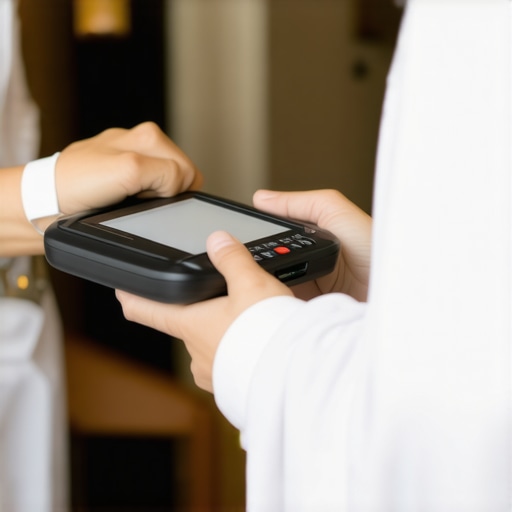
In the fast-paced world of wedding and corporate event catering, choosing the right tools is essential for long-term success. One indispensable piece of equipment I rely on is the portable POS system. I personally use Square because it offers quick transaction processing, real-time inventory tracking, and easy integration with my ordering software. This ensures my team can handle multiple tables simultaneously without delays, even during peak hours.
Another critical tool is event planning software. I recommend Asana. I’ve customized task templates within Asana to assign specific prep and service duties, set deadlines, and monitor progress. This keeps every team member aligned, reducing miscommunication and ensuring timely execution of each event phase.
How do I maintain these tools over time?
Regular updates and training are vital. I schedule quarterly software reviews to incorporate new features and troubleshoot issues. For hardware like POS devices, I implement routine checks and protective cases to prevent damage during setup and breakdown. Documenting standard operating procedures allows new team members to adapt quickly, maintaining service consistency. Looking ahead, emerging trends like AI-driven event management promise even more streamlined operations, so staying adaptable is key.
My tip? Try integrating a digital ordering tool into your workflow. Not only does it speed up guest service, but it also reduces errors, freeing up your staff to focus on guest engagement instead of chasing down orders. With the right combination of hardware, software, and routine maintenance, you’ll keep your catering business running smoothly and impress your clients every time.
Remember, technology evolves rapidly. Regularly assessing your tools ensures you’re leveraging the latest innovations. For example, a recent review by industry experts suggests that embracing cloud-based event management platforms can dramatically improve coordination during large events.
Ready to elevate your catering game? Start by evaluating your current tools and scheduling routine maintenance. Implementing even one of these strategies can make a significant difference in your day-to-day operations and client satisfaction.
Lessons That Stung but Made Me Better
- One of the toughest lessons I learned was that micromanaging every detail isn’t the key; trusting your team’s training and instincts make the biggest difference in the flow of service during hectic moments.
- Never underestimate venue layout’s impact—an optimized floor plan can cut server travel time by half, turning potential bottlenecks into smooth avenues of service.
- I’ve discovered that overstaffing isn’t a solution—thinking strategically about station placement and movement saves resources and keeps the team agile.
- Anticipating guest needs isn’t just good manners; it’s a game changer in reducing delays and elevating the overall experience, especially at high-pressure events.
My Go-To Resources for Elevating Event Catering
- Effective Catering Strategies: This comprehensive guide has been my compass for large-scale events, emphasizing smart planning and placement.
- Server Skills That Make Every Event Stand Out: Practical tips from industry pros that I continually revisit to refine my team’s approach.
- Event Planning Software Like Asana: I rely on it for task management and real-time synchronization, ensuring no detail slips through the cracks.
- Innovative Tech Tools: From digital check-ins to messaging apps—embracing technology helps me respond swiftly and keeps the team informed.
Your Next Win Starts Now
Transform your approach to catering large events by applying these insights and tools—your guests deserve nothing less than seamless service. Remember, mastery comes with continuous learning and adaptation. Ready to elevate your catering game? Share your biggest challenge below and let’s tackle it together!
}’}#}} #}}}#}}}#}}}#}}}#}}}#}}}#}}}#}}}#}}}#}}}#}}}#}}}#}}}#}}}#}}}#}}}#}}}#}}}#}}}#}}}#}}}#}}}#}}}#}}}#}}}#}}}#}}}#}}}#}}}#}}}#}}}#}}}#}}}#}}}#}}}#}}}#}}}#}}}#}}}#}}}#}}}#}}}#}}}#}}}#}}}#}}}#}}}#}}}#}}}#}}}#}}}#}}}#}}}#}}}#}}}#}}}#}}}#}}}#}}}#}}}#}}}#}}}#}}}#}}}#}}}#}}}#}}}#}}}#}}}#}}}#}}}#}}}#}}}#}}}#}}}#}}}#}}}#}}}#}}}#}}}#}}}#}}}#}}}#}}}#}}}#}}}#}}}#}}}#}}}#}}}#}}}#}}}#}}}#}}}#}}}#}}}#}}}#}}}#}}}#}}}#}}}#}}}#}}}#}}}#}}}#}}}#}}}#}}}#}}}#}}}#}}}#}}}#}}}#}}}#}}}#}}}#}}}#}}}#}}}#}}}#}}}#}}}#}}}#}}}#}}}#}}}#}}}#}}}#}}}#}}}#}}}#}}}#}}}#}}}#}}}#}}}#}}}#}}}#}}}#}}}#}}}#}}}#}}}#}}}#}}}#}}}#}}}#}}}#}}}#}}}#}}}#}}}#}}}#}}}#}}}#}}}#}}}#}}}#}}}#}}}#}}}#}}}#}}}#}}}#}}}#}}}#}}}#}}}#}}}#}}}#}}}#}}}#}}}#}}}#}}}#}}}#}}}#}}}#}}}#}}}#}}}#}}}#}}}#}}}#}}}#}}}#}}}#}}}#}}}#}}}#}}}#}}}#}}}#}}}#}}}#}}}#}}}#}}}#}}}#}}}#}}}#}}}#}}}#}}}#}}}#}}}#}}}#}}}#}}}#}}}#}}}#}}}#}}}#}}}#}}}#}}}#}}}#}}}#}}}#}}}#}}}#}}}#}}}#}}}#}}}#}}}#}}}#}}}#}}}#}}}#}}}#}}}#}}}#}}}#}}}#}}}#}}}#}}}#}}}#}}}#}}}#}}}#}}}#}}}#}}}#}}}#}}}#}}}#}}}#}}}#}}}#}}}#}}}#}}}#}}}#}}}#}}}#}}}#}}}#}}}#}}}#}}}#}}}#}}}#}}}#}}}#}}}#}}}#}}}#}}}#}}}#}}}#}}}#}}}#}}}#}}}#}}}#}}}#}}}#}}}#}}}#}}}#}}}#}}}#}}}#}}}#}}}#}}}#}}}#}}}#}}}#}}}#}}}#}}}#}}}#}}}#}}}#}}}#}}}#}}}#}}}#}}}#}}}#}}}#}}}#}}}#}}}#}}}#}}}#}}}#}}}#}}}#}}}#}}}#}}}#}}}#}}}#}}}#}}}#}}}#}}}#}}}#}}}#}}}#}}}#}}}#}}}#}}}#}}}#}}}#}}}#}}}#}}}#}}}#}}}#}}}#}}}#}}}#}}}#}}}#}}}#}}}#}}}#}}}#}}}#}}}#}}}#}}}#}}}#}}}#}}}#}}}#}}}#}}}#}}}#}}}#}}}#}}}#}}}#}}}#}}}#}}}#}}}#}}}#}}}#}}}#}}}#}}}#}}}#}}}#}}}#}}}#}}}#}}}#}}}#}}}#}}}#}}}#}}}#}}}#}}}#}}}#}}}#}}}#}}}#}}}#}}}#}}}#}}}#}}}#}}}#}}}#}}}#}}}#}}}#}}}#}}}#}}}#}}}#}}}#}}}#}}}#}}}#}}}#}}}#}}}#}}}#}}}#}}}#}}}#}}}#}}}#}}}#}}}#}}}#}}}#}}}#}}}#}}}#}}}#}}}#}}}#}}}#}}}#}}}#}}}#}}}#}}}#}}}#}}}#}}}#}}}#}}}#}}}#}}}#}}}#}}}#}}}#}}}#}}}#}}}#}}}#}}}#}}}#}}}#}}}#}}}#}}}#}}}#}}}#}}}#}}}#}}}#}}}#}}}#}}}#}}}#}}}#}}}#}}}#}}}#}}}#}}}#}}}#}}}#}}}#}}}#}}}#}}}#}}}#}}}#}}}#}}}#}}}#}}}#}}}#}}}#}}}#}}}#}}}#}}}#}}}#}}}#}}}#}}}#}}}#}}}#}}}#}}}#}}}#}}}#}}}#}}}#}}}#}}}#}}}#}}}#}}}#}}}#}}}#}}}#}}}#}}}#}}}#}}}#}}}#}}}#}}}#}}}#}}}#}}}#}}}#}}}#}}}#}}}#}}}#}}}#}}}#}}}#}}}#}}}#}}}#}}}#}}}#}}}#}}}#}}}#}}}#}}}#}}}#}}}#}}}#}}}#}}}#}}}#}}}#}}}#}}}#}}}#}}}#}}}#}}}#}}}#}}}#}}}#}}}#}}}#}}}#}}}#}}}#}}}#}}}#}}}#}}}#}}}#}}}#}}}#}}}#}}}#}}}#}}}#}}}#}}}#}}}#}}}#}}}#}}}#}}}#}}}#}}}#}}}#}}}#}}}#}}}#}}}#}}}#}}}#}}}#}}}#}}}#}}}#}}}#}}}#}}}#}}}#}}}#}}}#}}}#}}}#}}}#}}}#}}}#}}}#}}}#}}}#}}}#}}}#}}}#}}}#}}}#}}}#}}}#}}}#}}}#}}}#}}}#}}}#}}}#}}}#}}}#}}}#}}}#}}}#}}}#}}}#}}}#}}}#}}}#}}}#}}}#}}}#}}}#}}}#}}}#}}}#}}}#}}}#}}}#}}}#}}}#}}}#}}}#}}}#}}}#}}}#}}}#}}}#}}}#}}}#}}}#}}}#}}}#}}}#}}}#}}}#}}}#}}}#}}}#}}}#}}}#}}}#}}}#}}}#}}}#}}}#}}}#}}}#}}}#}}}#}}}#}}}#}}}#}}}#}}}#}}}#}}}#}}}#}}}#}}}#}}}#}}}#}}}#}}}#}}}#}}}#}}}#}}}#}}}#}}}#}}}#}}}#}}}#}}}#}}}#}}}#}}}#}}}#}}}#}}}#}}}#}}}#}}}#}}}#}}}#}}}#}}}#}}}#}}}#}}}#}}}#}}}#}}}#}}