

Picture this: You’re in the middle of a grand ballroom, guests eagerly awaiting the first toast, and suddenly, chaos erupts. Servers are overwhelmed, dishes are mismatched, and the atmosphere that should be celebratory feels instead like a logistical nightmare. I remember my first big gala, confident I had assembled the perfect team—only to watch everything unravel in front of my eyes. That moment was a lightbulb, illuminating how crucial hiring the right server team is, especially for large-scale events.
Why Selecting the Right Server Team Can Make or Break Your Gala
Choosing the right server team isn’t just about meeting minimum staffing requirements. It’s about ensuring that every guest feels cared for and that the event runs seamlessly. A well-trained team elevates the experience, leaving a lasting positive impression. Conversely, a team lacking coordination or professionalism can turn a beautiful event into a stressful ordeal. Proper staffing affects everything from service speed to guest comfort, which impacts your event’s reputation and success. For instance, I learned early on that neglecting thorough vetting can lead to inexperienced staff who are unprepared for high-pressure situations. To see how vital professional service is, check out this resource on server skills that truly elevate an event.
Is Overhiring Worth the Extra Cost?
Many clients are tempted to staff their events conservatively to save money, but this can backfire spectacularly. Understaffed teams can’t handle the flow, leading to guest frustrations and missed opportunities. Overstaffing, on the other hand, might seem like a luxury—until you realize that skilled, disciplined servers are worth their weight in gold during critical moments. The key is finding that sweet spot—enough personnel to manage the event without overspending. My early misstep was trying to cut corners during a corporate gala; the result was slower service and anxious guests. Now, I prioritize quality over quantity, focusing on hiring experienced servers who understand large events intimately. For a detailed guide on how to hire the best, see how to hire a professional server team.
Up next, I’ll walk you through the essential steps to assemble a dependable, professional server team that can handle the pressures of big galas, ensuring your event is remembered for all the right reasons.
Start with Precise Requirements
Before reaching out to staffing agencies, define your event’s specific needs. Is it a formal wedding or a corporate fundraiser? For example, I once planned a wedding at a historic estate where elegant, discreet servers were essential. Draft a list detailing expected guest count, service style (family-style, plated, buffet), and necessary skills such as alcohol service or multilingual capabilities. This clarity ensures you hire staff who can handle your event’s nuances, preventing common pitfalls like delayed service or miscommunication.
Vet Candidates with a Hands-On Approach
Rather than solely relying on resumes, conduct practical assessments. Send candidates a scenario: “A guest requests a gluten-free appetizer” or “Upselling wine during service.” Observe their response time, professionalism, and problem-solving skills. During one hiring round, I invited top prospects to a mock service, which revealed lacking initiative in some. Those who excelled moved forward; those who didn’t were politely dismissed. This step weeds out inexperience, ensuring your team can handle real-time pressures seamlessly.
Leverage Experienced Staffing Partners
Partner with agencies specializing in your event type. For weddings, consult top wedding servers who understand the flow from cocktail hour to dance. For corporate functions, consider agencies offering catering strategies and skilled servers tailored for high-stakes environments. During one corporate launch, working with expert recruiters allowed me to assemble a team capable of managing multiple food stations and VIP sections, resulting in rave reviews.
Ensure Robust Training and Briefings
Once selected, conduct comprehensive briefings covering menu details, event schedule, and guest demographics. For instance, I once trained servers on specialty drinks and cultural customs, which improved guest rapport. Provide a detailed run sheet and walk-through of service sequences. This preparation minimizes confusion amidst chaos, maintaining professionalism even during unexpected hiccups. Use checklists to streamline this process.
Communicate Clearly During the Event
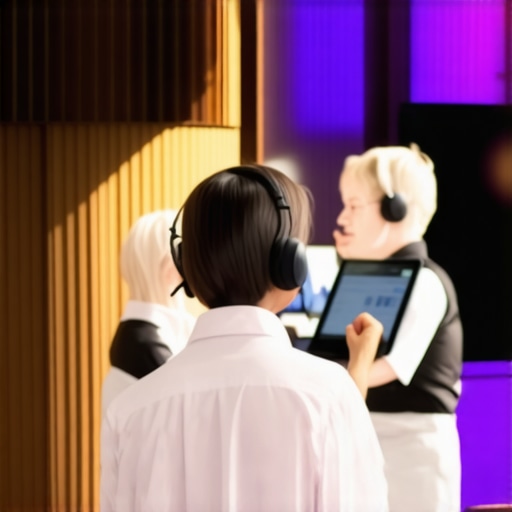
Establish a clear communication protocol, such as headsets or designated signals. During a wedding reception, a small miscommunication led to delayed dessert service—this taught me the importance of instant radio communication. Assign specific roles to each server, so they know who handles drinks, table clearing, or special requests. This clarity fosters cooperation, ensuring smooth operations even when the venue experiences technical issues or last-minute changes.
Monitor and Adapt on the Fly
Stay attentive and ready to reallocate staff as needed. During a large corporate banquet, I noticed certain stations overwhelmed; I directed backups to assist, preventing service delays. Implement a quick feedback loop with your team through whispers or signals, so issues are addressed promptly. This proactive approach prevents small problems from escalating, preserving guest satisfaction and event flow.
Gather Feedback for Future Improvement
Post-event, debrief with your staff to identify bottlenecks or mishaps. For example, after a wedding, delayed plating was traced back to unclear instructions. Refining training and adjusting staffing levels improved subsequent events. Continuous feedback helps you fine-tune your hiring criteria and training protocols, making each event smoother than the last. For a comprehensive review process, explore techniques outlined in venue site visits and evaluations.
Many professionals in the corporate events, catering, and wedding industries operate under common assumptions that can lead to costly mistakes. One widespread misconception is that exceeding staffing numbers guarantees better service, but in reality, overstaffing can cause confusion and inefficient workflows. Skilled servers thrive not just on quantity but on well-coordinated roles and clear communication, making expert server techniques essential for elevating guest experience.
Is More Always Better When It Comes to Staffing
Contrary to popular belief, throwing more servers at a problem doesn’t necessarily improve service quality; instead, it increases complexity, risk of overlap, and miscommunication. Properly trained, strategically positioned staff deliver seamless experiences—underscoring the importance of quality over quantity. The nuance lies in understanding the event’s flow and assigning roles that complement each other perfectly. Neglecting this can result in duplicate efforts or unattended stations, which damage guest satisfaction instead of enhancing it.
For example, during a high-profile wedding, misaligned staffing led to delays during crucial moments like dessert service. By investing in thorough pre-event planning and clear role definitions, such pitfalls can be avoided. Remember, current wedding catering trends emphasize personalized, well-orchestrated service that leaves lasting impressions—something only achieved through nuanced staffing management.
Watch Out for the Costly ‘Oops’ of Overfeeding
Another trap is the tendency to overspend on catering and staffing with the hope of impressing guests. However, overestimating guest needs can inflate budgets unnecessarily. This is where detailed planning and accurate guest counts become your best allies. Ignoring these details can lead to excess food waste, higher costs, and even a disorganized service during peak times. It’s critical to balance preparedness with precision, leveraging insights from comprehensive checklists to avoid these pitfalls.
Moreover, understanding guest preferences and dietary restrictions can also optimize menu choices and staffing focus, creating a more personalized and efficient experience. For instance, catering for gluten-free or vegan options requires specialized staff awareness and preparation, making targeted training workouts essential.
Are You Overlooking Venue Acoustics and Environment?
Advanced event planning nowadays involves scrutinizing the venue beyond just aesthetics and capacity. Acoustic quality, lighting, and ambiance significantly influence guest comfort and interaction. Many overlook this, resulting in rooms that echo, making speeches inaudible or creating a dull atmosphere that hampers engagement. A study published in the Journal of Environmental Psychology highlights how environmental factors shape social behavior—bearing in mind that a well-designed environment complements excellent service. Ensuring good acoustics, suitable lighting, and a logical flow can make your event truly stand out, encouraging guest participation and lively networking.
For expert insights on venue optimization, see how to select the perfect venue.
Have you ever fallen into this trap? Let me know in the comments. Recognizing these hidden nuances can transform your event planning from good to unforgettable, ensuring every detail contributes to a flawless experience.
Maintaining a high standard of service at corporate events, weddings, and caterings demands more than just hiring the right team; it requires reliable, efficient tools to support daily operations and long-term growth. Over the years, I’ve found that integrating specific equipment, software, and methods can drastically improve consistency, communication, and scalability. One must adopt a proactive approach—regularly updating equipment, refining procedures, and training staff on new technologies.
How do I maintain my event staffing systems over time?
Start by investing in robust communication devices like digital radios or headsets. In my experience, Clear-Com wireless headsets have become indispensable—they ensure instantaneous communication among servers and managers, especially during fast-paced moments like dinner service or post-event cleanup. These devices reduce misunderstandings and enable real-time coordination, keeping the operation smooth from start to finish.
Next, leverage management software tailored for catering and event planning. Tools like Catering management platforms allow me to track staff schedules, menu changes, and guest preferences effortlessly. Such software minimizes errors and helps in scaling operations without sacrificing quality. For example, during multi-day events, using these platforms enabled my team to update schedules dynamically, ensuring that every shift was fully staffed with trained personnel.
Physical equipment also plays a vital role. High-quality thermal dishwarmers and portable chafing dishes, such as those from Cambro, keep food at optimal temperatures, preventing quality dips over extended service periods. Regular maintenance and calibration of such equipment are non-negotiable; I’ve scheduled quarterly check-ups to avoid unexpected failures during critical moments.
Additionally, I advocate for standard operating procedures (SOPs) documented in digital manuals accessible via tablets or smartphones. These SOPs include step-by-step guides for service flows, troubleshooting, and emergency protocols. During one large corporate event, having instant access to troubleshooting guides helped my staff resolve minor issues swiftly without disrupting the flow.
Looking ahead, automation and AI-driven scheduling are poised to revolutionize event staffing. Predictive analytics, for example, can forecast peak times and allocate personnel proactively, ensuring optimal staffing levels without overstaffing. I predict that integrating such advanced tools will become the industry standard in the next five years, making events even more seamless and scalable.
To stay ahead, try implementing a unified communication system combined with management software tailored for your event size. This small but powerful step can drastically enhance your team’s coordination, reduce errors, and improve long-term results. Remember, the key to ‘keeping it working’ is regular maintenance of your tools and continuous training of your staff on new systems—your event’s success depends on it.
3 Hidden Truths That Changed How I Manage Big Events
- One of the toughest lessons I’ve learned is that more staff isn’t always better—strategic positioning and well-trained servers outperform sheer numbers every time. It’s tempting to overspend on staffing to impress, but precision and experience win the day.
- Balancing guest experience with budget constraints requires a keen eye. I discovered that understanding attendee preferences and dietary restrictions early on helps craft menus and staffing plans that feel personalized without breaking the bank.
- Clear communication tools—from radios to curated run sheets—can make the difference between chaos and smooth flow. Empowering your team with real-time updates keeps everyone synchronized, especially in high-pressure moments.
- Preparing for environmental challenges like acoustics or weather can prevent last-minute disasters. A quick venue walk-through focused on these details ensures your event remains flawless regardless of surprises.
- Post-event debriefs are invaluable—they reveal hidden snags and opportunities for improvement, saving you headaches in future planning. Your ability to adapt and learn fuels consistent success.
My Arsenal for Event Success
Over the years, I rely on a handful of tools that keep my event planning sharp and scalable. For communication, professional headsets transform team coordination. Management software like catering platforms streamline schedules and guest preferences. High-quality equipment from Cambro, such as thermal warmers, ensures food stays perfect, while digital SOP manuals accessible via tablets guide your team effortlessly. Embracing these tools has helped me scale operations without sacrificing quality, and I believe they’re game-changers for any serious planner.
Keep Your Passion Alive and the Events Shine
Every remarkable event begins with a willingness to learn, adapt, and push beyond comfort zones. Use your experiences—good or bad—as stepping stones. Remember, mastering corporate events and wedding catering isn’t just about logistics; it’s about creating memorable experiences that guests cherish. Start small, refine your approach, and don’t be afraid of trying innovative strategies. Your next unforgettable event is just around the corner. Are you ready to elevate your planning game and turn every gathering into a celebration they’ll talk about for years? Share your stories or questions below—I’d love to hear about your journey towards unforgettable events.