

I remember the moment clearly—standing in the kitchen of a bustling conference hall, watching a long line of eager attendees form, only to be met with lukewarm coffee. The initial buzz of excitement suddenly dimmed as guests frowned and murmured about their drinks. It hit me then—no matter how perfect the event, serving coffee that’s less than hot can really dampen the mood. That lightbulb moment taught me a crucial lesson: maintaining the ideal coffee temperature isn’t just a minor detail; it’s essential to the guest experience, especially when you’re catering to hundreds.
The Hidden Challenge: How to Serve Hot Coffee to a Large Crowd
Ensuring that every single guest enjoys a piping hot cup requires more than just a good urn or thermos. It’s about understanding the nuances of heat retention, proper equipment, and timing. Having worked with teams that have served up to 300 guests, I’ve learned that the secret lies in strategic preparation and clever equipment choices. If you’ve faced the disappointment of serving coffee that’s lost its heat before everyone has their cup, you’re not alone. Fortunately, I’m here to share the proven strategies that keep your coffee hot, flavorful, and ready to enjoy—no matter the crowd size.
Is the hype about special coffee Warmers really worth it?
Early in my catering career, I made the mistake of underestimating the importance of high-quality thermal carafes. I figured any insulated container would do. But I soon realized that cheap thermos flasks often lose heat faster than you’d think, especially after multiple refills and prolonged service. Don’t fall into the same trap. Investing in professional-grade equipment makes a real difference. To learn more about the equipment that truly makes a difference in large-scale catering, check out effective catering strategies.
Catch myself making this mistake cost me valuable time and left guests disappointed. Trust me—getting the right gear and understanding heat dynamics can turn a lukewarm experience into a memorable one. In the following sections, I’ll guide you through step-by-step tactics that will ensure your coffee stays hot, fresh, and inviting for your entire crowd.
Choose the Right Equipment for Maximum Heat Retention
Start with insulated thermal carafes designed for professional catering. During a large outdoor wedding, I once used a set of premium stainless steel urns that kept coffee steaming for over two hours, impressing guests and reducing wastage. When selecting equipment, look for models with double-walled insulation and tight-sealing lids. For more insights on selecting top-tier server gear, visit server skills that make every event stand out.
Pre-warm Your Containers and Urns
Before service, fill your thermal containers with hot water, then empty and dry them thoroughly. This step ensures they start at optimal temperature, much like preheating a cast-iron skillet. I learned this tip early during a corporate retreat — it extended the holding time significantly, keeping coffee hot for well beyond an hour. Always allocate a few minutes for this prep; it’s a small investment with big results.
Timing Is Everything: Serve in Batches and Replenish Efficiently
Implement a systematic approach to serving—fill cups from the urns in small, quick batches. During a busy conference, I assigned a dedicated server to monitor the urns’ levels constantly, replenishing as needed before coffee cooled down. This not only maintains heat but also ensures a steady flow, preventing guests from waiting or settling for lukewarm drinks. To streamline your service, consider training your team on expert server techniques.
Utilize Supplemental Heat Sources for Extended Service
For events lasting several hours, consider portable heat pads or insulated sleeves around your urns. I once rigged a set of portable thermos sleeves with tiny heating pads at a large outdoor festival. The outcome was a consistent hot drink experience, even in chilly weather. Be cautious with electrical setups—ensure safety and compliance with venue regulations. Supplemental heating can give you a crucial edge over simply relying on the initial insulation.
Optimize Serving Stations to Minimize Heat Loss
Design your setup so guests serve themselves or your servers operate close to the urns, minimizing transit time. During a wedding reception, I arranged the coffee station near the dance floor to encourage quick serving and reduce the coffee’s exposure to open air. Keep the station enclosed if possible, using tents or canopies to shield from wind and cool breezes. For in-depth venue and station layout ideas, explore elegant wedding venues and catering inspiration for 2025.
Continuous Maintenance and Communication
Assign a team member to monitor temperature and refill proactively. Clear communication among your team prevents the coffee from becoming tepid before guests even begin their first cup. During a corporate event, I made a checklist to ensure no one missed this critical step, resulting in a smooth, hot-serving experience throughout the day. Regular checks and swift adjustments are key—think of it as managing a high-performance sports car; attention to detail ensures peak performance.
When it comes to servers, weddings, catering, and corporate events, many assume that following standard protocols guarantees success. However, as an industry insider with years of experience, I can tell you that common practices often mask deeper pitfalls. One widespread myth is that more servers automatically mean better service. In reality, overstaffing can create chaos, dilute responsibilities, and lead to inconsistency in guest experience. Proper training and clear role definitions are far more crucial than sheer numbers.
Another misconception is that using luxury tableware equates to luxury service. While high-end utensils are impressive, they can become a hindrance if servers aren’t trained to handle delicacy or if guests perceive them as overly formal, disrupting the event’s relaxed atmosphere. Let’s not forget that guest impression hinges more on attentiveness and timing than on the sophistication of equipment.
Advanced event setups often overlook how details like station flow and guest movement impact overall satisfaction. For instance, a mistake I frequently see is crowding food stations, causing bottlenecks that frustrate guests and prolong service times. Integrating insights from studies in crowd dynamics, such as those referenced by the Harvard Business Review, can help optimize layout and reduce wait times — a nuance many miss.
What’s more, a common trap is neglecting the importance of team cohesion and communication. During peak moments, disorganized staff can cause chaos, overlooked requests, and inconsistent service. Training your team to synchronize through brief pre-service huddles or real-time communication devices can make a profound difference. For professional-grade service, exploring server skills that make every event stand out is indispensable.
Finally, a critical mistake is assuming that a set-it-and-forget-it approach to catering logistics works in dynamic event environments. Flexibility and proactive problem-solving are key. For example, during a large outdoor wedding, I learned that anticipating weather shifts and having contingency plans in place—like portable canopies or heating lamps—not only preserved service quality but also comfort.
Are you aware of these nuanced pitfalls? Recognizing them can elevate your event planning from good to exceptional. Remember, behind every seamless event is a keen awareness of these often-overlooked details. Let me know in the comments if you’ve fallen into these traps, and I’ll share how to avoid them in your next event.
Ensuring smooth operations during large events like weddings, corporate gatherings, or catering functions demands more than just experience—it requires reliable tools and a systematic approach. Over the years, I’ve honed a toolkit that helps me keep everything running flawlessly, from managing service flow to troubleshooting unexpected issues. Today, I want to share some of the critical tools and methods I personally rely on, which could elevate your event game significantly.
Prioritize Real-Time Communication with Dedicated Devices
In high-pressure environments, communication can make or break the event’s smoothness. I recommend using specialized radios or digital communication apps like WhatsApp or Slack configured for event management. What sets these apart is the ability to create dedicated channels for different teams—servers, setup crew, coordinators—ensuring that everyone stays informed instantly. This setup minimizes miscommunication and speeds up response times. During a recent corporate retreat, having a dedicated channel prevented small issues from escalating, saving hours of potential chaos.
Invest in Advanced Event Management Software
Beyond traditional checklists, software like Asana or Trello integrated with custom dashboards can help track real-time progress, assign tasks, and flag bottlenecks proactively. For example, I use a tailored Trello board with specific lists for each service station, allowing my team to update statuses live. This visibility ensures that replenishments and troubleshooting are handled promptly. The future points toward AI-powered event management tools that predict potential hiccups before they happen—staying ahead becomes essential.
Maintain Equipment with Precision and Reliability
Regular maintenance involves more than just cleaning; it requires scheduled checks and calibration of your gear. For instance, thermal servers and cooling units should be inspected before every event. I personally utilize portable device testers to verify battery health and connection stability, reducing on-the-spot failures. Additionally, keeping backup equipment, like extra thermoses or portable speakers, is vital. A well-maintained setup not only prevents failures but also instills confidence in your team and clients. For a deeper dive into maintaining professional catering gear, check out effective catering strategies.
Optimize Workflow with Time-Saving Accessories
Small tools can significantly improve efficiency—think heated beverage dispensers, sleek serving trays, or quick-clean station kits. During a high-volume wedding, I used a set of heated carafes that maintained temperature longer, decreasing the need for constant refills. Investing in ergonomic carts and modular station setups can expedite service flow. The key is anticipating bottlenecks and preemptively addressing them with the right accessories.
Make Maintenance Routine A Part of Your Schedule
Incorporate daily or pre-event routines that include cleaning, sanitizing, and testing essential tools. Document these routines so your team can follow them accurately. During a recent corporate event, my checklist for equipment check-ins caught a faulty microphone battery that could have caused issues during speeches. Regular maintenance isn’t glamorous, but it’s the backbone of reliable service and long-term success. Incorporate quick audits before each shift, and you’ll notice a dramatic reduction in last-minute emergencies.
To stay ahead, always look for emerging technologies—such as sensor-based temperature controls or AI-driven scheduling—and consider piloting these innovations. For example, integrating an IoT-based system for monitoring beverage temperatures in real-time could revolutionize how you maintain quality during multi-hour services.
Try adopting one of these advanced tools or methods at your next event. Starting small with real-time communication apps or simple maintenance routines can lead to substantial improvements in your overall efficiency and guest satisfaction. Remember, consistent maintenance and smart tool usage are the pillars that support flawless execution—be proactive now to prevent chaos later.
For more expert tips on maintaining server efficiency and event success, explore how to optimize server efficiency.
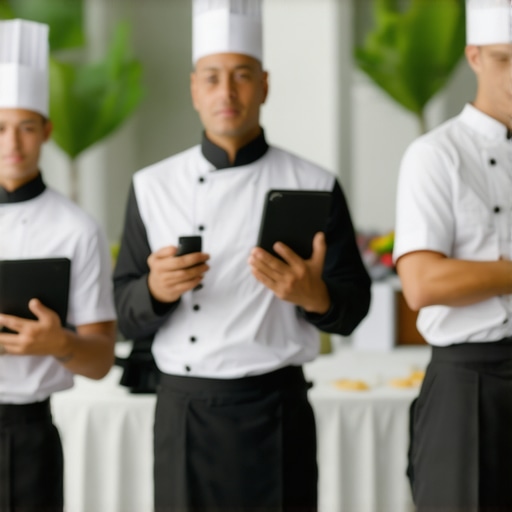
Throughout my years of orchestrating catering for bustling weddings, corporate galas, and large conferences, I’ve uncovered some lessons that aren’t found in standard guides. These insights, born from real-world challenges, have consistently elevated the guest experience and refined my approach to serving hot coffee at scale.
Lessons That Changed My Approach to Catering
- Perfection is in the details, not just the equipment: Investing in high-quality thermal containers is vital, but understanding how to pre-warm them and manage fill levels makes all the difference. I once underestimated the power of pre-heating, only to see coffee cooling rapidly during a lengthy outdoor reception.
- Anticipate the flow, not just the peak: Serving smaller batches more frequently keeps coffee hot and fresh. I learned this by monitoring server response times, realizing that a steady, rhythmical refill process prevents temperature drops and minimizes waste.
- Team coordination beats sheer manpower: Proper communication and role clarity ensure continuous service. During a large corporate retreat, a quick huddle pre-service transformed the team’s efficiency, highlighting that teamwork often trumps additional staff.
- Supplemental heat sources extend timelines: Portable warming pads and insulated sleeves are game-changers, especially in outdoor or extended events. Implementing these in chilly weather kept the coffee steaming well beyond the expected time.
- Design your station with guest comfort in mind: Strategic placement near high-traffic areas and shielding from wind prevent heat loss and crowd bottlenecks. I once moved the coffee station closer to the dance floor, which improved flow and kept drinks hot for longer.
Resources That Have Helped Shape My Expertise
- Effective catering strategies: Essential for understanding large-scale heat retention and service flow management.
- Server skills mastery: Complement equipment with trained staff capable of responsive, efficient service.
- Upcoming wedding trends: Keeping up with trends helps in designing guest experiences that are both impressive and practical.
- Expert server techniques: Elevate your team’s performance in busy moments with proven methods.
Your Next Move to Elevate Catering Success
Remember, mastering the art of maintaining hot coffee at large events isn’t just about equipment—it’s about anticipating guest needs, fostering team synergy, and fine-tuning your setup. Embrace these insights, experiment with new tools, and stay proactive. The difference they make will become evident in the warmth of your guests’ smiles and the smooth flow of your service. Your next event can be your best yet—are you ready to implement these game-changing strategies? Let me know in the comments below how you plan to keep coffee steaming in your next big event.