

I remember standing in the wings of a ballroom three years ago, sweating through my blazer. The CEO, our primary keynote, was stuck in a highway closure with 400 hungry executives staring at an empty podium. It was my worst nightmare. I’d spent months mastering corporate event planning secrets, but none of the books told me what to do when the star of the show was five miles away in a Nissan Altima. I panicked. I let the room go quiet for ten minutes. That was my biggest mistake—silence makes people check their watches and look for the exits. Have you ever been stuck in that awkward ‘five more minutes’ loop while hundreds of guests stare at you? [image_placeholder_1]
The Secret to Managing the Chaos of a Missing Guest of Honor
Today, I’m going to show you how to flip the script so your guests never even realize there’s a crisis. We aren’t just stalling; we are pivoting. When a speaker runs late, your primary job is to protect the energy in the room. This involves a mix of strategic ‘filler’ and avoiding the mid-event lull in guest energy that kills a professional atmosphere. I learned the hard way that a rigid timeline is actually your enemy. Flexibility is the only thing that keeps the plates spinning.
Is This Actually Possible Without Looking Desperate?
You might be thinking that guests will see right through a ‘delay’ tactic. Trust me, I used to worry about the same thing. But here is the reality: people only notice a delay when they are bored or hungry. If you can keep them engaged or well-fed, you buy yourself at least 30 to 45 minutes of grace. According to research from industry experts at EventMB, guest satisfaction drops by nearly 22% for every ten minutes of unplanned dead air, so your priority is simply to keep the movement constant.
Why Your Catering Team Is the Real MVP of the Delay
In my early days, I made the amateur move of holding the food until the speech was over. Never do that. If the speaker is late, you bring the kitchen forward. This is where giving your server lead a copy of the script pays off; they need to know that ‘Plan B’ is now ‘Plan A.’ I once had a lead server save a gala by initiating an unscheduled ‘chef’s greeting’ course that bought us exactly the 15 minutes we needed for the CEO to walk through the front doors. We’re going to dive into the specific tactical shifts you can make right now to ensure your event stays on track, even when the schedule is in tatters.
Turn Your Kitchen into a Tactical Buffer
When the clock is ticking and your speaker is nowhere to be found, you need to stop looking at the stage and start looking at the kitchen doors. In my experience, the moment a delay hits the 15-minute mark, your guests stop being guests and start being critics. To combat this, you must treat your timeline like a deck of cards that you can shuffle at will. The most effective move I ever made involved a frantic 200-person fundraiser where the local mayor was stuck in traffic. Instead of a standard seated salad, I signaled the lead server to transition immediately into a ‘flowing’ appetizer service. By utilizing corporate event catering strategies for success, we transformed a stationary, bored crowd into a dynamic networking group. This bought the mayor 25 minutes, and nobody noticed he was late; they just thought the networking hour was exceptionally good.
The Server Lead is Your Tactical Commander
You cannot execute a pivot from a headset in the back of the room alone. You need eyes on the floor. This is exactly why your server lead needs a copy of the event script well before the doors open. If they know the cues, they can spot the ‘dead air’ before it happens. During that same fundraiser, my lead server noticed the wine glasses were getting empty—a sure sign of rising guest frustration. Without me saying a word, they initiated a ‘silent top-off’ across the room. This tiny adjustment is one of those top server tips to elevate your event experience that saves a reputation. 
How to Buy 30 Minutes with Small Bites
Think of food as a physical distraction. When people are chewing, they aren’t complaining. If a delay is inevitable, don’t wait for the formal dinner time. You must push the kitchen to release ‘buffer courses.’ I’ve even seen success with the logic of serving dessert before the final speech in extreme cases. It feels backwards, but it satisfies the physiological need for a break and resets the room’s internal clock.
Why High-Tops Save Your Floor Plan
If you realize early that the schedule is toast, get people out of their chairs. Seated guests are stagnant guests. Stagnant guests notice every minute of a delay. By ensuring your layout includes plenty of standing room—and understanding why high-top tables are the secret to better networking flows—you create an environment where a 10-minute wait feels like a 10-minute conversation. I once managed a tech launch where we purposefully kept the bar at the far end of the hall. When the presentation software crashed, we simply directed the crowd toward the bar. The walk and the change of scenery acted as a ‘reset button’ for their patience.
The Staffing Secret to Stealthy Crowd Control
You might think you need a massive team to handle a crisis, but it’s actually about the quality of the pivot. Even if you are learning how to staff a 200-person reception with only 12 professionals, those twelve people can control the energy if they are trained to ‘read the room.’ Your staff should be instructed to increase their pace of movement when the stage is dark. Fast-moving servers create an illusion of productivity and momentum. It is the ‘white noise’ of event planning; as long as the staff looks busy and the drinks are moving, the guests feel like the event is still ‘happening.’ I always include this in my essential checklist for successful corporate event catering because a reactive team is the difference between a minor hiccup and a total PR disaster. Make sure you also consider why your menu needs to balance heavy and light options, as serving a heavy, sleep-inducing meal during a delay can drain the room’s energy before the guest of honor even arrives.Beyond the crisis management I mentioned earlier, there is a deeper layer to event success that most beginners overlook. Most planners think throwing money at more staff is a safety net. It is actually a trap. Too many bodies on the floor create a ‘cluttered’ visual that stresses guests out. Instead of sheer volume, you should be focused on optimizing server efficiency to enhance event satisfaction. A small, elite team that knows how to ‘ghost’ through a room is worth three times as many entry-level staffers. A study by the Cornell School of Hotel Administration highlights that guest perception of ‘luxury’ is not tied to the frequency of interaction, but the invisibility of the service—it just ‘happens’ without the guest ever needing to ask. This is a nuance you only learn after a few dozen high-stakes galas. The ‘Oops’ factor often comes from the decor. I see it every week: beautiful, three-foot-tall floral arrangements. While they look great on Instagram, they are a literal wall between your guests. If you want people to talk, you need to realize why you should never use tall centerpieces for networking mixers. It seems like a small detail, but when executives have to crane their necks to see the person opposite them, the conversation dies instantly.
How Many Servers Do You Actually Need for a VIP Table?
This is where the pros separate themselves from the amateurs. For a standard wedding, you can get away with a leaner crew, but for a high-level corporate dinner, you must audit your server to guest ratio for VIP dinners meticulously. I personally look for specific signs your event server is a pro within seconds of meeting them—like how they carry their tray or where their eyes are fixed during a speech. If they are looking at the stage, they aren’t looking at the guest’s empty water glass. 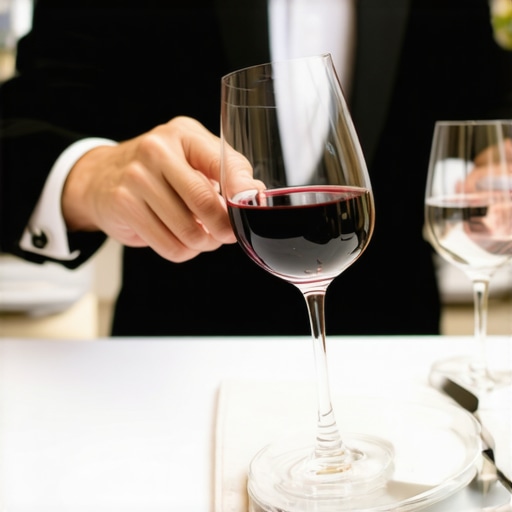 Even if you are planning something more personal, like innovative catering ideas for modern weddings, the logic remains the same: the staff should be the invisible engine of the event, never the centerpiece. Have you ever fallen into the trap of over-complicating your floor plan only to have it backfire? Let me know in the comments below.
I’ve learned that the ‘feeling’ of a smooth event isn’t magic; it’s a byproduct of very specific, often boring, tools. While most people are looking for the latest aesthetic trend, I’m looking at my radio signal. In massive hotel ballrooms, Wi-Fi is notorious for dropping exactly when the main course is being fired. This is why I refuse to use phone apps for internal communication. I insist on dedicated RF (Radio Frequency) headsets. Using a closed-loop system ensures that when I say ‘hold the beef,’ every single ear in the building hears it instantly. Mastering the ultimate guide to corporate event catering logistics means realizing that your tech stack is just as important as your menu. When we talk about scaling from a 50-person dinner to a 500-person gala, the biggest hurdle isn’t the food—it’s the communication lag. You need to train your team on server skills that make every event stand out, specifically the non-verbal cues. I’ve started implementing ‘shadow leads’—secondary captains who don’t manage staff but instead monitor the ‘energy’ of the room’s four quadrants. This is part of optimizing server efficiency to enhance event satisfaction, because it prevents the ‘waiter huddle’ where everyone gathers at the kitchen door.
How do I maintain these high standards during the peak of the season?
The secret is the ‘Audit and Adjust’ method. Every Monday after a busy weekend, I review the server-to-guest ratios. If a VIP table felt neglected, we don’t just blame the staff; we look at the math. This is why you should audit your server to guest ratio for VIP dinners after every single event. It’s about building a database of what worked. Looking ahead, I predict we’ll see more AI-integrated guest preference tracking—imagine a server knowing a guest’s allergy before they even sit down. To get ahead of this, I suggest you start using a centralized CRM for your ‘regulars’ now. According to the National Association of Catering and Events (NACE) standards on Service Excellence, ‘invisible service’ relies on the 15-foot rule: a server should be close enough to respond but never close enough to disrupt.
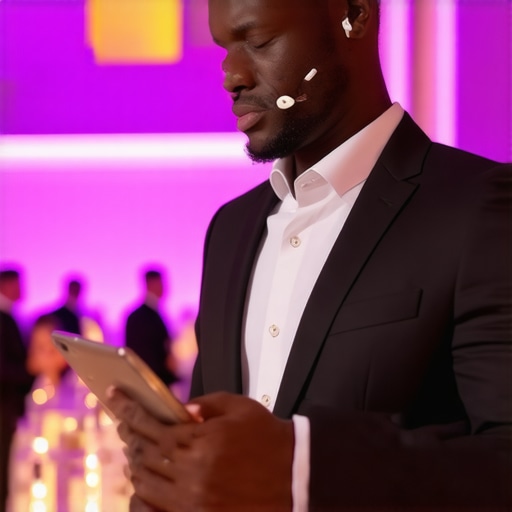
I want you to try something at your next event: give your team a ‘silent signal’ for water refills. No talking, no nodding, just a simple hand placement on the hip. You’ll be amazed at how much more ‘expensive’ the room feels when the noise level drops. If you’re looking for the best corporate event servers for 2025, start looking for the ones who already understand these subtleties.
The Reality Check Most Planners Only Get After a Disaster
The brutal truth I discovered is that a perfect event isn’t one where nothing goes wrong, but one where the guests never see the sweat. I used to think more staff meant more safety, but I realized that optimizing server efficiency to enhance event satisfaction is about precision, not headcount. Another lightbulb moment? The ‘vibe’ is set by the staff’s walking speed. If they look calm, the room stays calm. I also learned that you can’t be everywhere at once; you have to trust your leads. If you haven’t yet, boost your corporate event with expert server techniques by training your team to look for ’empty glass anxiety’ before it starts. It’s those server skills that make every event stand out that turn a logistical delay into an opportunity for better networking.
What I Keep in My Bag to Keep the Show Moving
I rely on a few non-negotiables: dedicated RF headsets (never phone apps), a laminated copy of the BEO, and a ‘pivot menu’ ready for the kitchen. I also highly recommend looking into best corporate event servers for 2025 to see how the industry is moving toward more specialized, tech-aware service teams. These tools aren’t just backups; they are the foundation of mastering corporate event planning secrets that allow you to breathe when the speaker is still ten miles out. I also trust the NACE Professional Standards and The Event Manager’s Bible by Desmond Levy for foundational logistics that never go out of style.
#IMAGE_PLACEHOLDER_E#
Step Into Your New Role as a Master of Momentum
Managing a crisis is just part of the job, but doing it with grace is an art form. Don’t be afraid to change the plan mid-stream—your guests will thank you for the extra appetizer or the early drink refill. Whether you are executing innovative catering ideas for modern weddings or a high-stakes board dinner, remember that you are the captain of the energy in that room. Your ability to pivot is what makes you a professional. Have you ever had to stall for a missing speaker or VIP? What was your go-to move to keep the room from going cold? Let me know in the comments below!