

There was a moment during a wedding reception I was catering in an old barn where I realized something crucial. The usual goal was to create a warm, romantic ambiance, but instead, the barn felt more like a hayloft than a sophisticated venue. The lighting was harsh, uneven, and, frankly, unflattering. I watched guests squinting and photographers struggling to get good shots. That night, I understood a vital truth: lighting can make or break the atmosphere—and it can do so without making your barn look like a stable.
Why Proper Lighting Matters Beyond Basic Illumination
Now, I know what some of you might be thinking: “Isn’t lighting just… lighting?” Well, let me tell you, there’s more to it than flipping on a few bulbs. Poor lighting can sabotage your entire event, making a rustic barn feel cold and uninviting rather than charming and elegant. It can also spotlight imperfections, cast unflattering shadows, or even make your space feel smaller and drabber. On the other hand, thoughtfully designed lighting accents your venue’s best features and sets the perfect tone—whether you’re aiming for intimate romance or lively celebration. In fact, experts say that good event lighting can increase guest satisfaction and even reduce stress for the photographer, ensuring your memories look as stunning as they felt in the moment (source: Gourmet Catering Co.).
But here’s the catch: many people believe that illuminating a barn requires elaborate, expensive setups that end up looking more like a stable. I’ve made that mistake early on—overly bright, overly staged, and totally out of sync with the rustic charm. I learned that the trick lies in balancing warmth, focus, and ambiance, rather than overpowering the space with glaring lights. With some strategic planning and a few tips I’ll share, you can light your barn beautifully without sacrificing its authentic character.
Ever Faced the Dilemma of Too Little or Too Much Light?
If you’ve ever felt unsure whether your barn lighting is flattering or just plain ugly, you’re not alone. Many of my clients have struggled with the same problem—trying to brighten the space without turning it into a floodlit warehouse. I get it—lighting can be intimidating because it’s both art and science. But don’t worry; there’s a simple way to master this challenge, and it starts with understanding your venue’s unique features and your event’s vibe. Ready to ditch the stable look for good? Let’s get into the practicalities of lighting your barn to create a stunning, inviting atmosphere that feels natural and warm.
Before we dive into the how-tos, think about this: have you ever attended an event where the lighting made you feel cozy and relaxed, or conversely, lost in shadows and glare? If your answer is yes—and I bet it is—you’ll want to pay close attention to the next steps. Proper lighting isn’t just an aesthetic choice; it’s a way to elevate the entire experience, impress your guests, and make your event photos truly pop. Now, let’s explore how to do this without making your barn look like a stable.
The Secrets to Lighting Your Barn with Style and Subtlety
From diffusing harsh overheads to highlighting architectural features, there are several strategies that can transform your rustic venue into a warm, elegant backdrop. But first, understanding the mistakes to avoid will save you time, money, and frustration—trust me, I’ve made more than my fair share of errors early on. Let’s look at common pitfalls and how to sidestep them, so your barn lighting enhances rather than overwhelms your beautiful space.
Selecting the Right Lighting Equipment
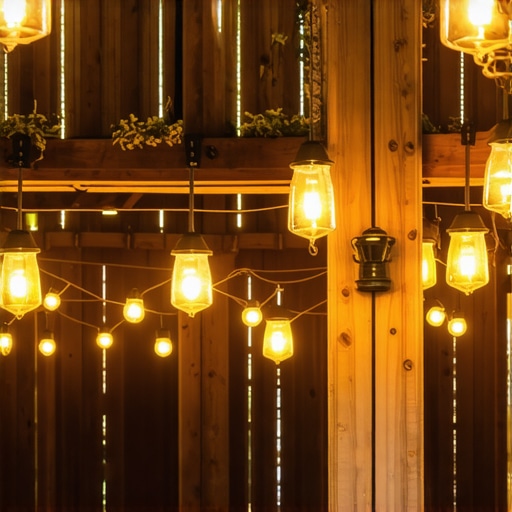
Start with dimmable LED string lights and lanterns, which add warmth and flexibility. During my first barn wedding, I opted for battery-operated Edison bulbs that hung along wooden beams, creating a cozy glow without overpowering the space. This approach avoided the look of harsh stadium lights and preserved the rustic charm.
Layering Light for Depth and Focus
Use Uplights to Highlight Architecture
Place small uplights around support columns or barn doors to accentuate architectural features. For example, I positioned warm white uplights near exposed rafters, drawing attention to the vintage beams and making the space feel more inviting.
Incorporate Soft Ambient Lighting
Diffuse light sources like fairy lights or paper lanterns can soften the overall atmosphere. I once draped fairy lights behind sheer fabric over windows, creating a gentle glow that complemented candles on tables.
Highlighting Key Areas Effectively
Focus on the Dance Floor and Bar
Use spotlights or narrow-beam LED fixtures to brighten the dance floor without spilling light elsewhere. During a wedding I coordinated, I used small pinspot lights to make the couple’s first dance pop, enhancing photography and guest experience.
Create Intimate Tablescapes
Place small candle or LED tea lights on tables, avoiding overpowering overhead lighting. In practice, I recommend flickering candles combined with low-hanging string lights for a romantic vibe that feels natural and relaxed.
Controlling Glare and Shadows
Position fixtures to prevent direct line-of-sight into guests’ eyes. I often bounce light off surfaces or use dimmers to adjust brightness levels. This prevents unflattering shadows on faces—crucial for capturing timeless wedding photos.
Utilizing Natural and Existing Features
Enhance structural elements with warm lighting, such as illuminating the rustic wooden beams or barn doors. During one event, I used portable heaters with built-in lighting to add warmth and ambiance simultaneously, making the space feel cozy even in cooler weather.
Test and Adjust Before Guests Arrive
Spend the evening before tuning your lighting setup. I learned this the hard way during a midnight walkthrough, discovering that some uplights cast unwanted shadows or that battery-operated lights needed fresh batteries for the next day. Fine-tuning ensures a seamless experience.
Integrate Lighting with Catering and Service Flow
Coordinate with your catering staff to ensure lighting doesn’t hinder service. For example, dimming the lighting slightly during food service improves visibility without sacrificing atmosphere. Check out wedding catering tips for strategies on smooth coordination.
When planning corporate events, weddings, or catering, many assume that following the popular advice or standard procedures guarantees success. But let me challenge a common belief: that adhering strictly to traditional norms ensures flawless execution. In my experience as an event professional, some of the most overlooked nuances can significantly impact the vibe, efficiency, and guest experience.
One prevalent myth is that more servers always lead to better service. While the idea of increasing staff might seem intuitive to avoid bottlenecks, overstaffing can cause confusion and reduce efficiency. When too many servers cluster around a single table or station, it creates chaos, hampers flow, and diminishes individual attention. Smart planning involves calibrating the number of servers based on guest flow and service style rather than simply increasing headcount. For example, during high-volume meals, implementing the 3-tray rule can streamline buffet lines more effectively than adding servers. This nuanced approach reduces waste and improves guest experience.
Another common misconception is that catering is solely about food. In reality, the presentation and pacing orchestrate the atmosphere. An often-neglected detail is timing—delivering courses at synchronized intervals to match the event’s mood. Overlapping speeches with courses or rushing dessert can spoil moments that should be cherished. As suggested by catering trends, focusing on pacing aligns with guest engagement and photo opportunities, enhancing overall satisfaction.
Why do many event planners underestimate the power of lighting to influence guest dynamics?
Lighting sets the emotional tone and guides guest interactions more than most realize. Subtle lighting can foster intimacy, stimulate conversation, or energize a dance floor—yet, it’s frequently an afterthought. Many assume that basic illumination suffices, but poorly planned lighting can drown the decor or create unflattering shadows. Strategic lighting design—employing dimmers, colored accents, and focused spots—can transform a standard space into an inviting spectacle. For instance, dimmed uplights on architectural features combined with soft ambient lamps foster an elegant atmosphere, even in non-traditional venues like industrial warehouses or outdoor gardens.
Specific pitfalls also threaten the flow of a high-stakes event. For example, unintentionally placing servers near entrances or busy zones can lead to congestion or awkward interactions. In such cases, meticulous movement planning is essential. An effective way to avoid this is mapping guest pathways, considering server routes, and training staff to anticipate needs discreetly. This approach enhances privacy and maintains the event’s ambiance.
Have you ever fallen into this trap? Let me know in the comments.
Finally, understanding the nuances between different event styles and client expectations is crucial. For example, a corporate gala demands different server etiquette and pacing than a wedding reception. Each scenario benefits from tailored strategies—whether it’s the type of service, decor integration, or timing coordination. Failing to recognize these differences can lead to mismatched expectations, dissatisfaction, or logistical breakdowns.
In conclusion, the key to elevating your event planning lies in paying attention to these hidden details. Avoid the trap of relying solely on common wisdom; instead, embrace a nuanced, adaptable approach. For deeper insights into optimizing your catering or servers, explore our professional server tips or wedding catering strategies. Implementing these subtle nuances will set your event apart, leaving guests with memorable experiences they’ll appreciate long after the last dance or final toast.
Ensuring your event runs smoothly over the long haul requires more than just clever planning on the day of. It hinges on reliable tools, diligent maintenance routines, and adaptability to evolving technology. From servers hosting live streams to catering equipment, having the right gear and upkeep practices can make or break your reputation.
Investing in high-quality, scalable equipment is paramount. For example, I personally prefer using wireless microphone systems like the Shure SM58 with the Shure PGXD receiver. They offer unwavering reliability during speeches or performances, reducing the risk of technical failures that could disrupt the flow. Regularly updating firmware and performing soundchecks in advance ensures any glitches are ironed out well before guests arrive.
For digital operations, project management platforms such as Asana or Trello are indispensable. I rely on them to assign tasks, monitor progress, and coordinate among staff, especially during multi-day corporate events. These tools help prevent oversights, facilitate quick updates, and allow for seamless scaling—whether you’re managing a team of 5 or 50.
When it comes to catering, maintaining the cold chain is critical. I recommend using portable refrigeration units like the Winco Reefer, which reliably preserve perishable ingredients during transport and setup. Consistent temperature monitoring, via Bluetooth-enabled probes, alerts you instantly if anything deviates from safe ranges, safeguarding guest health and ensuring quality.
How do I maintain equipment and tools over time? One key is scheduling rigorous routine checks—monthly HVAC inspections, annual calibration of AV gear, and replacing consumables like batteries and filters proactively. Developing a checklist for each category keeps maintenance systematic and prevents small issues from escalating.
The future of event management is leaning heavily into automation and IoT devices. Smart sensors, such as those from Siemens or Honeywell, can monitor lighting, temperature, and even occupancy patterns in real time, enabling immediate adjustments and reducing energy consumption. Integrating these advancements with your existing systems positions you as an innovator in the industry.
To truly elevate your event game, try implementing a remote diagnostics setup for your critical equipment. For instance, attaching IoT-enabled temperature probes to refrigeration units allows you to monitor their status remotely, alerting you instantly if intervention is needed. This proactive approach minimizes downtime and keeps your events running flawlessly.
Remember, consistent maintenance and the right tools aren’t just about avoiding failures—they’re about building trust with clients and guests. Invest in quality gear, develop routine checklists, and stay ahead with emerging tech trends. For more insights on optimizing your event operations, explore our professional server strategies and consider how automation can streamline your long-term setup.
Lessons That Reshaped How I Approach Events
- One of my biggest realizations was realizing that overcomplicating the lighting setup often backfires, making elegant venues look sterile or staged. Sometimes, simplicity—like warm fairy lights and subtle uplights—creates the most inviting atmosphere.
- Tracking small details, such as the timing of courses or server movements, has a ripple effect. A well-orchestrated flow prevents chaos, ensures guests enjoy every moment, and makes photography seamless.
- Investing in reliable equipment, from sound systems to portable refrigerators, saved countless headaches. Regular maintenance and testing become silent heroes that keep the event flowing smoothly.
- Understanding client expectations and venue quirks is more valuable than following generic checklists. Personalizing your approach elevates your service from good to unforgettable.
- Finally, embracing emerging tech—like IoT sensors for temperature or smart lighting controls—positions you ahead in the competitive landscape, offering peace of mind and a wow factor for clients.
Resources That Have Changed My Game
- Gourmet Catering Co. blog offers actionable tips on everything from lighting tricks to server protocols. Their real-world insights are gold for elevating your event planning.
- Shure SM58 wireless mics have been my go-to for reliable sound during speeches or performances. Trustworthy tech minimizes disruptions, letting the focus remain on the moment.
- Project management platforms like Trello streamline coordination, ensuring every team member is aligned and nothing slips through the cracks.
- Bluetooth-enabled temperature probes such as small food safety tech safeguard perishable items, maintaining quality and guest safety with confidence.
Your Next Step Toward Event Brilliance
Remember, the magic of a standout event isn’t just in the big moments, but in the subtle nuances that create seamless experiences. Whether it’s a wedding, corporate function, or social gathering, integrating these insights and tools will set you apart. Embrace innovation, pay attention to the details, and trust your expertise—your guests will thank you for it. Ready to implement what you’ve learned? What small change will you start with today? Share your thoughts below and start elevating your event success now!
,