

It was a chilly Saturday afternoon when I realized my floral arrangements looked flat and uninspiring, no matter how much I tweaked the colors or added fresh blooms. I had just finished arranging a wedding centerpiece, desperately trying to create a sense of depth and elegance, but everything still felt… too plain. That lightbulb moment hit me—I’d been sticking to purely high-end, costly blooms and overlooking the magic of blending in more modest, accessible flowers. The result? A lack of visual interest that left guests’ eyes glazed over instead of marveling at the décor.
Why Combining High and Low Floral Elements Changes Everything
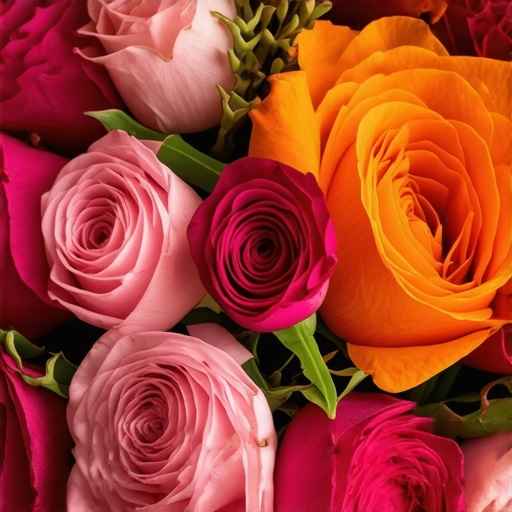
Over the years, I’ve discovered that mixing high and low floral arrangements isn’t just a budget-friendly hack—it’s an art form. When done right, this approach adds layers of texture, color variation, and a sense of natural spontaneity that captivates the eye. Whether you’re styling a corporate event, a wedding, or an intimate dinner party, contrasting luxe, statement blooms with humble, everyday flowers creates a richness that screams sophistication and warmth simultaneously. I promise that mastering this technique will elevate your décor from oversimplified to truly unforgettable.
Is This Trend Overhyped? Does the Mix Really Work?
Honestly, early in my career, I was skeptical. I thought, “Will combining different floral qualities just look messy?” I made a major mistake by overloading arrangements with mismatched flowers, thinking more is better. That chaos distracted rather than dazzled. But once I learned to balance the scale and focus on complementary textures, my arrangements transformed. Curious? Dive into how you can leverage this approach to make every event pop. And if you’re feeling overwhelmed, I recommend checking out professional tips on event styling for guidance. Ready to break free from bland florals? Let’s get into the practical steps that will turn your arrangements into visual masterpieces.
Choose Your Palette Carefully
Start by picking a cohesive color scheme that complements both luxe and humble flowers. I remember a wedding where I paired deep burgundy roses with simple white daisies—creating contrast that was both elegant and approachable. Select blooms that naturally blend together, avoiding clashes that disrupt harmony. Use color theory principles, like matching analogous shades, to ensure a seamless look.
Balance Texture and Size
Texture adds depth; combine smooth roses with textured grasses or fillers. When I arranged a centerpiece using hydrangeas alongside rustic wildflowers, I watched the richness emerge through varied surfaces. Place larger, statement flowers as focal points, then fill gaps with smaller, more accessible blooms. Think of it as building a layered cake—each component supports the next.
Layer Elements Strategically
Create a sense of depth by layering flowers at different heights. Use foam or floral oasis to hold flowers at varying levels, mimicking natural growth. I once built an arrangement where I inserted longer-stemmed lilies behind clusters of shorter chrysanthemums, giving a 3D effect that drew eyes inward. Emulate this by arranging blooms in clusters, ensuring no single flower dominates excessively.
Contrast but Don’t Clash
Introduce contrast through color, shape, or size but maintain cohesion. For example, pairing delicate baby’s breath with bold dahlias works well if their color palettes align. During a wedding I styled, I combined vibrant tulips with soft greenery, which highlighted both without overwhelming. Think of it as musical harmony—different notes coming together to form a pleasing melody.
Practice Makes Perfect with Real-World Trials
I recall the first time I over-amped a floral arrangement, stuffing it with every type of flower I had. It looked chaotic and confused guests. Now, I focus on moderation and balance. Test different combinations on a small scale before scaling up. For instance, I placed a mini version of my arrangement on my workspace, tweaking the balance until it felt right. This iterative process is key to mastering the blend of high and low blooms.
Utilize Resources and Inspiration
Regularly browse trend-focused sites like wedding trends to see what combinations are captivating designers today. Keep a swipe file of arrangements that inspire you. Subscription to floral magazines or online courses can also sharpen your eye. Remember, every arrangement is a learning experience—embrace trial and error as part of your growth.
Final Tip: Don’t Overthink It
Often, simplicity yields the most stunning effects. Aim for a balanced, cohesive look rather than clutter. One memorable wedding I styled had only three types of flowers, but their strategic placement, color harmony, and texture made it unforgettable. Trust your instincts and keep refining your technique with practice and observation.
 Many professionals believe that executing a flawless event hinges solely on meticulous planning and beautiful décor. However, as an industry expert, I can tell you that there’s a hidden nuance often overlooked: the misconception that standard procedures fit all scenarios. In reality, each event type—be it a corporate gala, an elegant wedding, or a bustling catering service—demands tailored strategies that go beyond generic templates. One myth is that more staff always mean better service, but overstaffing can lead to unnecessary chaos and higher costs. Instead, understanding optimal server-to-guest ratios, as discussed in top server tips, ensures efficiency without crowding the floor. Additionally, many assume that formal presentation equals rigidity; however, flexibility is essential, especially when managing unexpected guest requests or logistical hiccups. For example, during a high-profile wedding, rigid adherence to plans caused delays, whereas adaptable servers swiftly adjusted, resulting in happier guests and smoother flow. A common trap is neglecting the importance of layout design—placing the bar near the dance floor might seem logical but usually hampers guest movement, as shown in this insightful guide. For the seasoned planner, understanding the advanced nuances of timing, resource allocation, and spatial arrangement is crucial. According to a study by the Event Design Collective, nearly 70% of successful events are distinguished not just by their theme but by how well the operational intricacies are customized to each occasion. Remember, no event is the same, and applying a cookie-cutter approach often backfires. Have you ever fallen into this trap? Let me know in the comments and share your experiences with managing complex events.
Ensuring your catering setup and server operations stay flawless over the duration of an event requires more than just initial planning—it’s about ongoing maintenance and utilizing the right tools. From managing multiple catering stations at a high-profile wedding to coordinating servers during a corporate gala, having the right equipment and routines can make all the difference.
Invest in Reliable Equipment for Long-Term Performance
First and foremost, durability matters. I personally prefer using heavy-duty, stainless steel chafing dishes over lightweight aluminum ones. They’re less prone to warping and easier to keep clean, which maintains presentation quality throughout the event. For serving utensils, high-quality stainless steel tools with ergonomic grips minimize fatigue and expedite service. Additionally, investing in portable warming trays with adjustable thermostats allows you to maintain optimal food temperatures without constant supervision. Combining sturdy equipment with regular maintenance ensures your setup remains professional-looking and functional from start to finish.
How do I maintain catering equipment to prevent failures during an event?
Regular cleaning and pre-event checks are vital. Before the event, inspect all electronic devices, ensuring cords are intact, and test warming elements and timers. I always run a full test of my audio-visual equipment, such as wireless microphones and portable speakers, as outlined in this guide. Keeping spare parts—like replacement heating pads or extra batteries—in your kit helps address unexpected issues swiftly, preventing disruptions. Scheduling weekly equipment checks and establishing a maintenance log can help spot potential problems early, saving time and money during critical moments.
Leverage Software for Coordination and Efficiency
Beyond hardware, managing multiple moving pieces demands smart software solutions. I rely heavily on event planning platforms like Asana or Trello to assign tasks, track progress, and set reminders for equipment checks. When coordinating servers, I use specialized scheduling apps such as 7shifts, which streamline shift planning and enable real-time communication. This kind of digital organization minimizes errors and keeps everyone on the same page throughout long events.
Long-Term Results Come from Consistent Upkeep
Implementing routine maintenance and harnessing robust tools translates into memorable, glitch-free events that impress clients and guests alike. In the catering world, where presentation and reliability are everything, neglecting equipment care can lead to last-minute failures that tarnish your reputation. That’s why I dedicate 10 minutes after every event to clean, inspect, and log the condition of all tools used. Over time, this habit ensures peak performance and extends the lifespan of your gear.
Scaling Up Success with Proper Tools
As your operation grows, automation and integrated systems become indispensable. For larger events, consider modular warming and cooling stations with digital controls that can be synchronized remotely. Additionally, investing in quality server communication devices, such as wireless headsets, ensures clear, hands-free communication—even in noisy environments. According to industry standards outlined in this comprehensive guide, seamless coordination relies heavily on both physical infrastructure and effective communication channels. Testing these systems regularly guarantees reliability at scale.
Looking Ahead: The Future of Event Maintenance Tools
Emerging trends point towards smarter equipment with IoT integration that alerts you of malfunctions before they happen, and AI-powered scheduling tools that optimize maintenance cycles. Embracing these technologies now can position your business at the forefront of the industry, delivering more consistent experiences than ever before. I encourage you to start by implementing a routine check with your most critical equipment, pairing it with detailed logs—you might be surprised at how much smoother your events run. Ready to take your operations to the next level? Try adopting a maintenance app like Fiix or Upkeep, which can automate reminders and provide detailed reports, ensuring nothing slips through the cracks.
What I Wish I Knew When I Started Coordinating Events
One of the toughest lessons I learned early on was the importance of humility and adaptability. No matter how well you plan, surprises will happen—servers may run behind, equipment might fail, and guests will have unforeseen needs. Recognizing that perfection isn’t always achievable, but responsiveness is, transformed my approach from rigid to resilient.
Another insight was understanding the value of anticipating bottlenecks. Whether it’s a crowded buffet line or a jammed pathway, identifying potential issues before they arise allowed me to implement proactive solutions, saving time and reducing stress for everyone involved.
Finally, I realized that empowering my team through thorough training and clear communication makes a significant difference. When servers know exactly what’s expected and have the tools they need, the entire event benefits from smoother execution and elevated guest experiences.
My Favorite Tools That Elevate Event Success
For managing logistics and resources, platforms like best corporate event servers and logistics guides have been invaluable. They help me keep track of staff schedules, equipment maintenance, and supply inventories, ensuring nothing falls through the cracks.
In addition, I rely on communication tools like wireless headsets and scheduling apps such as Trello or Asana to maintain real-time coordination. These tools foster a unified team mindset and enable quick adjustments on the fly, which are often the difference between a good event and an unforgettable one.
Reading industry-specific books, like “The Art of Hospitality” and attending specialized courses, continually sharpen my skills and stay updated on the latest trends, reinforcing the importance of lifelong learning in this field.
Take Action and Transform Your Event Game
Now it’s your turn to bring these insights into your own events. Embrace flexibility, utilize reliable tools, and invest in your team’s growth. Every successful event starts with a commitment to excellence and a willingness to learn from each experience. Start small—perhaps with your next corporate gathering or wedding—and build from there. Remember, mastery comes from consistent practice and an open mind.
Are you ready to elevate your event operations? What’s one change you plan to implement today? Share your thoughts below and let’s grow together!
,