

I’ll never forget the sinking feeling I had at a corporate gala three years ago. We had spent months perfecting the cost-effective way to make a warehouse look like a luxury ballroom, using every Edison bulb in the city. In person, it was a vibe—moody, sophisticated, and intimate. On camera? It was an absolute disaster. The photographer I’d hired was brilliant with natural light, but once the sun went down behind those thick concrete walls, his equipment just couldn’t keep up. The result was a folder full of orange-tinted, blurry shots that looked more like a grainy security feed than a high-end event. I learned the hard way that a pretty Instagram portfolio isn’t the same thing as technical mastery of a dark room. If you’re currently scouting for someone to capture your event in a windowless loft or a moody basement, don’t make the mistake I did. Today, I’m walking you through the specific questions and portfolio red flags that will ensure your memories look as crisp and professional as the venue itself.
Why Your Favorite Instagram Style Might Fail in a Warehouse
Most of us fall in love with a certain aesthetic on social media. Usually, it’s that soft, glowing, “light and airy” look that seems so effortless. But here’s the cold, hard truth: that style often relies heavily on an abundance of natural window light. When you move that same photographer into a space with charcoal walls and zero windows, their signature look can fall apart into a muddy mess. You need to look for someone who understands off-camera flash and high-ISO performance. According to technical data from DPReview, while modern full-frame sensors have made massive leaps in low-light capability, the gear is only as good as the person operating it. I once hired a photographer who refused to use a flash because it “ruined the mood,” but without it, the 4 lighting tricks to make a concrete warehouse look warm we had spent hours setting up were completely lost in the shadows. To avoid this, you must prioritize technical skill over mere filter-matching.
Does their portfolio actually show a dark reception?
This is the biggest skepticism I hear from planners and couples: “Can’t they just edit it to look better later?” The answer is a resounding no. You cannot edit in light that wasn’t there to begin with without introducing massive amounts of digital noise. When you learn how to choose a wedding photographer who stays out of the way, you also need to ensure they aren’t so out of the way that they forget to bring the necessary lighting gear. Ask to see a full gallery—not just the highlights—of an event shot entirely indoors. Look at the skin tones. Are they naturally colored, or does everyone look like they have a strange orange tan from the tungsten lights? Have you ever looked back at event photos and wondered why they didn’t capture the actual energy of the room? I’d love to hear if you’ve ever struggled with grainy photos in the comments below. It’s also vital that your wedding photographer needs a shot list for the decor, especially in low light, because those detail shots require totally different camera settings than a moving dance floor. Moving forward, we’re going to dive into the specific equipment talk you should have during your first meeting to separate the pros from the amateurs.
Drill Into Their Low-Light Technical Setup
To get those crisp shots in a dark warehouse, you have to move past the creative talk and get into the weeds of their gear. Start by asking what their ‘native ISO’ limit is for a clean image. If they can’t answer this, they don’t know their equipment well enough. Modern sensors are great, but in a cavernous space, a photographer who relies solely on ‘available light’ is essentially gambling with your memories. I learned this during a product launch last year where the venue had these beautiful but dim industrial pendants. The photographer assured me his lenses were ‘fast’ enough, but because he didn’t use an external light source, every photo of the guests had deep, raccoon-like shadows under their eyes. It’s the same reason you need to know how to light a hotel ballroom without that yellow glow; the wrong equipment or technique will fundamentally change the guest experience and the final record of the night.
Why Off-Camera Flash is Non-Negotiable in a Concrete Box
Think of a warehouse like a giant light-swallowing sponge. To fight back, your photographer needs off-camera flash (OCF). This involves placing lights on stands around the room that trigger wirelessly when the camera shutter clicks. This creates dimension and depth, preventing the flat, ‘deer-in-headlights’ look of a flash mounted directly on top of the camera. When interviewing vendors, ask: ‘How many off-camera units do you bring, and how do you trigger them?’ A professional will usually have at least two or three units to cross-light the room. If the guest count is high, this is also a primary reason why you should hire two photographers for a 150-guest wedding—one can focus on the technical lighting of the environment while the other captures candid moments. 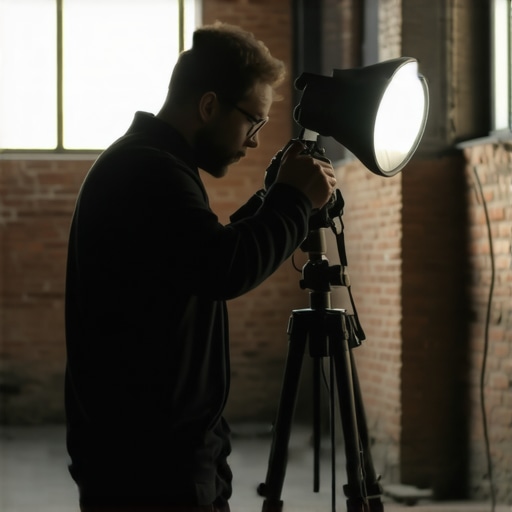
Force a Strategy for Complex Ceiling Heights
Warehouses often have two extremes: very high exposed rafters or black-painted ceilings. You cannot ‘bounce’ a flash off a black ceiling—the light just disappears. Ask your photographer how they handle non-reflective surfaces. If they say they use ‘modifiers’ like softboxes or umbrellas, you’re in good hands. If they look confused, they’re likely used to white-walled studios and will struggle in your industrial space. This technical foresight is just as important as ensuring why your video team needs a wireless audio feed; without the right technical infrastructure, the ‘vibe’ of the event won’t translate to digital media.
Synchronize the Visual Team with Service Flow
The best photos don’t happen in a vacuum; they happen when the photographer and the service staff are in a choreographed dance. I remember a gala where the photographer missed the high-stakes ‘champagne tower’ pour because he was changing batteries in a dark corner. Now, I always make sure the photographer connects with the lead server before the first course is even plated. Understanding how to spot a bad lead server in the first 10 minutes of an event is crucial because a great one will actually signal the photographer when the ‘hero’ plates are coming out of the kitchen.
The Secret Handshake Between Camera and Catering
Coordination ensures that no one is standing in the way of a key shot. Your photographer should have a copy of the catering timeline so they know exactly when the lights will dim for a presentation or when a burst of movement will happen during dessert service. For example, in a luxury wedding catering ideas for a fairytale atmosphere, the timing of the dry ice effect or a flambé station is critical. If the photographer isn’t briefed on the movement of the servers, you’ll end up with photos of the back of a server’s vest instead of the spectacular food. Technical mastery means being in the right place at the right time, with the right light already dialed in.Most event planners assume that to achieve a ‘white glove’ feel in a gritty industrial space, they simply need a small army of staff. I’ve seen hosts hire twenty people for a hundred-guest wedding, thinking it guarantees luxury. In my experience, that’s a recipe for chaos. In a warehouse setting, where floor plans are often open and kitchens are makeshift, throwing more bodies at the problem usually leads to ‘server collisions’ and a room that feels like a busy train station rather than an exclusive gala. Instead of volume, focus on optimizing server efficiency to enhance event satisfaction by selecting a smaller, more elite team that knows how to move in tight, unconventional corridors.
Stop Throwing More Bodies at the Problem
The biggest myth in high-stakes hospitality is that a high staff-to-guest ratio automatically equals better service. A study by the Cornell University School of Hotel Administration found that guest satisfaction is more closely tied to the quality and timing of interactions rather than the sheer number of personnel present. If you have too many bodies on the floor, you end up with servers standing around looking for tasks, which actually breaks the ‘event magic.’ You need to know how to coordinate server-movements to prevent hallway traffic-jams, especially when moving between a temporary kitchen and the main dining area. Have you ever been to an event where it felt like you were constantly dodging servers with trays? Let me know in the comments if that ‘busy’ vibe ever ruined a meal for you.
How does a non-traditional layout impact your guest satisfaction scores?
In a warehouse, the distance from the heat source to the table is your biggest enemy. Advanced planners don’t just look for ‘help’; they look for a specific type of expertise. You need to spot a bad lead server in the first 10 minutes of an event by watching how they manage the hand-off between the back-of-house and the floor. The ‘oops’ factor I see most often is the lead server getting stuck plating food in the kitchen. This is a fatal mistake because your lead server should never be the one managing the kitchen; they need to be on the floor, reading the room and anticipating guest needs before they become complaints. 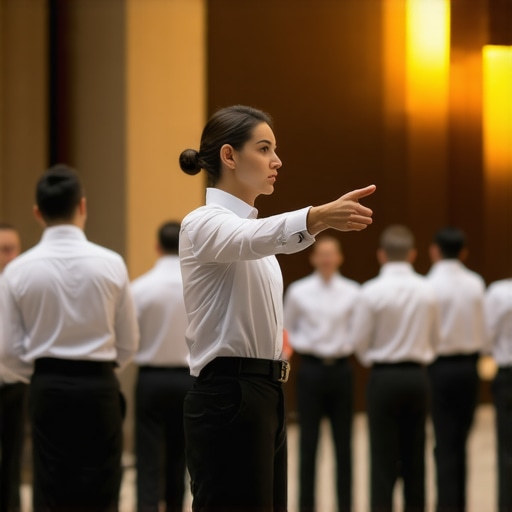
The Kitchen Trap That Ends in Cold Food
There is a hidden nuance in how a team communicates in a cavernous space. Sound carries differently, and if your team is shouting orders across a concrete floor, the luxury vibe is dead. This is where the hidden advantage of hiring a lead server who speaks multiple languages or uses discreet headsets comes into play. They can bridge the gap between a diverse kitchen staff and a high-end clientele without the guests ever hearing the gears grinding. I’ve seen events where the transition from the main course to the toast was delayed by fifteen minutes simply because the lead server was ‘in the weeds’ in the kitchen. To avoid this, look for the 3-signs your event server is a pro within seconds of meeting: they are looking at the guest’s eyes, not the floor; they move with purpose without running; and they are already coordinating with the photographer to ensure the room is clear for the big moments. These subtle server skills that make every event stand-out are what separate a polished corporate launch from a messy warehouse party. By prioritizing technical coordination over staff volume, you ensure the energy remains on the stage or the dance floor, not on the logistics of the meal.
Maintaining the high-wire act of a luxury event requires more than just a good eye for decor; it requires a literal tech stack that keeps the logistics from crumbling. I’ve seen too many planners rely on paper notes that get soggy in the kitchen or lost in a warehouse rafter. Personally, I don’t step onto a venue floor without a fully synced digital floor plan. I use tools like AllSeated or Social Tables not just to visualize the room, but to simulate flow. This is how you actually learn how to coordinate server-movements to prevent hallway traffic-jams before they happen. If you can see that a server has to squeeze past a 60-inch round table and a concrete pillar, you can fix it in the software in seconds rather than panicking during the salad course.
How do I keep my event standards high over multiple years?
The secret isn’t just hiring the right people once; it’s building a ‘Living Load-in Bible’ for every recurring client. This document shouldn’t just list the menu; it needs to document the quirks of the space, like which circuit breaker trips if you plug in too many coffee urns or which corner of the warehouse gets a draft. For my corporate clients, this consistency is what builds trust and leads to effective catering strategies for corporate event impressiveness. We also implement a ‘Post-Mortem’ within 48 hours of every gala to audit everything from food waste to the top server tips to elevate your event experience. If you aren’t reviewing the ‘near misses,’ you aren’t maintaining your standards—you’re just getting lucky.
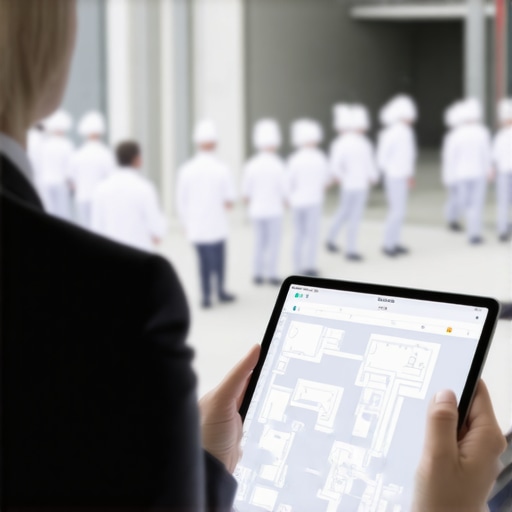
Communication is the other pillar of long-term success. I’ve moved away from loud, disruptive walkie-talkies in favor of discrete ‘push-to-talk’ apps like Zello used with Bluetooth earpieces. This allows the lead server to whisper a timing change directly to the kitchen without the guests ever knowing there’s a delay. This level of technical discretion is one of those server skills that make every event stand-out. According to the National Association for Catering and Events (NACE), the gold standard for ‘Synchronized Service’ requires a 1:10 server-to-guest ratio for plated meals to ensure every plate hits the table at the exact same second. Achieving this in a non-traditional space requires a leader who is virtually tethered to their team via these silent comms.
Looking ahead, I predict we are going to see a massive shift toward AI-driven heat-mapping for guest flow. We’re already starting to use basic versions of this to see where people congregate—usually the bar or the photo op—so we can adjust staffing levels in real-time. This is why you should always audit your server to guest ratio for VIP dinners; the data doesn’t lie, even when the ‘vibe’ feels right. If you want to level up your next event immediately, my challenge to you is this: ditch the paper floor plan and spend three hours mastering a digital layout tool. The precision you gain will save you three hours of headaches on the night of the event.
Realizations from the Darkest Warehouse Corners
After a decade of transforming cold concrete into warm, luxury experiences, I’ve realized that the ‘vibe’ is actually a byproduct of intense technical preparation. One of the most counterintuitive things I learned was that the small plate trend actually builds more trust with guests than a heavy buffet because it signifies control and intentionality in a space that often feels chaotic. I also learned to stop trusting my ‘gut’ about staffing levels and started using hard data to vet your caterers server to guest ratio before you book. Finally, never assume a photographer’s talent in a park translates to a windowless basement; if they can’t explain their lighting triggers, your memories will suffer. Technical mastery is what prevents the ‘warehouse’ from feeling like a ‘garage’.
The Digital Tools I Use to Prevent Logistics Disasters
To keep my events running with military precision, I rely on a specific tech stack. First, Zello has replaced walkie-talkies for me; it turns any phone into a discrete push-to-talk device, keeping the service floor quiet and professional. For floor plans, AllSeated is my go-to for simulating guest movement around those tricky warehouse pillars before the tables are even set. I also constantly revisit wedding catering tips from industry experts to stay ahead of equipment failures common in temporary industrial kitchens. Lastly, I keep a digital copy of the 3-signs your event server is a pro within seconds of meeting checklist on my phone to audit the staff during the first hour of every event, ensuring every interaction meets luxury standards.
#IMAGE_PLACE_HOLDER_E#
Bring Your Industrial Vision to Life
Planning an event in a non-traditional space is a high-risk, high-reward endeavor. By shifting your focus from pure ‘aesthetic’ to ‘technical mastery,’ you ensure that the beauty you see in person is preserved forever in your photos and felt in every bite of food. Industrial luxury isn’t about hiding the warehouse; it’s about using the right light and the right service flow to make that warehouse feel like the most exclusive room in the city. Now that you know how to vet your team for these unique challenges, you are ready to create something unforgettable. What is the biggest technical challenge you’ve faced when planning an event in an unconventional venue? Let me know in the comments below!