

It was a typical Wednesday afternoon when I realized I had absolutely no idea how to plan a corporate retreat that didn’t feel like a painfully repetitive work event. I watched my team shuffle into the conference room, eyes glazed over, as I handed out yet another itinerary filled with team-building exercises and keynote speeches. Honestly, it felt more like punishment than a reward. Have you ever been in that situation? If so, you’re not alone. The truth is, many organizers fall into the trap of making retreats all about the agenda and too little about genuine connection and fun. That’s the lightbulb moment that changed everything for me.
Why Most Corporate Retreats Miss the Mark and How to Fix It
Planning a successful corporate retreat that doesn’t feel like a chore is about shifting the focus from rigid schedules to authentic experiences. It’s about creating environments where people genuinely enjoy themselves while still accomplishing the company’s goals. The big mistake I made early on was overloading the schedule with activities that felt forced, which led to tired eyes and distracted conversations. According to a recent study by Harvard Business Review, employees who engage in meaningful social interactions during work events are 25% more likely to feel connected to their team and motivated at work. So, it’s clear that making retreats engaging isn’t just nice—it’s essential.
Is Changing the Approach Really Worth It?
Absolutely. When I first tried to play it safe by sticking to predictable team-building games, the response was tepid at best. It wasn’t until I started incorporating local culture, relaxed settings, and spontaneous activities that attendees actually looked forward to the event—and even talked about it long after. One of the biggest mistakes I made was reserving all the attention for structured activities and neglecting the importance of free moments for organic interactions. If you want to ensure your team leaves energized and more connected than ever, it might be time to rethink your approach.
If you’ve faced similar challenges or are curious about designing retreats that your team actually enjoys, stay tuned. We’ll explore practical, proven steps to craft memorable, effective corporate getaways that leave a positive impact without feeling like another work obligation.
Set Clear Goals Based on Your Team’s Needs
Begin by evaluating what your team truly values from the retreat. Is it networking, skill development, or simply relaxing? Conduct a quick survey or informal chat beforehand. For instance, I once asked my team what activities they’d enjoy most, which led me to incorporate a local culinary tour instead of typical icebreakers. This focused approach ensured the event was tailored and engaging, leading to better participation and satisfaction.
Design a Flexible Food and Drink Plan
Create a menu that balances professionalism with relaxation. Think of it as assembling a well-curated playlist—it should flow naturally and cater to different tastes. Include stations for quick bites during breaks and a sit-down meal for dinner. In a previous event, I coordinated with a caterer to set up stations offering regional specialties and demo stations. This not only excited guests but also fostered organic conversations around food, boosting guest interaction.
Prioritize Quality Over Quantity
Invest in select, high-quality ingredients instead of overloaded buffets. Remember, a simple, elegantly presented dish often leaves a stronger impression than a sprawling spread. I once replaced a massive buffet with a themed tapas station, which simplified service and enhanced guest experience. Servers can focus more on personalized service, which brings us to the next point.
Train Your Servers for Excellence
Professional servers are the backbone of great catering. Equip them with skills that go beyond basic serving—train them to read guest cues, handle special requests gracefully, and keep the flow smooth. Think of servers as the conductors of a symphony—they should facilitate harmony. I personally attended a seminar on server skills (see how server skills make your event stand out), which transformed our approach. When servers are confident and attentive, guests feel valued and pampered.
Prepare for Spontaneity with Organized ‘Free Time’
People connect best when they’re unstructured. Allocate specific times where guests can mingle freely, perhaps over signature cocktails or quick snacks. During one retreat, I set up a ‘crazy hat’ contest during a casual mingling break, which resulted in spontaneous laughter and bonding. This required some prep—setting up stations, briefings for servers—but the payoff was genuine connections that no structured activity could replicate.
Leverage Visuals to Elevate the Atmosphere
Use lighting, decor, and visual cues to guide and energize your guests. For example, soft uplighting can create a cozy vibe during dinner, while colorful LED accents energize the dance floor later. Think of the ambiance as the background music—subtle yet impactful. An image of a well-lit outdoor dining area (<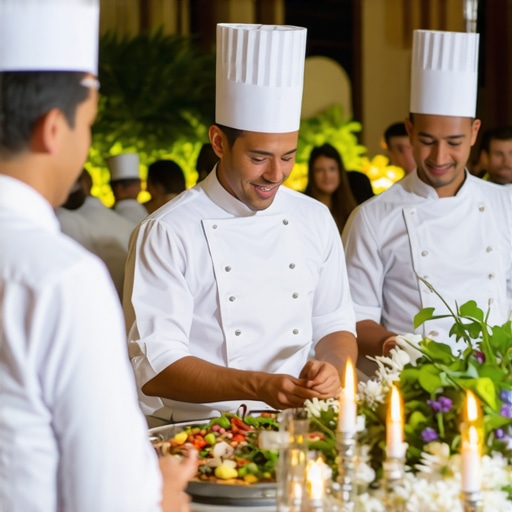 >) can illustrate how lighting transforms the space, making it more inviting and photogenic. Proper lighting extends beyond aesthetics—it influences guest behavior and mood.
Gather Feedback and Iterate
After the event, solicit honest feedback to refine your approach. Use simple surveys or informal chats. I did this once and discovered that guests craved more interactive food stations, prompting me to redesign the next retreat’s food layout. Remember, continuous improvement ensures each event surpasses the last, reinforcing team bonding and morale.
Many assume that good catering is just about quality food and timely service, but in my experience, this oversimplification overlooks crucial nuances that can make or break an event. One common myth is that hiring the most popular servers or the cheapest caterer guarantees success, yet the real differentiator is often hidden in the details of staff training and venue familiarity. For instance, a well-trained server team, equipped with advanced skills, can adapt seamlessly to unforeseen challenges, ensuring guests receive consistent, high-quality service. To back this up, expert server training significantly elevates overall satisfaction, especially at high-stakes events like weddings or corporate launches. Another misconception is that catering is only about the food; however, the presentation, timing, and even the sequence of courses involve complex logistics that often go unnoticed by the casual observer. Similar to how wedding trends evolve, the art of catering keeps advancing, emphasizing experience over mere sustenance. The critical mistake many planners make is neglecting the strategic deployment of servers and the importance of matching staffing levels to event flow, which directly impacts guest experience. For nuanced insights into professional serving skills and how they influence event success, check out this resource, highlighting how expert servers elevate occasions. An often-overlooked aspect is the impact of venue familiarity on staff efficiency. Without prior walkthroughs, servers might misjudge server paths or seating arrangements, leading to bottlenecks or awkward moments. This ‘hidden’ detail can cause Oops moments that mar the event’s flow. To avoid pitfalls like these, meticulous pre-event planning and staff briefings are essential, as discussed in this article. Lastly, many underestimate the importance of aligning catering and staffing with the event’s overall theme and guest expectations. Whether it’s a corporate banquet or a wedding reception, knowing what resonates with your audience helps craft a cohesive experience. Remember, catering isn’t just about filling bellies; it’s about creating lasting impressions through impeccable service, thoughtful presentation, and strategic planning. So, next time you’re organizing an event, look beyond the surface and focus on these hidden nuances that truly elevate the experience. Have you ever fallen into this trap? Let me know in the comments.Maintaining your catering setup and staff effectiveness over time requires not just good habits but also investing in the right tools and procedures. Personally, I rely heavily on digital inventory management platforms like Microsoft Excel combined with specialized software such as CaterLogic, which offers real-time tracking of ingredients, staffing, and equipment. These tools help me identify potential shortages or overstock issues well before they impact an event. Regularly updating your inventory data ensures your team has accurate information, streamlining prep and reducing waste.
Beyond software, having a reliable pair of Bluetooth headsets for servers ensures seamless communication during fast-paced events, minimizing errors and enhancing guest experience. I personally prefer models from Sena because of their durability and clear audio quality—crucial during high-noise venues. Additionally, investing in portable, battery-powered warming trays allows you to maintain food temperature when electricity isn’t immediately available, which is often the case in outdoor or unconventional venues.
Predictive maintenance is another game-changer. Scheduling weekly checks on vital equipment like dishwashers, ovens, and refrigeration units prevents unexpected breakdowns. For example, I follow manufacturer guidelines strictly and keep digital logs to track usage and service dates. This proactive approach means fewer last-minute surprises and longer equipment lifespan.
Looking ahead, integrating IoT-enabled devices that monitor temperature and machine health remotely is becoming more accessible and affordable. For instance, smart sensors can alert you to issues before they escalate, allowing for timely interventions. This trend represents a significant step toward fully automated maintenance routines, reducing manual checks and human error.
**How do I maintain high standards over time?** The key lies in consistent training combined with regular diagnostics of your equipment and staff workflows. Refresher training sessions ensure servers’ skills stay sharp, especially as new tools or service styles are integrated. Additionally, periodic reviews of service procedures—guided by customer feedback and operational data—enable continuous improvement.
If you’re eager to implement a cutting-edge tip, try setting up IoT sensors on your critical catering equipment. This investment not only safeguards your operations but also positions you ahead of the curve in event management technology. Remember, maintaining excellence isn’t a one-time effort; it’s a continuous process that involves the right tools and disciplined routines. For more about elevating your staff’s skillset, you can explore professional server training. Keep your gear and your team in top shape, and your events will run smoothly every time.
Lessons Only Retired Servers Know
One of the hardest lessons I learned was the value of anticipating guest needs before they even realize them. Early in my career, I thought delivering a good meal was enough; I now understand that exceptional service creates memorable experiences. I also discovered that flexible staff who adapt quickly beat rigid, script-following teams every time. The most enlightening insight was recognizing that small gestures—like refilling drinks promptly or noticing a guest’s allergy concern—can turn a simple meal into a standout moment that guests talk about long afterward.
Tools That Turn Catering From Good to Great
My go-to resources include top-tier training programs such as professional server training, which sharpen staff’s ability to handle any situation with grace. For logistical planning, I rely on digital inventory tools like CaterLogic, enabling real-time updates that keep everything running smoothly. When it comes to event setup, I swear by lighting and decor guides that help craft an ambiance that aligns with your theme and boosts guest energy levels. These curated tools have been essential in transforming routine catering into a bespoke experience.
Your Next Step Might Be the Most Exciting
As you plan your next catering event or corporate gathering, remember that every detail—service, presentation, environment—contributes to the overall impression. Don’t hesitate to experiment with innovative ideas, like interactive food stations or themed decor, that surprise and delight your guests. Embracing continuous learning and investment in quality tools ensures your events will stand out, leaving a lasting impact that fuels your reputation and your passion for excellence. Ready to elevate your catering game and create unforgettable moments? Take that first step today—your guests will thank you. Have you ever faced a challenge that turned into your biggest learning moment? Share below and let’s grow together.