

I still remember the moment I realized I had bitten off more than I could chew during a last-minute corporate retreat planning spree. Guests arrived exhausted, expectations sky-high, and the menu? Well, let’s just say it was *less than stellar.* That lightbulb moment taught me a crucial lesson: without a well-thought-out menu, even the most beautiful location can’t save an event from mediocrity. Planning a menu for a destination corporate retreat isn’t just about selecting fancy dishes; it’s about creating an experience that fuels productivity, fosters connections, and leaves a lasting impression.
Why Menu Planning Is the Heartbeat of Your Retreat
When teams travel to a remote or scenic destination, their experience hinges significantly on one thing — the food. If your menu isn’t aligned with the environment, the audience, and the logistical realities, you risk turning a potential success into a memorable mishap. A strategically crafted menu ensures your guests stay energized, comfortable, and engaged, turning your retreat into a seamless event rather than a chaotic scramble for sustenance.
Early missteps—like neglecting dietary restrictions or underestimating catering costs—can derail your event’s flow. For instance, I once overlooked the importance of diverse dietary options, and it cost me dear in guest satisfaction. Combining my personal lessons with industry insights, I discovered that effective menu planning isn’t just an art; it’s a science backed by strategic catering principles [learn more about effective strategies here](https://gourmetcateringsco.com/effective-catering-strategies-for-corporate-event-impressiveness).
Have You Faced This Common Pitfall?
It’s easy to get overwhelmed by choices, especially when coordinating a destination event with multiple moving parts. The good news? With a clear plan and a few insider tips, you can avoid pitfalls that might otherwise spoil your guest experience. In the upcoming sections, I’ll walk you through the practical steps to craft a menu that’s not only delicious but also perfectly aligned with your event goals and logistics. Ready to get started? Let’s dive in!
Chart Your Event Goals and Guest Needs
Begin by clearly defining your retreat’s objectives. Are you aiming to foster team bonding, boost productivity, or simply impress clients? Understanding your targets helps align your menu with the overall purpose. Next, gather detailed information on your guests: dietary restrictions, preferences, and cultural considerations. I once managed a retreat where I overlooked vegetarian options, leading to disappointed guests and the need for last-minute adjustments. To avoid this, create a comprehensive guest profile sheet that captures all dietary needs, ensuring inclusivity.
Create a Curated Menu Framework
Design a menu that balances nutrition, variety, and local flavors. Think of your menu as a balanced playlist—each dish should complement the others while providing an engaging experience. Break down your offerings into breakfast, snacks, lunch, and dinner segments, emphasizing fresh, high-quality ingredients. Incorporate versatile items that can be prepared ahead of time to streamline service. For example, I once prepared a Mediterranean salad in bulk, which was served warm or cold, reducing prep time and making service smoother.
Coordinate with Reliable Caterers and Vendors
Choose caterers experienced in corporate events and familiar with your venue. Establish clear communication channels, including menus, ingredient sourcing, and delivery timelines. I recommend conducting a tasting session and visiting their kitchens if possible. This step ensures quality and prevents surprises on the event day. For inspiration, explore strategic catering approaches detailed here: effective catering strategies.
Plan for Dietary Diversity and Special Needs
Integrate allergy-friendly, vegetarian, vegan, and gluten-free options seamlessly. Label dishes clearly to reduce guest confusion and reliance on staff for explanations. Remember, consulting a nutritionist or dietary expert can add value. During a past retreat, I worked closely with a dietitian to develop allergen-safe menus, which received praise from attendees and reduced staffing pressures.
Optimize Presentation and Service Flow
Presentation enhances appetite and sets the tone. Use attractive platters, garnishes, and consistent branding. To ensure smooth service, map out the serving flow—from kitchen to table—like a well-rehearsed choreography. Enlist seasoned servers trained in prompt, courteous service. For tips on elevating your team, see top server tips. When I organized a corporate brunch, assigning stations strategically minimized congestion and kept the event lively.
Implement Backup Plans and Feedback Loops
Always have contingency menus ready for unexpected weather or last-minute guest additions. Conduct post-event surveys for insights, refining your next menu. Remember, flexibility is key—your ability to adapt directly impacts guest satisfaction and your event’s reputation.
<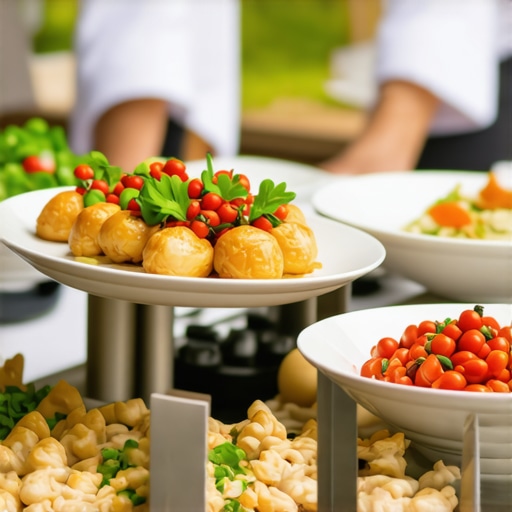 >While many believe that executing a wedding or corporate event is just about flawless logistics and stunning decor, experienced planners know there’s often a deeper layer of misconceptions. One common myth is that focusing solely on aesthetics guarantees guest satisfaction. In reality, many overlook the subtle dynamics of service quality and staff training that significantly impact the overall experience. For instance, high-end venues or luxurious setups can fall flat if servers lack professionalism or the team isn’t well-trained in guest engagement. In fact, studies show that the quality of service staff influences guest perceptions more than decor or menu design [see industry insights](https://gourmetcateringsco.com/top-server-tips-to-elevate-your-event-experience). A frequent trap in event planning is assuming that serving additional courses or elaborate displays compensates for poor timing or untrained staff. This mistake can cause delays, confusion, and guest frustration. An advanced consideration is how to optimize server efficiency during peak times—poorly planned service flow often leads to bottlenecks, which degrade the event atmosphere. Have you ever fallen into this trap? Let me know in the comments. Additionally, many underestimate the importance of tailored staff training for specific event types. Servers at a corporate networking event should focus on unobtrusive, fluid service, while wedding attendants must balance attentiveness with elegance. Implementing strategic training protocols, like those detailed [here](https://gourmetcateringsco.com/boost-your-corporate-event-with-expert-server-techniques), ensures that each team member enhances the event rather than detracting from it. Moreover, common misconceptions about event timing—such as too rigid schedules—often overlook the importance of flexibility. Skilled staff can adapt in real-time to unforeseen changes, maintaining a seamless flow without sacrificing guest comfort. Poorly managed timing can lead to rushed courses or extended downtime, diminishing the event’s impact. So, what are some advanced pitfalls you’ve encountered or avoided? Sharing your experiences can help others navigate these subtle but critical nuances in event execution.
In the realm of weddings, corporate events, and catering, staying ahead with the right tools is vital for ensuring smooth operations and longevity. Personally, I swear by a combination of reliable equipment and strategic software that streamlines every aspect, from service to post-event analysis. Consistent maintenance of these tools guarantees they perform optimally and extend their lifespan, saving you both time and money in the long run.
How do I maintain my event tools over time?
Regular checks and calibration are foundational. For example, I schedule bi-monthly inspections for my portable catering equipment, ensuring temperatures stay consistent and safety standards are met. Documenting maintenance routines becomes even more crucial as your event scale grows. Consider implementing a digital checklist using project management software like Trello or Asana—this keeps track of when tools are serviced and when replacements are needed. For handling the digital side, I utilize cloud-based solutions such as Google Drive to maintain warranties, manuals, and maintenance logs accessible across devices and teams.
Investing in quality tools is non-negotiable. I recommend equipment from brands like Rational for ovens or Meiko for dishwashers, known for durability and ease of maintenance. Similarly, software solutions such as catering management systems simplify order tracking, staff scheduling, and inventory control, reducing human error and improving overall efficiency.
Future Trends in Event Maintenance and Tools
The industry is trending toward automation and IoT integration, promising real-time monitoring of equipment health and predictive maintenance. For instance, smart sensors can alert you to potential failures before they happen, minimizing downtime. Embracing these technologies now can set you apart and ensure your events run flawlessly, regardless of scale or complexity. Stay updated with the latest developments and consider testing these advanced tools during smaller gatherings to gauge their effectiveness.
For anyone looking to elevate their operational precision, I suggest trying out remote diagnostics and maintenance alerts for your most critical equipment. Not only does this reduce emergency fixes, but it also enhances safety and compliance. Integrating such proactive strategies ensures your tools evolve with your growing event needs and remain a reliable asset over the years. As Kevin Taylor from TechHive explains, “The future of event logistics leans heavily on IoT and automation, making maintenance smarter, not harder.”
The Hardest Lessons I Learned About Weddings, Corporate Events, and Catering
- Sometimes, my most significant setbacks came from overlooking the intricacies of dietary restrictions. Ensuring inclusivity isn’t just a checkbox; it requires genuine attention and proactive planning.
- Relying solely on visual appeal without considering service flow can turn a beautiful setup into chaos. The smooth choreography of servers can elevate the entire experience beyond expectations.
- Assuming a one-size-fits-all menu reflects a misunderstanding of your guests’ unique preferences. Tailoring dishes that resonate emotionally creates memorable moments.
- Ignoring technological advancements in equipment and staff training can leave you behind. Staying updated with the latest industry tools makes the difference between average and exceptional.
- Neglecting feedback after each event stifles growth. Listening and adapting ensures continuous improvement in catering and service delivery.
My Essential Toolkit for Elevating Wedding and Corporate Events
- Effective catering strategies: These foundational principles have guided me through countless successful events.
- Top server tips: Training staff to be unobtrusive yet attentive has transformed guest satisfaction levels.
- Event planning secrets: Mastering logistics and timing keeps everything running smoothly, even under pressure.
- Luxury catering ideas: Incorporating local flavors and high-quality ingredients turns an ordinary menu into an extraordinary experience.
Your Turn to Try Making Every Event Unforgettable
Remember, every successful wedding or corporate event hinges on thoughtful menu planning, excellent service, and continuous learning. Don’t be afraid to innovate and adapt—it’s the key to creating memorable moments that guests will cherish. What’s one detail you’re excited to improve in your next event? Share your thoughts below and let’s grow together in this craft!
,