

Ever found yourself scrambling to assemble a menu for a crucial international business delegation, only to realize you’ve overlooked dietary restrictions, cultural preferences, or even simple logistics? I remember my first big event—thinking I had it all planned out, only to have a guest turn away from the dish because it was too spicy for their taste or, worse, because it contained ingredients they couldn’t consume. That lightbulb moment taught me a valuable lesson: menus for international groups aren’t just about food—they’re about respect, inclusivity, and seamless execution.
Why Getting the Menu Right Is a Deal-Breaker
Planning menus for international clients or delegates can feel like walking a tightrope. You want to impress, accommodate diverse tastes, and ensure everyone leaves satisfied. But the stakes are high—an ill-considered menu can derail your reputation faster than a misstep on the dance floor. According to recent research, nearly 70% of event attendees remember how they felt during the meal more than the speeches or entertainment (source: Gourmet Catering Co.), making this aspect crucial.
My early mistake was assuming I could serve the same platter to everyone, thinking that a universal menu would simplify things. It didn’t. Instead, it created confusion, frustration, and a lot of wasted food. That’s when I learned that proactive planning, cultural sensitivity, and logistical awareness are your best friends in menu design.
Is Overthinking the Menu Worth the Hassle?
Many professionals worry that accommodating every dietary restriction or preference will complicate their planning and inflate costs. I get it—I’ve been there. But ignoring these needs can backfire, leaving some guests hungry, others dissatisfied, and your event’s reputation taking a hit. My biggest lesson? Preparation saves your day. When you anticipate needs and prepare accordingly, the process becomes smoother and far less stressful.
If you’ve ever faced the challenge of catering to a diverse group, you know that the devil is in the details. From understanding cultural taboos to navigating dietary restrictions like gluten-free, vegetarian, or halal options, each decision counts. For instance, offering a variety of international appetizers—like sushi rolls, tapas, or falafel—can help bridge cultural gaps while also appealing to varied palates.
Ready to dive into some practical strategies? Next, we’ll explore how to tailor your menu to fit these diverse needs without turning your kitchen chaos into a disaster. But before that, do you have a story of a catering misstep or a lesson learned the hard way? Share in the comments below—you’re not alone, and I promise, learning from others is the fastest way to get ahead.
Scout Your Audience Thoroughly
Begin by gathering detailed dietary and cultural information. Use pre-event questionnaires or direct communication with key stakeholders to identify restrictions like halal, kosher, vegetarian, or allergy considerations. During a corporate event I hosted, I sent out a survey that uncovered a gluten intolerance among several attendees, allowing me to customize the menu accordingly and avoid last-minute surprises.
Design a Multi-Option Menu
Create a core menu with versatile dishes that cater to common preferences, then add specialized options. Think of it as assembling a toolkit—each item serves a purpose. For a wedding I organized, I included vegetarian spring rolls, gluten-free seafood salads, and meat-based tapas, ensuring all guests found something appealing without complicating service. Incorporate international classics like sushi or falafel to celebrate cultural diversity naturally, as seen in the magical wedding.
Coordinate with Your Kitchen and Suppliers
Effective communication is critical. Share guest details and expected dietary needs with the kitchen team and suppliers well in advance. Use checklists to confirm each dish is prepared accordingly. During a large business gala, I coordinated with the chef via a detailed chart, which helped prevent cross-contamination issues and ensured timely service. This preparation reduces confusion and keeps your service smooth.
Train Your Service Team
Properly educate servers on dietary restrictions, plating, and attentive service. Emphasize discreetly asking guests about special needs during service. For instance, I trained servers to recognize guests who might need gluten-free options, leading to more personalized attention. Mastering your staff can greatly enhance guest experience and avoid awkward moments.
Implement Clear Signage and Labeling
Use elegant labels for dishes, highlighting allergens and dietary features. Simple, visible cues guide guests to their choices and reduce confusion. At a wedding I managed, color-coded labels and small flags clarified which dishes were vegan, gluten-free, or spicy, helping guests make quick decisions without drawing attention from servers or other guests.
Set Up for Flexibility
Arrange buffet stations or service areas to allow easy access to separate dishes, preventing bottlenecks. Keep some backup options ready for last-minute adjustments. During one event, I prepped extra vegetarian options in case some guests arrived later or changed preferences unexpectedly, which avoided delays and kept service flowing seamlessly.
Many assume that orchestrating flawless corporate events, weddings, or catering simply hinges on precise logistics and good taste. However, beneath the surface lie common pitfalls rooted in misconceptions and overlooked details. Let’s dig deeper to expose these misconceptions and reveal how even seasoned professionals can stumble by ignoring subtle nuances. A significant misconception is that servers only need to follow orders; in reality, their environment and interaction significantly influence guest experience. Relying solely on scripts or rigid procedures can lead to stiff service and missed opportunities for personalized engagement, which industry experts like those at Gourmet Catering emphasize as crucial for memorable occasions.
Why The Biggest Mistake Is Neglecting Social Dynamics
One of the most insidious errors is underestimating the importance of social flow and guest behavior. Many planners focus on menu perfection and aesthetics, but overlook how server positioning, timing of dish delivery, and even small interactions influence guest perceptions. For instance, servers hovering too close or interrupting conversations can disrupt the ambiance and make guests uncomfortable. Conversely, well-trained servers who anticipate needs and read social cues can enhance guest satisfaction significantly—more than just delivering dishes. It’s a nuanced dance where understanding psychology and communication plays a critical role. According to research by Gourmet Catering, guest impressions are influenced more by service ambiance than by the meal itself. Be cautious: assuming that a good menu automatically translates into a positive experience ignores this complex social layer.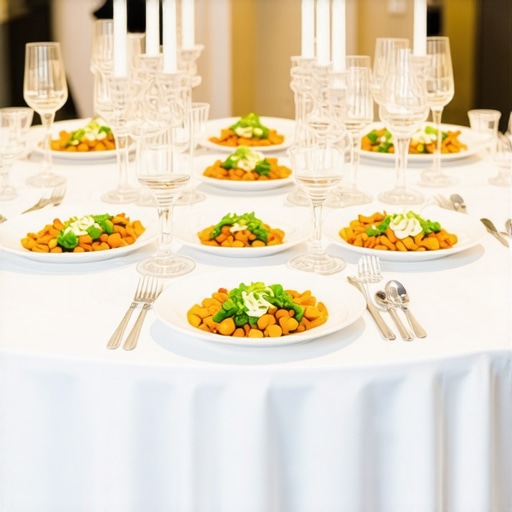
Another common misconception involves the static view of food presentation. Many believe that as long as the food looks good initially, the aesthetic will hold throughout the event. This neglects the impact of environmental factors like temperature swings, lighting, and table arrangements. For example, a buffet setup might look stunning but could lead to food cooling down or becoming contaminated if not planned with dynamic access in mind. To truly excel, you must consider logistics that support food quality over time, such as strategic placement of heated stations or agile service staff. Strategic setup and constant vigilance help prevent that dreaded “oops factor,” where food quality diminishes before guests get to enjoy it.
How can you elevate your understanding of these subtleties? Engaging with expert sources and embracing adaptive strategies is key. For professional server training, consider learning from seasoned professionals who emphasize nuance and attentiveness. Similarly, addressing the lesser-known aspects of layout and timing can prevent costly mistakes and elevate overall impression.
Finally, refine your approach by challenging assumptions: Never assume that perfect execution is merely about following checklists. It’s about reading the room, anticipating needs, and mastering the art of seamless adaptability. Have you ever fallen into this trap? Let me know in the comments, and share your experiences so we can all learn to navigate the hidden layers of success in corporate events and catering.In the fast-paced world of corporate events, weddings, and catering, maintaining smooth operations over time isn’t just about initial setup—it’s about leveraging reliable tools and consistent practices. My personal go-to is **Event Management Software like Tess**. I rely on Tess because it offers real-time task tracking, guest list management, and seamless communication channels that keep my team synchronized from planning to execution. Unlike generic tools, Tess’s custom dashboards allow me to monitor server assignments, check on dietary restrictions, and instantly adjust staffing needs without missing a beat. For long-term success, integrating such software helps prevent overlooked details and fosters accountability.
Another indispensable resource is **professional-grade kitchen equipment**, particularly induction cooktops. I prefer induction because they provide precise temperature control, which is critical when keeping food at optimal temperatures during long events. They are energy-efficient, easy to clean, and reduce the risk of accidents—a major plus during high-pressure setups. Coupling these with **high-quality chafing dishes** ensures your dishes stay warm and visually appealing throughout the event.
For communication, I swear by **walkie-talkies like Motorola Talkabout M210**. In earlier events, I relied on mobile apps, but the unreliable Wi-Fi or crowded signals often caused delays. Walkie-talkies offer instant, direct communication, especially across large venues or outdoor spaces. Investing in durable, weather-resistant models ensures my team stays connected regardless of environmental challenges.
On the logistics side, **workflow checklists created through Trello** have been game-changers. I organize task sequences, assign responsibilities, and attach relevant documents, which creates clarity and accountability. Regularly updating Trello boards keeps everyone aligned and helps me spot bottlenecks before they escalate.
Looking ahead, I predict event technology will lean more into automation—think AI-powered guest management and robotic service assistants. While these innovations are promising, the core of successful events still rests on well-maintained tools and disciplined processes.
### How do I maintain these tools over time?
Consistent maintenance and training are key. For software, scheduled updates and team onboarding sessions ensure everyone uses the latest features effectively. For equipment like induction burners and walkie-talkies, routine inspections, battery replacements, and cleaning prevent malfunctions. Additionally, creating a troubleshooting guide tailored to your team speeds up problem resolution and keeps the event flow uninterrupted.
Don’t hesitate to experiment with one of these tools during your next event. For example, try implementing a workflow checklist in Trello to streamline your setup and teardown processes—it’s a small change that can significantly boost reliability. Remember, investing time in maintaining your equipment and honing your team’s familiarity with these tools pays off with flawless execution and satisfied guests.
The Hidden Lessons From My Biggest Catering Flops
Over the years, I’ve realized that every catering mishap teaches more than any seminar ever could. One time, I underestimated the importance of detailed guest profiles, leading to a fish dish being served to someone with a shellfish allergy—an experience that silently reinforced the need for meticulous pre-event communication. These moments reminded me that success isn’t just about food; it’s about anticipating needs, reading social cues, and adapting on the fly.
Another tough lesson was the misconception that a dazzling buffet setup automatically ensures guest satisfaction. Temperature, flow, and strategic placement matter just as much as aesthetics. Discovering this reinforced the value of constant vigilance and flexibility during service, especially when dealing with diverse dietary restrictions and dynamic guest behaviors.
Finally, I learned that even seasoned professionals can get complacent about server training. Small details like discreetly offering seconds or recognizing a guest’s discomfort can elevate the entire experience. It’s about crafting a service environment where attentiveness and empathy are second nature—proving that stellar catering is as much about those intangible touches as it is about delicious dishes.
My Secret Arsenal for Catering Success
For tackling the complexities of event catering, I swear by tools like professional server training resources. They consistently remind me that empowering staff with nuanced skills transforms ordinary service into memorable experiences. Additionally, reading industry trend reports keeps me ahead of the curve, especially when curating menus that surprise and delight.
Equally vital are practical tools like comprehensive checklists that streamline operations and preempt chaos. From equipment maintenance to guest preferences, these resources help me maintain consistency under pressure. Lastly, learning from industry insiders continually refines my approach, reminding me that even small improvements can yield significant results in guest satisfaction.
Your Chance to Elevate Catering Confidence
Remember, every event is a chance to turn ordinary into extraordinary. By embracing continuous learning, leveraging the right tools, and staying attentive to social cues, you can craft catering experiences that resonate deeply with guests—long after the last plate is cleared. The future of seamless catering lies in your willingness to adapt, innovate, and listen even to the unspoken needs of your guests. Every challenge is an opportunity to learn and grow—so step up and make your next event genuinely unforgettable.
What’s been the most surprising lesson you’ve learned from catering or event planning? Share your stories below—you might just help someone else avoid a costly mistake!