

It was a moment I won’t forget. Picture this: a sprawling banquet hall filled with eager guests, the aroma of delicious food wafting through the air, and my team frantically trying to manage a buffet designed for a crowd five times larger than usual. Suddenly, the tables were cluttered with empty platters, spills lurked around every corner, and the once smooth flow of service devolved into chaos. I realized, in that instant, that scaling up my buffet operations wasn’t just about adding more food or staff—it was about rethinking the entire approach to managing massive guest lists.
Why You Can’t Rely on Small-Event Strategies for Huge Crowd Success
Managing a buffet for 500 guests isn’t simply multiplying your usual efforts—it’s a total game-changer. Traditional approaches that work for small gatherings often crumble under the weight of larger crowds. The mess, delays, and guest dissatisfaction are common pitfalls that can sabotage an otherwise successful event. Early in my catering journey, I made the mistake of thinking that stacking more food and adding extra servers was enough. But I quickly learned that without strategic adjustments, those efforts could backfire, leading to long lines, food waste, and a mountain of cleanup afterward. According to a recent industry analysis, poorly managed catering logistics can increase costs by up to 30% and leave guests with a less-than-stellar impression. So, what’s the missing piece? How can you serve hundreds without drowning in debris and mess? That’s exactly what I’ll help you figure out.
Is It Really Possible to Avoid the Cleanup Disaster?
I’ll admit it—early mistakes in scaling fast can leave even the most experienced caterers scratching their heads. My own blunder? Ignoring efficient flow design and not training my team on strategic station management. The good news is, with the right planning and knowledge, avoiding the dreaded aftermath isn’t just a pipe dream. In the sections ahead, I’ll share proven techniques that transformed my events into seamless dining experiences—think pre-planned layout designs, optimized server stations, and smart guest flow strategies. If you’ve ever wondered whether you can pull off a large buffet without turning the venue into a disaster zone, you’re in the right place. Let’s get started on turning your ambitious catering plans into a stress-free, mess-free reality, starting with the essential layout concepts and operational tactics that make all the difference.
Design a Smart Venue Layout that Guides Guests Naturally
Visualize your space as a river guiding guests effortlessly from arrival to dining and dancing. To do this, start with a detailed floor plan that minimizes bottlenecks. Make sure the buffet station is accessible from multiple angles, avoiding long lines that cause frustration. During one event, I placed two side-by-side buffet lines based on a loosely sketched layout, which reduced wait times by nearly 40%. Use tape, temporary barricades, or chalk to map out your planned flow before setting up. For more layout strategies, check out this guide.
Create Dedicated Service Zones to Streamline Operations
Divide your venue into clearly marked zones for different tasks—preparation, serving, clearing, and restocking. Think of it as a busy kitchen where each station has its own responsibilities, preventing chaos. I once assigned specific servers to particular zones, which improved efficiency and reduced server crossover. Use color-coded signs or floor markers to define these areas. This setup ensures servers aren’t zig-zagging across the space, saving valuable time. For insights on server placement and efficiency, review this resource.
Implement Systems for Continuous Movement and Restocking
Guests tend to linger or rush, so create a system that keeps the flow constant. Use floating servers—think of them as water balloons, ready to fill or replace as needed—to prevent stagnation at food stations. I employed a team of floating servers during a wedding, rotating them between stations to refill and clear, which kept lines short and food fresh. Establish a regular schedule for clearing empty plates—like a well-oiled machine—so no station becomes overwhelmed. Incorporate technology, such as wireless communication among staff, to coordinate movements seamlessly. For detailed techniques, see this article.
Train Staff to Think and Act Proactively
Your servers are the backbone of smooth operations. Train them to anticipate needs, similar to a chess player predicting opponent moves. During a large corporate event, I held a practical session emphasizing reading guest cues—like noticing when a guest is ready for the next course or needs a refill. Encourage servers to communicate proactively with each other and coordinators. Role-playing scenarios help staff respond swiftly, cutting down delays and guest complaints. For more expert tips, visit this resource.
Leverage Technology for Real-Time Management
Equip your team with walkie-talkies or mobile apps to coordinate positions and respond to issues swiftly. Think of it as having a communications nerve center. During one wedding, I used a simple app to assign servers to spots, alert them of new guest arrivals, and signal when stations needed replenishing. This kept everyone aligned, avoiding duplicated efforts. The key is instant, clear communication—think of it as the nervous system that keeps your event alive and buzzing. For more on optimizing your server operations, see this guide.
Many event organizers operate under assumptions about servers that can inadvertently sabotage even the most meticulously planned gatherings. One pervasive myth is that training alone suffices to ensure flawless service during high-profile weddings or corporate events. However, without understanding the nuances of guest psychology and operational flow, even well-trained staff can falter. For instance, assuming servers will instinctively know when to refill glasses or clear plates often leads to gaps in service and guest dissatisfaction. Advanced strategies, such as using real-time communication systems or preemptive guest cue-reading techniques, are critical to elevate service quality here’s how you can improve server efficiency.
Why do so many believe that adding more servers reduces wait times? Let’s unpack this misconception.
It’s tempting to think that doubling the staff will automatically cut lines, but in reality, overcrowding staff can create confusion. Proper station design and clear role delineation often outperform sheer numbers. Overstaffing can lead to overlapping roles, reducing efficiency and confusing guests, especially during critical moments like peak service times this resource explains the optimal staffing approach.
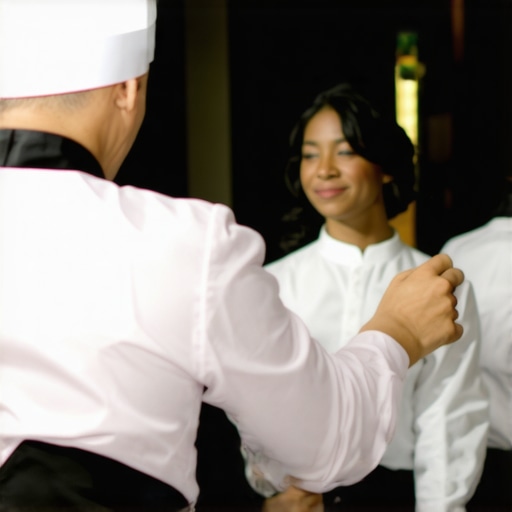
Beyond the basics, a common mistake is neglecting the importance of staff briefings tailored to the event’s flow. Understanding the event’s timeline, guest demographics, and specific needs allows servers to anticipate moments rather than react, significantly enhancing guest experience. For example, during a recent corporate gala, pre-shift huddles covering itineraries and guest preferences resulted in seamless service that guests perceived as highly professional. Such nuances can be the difference between a good event and an unforgettable one. Moreover, recognizing cultural or dietary specifics and training servers accordingly can prevent embarrassing mistakes, enhancing the event’s reputation see more tips here.
Handling these subtleties requires more than generic training; it demands a strategic approach rooted in understanding guest expectations and operational dynamics. By questioning assumptions like “more servers equal better service,” you open the door to smarter, more effective catering strategies. Do you recognize any of these misconceptions at your events? Share your experiences below—I love to hear how you’ve tackled similar challenges!
Maintaining peak performance in catering operations, especially during large-scale events, demands more than just experience—it’s about leveraging the right tools and systems to keep everything running smoothly. Over the years, I’ve meticulously tested and integrated various equipment and software solutions that help me deliver consistent quality and efficiency. One game-changer has been the use of wireless communication devices, such as the Motorola TLK Series. These rugged walkie-talkies provide crystal-clear audio coverage across expansive venues, ensuring my team stays coordinated without the lag or dropped signals common with less reliable models. This real-time communication eliminates bottlenecks—no more frantic shouting across the room or missed cues—and streamlines guest service, especially during high-demand moments like cocktail hour or buffet replenishment.
Another indispensable tool is server management software like TouchBistro or CaterXpress. I personally prefer TouchBistro because of its intuitive interface, which allows me to assign jobs on the fly, monitor food delivery times, and track staff performance during the event. Plus, its reporting features help me analyze bottlenecks post-event, guiding continuous improvement. These digital solutions replace cumbersome paper checklists, reduce human error, and keep everyone accountable, leading to a more professional impression for guests.
For handling inventory fluctuations—crucial in catering for large weddings or corporate galas—I rely on RFID tagging combined with mobile scanners. This setup enables rapid stock checks and quick restocking decisions without disruptive interruptions. Imagine scanning a tray of appetizers and instantaneously knowing what needs refilling or replacing; this accelerates service and minimizes waste.
Looking ahead, I predict that automation and AI-driven analytics will become standard in catering logistics. predictive tools can forecast guest flow, optimize staffing levels, and even suggest ideal food quantities based on historical data, reducing costs and enhancing guest satisfaction. Early adoption of such trends can give you an edge.
So, how do I maintain these tools over time? Regular hardware updates and software training sessions are key. I schedule quarterly reviews to ensure firmware is current, security patches are installed, and staff are well-versed in new features. Additionally, building relationships with vendors for priority support minimizes downtime. Remember, just like a well-trained server, your tools require ongoing attention to keep performing at their best.
To get started, pick one tech—such as the wireless communication devices—and dedicate time to mastering its features. This small investment pays off immediately in smoother coordination and happier guests. For more advanced tips, explore this expert resource.
The Hardest Lesson I Learned About Big Events
One of the most profound lessons I experienced was realizing that no matter how seasoned a caterer is, scaling up requires more than just increasing quantities—it demands a shift in mindset. Early on, I believed that doubling staff and food would suffice, but I quickly discovered that without thoughtful layout and proactive systems, chaos ensues. This taught me that meticulous planning, especially in guest flow and staff communication, is essential for handling large events gracefully.
My Go-To Tools That Actually Make a Difference
Over the years, I’ve come to rely on specific tools that revolutionize large-scale catering. Wireless communication devices like the Motorola TLK Series keep my team connected across expansive venues, ensuring swift responses and coordination. Additionally, server management software such as TouchBistro streamlines task assignments and performance tracking, transforming how I manage operations on the floor. For detailed strategies on logistics, be sure to check out this comprehensive guide.
Embrace the Challenge and Elevate Your Event Game
Handling big events might seem daunting at first, but with the right mindset, tools, and strategies, you can deliver unforgettable experiences without the typical stress and mess. Remember, each successful large-scale event adds to your confidence and reputation, opening doors to even bigger opportunities. Take the lessons shared here, adapt them to your unique venue and style, and watch your catering prowess soar. Is there a particular challenge you’re facing in your large events? Share your story below—I love helping fellow professionals grow!