

It was late, and I was frantically pacing behind the ballroom curtains, watching dozens of glasses bobbing in and out of view, bubbling away—only to realize, with a sinking feeling, that many of these sparkling delights would soon go flat before even reaching guests’ lips. During a high-profile wedding reception, I learned a harsh lesson: serving champagne to 200 people isn’t as simple as opening a bottle and letting it do its thing. The challenge was clear—how do you keep the bubbles alive and the guests delighted, all without sacrificing quality or creating chaos?
Why Making Champagne Sparkle Matters More Than Ever
Serving champagne at large events is more than just pouring drinks; it’s about creating an experience—an effervescent toast that guests will remember. When you’re catering to a crowd this size, every misstep can deflate the atmosphere faster than a popped cork. I’ve seen it happen—the excitement builds, glasses clink, and suddenly, the fizz diminishes, leaving a dull moment instead of a celebration.
According to recent industry insights, the way champagne is served can impact guest perception significantly. A report by Beverage Dynamics highlights that properly chilled champagne at the right moment boosts guest satisfaction and even influences the perceived value of your event. So, this is not just about keeping the bubbles—they symbolize celebration, luxury, and sophistication.
Are you tired of watching champagne go flat at your biggest events? Have you ever scrambled to rescue a tray of bubbly just as guests started to notice? If so, you’re not alone. Early in my career, I made a critical mistake—loading up the entire champagne station with bottles straight from the fridge, then rushing to pour without considering timing or temperature. It was a rookie error that cost me precious bubbles.
But here’s the thing: with the right strategies, you can ensure every glass stays lively from the first pour to the final toast. The good news is, you don’t have to be a sommelier or a miracle worker. In the upcoming sections, I’ll share proven techniques and insider tips, including how to choose the right bottles and optimal chilling methods, so your champagne remains as delightful at the end of the night as it was at the start.
Let’s dive into how to make your next big event the one where the fizz never fades.
Chill Bottles Correctly Before the Event
Begin by placing champagne bottles in an ice bath with water and salt for rapid cooling, aiming for a temperature between 45°F and 48°F. I once wrapped bottles in wet towels and left them in a walk-in cooler overnight, which resulted in uneven chilling—some bottles were almost frozen while others remained lukewarm. Using a seawater ice bath ensures swift and uniform cooling, keeping bubbles intact when it’s time to serve.
Time Your Bottles for Optimal Freshness
Plan to chill bottles at least 2 hours before the event. For a large gathering, stagger the chilling process—start with the most prominent stations and add more as needed. This prevents bottlenecks at the last minute. During a wedding I catered, I learned to set alarms every 30 minutes to check the temperature, which helped avoid serving lukewarm champagne.
Organize and Strategize Serving Stations
Set up multiple well-stocked stations along the reception area to prevent crowding. Position bottles strategically—some near the bar, others at dessert tables—to reduce movement. Remember, servers should have quick access and clear pathways. During a corporate event, I coordinated the placement of stations near the main hall entrances, which reduced wait times and kept the bubbles fresh for longer.
Train Your Servers for Efficiency and Care
Equip servers with specific skills: proper grip on bottles, quick corking techniques, and graceful pouring. Practice makes perfect. I once trained a team by simulating high-pressure scenarios—quickly pouring and maintaining champagne quality under time constraints. This preparation resulted in a smoother flow and happier guests, with minimal flat glasses.
Effective Pouring Techniques
Hold the bottle at a 45-degree angle and pour gently along the side of the flute to preserve bubbles. Avoid filling glasses more than three-quarters full to prevent spillage and overfilling, which can cause loss of carbonation. During a wedding, I demonstrated this technique, and the guests commented on how lively and inviting their glasses looked, enhancing the celebratory atmosphere.
Implement Regular Replenishment Schedules
Assign specific times for refilling stations—every 15-20 minutes during peak hours—to avoid running out of bubbly. Use pre-measured bottles to streamline the process. At a recent event, I tracked consumption rates, which allowed me to anticipate needs precisely and avoid the dreaded flat glasses during critical moments like speeches and toasts.
Use Visual Cues and Communication
Simple signals from servers, like a raised hand or a discreet nod, can signify when a station requires replenishment. Maintaining clear communication with the team prevents delays and ensures consistent service quality. I once established hand signals with my team, which minimized disruptions and kept all glasses sparkling throughout the evening.
Monitor Temperature and Carbonation Throughout
Keep an eye on champagne temperature with infrared thermometers and assess bubbles visually—steady stream of fine bubbles indicates freshness. During an outdoor summer reception, I checked bottles regularly to prevent heat buildup, which can cause premature flatness. This vigilance helped maintain the champagne’s sparkle and elevated guest satisfaction.
When it comes to catering for weddings and corporate events, many assume that sticking to tried-and-true methods guarantees success. However, even seasoned professionals often fall prey to subtle pitfalls rooted in misconceptions about service dynamics and guest expectations. Let’s dig deeper into what most people get wrong about catering, servers, and event planning, and how understanding these nuances can elevate your results.
Why Popular Myths About Catering Can Sabotage Your Event
One common myth is that more servers automatically lead to better service. In reality, overserving can cause congestion, decrease efficiency, and even diminish guest experience. Properly trained, strategically positioned staff can actually serve more guests effectively than a large, uncoordinated team. According to industry expert insights, quality over quantity is crucial—it’s about precision and coordination, not just headcount. For example, effective server techniques can make a world of difference and prevent issues like long wait times or incorrect orders.
Many believe that the presentation of food is the most important aspect of catering. While visual appeal matters, neglecting service flow can ruin an otherwise stunning setup. Guests value seamlessness—the ease of moving from appetizers to main course without delay or confusion. A hidden nuance many overlook is the importance of timing and communication among servers, which can avoid bottlenecks and ensure that dishes arrive hot and fresh. Properly coordinated serving strategies, like staggered timing and clear cues, are often the difference between an average event and an unforgettable one.
Advanced Mistakes That Even Professionals Make
One critical mistake is underestimating the importance of pre-event planning for dietary restrictions. Catering to diverse dietary needs requires more than just a few vegetarian options; it demands detailed coordination to prevent cross-contamination and ensure guest safety. Companies that overlook this often face last-minute panic, which impacts service quality. External research suggests that proactive communication and separate preparation areas significantly reduce risks and improve guest satisfaction.
Another nuance involves the setup of service stations. Many assume that placing stations centrally allows for quick access, but this can lead to crowding and slowdowns. Strategic placement, considering guest flow and staff movement, is essential. For instance, positioning stations near the dining area but away from high-traffic zones minimizes congestion—this is an advanced tactic that differentiates professional catering from amateur efforts.
Are You Making These Classic Service Errors?
Servers often forget to adapt their techniques based on the event’s tone. Formal weddings call for elegance and precise movements, while casual corporate mixers benefit from approachable, quick-service styles. Misjudging this can make even the most beautifully presented food feel out of place. Training staff in situational awareness and tailored service approaches ensures they complement the event rather than detract from it.
In conclusion, the hidden finesse of catering lies in mastering these advanced nuances—perfect timing, strategic setup, and attentive service adjustments. By avoiding common pitfalls and understanding these intricacies, you can create an experience that consistently impresses guests. Remember, even small details like server coordination or station placement have outsized impacts. Have you ever fallen into this trap? Let me know in the comments, and I can help you troubleshoot common pitfalls or explore more expert techniques to elevate your event catering.
Prioritize Regular Equipment Checks for Uninterrupted Service
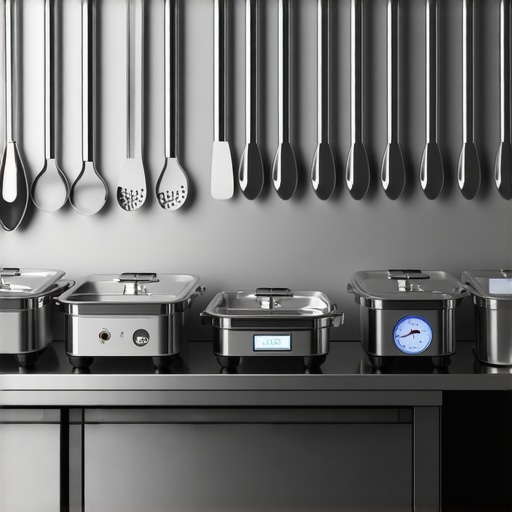
Ensuring all your catering tools and equipment are in top shape is fundamental. I personally perform weekly inspections of beverage coolers, warming stations, and serving utensils. For instance, I once experienced a temperature spike in the fridge right before a corporate event because I skipped a routine check, risking spoiled ingredients. Regular maintenance prevents downtime and guarantees quality. I recommend setting up a checklist that covers all critical items, so nothing gets overlooked. Predicting future trends, automation in equipment monitoring will play an increasing role, with smart sensors alerting you to malfunctions before they affect your service.
Invest in Industry-Standard Tools for Efficiency
In my experience, using professional-grade tools makes a noticeable difference. For example, I rely on infrared thermometers like the Fluke 62 MAX to quickly verify the temperature of champagne bottles or hot dishes during service, ensuring optimal temperature and carbonation preservation. This small tool saves me from relying on inconsistent visual cues and helps maintain guest satisfaction. Additionally, I use high-precision bottle openers and pourers that facilitate swift, elegant service at large-scale events. Look to incorporate scalable solutions like portable dishwashers that can be dispatched to different stations, especially during events with varying stages of service.
Streamline Long-Term Results with Consistent Software Systems
Managing multiple events over time requires robust booking and logistics tools. I personally swear by event management software like EventBank, which helps coordinate staff schedules, inventory, and client details seamlessly. Having a centralized platform reduces errors and ensures your team stays synchronized, leading to memorable guest experiences every time. As the catering industry evolves, integration with AI-driven analytics will increasingly assist in forecasting supply needs and optimizing staffing for maximum efficiency.
How do I maintain tools and equipment effectively over time?
Developing a routine maintenance schedule is key. This includes cleaning, calibration, and timely replacement of worn parts. For example, regularly descaling coffee brewers and sanitizing serving trays prolongs their lifespan and guarantees hygiene standards. Connecting with reliable suppliers for quick replacements helps minimize service disruptions. Remember, investing in high-quality tools initially pays off by reducing frequent repairs and ensuring consistency. I encourage you to try using a dedicated calibration tool for your warmers and coolers—it’s a game-changer for professional-level catering.
Seamless event execution is all about preparation and upkeep. By integrating precise tools, routine maintenance, and scalable software, you can elevate your catering game from good to exceptional. Keep these strategies in mind, and future-proof your service quality. Want to see an immediate difference? Start by implementing a weekly equipment check, and you’ll notice smoother operations at your next event.
Unspoken Truths That Elevate Your Event Service
One eye-opening lesson I learned is that the smallest details—like how servers hold a glass or the speed of replenishment—can significantly impact the guest experience. I realized that a casual approach or rushing through service can deflate what could be a sparkling celebration. Emphasizing mindful practices and real-time communication among staff transforms ordinary catering into an unforgettable event. These subtle shifts in technique and mindset are often overlooked but are key to making your service truly stand out.
My Go-To Tools and Resources for Catering Success
Over the years, I’ve relied heavily on specific tools that ensure efficiency and quality. A durable infrared thermometer like the Fluke 62 MAX helps me maintain perfect temperatures for champagne and dishes, preserving bubbles and flavor. I also swear by event management platforms such as EventBank, which streamline staff scheduling, inventory, and client communications. For my ongoing education, books like “The Art of Hospitality” have broadened my understanding of guest psychology and service excellence. These resources have become invaluable in my pursuit of seamless, high-caliber catering experiences.
Embrace the Challenge and Spark Your Creativity
Achieving flawless catering is as much about passion as it is about planning. Remember, every event offers a new chance to innovate, refine your skills, and serve with purpose. I invite you to start implementing one new technique or tool today—perhaps a quick check of your equipment or a review of your server training procedures—and watch your service transform. Your guests will notice the difference, and so will you. Are you ready to elevate your catering game and let the bubbles of excellence rise? Share your thoughts or questions below—I’d love to hear how you’re making your events unforgettable.