

It was the wedding of my dreams—until the photographer arrived. Bright-eyed, eager, and clutching a fancy camera, he seemed promising. But as the day unfolded, I noticed subtle signs that made me question his professionalism—an awkward way of holding his camera, inconsistent lighting, and a total lack of direction when capturing shots. That moment was a lightbulb: how can I tell if someone’s truly a pro before I even see their portfolio?
Why Recognizing a Professional Photographer Matters More Than Their Portfolio
Just like selecting reliable caterers or seasoned servers, choosing the right photographer can make or break your special day. You want someone who can handle unpredictable lighting, manage crowd dynamics, and adapt to unforeseen mishaps—all without breaking a sweat.
Getting duped by a charming amateur can result in wasted money and missed memories. Early missteps, like trusting a photographer solely based on their Instagram or word of mouth, can lead to disappointment. Over the years, I’ve learned that assessing professionalism goes way beyond a shiny portfolio. It’s about observing their behavior, technique, and attitude — even before they step behind the camera.
Are you tired of feeling unsure about who to trust with your big moments? Have you ever booked what seemed like a “great deal” only to be left with subpar photos? If so, you’re not alone. Today, I’ll share tried-and-true tips to help you spot a true professional—saving you stress and securing those priceless images.
Questioning Their Skills Before They Click
One mistake I made early on was focusing too much on a photographer’s portfolio and neglecting how they handle themselves in real-time. A dazzling online gallery doesn’t guarantee their skills at the moment when it counts. Instead, look for signs like their setup process, how confidently they direct subjects, and their responsiveness to sudden changes. According to industry experts, these non-verbal cues reveal a lot about their professionalism.
I remember once hiring someone based solely on rave reviews, only to realize during the shoot they lacked the experience to manage real-world lighting challenges. That was a lesson: observing their behavior on-site is just as important as reviewing their past work.
By paying attention to these details, you’ll better position yourself to pick a photographer who can truly deliver on expectations—no surprise disappointments, just beautiful memories. Ready to dive into the practical steps? Let’s explore how to vet your photographer like a pro.
Observe Their On-Site Confidence
During your initial consultation or meet-and-greet, pay attention to how the photographer behaves when setting up. Do they efficiently organize their gear, establish clear communication with your team, and move seamlessly through the space? I once watched a photographer arrive late, fumbling with equipment and hesitating to make decisions, which immediately raised red flags about their professionalism. A confident photographer acts like a seasoned caterer—knowing where everything goes, managing unexpected hiccups, and working quietly behind the scenes.
Test Their Technique in Real Conditions
Instead of solely relying on their portfolio, ask to see them in action or observe a sample shoot. For example, during a wedding shoot last summer, I shadowed a photographer whose setup was surprisingly simple—yet they quickly adjusted lighting when the sun shifted, directing the bride and groom with clarity. This hands-on check reveals their ability to handle unpredictable lighting, crowd management, and spontaneous moments—much like a server expertly navigating a busy reception ensuring every guest is served promptly.
Question Their Equipment Choices
Professional photographers invest in quality gear suited for different scenarios. In my experience, asking about their equipment shows their level of preparation. During a recent engagement shoot, the photographer carried multiple lenses and backup batteries, demonstrating anticipation for various situations. A pro’s gear is like a premium catering setup—versatile, reliable, and tailored for the event’s needs.
Request References and Past Client Feedback
Don’t hesitate to ask for references, just as you would with top-tier servers for a wedding. Contact previous clients to inquire about punctuality, responsiveness, and how well they managed unforeseen issues. I once spoke with a bride who was thrilled not only with her photos but also with how her photographer handled a sudden weather change—a true sign of professionalism.
Discuss Their Emergency Preparedness
Expert photographers have contingency plans, much like caterers preparing for power outages or equipment failures. When vetting, ask how they handle failed gear or bad weather. In my last evaluation, a photographer explained their backup plan involving multiple camera bodies and portable lighting, giving me confidence in their reliability.
Align Vision Before the Day
Just as catering menus should match the event theme, ensure their style aligns with your expectations. Share your vision, and observe their responses. If they grasp your aesthetic and can suggest suitable techniques, you’re on the right track. I once coordinated with a photographer who immediately understood my rustic theme, recommending natural light and soft filters—saving me hours of post-processing.
Assess Their Responsiveness and Professionalism
Finally, note their communication—do they respond promptly? Are they courteous and straightforward? These behavioral cues are akin to top servers—efficient, unobtrusive, and attentive to your needs. A quick reply to a query about packages and their willingness to answer detailed questions demonstrate dedication and professionalism.
By systematically evaluating these areas—behavior, technique, equipment, references, preparedness, style alignment, and responsiveness—you’ll avoid costly mistakes and secure a photographer who captures your moments with skill and grace. Remember, professional behavior isn’t just about portfolios but about how they handle every detail behind the scenes to ensure your day runs smoothly.
While most planners and hosts focus on the big picture—like menu selection or venue aesthetics—they often overlook subtle nuances that can make or break an event. One common misconception in the industry is the belief that flashy decor and trendy catering automatically guarantee guest satisfaction. However, in my experience, the true success lies in mastering logistical details and understanding human psychology behind service and presentation.
Don’t Be Fooled by Surface-Level Perfection
Many assume that hiring a high-profile caterer or flashy server team is enough. But the real magic happens behind the scenes—efficient communication, precise timing, and anticipatory service. A study by the Event Industry Council emphasizes that seamless execution significantly improves perceived quality, often more than the event’s visual elements. Learn about catering logistics for corporate success.
Are Your Guests Really Satisfied with the Service? Here’s How to Find Out
Few hosts realize the importance of monitoring guest reactions during the event. A subtle smile or a hesitation when reaching for food can indicate underlying issues like slow service or unappetizing options. Advanced planners observe guest body language and engagement levels—these are invaluable indicators of overall experience. Remember, professional servers trained in enhanced service techniques can adapt rapidly to guest needs, elevating the event’s quality.
Another overlooked aspect involves catering to dietary restrictions and personal preferences. While posting menus and asking for preferences beforehand helps, dynamic adjustments during the event are essential. For instance, having a dedicated staff member to handle last-minute dietary requests can prevent awkward situations and ensure inclusivity.
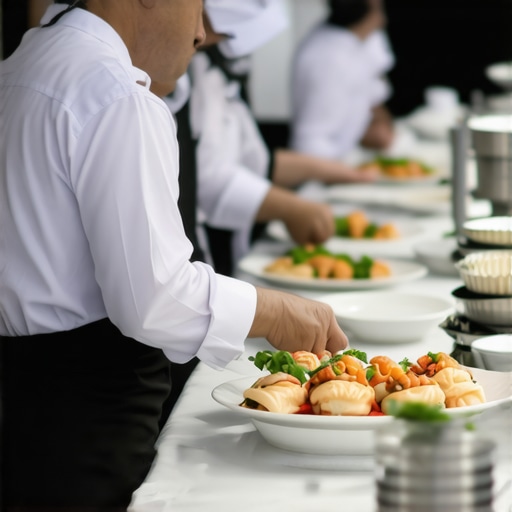
Moreover, common myths such as “Guests will eat whatever is served” can backfire. In reality, offering options that cater to different tastes demonstrates attentiveness and can elevate your event’s reputation. Innovative approaches, like interactive food stations or themed menus, draw engagement and foster better guest experiences. Discover unique catering ideas for weddings.
Why It’s Crucial to Anticipate the “Oops” Moments
Many assume that events run smoothly with proper planning; however, unforeseen issues always arise. The key is how you prepare to handle these surprises. For example, technical glitches or sudden weather changes require quick-thinking and contingency plans. A professional team not only prepares backup equipment but also trains staff for rapid problem-solving—traits that are often underestimated but vital for success.
One trap to avoid is neglecting to conduct a thorough site visit. This step reveals potential logistical problems—like limited space for service carts or inadequate power outlets—that are invisible on paper but critical in practice. As recommended by industry experts, a detailed site inspection can save time and prevent costly mistakes.
Finally, don’t forget to plan your timing meticulously. Overloading the schedule or underestimating pacing can make guests feel rushed or bored. Professional event managers utilize timeline checklists and coordinate closely with service staff to maintain a fluid experience. So, whether you’re planning a corporate launch or a wedding, understanding these hidden nuances ensures your event isn’t just beautiful on the surface but flawless in execution.
Maintaining seamless execution for corporate events, weddings, and catering requires not only skilled staff but also reliable tools that streamline processes and prevent hiccups. One of my top recommendations is leveraging **event management software** like Asana or Trello with custom workflows tailored to catering and service teams. I personally use Trello because its visual boards allow me to assign tasks, set deadlines, and track progress in real time, ensuring no detail slips through the cracks. For communication, I rely on walkie-talkies or dedicated messaging apps like Slack, integrated with channels for specific event segments, which helps my team respond instantly to urgent needs—think of it as the nerve center of the operation. Additionally, having **backup equipment** such as portable chargers, extra routers, and even a secondary heating or cooling unit—especially for outdoor weddings—is critical. These are the safety nets that keep the event from unraveling when something unexpected arises. Predicting where technology is headed, I foresee integration of AI-driven scheduling and inventory management systems becoming standard, further reducing manual oversight and human error on event days. How do I maintain consistent operational excellence over time? Regular staff training sessions using simulations and case studies help instill familiarity with our tools and procedures. Training not only sharpens skills but also boosts confidence—an essential factor that plays into overall guest experience. For instance, I recommend conducting monthly drills where team members practice emergency responses and service transitions, echoing best practices from high-stakes hospitality operations. Want to elevate your event management? Start by integrating a comprehensive project management platform and schedule quarterly training sessions. It might seem small, but these steps can significantly reduce stress and elevate the guest experience, making your events stand out as flawlessly executed. For detailed guidance on crafting a resilient toolkit, check out industry expert advice such as [Gourmet Catering Co.’s strategies](https://gourmetcateringsco.com/essential-checklist-for-successful-corporate-event-catering). Ready to go beyond basic prep? Pick one advanced tool or method discussed here and implement it at your next event—that small step could make a big difference.
The Hardest Lesson I Learned About Wedding Catering and Server Excellence
One of my most valuable insights came from experiencing firsthand that even the most beautifully decorated table and gourmet menu can’t hide underlying staffing deficiencies. Early in my event planning journey, I trusted a catering company solely based on their upscale website, only to find their servers lacked responsiveness and coordination. That taught me that behind the scenes, professionalism often shows through subtle cues—like how smoothly a team moves or how they anticipate guest needs.
3 Myths About Wedding and Corporate Event Staffing That Held Me Back
First, I believed that a high price meant top-notch service, which isn’t always true. Second, I thought a large team was always better — but efficiency is about skill, not just numbers. Lastly, I assumed that hiring based solely on glowing reviews guaranteed professionalism; reputation matters, but so does direct observation. Challenging these myths has led me to more discerning hiring practices, such as requesting demonstrations of their service skills and observing interactions during tastings or consultations.
What Experts Won’t Tell You About Recognizing True Catering Pros
Industry veterans often observe that seasoned professionals handle unforeseen disruptions with grace—like a sudden equipment failure or unexpected guest requests—without drawing attention. They communicate silently through confident gestures and quick adaptations. For example, I witnessed a small team seamlessly replenish a hot buffet during a wedding reception, despite a last-minute oven breakdown. These unspoken signals differentiate true pros from amateurs and are worth noting during tastings and site visits.
Where to Go from Here
To elevate your event, prioritize observing staff behavior in real conditions rather than relying solely on their portfolios or reviews. Conduct mock setups or ask for live demonstrations—this reveals their ability to handle real-world pressures. Building a team of genuinely professional servers and caterers is like choosing a reliable navigator: they steer your event smoothly through unpredictable waters. Begin with trusted sources like industry-leading catering trend insights and don’t be afraid to ask detailed questions about their on-site problem-solving skills. Your guests will thank you for it.