

Ever been at a wedding or corporate event where everything seems to be running smoothly—until you notice the catering lead frantically rushing around, visibly stressed, and missing those little details that make your event memorable? I remember one such occasion, where I watched our catering manager’s shoulders tense up just as the first guests arrived. That moment stuck with me because I realized how vital it is to recognize the signs of an overwhelmed caterer before the chaos unfolds. If you’ve ever wondered why some events feel flawlessly orchestrated while others seem to unravel at the last minute, you’re not alone. Many hosts and planners overlook early warning signs until it’s almost too late.
In today’s post, I’m going to share my personal experience and insights on how to identify the telltale signs of an overwhelmed catering lead before the first dish hits the table. Recognizing these signs early can save your event from potential hiccups and ensure everything flows with grace. Trust me, catching these cues doesn’t require any special experience—just a keen eye and a little insider knowledge. By the end, you’ll have practical tools to ensure your catering team remains calm, in control, and ready to impress your guests—without the last-minute surprises.
Why Spotting Catering Stress Matters More Than Ever
The reason this skill is so crucial now is simple: the quality of your event hinges on the energy and preparedness of your catering team. When a lead is overwhelmed, it affects everything—from timing and service quality to guest experience. A stressed-out caterer might overlook dietary restrictions, rush service, or worst of all, become visibly tense, which can ripple out, dampening the mood for everyone involved. Plus, in an age where social media beckons instant sharing, even small blunders can tarnish your reputation or leave guests feeling disappointed.
Another eye-opening fact is that early recognition of stress signals can help you intervene or reallocate resources, preventing bigger issues later on. According to a study published by Eventbrite, nearly 70% of event mishaps can be traced back to poor communication or unanticipated stress among staff members. Recognizing these signs early is like having a secret weapon in your planning arsenal. Overlooking this crucial step, however, is a mistake I made early in my experience, assuming that a caterer’s calm appearance meant everything was set. Unfortunately, that led to last-minute scrambling, which I now know could have been avoided with just a little more attention to the cues.
So, are you tired of last-minute surprises and wondering how to ensure your catering lead stays cool under pressure? Keep reading—because I’ll walk you through exactly what to look for and how to address it before the first guest arrives. This approach not only improves the quality of your event but also helps build a more resilient team that operates seamlessly, even under pressure. Now, let’s dive into the key signs that reveal an overwhelmed caterer—and what your next move should be.
Pay Close Attention to Their Movements
During a wedding I once coordinated, I kept a keen eye on the catering lead. I noticed her repeatedly glancing at her watch and retrieving her phone, signaling internal stress. These small cues indicate she’s checking time, which could mean the kitchen is falling behind or staff are uncertain about timing. A practical step is to position yourself where you can observe her without seeming intrusive—like mingling nearby—and note such behaviors. If you observe constant checking, consider discreetly asking her how things are progressing to gauge her confidence level. These subtle cues serve as early warning signals that prompts a quick intervention before service begins to falter.
Listen for the Sound of Discontent
In one event, I overheard a server mentioning to a teammate that they were short on appetizers and worried about running out during peak hours. These overheard murmurs often reveal underlying issues—unspoken concerns bubbling beneath the surface. To catch this, spend a few moments in the service area and listen attentively without eavesdropping. Such remarks are gold signs of stress that, if caught early, allow you to coordinate with the caterer for quick solutions like extra supplies or reshuffling service flow. Remember, a happy service team means fewer last-minute crises and smoother guest experiences.
Observe Their Posture and Gestures
Recollect a time when I noticed a catering manager preoccupied, frequently rubbing her temples and fidgeting with her pen. These physical signs—tension, fidgeting, tense posture—are often subconscious indicators of overwhelm. Think of them as the cocktail shaker of stress; when it starts to shake uncontrollably, it’s time to step in. To identify these signs, maintain a respectful distance but remain observant of body language during your walkthroughs. If you notice such cues, approach with a friendly, non-confrontational tone to check if assistance is needed. Acting on these physical hints can prevent the escalation of stress into full-blown service failure.
Monitor Resource Allocation and Bottlenecks
Once, I saw the servers scrambling to refill passed hors d’oeuvres because the kitchen was delayed, creating a backup. Recognizing such bottlenecks early means noticing when stations are overpopulated or supplies deplete faster than anticipated. A practical method involves periodically walking through the service areas and counting how many staff are on each station, noting queues, and observing if supplies get exhausted prematurely. If you see a station overwhelmed, coordinate with the lead to redistribute staff or accelerate food prep. Efficient resource management keeps the catering team steady and prevents early fatigue that can jeopardize the entire event.
Maintain Clear, Calm Communication
In an experience I recall, I made a habit of speaking with the catering lead in a calm, reassuring manner, especially when noticing signs of stress. Asking targeted questions like, “Are you comfortable with the current pace?” or “Do you need any additional support?” helps create a dialogue that signals your awareness and willingness to help. This micro-interaction fosters trust and often prompts the lead to voice concerns that might otherwise go unspoken. Consistent, non-intrusive communication is a powerful tool to monitor stress levels without adding to their pressure, ensuring you stay ahead of potential mishaps.
When planning corporate events, many follow conventional wisdom that just isn’t backed by real-world experience. A common misconception is that bigger budgets automatically guarantee success, but in my experience, strategic planning and understanding nuances matter far more. For example, relying solely on high-end catering without considering attendee preferences can backfire, leading to wasted resources and dissatisfaction. The idea that a flashy setup captivates every attendee overlooks the importance of tailored experiences and genuine engagement. Misjudging what truly resonates with your audience can turn a promising event into an underwhelming one.
Is ostentatious decor really necessary for impact? Let’s dig deeper.
Many assume that lavish decorations or cutting-edge technology are the backbone of memorable events. However, studies show that authenticity and personalization often have a greater emotional impact. A 2022 survey from EventMB highlighted that 68% of attendees recall the genuine interactions and meaningful content more than the visuals. This suggests that event organizers who focus too much on aesthetic perfection risk overshadowing authentic experiences. Furthermore, excessive focus on visuals can inflate costs and complicate logistics, distracting from the event’s core objectives. In my own experience, simplifying decor and emphasizing storytelling or interactive elements yielded better engagement than elaborate themes. [Related read: effective strategies for impressiveness] shows that effective catering and attentive service can elevate an event more than any decorative flourish.
Another trap involves assuming that crowd size correlates directly with effectiveness. Bigger isn’t always better if the focus shifts from quality to quantity. It’s crucial to understand your audience’s demographics and objectives to tailor content and interactions. For instance, small, focused workshops can foster networking and deeper learning, whereas crowded seminars risk superficial engagement. Remember, impactful events hinge on the quality of interactions, not just the number of attendees.
Moreover, overlooking the importance of seamless service and attentive servers can undermine even the most beautifully curated event. As discussed in this article, well-trained staff play a vital role in maintaining flow and guest satisfaction. Their subtle cues and proactive service often go unnoticed but are key to a polished experience.
In essence, debunking these myths and falling into inflated expectations is vital. Instead of following trends blindly, focus on meaningful details: personalized content, authentic interactions, and professional service. Remember, strategic attention to these nuances makes all the difference. Have you ever fallen into this trap? Let me know in the comments—your experience might help others avoid common pitfalls in corporate event planning.
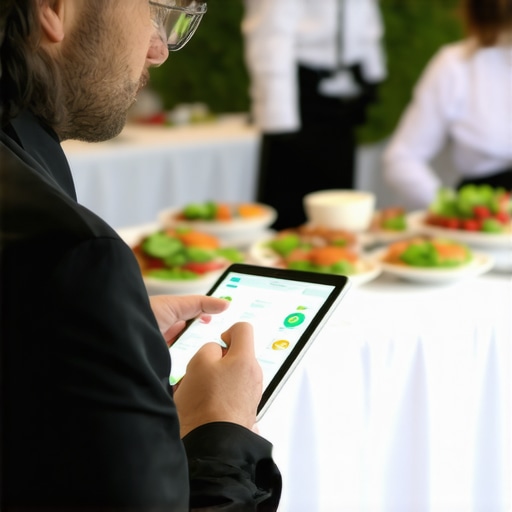
Maintaining peak performance during your events requires more than just skill and good judgment; it hinges on using the right tools that streamline operations and ensure consistency. One of my go-to pieces of equipment is the Tableau Touchscreen Ordering System. I personally rely on it because it allows servers to take orders directly at the table, reducing errors and shortening service times. This technology also integrates seamlessly with kitchen display systems, keeping everyone on the same page. Over time, I’ve seen how these systems create a more efficient workflow, translating into happier guests and less stress for staff. Looking ahead, I predict that AI-powered ordering platforms will further enhance accuracy and personalization at events.
How do I maintain consistency across multiple events?
The answer lies in investing in reliable catering management software. Platforms like CaterXpress or Eventbrite integrate planning, staffing, and inventory management, creating a centralized system that minimizes human error and keeps track of essential details. I personally use CaterXpress because it offers real-time analytics, helping me adjust staffing levels and supply orders proactively. Regularly updating and calibrating these systems with feedback from each event ensures they adapt to your evolving needs. For long-term results, it’s crucial to establish a routine of reviewing system reports after every event and implementing continuous training for your team.
Invest in staff training with practical methods
Practicing scenario-based drills known as ‘response simulations’ helps your team react swiftly to unexpected issues. For example, role-playing a server suddenly running out of a popular dish trains staff to communicate efficiently and keep guests satisfied, even in tight spots. Such exercises are detailed in professional server training guides and are invaluable for building confidence and consistency. Additionally, maintaining a log of recurring challenges and solutions can serve as a practical reference—think of it as your internal playbook for smooth operations.
Preparing for scale without losing control
Scaling up events doesn’t mean sacrificing quality; it requires strategic planning and the right tools. Cloud-based inventory management like Orderhive can give you real-time stock updates across locations, reducing waste and preventing shortages. I’ve found that combining technology with clear communication channels—like Slack groups dedicated to event logistics—allows for quick adjustments and collaborative problem-solving. Remember, the goal is to keep your team aligned, responsive, and adaptable, regardless of event size.
What are the best ways to future-proof your event operations?
Staying ahead involves continuously embracing innovative solutions. For instance, integrating RFID technology for tracking equipment and supplies offers detailed insights, optimizing resource allocation over time. According to industry expert Mike McAllen, adopting such systems can reduce operational costs by up to 20%. Additionally, establishing partnerships with tech providers who offer ongoing support ensures your tools evolve with your needs. Try implementing just one new piece of technology this quarter—like a digital inventory tracker—and observe how it transforms your workflow.
Remember, the backbone of successful events is not just about having the best tools, but consistently maintaining and updating them. Regular audits, staff training, and embracing new tech trends will keep your operations smooth and your guests delighted. If you’re ready to elevate your catering game, start by integrating an advanced inventory or order management system today—small steps lead to long-term success.
Lessons from My Most Overlooked Mistakes
One of the toughest lessons I learned was trusting appearances over substance. Seeing a calm catering lead didn’t always mean everything was on track. This realization pushed me to develop a more intuitive approach to monitoring stress signals, such as body language and subtle murmurs, rather than just relying on task progress.
Another insight was the power of proactive communication. Instead of waiting for issues to become obvious, asking gentle, open-ended questions allowed me to gauge team morale and readiness, fostering a supportive environment that prevents small problems from snowballing.
Finally, I understood that empowering staff with quick-response training and scenario drills creates a resilient team prepared to handle surprises. The true value is in cultivating confidence and awareness, which directly translates to smoother, more enjoyable events for everyone involved.