

I remember the panic creeping in just minutes before a crucial corporate meeting, when I realized we’d overlooked one serious detail — staffing. The meeting was important, high-stakes even, and suddenly, our team was scrambling to find reliable servers on such short notice. That sinking feeling of helplessness? It used to ruin my day. But over time, I discovered that with a few strategic moves, you can pull off last-minute staffing without breaking a sweat.
Why Last-Minute Staffing Can Feel Like an Insurmountable Challenge
When an unexpected scheduling conflict or last-minute change hits, it’s easy to feel overwhelmed. You might worry about untrained servers, uneven service, or even operational chaos. And honestly, if you’re like I was, the thought of managing a team on such short notice sounds almost impossible. But here’s the truth: rapid staffing doesn’t have to lead to disaster. It’s about making clever choices and knowing where to look when the clock’s ticking.
But why does this matter so much? Because your reputation, client satisfaction, and even your team’s morale hinge on how smoothly these moments are handled. In fact, a recent survey indicates that poor event service can significantly dampen client trust, even if the event itself was flawless (source: Harvard Business Review). No pressure, right? Well, I’ve been there, and I want to help you navigate these tricky waters for your next surprise staffing challenge.
Is Relying on Last-Minute Staff Actually a Wise Strategy?
Early in my career, I made the mistake of thinking that last-minute staffing was simply a matter of throwing together a few volunteers or hoping someone spots a temp. That approach? It backfired more often than not, leaving me scrambling and embarrassed. Now, I know better. Instead of risking chaos, I focus on building a network of reliable part-time servers and establishing pre-vetted staffing pools — even for emergencies.
Looking for some concrete tips? Check out this article on top server techniques that elevate your event. It’s a game-changer for anyone faced with staffing hurdles.
So, if you’ve ever felt that last-minute staffing is an insurmountable obstacle, stay tuned. I’ll share proven strategies to seize control, no matter how tight the deadline. Managing these moments isn’t just possible — it can also become a new strength in your event planning arsenal.
Build a Ready Pool of Trusted Staff
Start by creating relationships with dependable part-time servers and temporary agencies before the need arises. Reach out to them periodically, so they’re familiar with your standards, making last-minute calls less intimidating. I once had a last-minute gig where I contacted a local staffing agency during a busy Saturday afternoon; despite tight timing, they supplied prepared servers, saving my event from chaos. This proactive approach transforms panic into confidence.
Leverage Your Existing Network
Identify colleagues, former staff, or freelancers you’ve already worked with who are flexible and reliable. Send quick messages, sharing details of upcoming events, and ask if they’re available. When a sudden need occurred for a corporate luncheon, I quickly texted a few familiar faces. One responded promptly, and their professionalism impressed the client. Maintaining this network is invaluable for rapid staffing.
Utilize Technology for Quick Matching
Engage with staffing platforms or event staffing apps that specialize in real-time connections. These services can match you with qualified servers within minutes. I used a platform once to fill a catering gap for an outdoor wedding; the app routed suitable candidates quickly, avoiding long delays. Familiarity with these tools turns a last-minute crisis into a scenario handled with efficiency.
Conduct Rapid Vetting During the Call
Have a standard set of quick interview questions to assess professionalism, experience, and attitude. Ask about previous events, specific skills, and availability. For an urgent fundraiser, I interviewed each candidate with a brief phone call, focusing on their last assignment and their adaptability. This keeps quality high without delaying the process.
Establish Clear Expectations and Training
Send concise briefs outlining event specifics, service standards, and roles. If possible, gather your team together briefly before the event to align on key points. During a last-minute corporate dinner, I held a quick huddle, covering menu details, service flow, and client preferences, which minimized confusion during execution.
Optimize on-the-Spot Management
Assign a dedicated floor captain to oversee the team, streamline communication, and troubleshoot. As I experienced during a rush outdoor reception, having someone in charge allowed me to focus on critical logistics, confident that staffing was well-managed. Clear leadership ensures responsive adjustments and maintains service quality.
Refine and Repeat Your Approach
After each event, evaluate what worked and what didn’t. Maintain records of reliable staff, preferred agencies, and platform experiences. This continuous improvement bolsters your readiness for future emergencies. Reflecting on a recent high-pressure wedding, I realized that pre-vetting some staff improved turnaround times significantly the next time around.
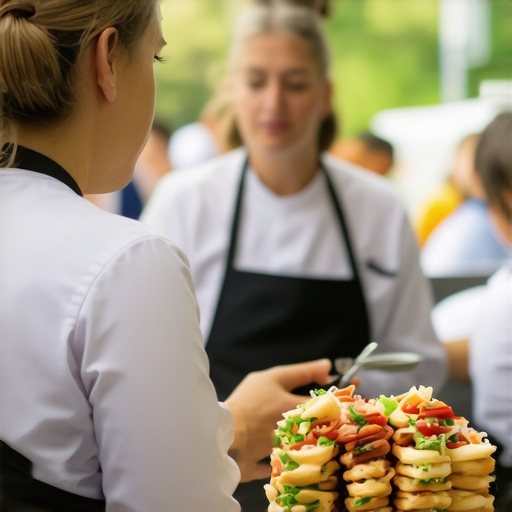 When planning elegant weddings or seamless corporate events, many professionals cling to common beliefs that can hinder success. One prevalent myth is that more options always mean happier guests; however, too much variety can overwhelm attendees and dilute the main experience. Instead, focus on curated selections that highlight quality over quantity, enhancing guest satisfaction and operational efficiency.
Are We Overestimating the Value of Formality in Modern Events?
Modern event trends suggest that overly formal setups can actually reduce guest interaction and spontaneity. Studies show that relaxed atmospheres encourage more genuine connections and better memories. Overly rigid protocols might seem impressive, but they can make guests feel uncomfortable or hesitant to mingle. Rethink traditional etiquette to foster a warm, welcoming environment that feels both special and approachable. One common pitfall is underestimating the importance of dynamics between servers and guests—a subtle nuance that can elevate or ruin the experience. Skilled servers who are attentive yet unobtrusive can subtly influence overall satisfaction. To achieve this, mastering server skills is essential for staff that can read the room and adapt accordingly. Another trap is neglecting the importance of pre-event planning for dietary restrictions. With increasingly diverse guest lists, missing out on special needs can lead to discomfort and even embarrassment. Incorporate comprehensive dietary assessments early in the planning process, ensuring all guests feel cared for. Additionally, many underestimate the impact of lighting and sound, which shape the atmosphere more than decor. Properly balancing these elements creates an immersive environment that enhances the theme without overwhelming the senses. For advanced insights into cohesive event design, refer to corporate planning secrets. To avoid these common pitfalls, continuous learning and adaptation are key. Evaluating each event meticulously, understanding guest psychology, and embracing flexibility can shift the narrative from mediocre to memorable. The nuanced difference often lies in attention to small details—like the timing of service, staff interaction, or even the placement of a dessert table—that subtly influence perceptions. So, the next time you’re planning, ask yourself: am I adhering to outdated assumptions? Or am I leveraging insights that truly elevate the event? Need help refining your approach? Explore essential checklists and expert tips to stay ahead. Remember, genuine mastery in event planning combines art with science—balancing technical expertise with intuitive understanding. Have you ever fallen into this trap? Let me know in the comments.
Mastering Maintenance with Proven Tools
Running a seamless event relies heavily on the right tools. I personally swear by durable wireless walkie-talkies like the Motorola RDU4100 for real-time communication among staff. They eliminate misunderstandings and speed up service delivery, especially during busy moments. Maintaining these devices with regular battery checks and updates ensures they stay reliable throughout long events.
Another favorite is the portable POS systems such as Square for quick transactions without slowing down service flow. I’ve integrated these into various catering setups, and they’ve consistently reduced wait times, keeping guests satisfied. Regular software updates and backup batteries are crucial for uninterrupted operation.
How do I maintain consistency over time?
Consistent performance hinges on regular training sessions and equipment checks. Employing maintenance management software like UpKeep can automate scheduled checks on tools and ensure everything functions at peak performance. This proactive approach catches potential issues before they disrupt events, saving time and money.
Embracing Technology for Long-Term Gains
Looking ahead, trends point towards increased automation. Cloud-based inventory management systems, for instance, allow me to track supplies in real time, preventing shortages during crucial moments. Investing in training with platforms like Skillshare helps staff stay up-to-date with the latest service techniques, including those outlined in top server tips.
Don’t overlook the value of detailed checklists; they serve as a reliable reference to ensure no detail is missed during setup and teardown. For instance, I use customized checklists for equipment sanitation and setup timing, which are developed after each event to improve efficiency. Incorporating these practices consistently results in smoother transitions and happier clients.
Why invest in reliable tools now?
Reliable equipment and software form the backbone of professional service delivery. As technology advances, integrating smart solutions like mobile management apps will become increasingly vital. For example, using apps like Trello for task management helps coordinate team efforts seamlessly, especially when scaling to larger events. Putting in the effort to maintain and upgrade your toolkit pays dividends in guest satisfaction and repeat bookings.
Start by evaluating your current setup: which tools are underperforming or outdated? From there, consider adopting systems that offer scalability and ease of use. Remember, consistent maintenance and staying ahead of technological trends are key to turning potential disruptions into opportunities for excellence. Feel inspired? Try implementing a simple digital checklist for equipment maintenance today and see how it transforms your event management efficiency.
How I Stumbled and Learned to Win with Last-Minute Staffing
One of my toughest lessons was realizing that even the most prepared event can face unexpected staffing crises. I once scrambled to fill a crucial role 30 minutes before a high-profile wedding, relying on a few trusted contacts and quick screenings. That night, I learned the importance of building a reliable network of dependable staff well in advance, turning potential chaos into seamless service. Embracing this proactive mindset transformed my approach, helping me handle last-minute surprises with confidence rather than panic.
Tools and Tactics That Can Save Your Day
From utilizing platforms like real-time staffing apps to maintaining a curated pool of pre-vetted professionals, the right tools make all the difference. I personally trust portable POS systems like Square for swift transactions and walkie-talkies such as Motorola RDU4100 for instant communication, ensuring nothing slips through the cracks during rushed moments. These solutions, combined with swift vetting protocols, keep your staffing game strong, even under pressure.
Your Next Great Event Starts with a Shift in Mindset
Don’t let the thought of last-minute staffing hold you back from executing exceptional events. Instead, see it as an opportunity to sharpen your skills, build stronger networks, and leverage technology. Remember, even the most memorable weddings or corporate gatherings stem from impeccable service that adapts quickly. By continuously refining your approach and staying prepared, you’ll find that what once seemed daunting now becomes your secret weapon for success.