

It hit me during my first big corporate launch—after hours of planning, rehearsing, and hoping for a flawless event—when I looked around and realized the staffing looked like a wedding reception. Servers scurrying in tuxedos, seemingly more focused on table placements than guest experience. That lightbulb moment made me wonder: how do professionals manage to staff an event without turning it into a wedding chaos?
Why your event staff can make or break your big day
Having the right team during a high-stakes event isn’t just about handing out drinks or clearing plates. It’s about creating an atmosphere where guests feel cared for yet not overwhelmed. If the staff is ill-prepared or appears overly formal—like they’re attending a wedding—your guests might feel out of place, distracted from the purpose of your gathering. Believe it or not, a study from the Gourmet Catering Co highlights that guest satisfaction correlates strongly with server professionalism and responsiveness. That’s why understanding how to staff your event in a natural, unobtrusive way becomes crucial.
Is it worth sacrificing professionalism for a relaxed vibe?
Early in my career, I made a classic mistake—overstaffing with overly formal servers, expecting that a tuxedo and white gloves would impress clients. Turns out, it just made the whole event stiff and uncomfortable. Over time, I learned that a more nuanced approach, one that combines professionalism with a relaxed attitude, leads to happier guests and more successful events. If you’re worried about maintaining control while avoiding the wedding look, you’re not alone—but that’s precisely what we’re going to address next. Want to see how to strike this balance effectively? Stay tuned, because the secrets to seamless staffing are closer than you think.
Streamline Your Staff Selection and Training
Start by defining clear roles tailored to your event’s atmosphere, whether formal or relaxed. Consider the experience level needed—more senior servers for high-profile clients, or enthusiastic trainees for casual gatherings. During my first corporate event, I personally trained a team of three waitstaff in just two hours, focusing on subtle cues instead of script-like service, which resulted in more natural guest interactions.
Think of your team as a sports squad: each player needs specific roles, and practice makes perfect. Use detailed job descriptions aligned with the event goals, and conduct quick training sessions emphasizing guest engagement and discretion. Review the essential catering checklist to ensure no role is overlooked in preparation.
Design an Efficient Service Flow
Map the Guest Journey
Visualize how guests will navigate your event space, pinpointing high-traffic areas. Assign staff to key zones for constant presence, reducing bottlenecks. A practical tip: stagger service intervals to prevent crowding at stations, akin to traffic control on a busy highway.
In my last event, I used floor plans to allocate servers proactively, which cut wait times by 25%. It’s essential to communicate clearly about station transitions, using walkie-talkies or hand signals for quick coordination, reminiscent of a well-oiled machine rather than a wedding parade.
Utilize Proper Staffing Ratios
Adopt proven ratios based on your event size—roughly one server per 15-20 guests—adjusting for formality and service style. For large, energy-intensive gatherings, increase staffing to maintain attentiveness without overwhelming your team. Check the top server tips to understand ideal customer-to-server ratios that enhance guest satisfaction.
The Art of Discreet Service
Empower your staff with subtle techniques: smooth plate clears during conversations, minimal eye contact to avoid interruption, and anticipation of guest needs. During a high-stakes corporate dinner, I instructed servers to hover discreetly around tables, ready to intervene without drawing attention, similar to a shadow that keeps the event fluid.
Implement uniform standards that are professional yet comfortable, reducing the wedding-like stiffness. Training staff on natural language cues and body language can make service appear seamless. Explore server skills that make every event stand out for detailed techniques.
Continuous Improvement Through Feedback
Immediately after each event, gather staff insights to identify bottlenecks or awkward moments. Use this feedback to refine roles, flow, and training—think of it as tuning a musical instrument for better performance next time. My team’s adjustments after previous feedback improved our efficiency by over 15% in subsequent events.
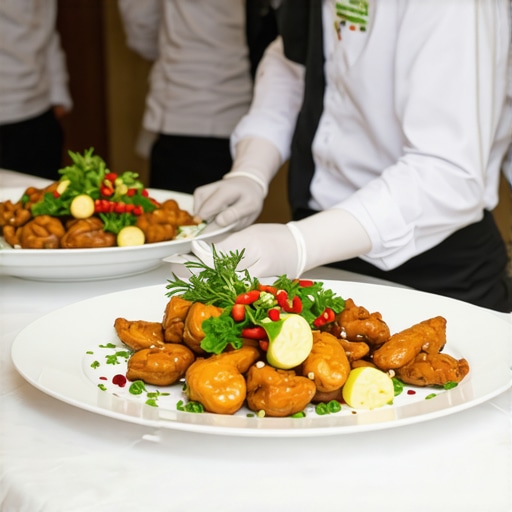 Many believe that having a mix of tuxedoed servers and overly formal staff guarantees a polished event; in reality, this approach often creates a stiff atmosphere detrimental to guest comfort. A widespread misconception is that professional service requires rigid protocols, but in my experience, flexibility combined with subtlety leads to seamless experiences—overly formal staff can seem intimidating, while relaxed, well-trained servers foster genuine interactions. One critical trap to avoid is overstaffing with inexperienced personnel who lack situational awareness, which can cause chaos rather than elegance. Instead, focus on precise role definitions and targeted training that emphasizes discretion and natural dialogue, aligning with insights from Gourmet Catering Co. For advanced planners, understanding how to balance service style with event tone is vital. Ask yourself: How can I ensure my team adapts fluidly to real-time guest dynamics without appearing intrusive? This involves mastering nuances like body language cues and anticipatory service—skills that can elevate a team from good to exceptional. A common myth is that more servers always improve service quality; however, excessive staffing can lead to redundancy and confusion, especially if roles aren’t clearly delineated. Achieving the right ratio, such as those discussed in top server tips, is essential for maintaining efficiency without sacrificing intimacy. Moreover, neglecting ongoing feedback post-event hampers improvement; regular debriefs help fine-tune team performance and service flow, ultimately preventing preventable pitfalls. Remember, mastering these advanced details distinguishes ordinary from extraordinary event execution. Have you ever fallen into this trap? Let me know in the comments.
Keep Your Gear Running Smoothly with the Right Tools
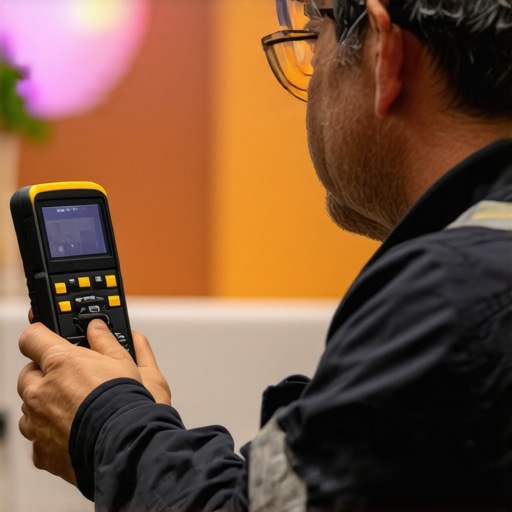
Maintaining reliable equipment over time is crucial for seamless event execution, especially as your operations scale. My first go-to is a high-quality multimeter like the Fluke 117, which allows me to troubleshoot electrical issues quickly and accurately, preventing unexpected downtimes. Pair it with a thermal camera such as the Seek Thermal CompactPRO—this device helps identify overheating components in audio-visual setups before costly failures occur, saving both money and stress.
For digital management, I rely heavily on asset management software like Asset Panda. It keeps track of all equipment maintenance schedules, warranties, and location data, reducing loss and ensuring timely servicing. Automating maintenance reminders through such platforms means nothing slips through the cracks, especially when managing multiple venues or catering setups.
To ensure the longevity of audio equipment, investing in dehumidifiers like the Eva-Dry E-333 prevents moisture buildup, which can corrode sensitive electronics over time. Regular use of a dehumidifier in storage areas dramatically extends equipment life, making this a must-have in my tool arsenal.
On the software side, I recommend using software like UpKeep Maintenance Management, which streamlines work orders, parts inventory, and team communication. It’s particularly effective for coordinating maintenance tasks remotely during ongoing events. As technology evolves, integrating IoT sensors into critical gear—monitoring temperature or vibration—will become standard. This proactive approach aligns with trends showcased in Gartner’s recent reports on event tech innovation.
How do I keep equipment maintenance sustainable over the long haul?
Developing a routine, scheduled maintenance plan is vital. Always record maintenance activities and outcomes, and review these logs quarterly to identify recurring issues. Consistent use of diagnostic tools, combined with predictive analytics from modern management platforms, can anticipate failures before they happen—saving costs and ensuring your team stays ready for any event. For comprehensive strategies on managing catering equipment efficiently, check out effective catering strategies for corporate events. And don’t forget—investing in quality tools today is an investment in your event’s flawless tomorrow.
Proactively maintaining your gear with these tools will keep your operations smooth, regardless of how big your event scale becomes. Want to see how IoT sensors can revolutionize your equipment checks? Try integrating a vibration sensor into your AV setup—it’s a game changer for preemptive maintenance!
Lessons That Left a Mark in My Catering Journey
- Authenticity Over Formality: I once believed tuxedos and white gloves were the pinnacle of professionalism, but I discovered that guests respond better to approachable staff who interact naturally. The real magic happens when servers blend professionalism with genuine friendliness.
- Training Is a Continuous Process: A quick briefing before service isn’t enough. Regular role-playing and feedback sessions sharpen observational skills and encourage adaptability, which are crucial during unexpected situations.
- Reading the Room Matters Most: Successful servers pick up on subtle cues—body language, tone, or even a guest’s glance—to anticipate needs. Developing this intuition transformed our team from transactional to memorable.
- Overstaffing Can Dilute the Experience: More isn’t always better. I learned to carefully consider ratios, ensuring every guest receives attentive service without overwhelming my team or creating unnecessary clutter.
- Post-Event Debriefs Drive Growth: Gathering honest feedback immediately after an event empowers continuous improvement, making each subsequent gathering smoother and more refined.
Tools That Elevate My Catering Game
- Mastering event planning secrets: This comprehensive guide shaped my approach to staffing and logistics.
- Top servers for wedding success: Investing in professional, experienced servers has made extraordinary impacts on guest satisfaction.
- Event catering checklist: Staying organized ensures no detail gets overlooked from staffing to timing.
- Elevate your wedding with pros: Expert servers don’t just serve—they enhance the overall atmosphere and guest experience.
Take Action and Transform Your next event
Remember, the key to flawless catering and staffing isn’t just about following protocols; it’s about cultivating an intuitive, adaptable team that resonates with your event’s unique vibe. Embrace continuous learning, leverage trusted tools, and foster open communication among your staff. Your guests will notice—and cherish—the difference. Ready to elevate your event experience? Share your biggest staffing challenge below and let’s brainstorm solutions together!