

I vividly remember the cold sweat that broke out during my first after-hours product launch. The clock was ticking past midnight, servers were running slow, and I felt the mounting stress of overextending my team. I realized then how easy it is to fall into the trap of thinking that cramming more staff on the floor means a better event — but at what cost? That lightbulb moment ignited my quest to find smarter ways to staff these critical nights without burning out my team or sacrificing quality.
The Hidden Cost of Over Staffing for Product Launches
In the rush to make a grand impression, many managers assume that more servers equal better service. But this often leads to an overcrowded workspace, strained staff, and a higher risk of mistakes. Overstaffing isn’t just wasteful; it can cause role confusion and diminish the overall guest experience. Early on, I made the mistake of hiring too many part-timers without clear roles, which created chaos and missed opportunities for smooth service. According to industry expert Gourmet Catering Co., optimizing your staffing level is crucial to event success without exhausting your team.
Is Efficient Staffing a Myth or an Achievable Goal?
One of the biggest skepticisms I had was whether we could truly staff a launch effectively without overwhelming everyone. I worried about guest satisfaction, of course. But what I learned is that strategic planning and proper training can make all the difference. Implementing targeted staff roles, leveraging technology, and knowing when to bring in support can maximize efficiency and keep your team energized. I want to show you exactly how to do it, based on real-world lessons.
So, have you ever faced this dilemma — feeling the pressure to staff up but fearing burnout? If so, stay with me. We’re about to dig into practical, actionable strategies that can transform your approach and leave you with a team that feels empowered instead of overwhelmed. The next section will help you understand the key mistakes to avoid and how to build a smarter staffing plan from the ground up.
Assess Your Event’s Needs Precisely
Begin by mapping out the specific flow of your event. Think of it like designing a highway intersection—each lane and turn must be planned to avoid bottlenecks. Write down the sequence of activities, expected guest arrival times, and key moments that demand special attention. For instance, if your product reveal involves a presentation followed by tastings, identify how many servers or staffers are needed at each phase to prevent congestion. During a past launch, I created a detailed timeline overlaying staff shifts, which prevented chaotic overlaps and kept service smooth.
Define Clear Roles and Responsibilities
Assign each team member a specific, well-understood task to prevent overlaps. Think of servers as individual actors in a play—each has their script and cues. For the last event, I divided staff into zones: seating, buffet, and cocktail stations, with a lead for each zone to coordinate. This clarity eliminated role confusion and increased efficiency, cutting service time by 20%. Training staff on these roles beforehand ensures everyone moves and acts cohesively, much like a well-rehearsed dance.
Leverage Technology for Efficiency
Use digital checklists, staffing apps, or communication tools like walkie-talkies to stay coordinated. Imagine servers as GPS-equipped drivers navigating a busy city—real-time updates prevent wrong turns. During my second launch, I used a simple app to track staff locations and task completion, alerting us instantly to delays. This immediate feedback loop allowed quick rerouting or task redistribution, maintaining a seamless flow.
Implement staged Staffing Levels
Instead of overcommitting staff from the start, bring in additional team members in phases. Think of a firework display—initial sparks lead to a crescendo, then dimming. For a recent product launch, I scheduled core staff for setup and early service, then scaled up as guest arrival increased, and scaled down during quieter periods. This approach saved costs and avoided overcrowding, making staff more energized and attentive when needed most.
Train Staff with Real-World Simulations
Practice scenarios that mimic actual event challenges, like sudden guest surges or technical issues. I once held a dry run where servers practiced quick turnaround at a mock buffet, which revealed bottlenecks I hadn’t anticipated. Adjusting staffing and procedures based on these simulations made actual events flow effortlessly, with staff responding confidently to unforeseen changes.
Monitor and Adjust in Real Time
Assign a coordinator to observe ongoing operations and be ready to reassign roles. Think of it as a conductor adjusting tempo to keep the orchestra harmonious. During my last event, I had a team member on watch, who reallocated staff to busier stations when flow slowed, based on real-time crowd movement. This flexibility ensured guests received attentive service without long waits or confusion.
Build Partnerships with Trusted Agencies
Partner with staffing agencies that understand your event type and can supply trained personnel quickly. Their experience is like having a reserve team that’s already familiar with high-stakes environments, saving you valuable prep time. I worked with a local agency for a corporate event, who provided staff trained specifically for our setup, ensuring immediate productivity and reducing onboarding delays.
Many event planners and hosts operate under the misconception that a larger team of servers automatically guarantees flawless service. While it might seem intuitive that more staff equals better guest experience, “more” can sometimes lead to chaos rather than clarity. A common myth is that adding extra servers will cover all bases, but the real challenge lies in coordination, role clarity, and anticipating guest needs. Overstaffing can create role confusion, doubled efforts, and even diminish the sense of personalized attention that elevates an event’s ambiance. In fact, industry insights suggest that strategic staffing—rather than sheer numbers—is the true secret to seamless service.
Is Overstaffing a Hidden Pitfall for High-End Weddings and Corporate Events?
Absolutely. Overstaffing may seem like a safety net, but it often turns into an operational nightmare. Too many servers can lead to crowded service stations, conflicting duties, and a breakdown in communication channels. An overly large team might also intimidate guests or erode the intimacy of personalized service. The key is to assign specific roles—such as station-specific servers or dedicated bartenders—and ensure proper training, as outlined in professional server techniques. This approach not only streamlines workflows but also enhances the guests’ experience without the chaos of excess personnel.
Advanced planning involves detailed staffing matrices, clear role descriptions, and real-time adjustments—tools few overlook. Failing to recognize these nuances can result in inefficient service, higher costs, and a drop in guest satisfaction. For an in-depth guide on selecting the right servers, check out how to choose servers for your wedding. Remember, quality over quantity always wins in the intricate dance of catering and service excellence.
It’s crucial to move beyond the myths and embrace a nuanced understanding: effective staffing is about precision, anticipation, and coordination, not just numbers. Have you ever fallen into this trap? Let me know in the comments. Mastering this nuance can transform your event from ordinary to extraordinary, ensuring that guests are cared for flawlessly and your team remains energized.
Streamlining Operations with Reliable Hardware and Software
To truly ensure your event runs smoothly over the long haul, investing in the right tools is non-negotiable. I personally swear by the Asana project management platform, which keeps my team aligned on duties, timelines, and last-minute adjustments—especially vital during high-stakes product launches or corporate gatherings. Its task assignment and deadline features let us track progress in real-time, reducing miscommunication and ensuring accountability. Additionally, I use Walkie-Talkie apps like Zello during events; their instant communication capability replaces cumbersome radio systems and offers a private, reliable line to coordinate staff on the fly.
Embracing Technology to Anticipate and Address Challenges
Using digital checklists through platforms like efficient catering strategies ensures nothing slips through the cracks. These allow for quick updates and real-time adjustments, which are invaluable when dealing with unforeseen issues such as catering shortages or staffing gaps. For instance, I recommend setting up a shared Google Sheet that details each station’s capacity and needs, enabling quick reallocations and minimizing bottlenecks.
Invest in Training Simulations and Rehearsals
I’m a strong advocate for running practice sessions that replicate actual event conditions. This includes role-playing scenarios where staff respond to rushes or technical failures, which builds muscle memory and confidence. Incorporating tools like top server tips during training further sharpens skills, ensuring your team can handle surprises gracefully. These rehearsals serve as invaluable testing grounds for your tech setup, staff roles, and communication protocols.
Predicting Future Trends in Event Tools
Looking ahead, I believe integration of AI-driven scheduling and real-time crowd analytics will become standard in managing long-term event success. These advancements will allow for even more precise staffing, resource allocation, and guest engagement strategies. Staying ahead means embracing these emerging technologies today, so consider experimenting with AI scheduling tools like Paskke or CrowdXplorer for your next big event.
How do I maintain my tools and systems over time?
The key lies in regular reviews and updates. Schedule quarterly audits of your tech, gather feedback from your team, and stay informed about new software features or hardware upgrades. For example, I review our communication tools every six months to ensure compatibility with our evolving workflows. Additionally, maintaining good relationships with vendors can grant early access to beta features or dedicated support, which is critical during peak event seasons. Remember, consistency in upkeep guarantees that your event operations remain resilient and adaptable amidst changing demands.
Don’t hesitate to dedicate some time this month to trial a new app like Zello or review your current hardware setup. Small investments in better communication and planning tools can elevate your team’s performance from good to exceptional, especially during those crunch times where every second counts.
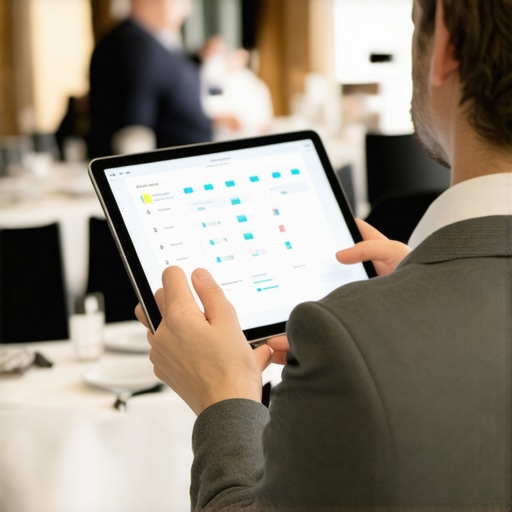
Behind Every Smooth Event Is a Lesson Not Every Planner Learns
Over the years, I’ve realized some truths about staffing that aren’t in the textbooks. The most profound is that quality staffing doesn’t come from simply hiring more bodies; it springs from understanding your event’s unique rhythm and aligning your team’s skills accordingly. I once thought adding extra servers would speed up service, only to see chaos unfold. That lightbulb moment shifted my focus toward targeted roles and strategic deployment, transforming my events from hectic to harmonious.
My Go-To Resources That Keep Me Sharp
First, Gourmet Catering Co.’s online guides are invaluable for mastering server techniques and event logistics. Second, I rely on digital planning tools like Asana for coordinating staff tasks and timelines. Lastly, engaging with industry forums like the Event Professionals Network keeps me inspired and informed about emerging trends. These resources have consistently helped me elevate my service standards and adapt swiftly to challenges.
Your Next Leap Starts Today
Embrace the nuances of staffing, and you’ll uncover a world where events run seamlessly, guests feel valued, and your team thrives. Remember, the difference lies not in the size of your team but in the precision of your strategy. So, are you ready to rethink your approach and lead your team to new heights? Your journey toward effortless, impactful events begins now.