

I still cringe when I think about my first big corporate gig. I had the best intentions, but my buffet table ended up looking like a flat, beige runway. I’d placed every dish directly on the linen, thinking it looked ‘clean.’ Instead, it looked clinical—and frankly, a bit boring. Guests didn’t know where to start, and even my high-end salmon looked like cafeteria mystery meat. That’s when it hit me: styling a buffet isn’t just about the food; it’s about the architecture of the experience. Today, I’m going to show you how to move past the ‘flat table’ phase and create a spread that guests will be snapping photos of before they even grab a plate. We’re going to tackle everything from verticality to those tiny details that prevent a total logjam in the serving line.
Ditch the Flat Look to Give Your Guests a Feast for the Eyes
When I was starting out, I made the classic mistake of thinking that as long as the food tasted good, the presentation didn’t matter. I was wrong. The way you arrange your spread dictates the energy of the entire room. If you’re planning unforgettable wedding catering ideas, you have to realize that guests eat with their eyes long before the fork hits their mouths. A well-styled table creates a sense of abundance and care. It’s the difference between a ‘trough’ and a ‘dining experience.’ I’ve seen beautiful innovative wedding themes fall flat simply because the buffet looked like an afterthought. My secret? I started using crates, books, and even sturdy boxes under the tablecloth to create different levels. [IMAGE_PLACEHOLDER] It draws the eye up and makes the food feel more accessible. Have you ever stood in a buffet line and felt like you were just waiting for a handout? It’s a common struggle, but we can fix that.
Does a pretty table actually make the food taste better?
It sounds like a bit of ‘event planner fluff,’ right? But it’s actually backed by science. A study by gastrophysicist Charles Spence at Oxford University revealed that visual presentation can significantly alter our perception of taste—sometimes making the food seem up to 30% more flavorful. Beyond the science, a beautiful layout also helps with the flow. If you use the simple trick for keeping buffet labels legible, you reduce that awkward ‘what is this?’ pause that slows everyone down. We also want to make sure we’re styling in a way that doesn’t feel cluttered. I’ve learned the hard way how to reduce food waste without making the buffet look scant, and it all starts with the right risers and greenery. So, have you ever hosted an event where the food was great but the table just felt… off? Let me know, because I’ve definitely been there. Now, let’s get into the practical steps to ensure your next event has that professional, layered look.
Build a Culinary Skyline with Hidden Risers
To start, you need to think like an architect, not a home cook. You want to build a ‘skyline’ on your table. I remember a chaotic holiday party where I tried to fit six different appetizers on a single standard table. It looked like a crowded elevator. I quickly grabbed some empty soda crates from the back, flipped them over, and threw a heavy linen on top. Suddenly, the shrimp cocktail was at eye level, and the spring rolls were tucked safely below. It changed the entire energy of the room instantly. By using crates, sturdy books, or professional acrylic blocks under your tablecloth, you create visual interest that guides the eye toward your stars. This is one of the most effective catering strategies for corporate event impressiveness because it allows you to fit more food into a smaller footprint without it looking cluttered. 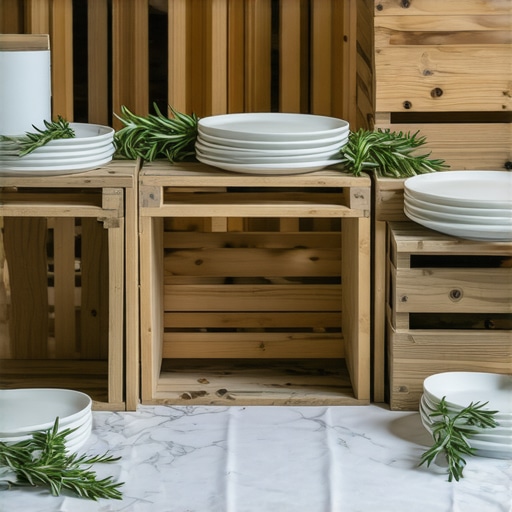
Stop the Serving Line Logjam Before It Starts
Nothing kills a vibe faster than a line of hungry people who haven’t moved in five minutes. Think of your buffet as a highway; you need clear on-ramps and off-ramps. I once saw a beautiful wedding spread come to a grinding halt because the host placed the cutlery at the beginning of the line. Guests had to juggle their napkins and forks while trying to plate their food. Always put the plates at the start and the silverware at the very end. If you are dealing with a larger crowd, how to coordinate server movements to prevent hallway traffic jams becomes a critical part of your layout. I’ve found that pulling the table six inches away from the wall allows your staff to replenish dishes from the back without bumping into guests. It keeps the ‘magic’ alive because the food just seems to magically reappear.
Layer Textures to Mask the Industrial Basics
Standard catering equipment is often functional but ugly. To fix this, you need to layer. Start with a base of heavy fabric—remember that the impact of floor-length linens on server safety and aesthetics cannot be overstated. A long cloth hides the messy legs of your risers and creates a clean canvas. From there, add ‘life.’ I like to tuck sprigs of eucalyptus or rosemary between the platters. It adds a pop of color and a subtle scent that isn’t overpowering. When I was styling a tech launch last year, the venue was a cold, concrete warehouse. By adding textured runners and some well-placed greenery, we turned a sterile environment into a warm, inviting space.
How to Manage the Dreaded Salad Tongs Traffic
Small details like the placement of serving utensils can make or break the flow. If you have a long table, you can actually how to style a long kings table without blocking sightlines by keeping your tallest floral arrangements at the ends and the food in the middle. Place the most ‘difficult’ items to serve—like slippery salads or pastas—at the end of a section where there is more room to maneuver. Also, ensure you are using the simple trick for keeping buffet labels legible and clean: use small cardholders that match your theme. This prevents guests from leaning over the food to see what’s inside, which is both a hygiene and a flow win.Common wisdom tells you that a successful event needs a massive variety of dishes to please everyone. But if you’re looking for corporate event catering strategies for success, you need to ignore that instinct. In my experience, ‘the paradox of choice’ is a real event killer. A famous study by Sheena Iyengar at Columbia University found that when consumers are faced with too many choices, they are actually less likely to make a decision. At a buffet, this translates to guests hovering over every tray, paralyzing the line. This is a common pitfall when trying how to prevent decision fatigue when selecting your wedding decor. Instead of twenty mediocre options, I always advocate for three ‘hero’ dishes. It’s a core part of wedding catering tips from industry experts: focus on quality over sheer volume to keep the momentum going.
The Bar Placement Blunder That Ruins Your Layout
The ‘Oops’ factor often happens when people try to save space by clustering services. I’ve seen planners put the bar right next to the main buffet to ‘keep the party together.’ Don’t do it. This creates a collision course between people wanting a refill and people trying to plate their main course. Understanding the logic behind placing the bar far from the wedding buffet is crucial for large-scale events. By separating these zones, you force guests to circulate, which naturally improves networking during mastering corporate event planning. If you aren’t careful, you’ll end up with a high-density zone that feels like a subway at rush hour rather than an elegant gala.
Should you really let your guests choose their own portions?
While self-service feels more ‘casual,’ it often leads to a messy-looking table by the third guest. This is where the human element becomes your greatest tool. I’ve found that server skills that make every event stand out involve ‘active serving’ even at a buffet. Having a professional carve the protein or scoop the risotto doesn’t just feel more premium; it ensures the last person in line sees a plate that looks just as good as the first. This level of optimizing server efficiency to enhance event satisfaction prevents the ‘scraped-out pan’ look that ruins the aesthetic. 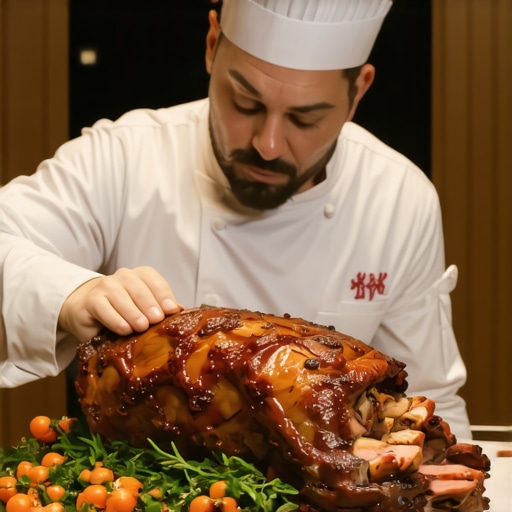 Professional intervention at the table keeps the presentation pristine for hours. Have you ever fallen into this trap of over-complicating a menu only to watch the line stall? Let me know in the comments.
The Industrial Gear That Saves My Sanity and Your Dinner
I’ve spent years experimenting with every heating element under the sun, and I’m here to tell you that the old-school Sterno cans are often more trouble than they’re worth, especially for outdoor events. If you want to really level up, look into portable induction burners. They offer the kind of precision that prevents your delicate sauces from breaking—something that happens all too often when you’re just guessing with an open flame. This shift in equipment is a cornerstone of the ultimate guide to corporate event catering logistics because it ensures quality isn’t sacrificed for convenience. When I switched to induction for a high-stakes executive lunch, I didn’t have to worry about the ‘scorch’ that usually ruins the bottom of a pasta tray. Beyond the heat, your toolkit needs to include heavy-duty gaffer tape and a level. There is nothing more distracting than a slightly tilted riser that makes your soup look like it’s trying to escape the bowl. These small, non-glamorous items are what I always include in my essential checklist for successful corporate event catering.
How do I keep the table from looking like a war zone after the first 50 guests?
This is the million-dollar question. The secret isn’t just in the setup; it’s in the ‘reset.’ I train my team to perform ‘micro-resets’ every ten minutes. This means wiping down a stray drip of gravy immediately and fluffing the greenery that’s been flattened by a guest’s sleeve. It’s a vital part of corporate event catering strategies for success. To maintain food safety while keeping things looking fresh, I follow the guidelines often discussed by food safety experts like Dr. Donald Schaffner at Rutgers University, who emphasizes the importance of strict temperature monitoring to avoid the ‘danger zone.’ We don’t just leave a massive tray out; we swap for smaller, fresher portions frequently. 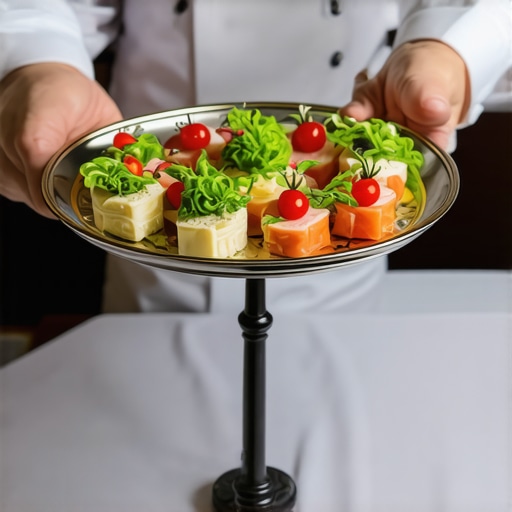 This technique keeps the ‘visual abundance’ high without risking the quality of the dish. Also, I always insist that why your event server should always carry a lighter is about more than just candles; it’s about being ready to relight a warming unit the second a breeze catches it, ensuring the food stays at the perfect temp.
Where the high-end buffet is heading in 2025
Looking ahead, I see a massive move toward ‘smart’ labeling and hyper-localized storytelling. We’re moving past simple cardstock labels. I’m starting to see digital ink displays that can update in real-time if a dish is swapped or if a specific allergen is identified. This fits perfectly into the innovative wedding themes that are prioritizing transparency and tech-integration. We’re also seeing a return to ‘theatrical’ serving stations where the server isn’t just behind the line, but interacting with the guest, explaining exactly where the heritage pork was sourced. It’s a way to scale a large event while keeping that intimate, high-end feel. My challenge to you for your next event: try the ‘smaller tray, faster swap’ method. It’s more work for the kitchen, but the impact on your guests’ perception of ‘freshness’ is worth every extra step.
Lessons from a Decade of Buffet Gravity
Over the years, I’ve realized that the ‘perfect’ buffet is never finished; it’s a living, breathing part of the party. One of the biggest shifts in my perspective came when I stopped viewing servers as just food runners and started seeing them as curators. When you have best corporate event servers for 2025 on your team, they don’t just stand there; they manage the architecture of the food, ensuring the heights stay consistent as people eat. I also learned that luxury wedding catering ideas often rely on what you don’t see—the hidden braces and the calculated gaps that allow guests to breathe between courses. Most importantly, I’ve found that a table with three heights is five times more memorable than a flat one, simply because it mimics a natural landscape rather than a factory line.
The Tools That Actually Do the Heavy Lifting
If you want to move from amateur to pro, your toolkit needs to evolve past the home kitchen. I always tell my trainees that elegant wedding venues and catering inspiration for 2025 starts with the hardware. My ‘go-bag’ always includes heavy-duty clamps for linens, portable induction tops that don’t flicker in the wind, and a set of diverse risers. I also highly recommend looking into the work of event designers who prioritize logistics; their ability to layer textures is a masterclass in visual depth. For those planning the ultimate wedding reception meal, investing in high-quality cardholders is a small expense that yields massive returns in guest confidence and overall flow.
Time to Transform Your Next Table Layout
Creating a stunning buffet isn’t about having the most expensive ingredients; it’s about respect for the guest’s experience. When you take the time to layer your heights, hide your industrial gear, and curate the serving flow, you’re telling your guests that their comfort matters. Whether you are executing corporate event catering strategies for success or a small celebration, the principles remain the same: build up, keep it moving, and never let the table look tired. Don’t be afraid to experiment with different heights and textures at your next gathering. What is the most frustrating thing you’ve ever encountered in a buffet line? Let me know in the comments below!