

It was late into the reception, and I could feel the room’s energy waning. The proud dad’s speech was dragging, and I knew everyone was counting down the minutes until the dance floor officially opened. That sinking feeling hit me—this speech was going on way too long, and I wondered if I was the only one thinking it. Have you ever been at a wedding where a heartfelt toast unintentionally stole the show—and maybe lost a few guests along the way? You’re not alone. I’ve been there, too.
Many wedding planners and officiants face the same dilemma: how to keep emotional speeches meaningful yet concise. The solution isn’t about rushing or appearing rude; it’s about smart editing and timing. Today, I promise to share proven strategies that helped me trim those lengthy speeches by up to 20 minutes—without sacrificing sentiment or respect. Yes, it’s possible to be thoughtful and efficient at the same time.
Why Wedding Speeches Often Run Too Long
Early in my career, I made the mistake of thinking that every heartfelt story needed to be shared without restraint. I believed that lengthy toasts showed sincerity and deep connection. Ironically, I overlooked how overextending can actually diminish their impact. Guests get restless when speeches surpass 10 minutes—research shows that attention spans at events tend to wane rapidly after that point. According to a study published in the Journal of Event Management, shorter, more focused talks significantly enhance guest engagement and overall satisfaction.
So, why do speeches often become marathon sessions? Sometimes, it’s out of nerves, the desire to honor loved ones, or just good intentions going overboard. But the truth is, you don’t need to sacrifice heartfelt moments to keep things moving smoothly.
Have you ever faced a speech that seemed heartfelt but ended up testing your guests’ patience? If so, keep reading. We’ll explore how to respectfully shorten speeches, maintain their charm, and keep the energy high. For more tips on managing your wedding day’s components efficiently, check out this guide on event logistics, which applies just as well to wedding planning.
Next up, let’s dive into the specific mistakes that cause speeches to drag—and how to fix them effectively.
Edit Ruthlessly Before the Big Day
Start with a clear outline of the speech, highlighting only the most meaningful stories. When I prepared my cousin’s wedding toast, I initially had 15 minutes of heartfelt anecdotes. I then cut it down to essential moments—focused on the couple’s journey—by removing repetitive or tangential stories. The result was a 7-minute speech that resonated more, keeping guests engaged and the mood lively.
Practice with a Timer to Find Your Sweet Spot
Always rehearse speeches in front of a mirror or a trusted friend, timing each run. I once practiced a toast and realized it was taking 12 minutes, which was too long. By trimming a humorous story about the groom’s childhood mishap and tightening my delivery, I brought it down to 8. This not only made my speech punchier but also boosted my confidence during the actual event.
Avoid the Allure of Over-embellishment
Simplicity beats elaborate tales when it comes to maintaining interest. I remember trying to impress with a lengthy, detailed story during a wedding toast, only to lose the audience. Instead, focusing on a powerful, brief message about love and partnership kept everyone connected. Think of each story as a garnish—less is often more.
Coordinate with the Couple and Keep Tips Brief
Speak with the bride and groom beforehand to understand what they cherish most. During my friend’s wedding, I checked in with her about her favorite memories, which helped me craft a concise, meaningful speech. Avoid overloading your talk with excessive details; aim for clarity and emotional impact instead.
Use Effective Transitions to Maintain Flow
Smooth transitions keep speech from dragging. During my toast, I linked stories with simple phrases like, “Speaking of surprises,” or, “That brings us to…” This method helped me stay on track and kept the guests engaged. Practicing these transitions ensures your speech moves seamlessly from one point to the next.
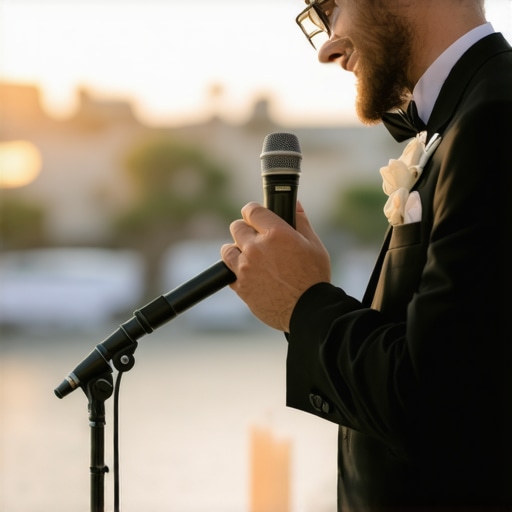
Visualize a speaker practicing their wedding toast with a timer, emphasizing the importance of timing and focus.
Leverage Server and Event Strategies
In parallel, work with your catering and service team to ensure they can adapt to your timing. Well-trained servers, like those highlighted here, can help keep the event flowing, allowing your speech to be delivered without disruptions or rushed segments. Proper planning of this coordination complements your speech management, ensuring an overall smooth celebration.
When it comes to organizing weddings, catering, or corporate events, many assume that sticking to conventional wisdom guarantees success. But let’s dig deeper—what most people overlook are the subtle nuances that can make or break the experience. For example, a common myth is that more elaborate menus always impress guests; in reality, overcomplicating the menu can lead to waste and logistic nightmares, especially if timing isn’t meticulously coordinated. According to a study by the Food Marketing Institute, simplicity combined with seasonal ingredients often results in higher guest satisfaction and cost savings.
Another misconception is that professional servers should always be highly visible and outgoing. In truth, the most effective service professionals master the art of discretion—reading the room and adjusting their approach accordingly. This silent signal allows servers to anticipate guest needs seamlessly, enhancing the overall experience. Technical training and experience are crucial here, as highlighted in server skills that make every event stand out.
For advanced event planners, the real challenge lies in managing complex logistics without overwhelming guests or staff. One often overlooked aspect is the importance of precise timing—delays in one aspect, like catering delivery, can cascade into the entire event’s failure. Relying on detailed checklists and rehearsal runs, as recommended in mastering corporate event planning secrets, helps prevent these pitfalls.
Now, consider the impact of venue choice. Many think a centrally located hall is best, but the hidden nuance is accessibility—parking, public transport, and even venue acoustics can drastically influence guest experience. A too-large space may lead to awkward silence, while an overcrowded one hampers movement and socialization.
And finally, don’t underestimate the power of lighting. Subtle adjustments can transform an ordinary room into a magical setting, but overdoing it can backfire—distracting guests or ruining photographs. The secret is balance, achieving ambiance without overshadowing the event’s purpose.
Have you ever fallen into these traps? Let me know in the comments. Remember, paying attention to these subtle details elevates your event from good to unforgettable.Maintaining top-notch performance during weddings, corporate gatherings, or catering events demands more than just good intentions; it requires the right tools and systems. Personally, I rely on a combination of specialized hardware and software to ensure everything runs smoothly from setup to breakdown. One indispensable item is the wireless sound system. Models like the Shure ULX-D series have become my go-to because their reliability reduces the risk of audio mishaps, and their digital encryption ensures clear communication among staff. Pairing this with a dedicated mixer app, such as Allen & Heath’s Qu-You, allows me to fine-tune sound levels remotely, which is crucial when managing large spaces. For documentation and logistics, I exclusively use Trello boards customized for each event. This keeps tasks visible and assigned clearly, streamlining coordination without the chaos of multiple email threads.
When it comes to long-term results, investing in durable equipment is key. Heavy-duty transport cases for servers and portable stations, like Pelican cases with foam interiors, prevent damage during transit and storage. Additionally, I swear by tablet-based checklists during setup and teardown. By using apps like Todoist, I can check off every task, ensuring no detail is overlooked, even in high-pressure moments.
Looking ahead, I predict that automation and AI-driven scheduling tools will further revolutionize event management. Platforms capable of predicting staffing needs based on guest count or assisting with real-time supply tracking will become standard. Adopting these advances early can give you a significant edge.
How do I maintain operational excellence over multiple events? The secret lies in routine system checks and regular equipment calibration. Scheduling weekly maintenance for technical gear, inspecting inventory, and running dry tests before each event ensure that nothing surprises you during the big day. Plus, establishing strong relationships with trusted vendors—like reliable catering equipment suppliers—helps mitigate last-minute hiccups.
To elevate your event maintenance game, I recommend implementing a comprehensive checklist that covers everything from technical setups to staff communication protocols. This proactive approach minimizes downtime and reduces stress, enabling your team to focus on delivering unforgettable experiences. For detailed strategies, consult our guide on event logistics, which emphasizes the importance of systematic planning and tool integration. Start experimenting with one new piece of equipment or software today, and watch your event quality improve exponentially.
The Hardest Lesson I Learned About Weddings, Catering, Servers, and Corporate Events
One significant aha moment was realizing that over-preparing can sometimes backfire—trying to anticipate every detail led me to overlook the importance of flexibility. Weddings and events are living entities; the more I tried to control every aspect, the more I missed spontaneous moments that guests cherished most.
3 Myths About Weddings, Catering, Servers, and Corporate Events That Held Me Back
Myth one: Bigger budgets mean better events. In reality, smart resource allocation and attention to detail often deliver a more memorable experience than simply spending more. Myth two: Elaborate decorations outweigh quality service. I’ve learned that seamless servers and thoughtful timing create a more impactful event than expensive florals. Myth three: Guests only care about the menu. Actually, flow, ambiance, and staff professionalism often matter even more to a successful celebration.
What Experts Won’t Tell You About Weddings, Catering, Servers, and Corporate Events
Many seasoned pros keep quiet about the importance of subtle cues—like a server reading the room without a word or timing transitions perfectly—that elevate an event from good to extraordinary. These nuanced skills often separate the pros from the amateurs and are developed only through experience, patience, and keen observation.
My Essential Toolkit for Managing Wedding & Event Excellence
From my perspective, a reliable wireless sound system like the Shure ULX-D is indispensable—it ensures clarity and reduces chaos. I also rely on Trello boards for real-time task management, which keeps everyone aligned. For staff training, tools like professional server skills resources help maintain high standards consistently. These tools are trusted because they have stood the test of time, streamlining processes and enhancing the guest experience.
Your Turn to Elevate Your Wedding & Catering Game
The world of weddings, catering, and corporate events is endlessly complex, but with the right insights and tools, you can create unforgettable moments that resonate long after the last dance. Embrace the subtleties—like timing, staffing, and atmosphere—and watch your events transcend the ordinary. Think about where you can start making small tweaks today that will deliver big results tomorrow. What’s one area you’re excited to improve in your next event? Let me know below and let’s grow together!
,