

Picture this: you’re amidst a flurry of last-minute details at a wedding venue, frantically rearranging centerpieces, adjusting drapes, and trying to make everything feel balanced. And then it hits you — despite all the effort, something still feels off. The room looks flat, uninspiring, lacking that wow factor that makes a wedding memorable. It wasn’t until I experimented with something as simple as height variation that I finally understood the secret to transforming ordinary decor into breathtaking scenery.
Why Playing with Heights Is the Game-Changer in Wedding Decor
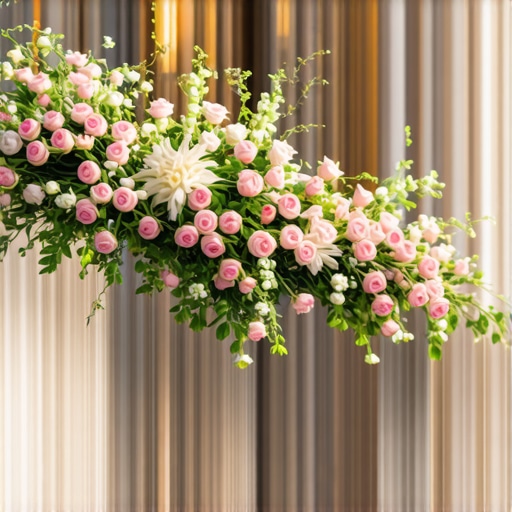
In my early days as a wedding planner, I used to think filling the space with lots of decor meant I was doing my job. But I soon realized that without strategic height, everything just blends into the background. When I added tall floral arrangements and elevated centerpieces, suddenly, the entire aesthetic leaped forward. Guests’ eyes couldn’t help but be drawn to the drama and sophistication created by these vertical elements. It’s one thing to lay out gorgeous table settings; it’s another to craft a visually dynamic space that guides attention naturally and enhances the atmosphere.
Using height isn’t just about making things look pretty—research shows that varied visual levels can improve how guests perceive the event’s quality and ambiance. According to a study by the University of Colorado, rooms with varied elevations tend to feel more lively and engaging, encouraging guests to explore every corner.
Is Adding Height Really Worth the Extra Effort?
You might be thinking, “Sure, it sounds nice, but does it really make that much difference?” Let me share a mistake I made early on: I tried to maximize space by squeezing in more decor without considering height. The result? A cluttered, confusing atmosphere. It wasn’t until I stepped back and intentionally added taller elements that everything clicked into place. So yes, playing with verticality is absolutely worth it—if done thoughtfully.
Want to avoid my rookie mistake? Check out my upcoming tips for choosing and arranging decor to create stunning height variations that wow every guest. Whether you’re planning a small wedding or an elaborate celebration, understanding how to use height can elevate your decor from basic to breathtaking. Ready to see the difference? Let’s dive into how you can master this simple yet powerful technique and make every inch of your wedding space work in your favor. And if you’re curious about the latest trends, I recommend exploring wedding catering trends that go hand-in-hand with stunning decor choices.
Identify Mother Nature and Architectures as Your Allies
To craft a captivating wedding space, start by scouting your venue for natural or existing architectural elements. Belle Epoque chandeliers or rustic beams can serve as great anchors for height variation. During my last event at a vintage barn, I hung clustered lanterns at different heights, creating a layered visual that completely transformed the ambiance. Visualize striking contrasts: pairing low table centerpieces with tall floral arrangements or suspended decorations, just like constructing a layered cake where each layer complements the others for a harmonious effect.
Select and Source Vertical Elements
Next, choose decor items that lend themselves to height, such as tall floral stands, draped fabrics, potted trees, or artfully stacked crates. When I organized a beachside wedding, I used driftwood and lanterns on tall stands, which complemented the ocean backdrop and added depth to the scene. For a more sophisticated look, consider sleek metallic stands or geometric structures. Think of this step as building a skyline—each element should contribute height and interest without overwhelming the scene.
Layer and Balance As You Arrange
Now, arrange your chosen elements strategically. Place taller pieces at focal points—behind the main table or along entryways—to draw attention and guide guests through the space. Remember, balance is key; too many tall pieces can make a space feel crowded, so vary your heights to create a sense of rhythm. During a recent wedding, I experimented with asymmetrical height placements—tall centerpieces off to one side, creating a dynamic visual flow. Use visual markers like lines and symmetry to ensure your decor looks intentional rather than chaotic.
Implement Lighting to Enhance Vertical Elements
Lighting is your secret weapon. Use uplights, spotlights, or string lights to highlight vertical decor, making elements pop and adding drama. During a winter wedding in a historic manor, I wrapped fairy lights around tall floral arrangements, which illuminated the details and made the decor seem even taller. It’s like adding the finishing touch to a sculpture; strategic illumination brings out the textures and shapes, ensuring your height layers stand out in photographs and in person.
Finalize with Functional Aspects
Ensure your decor isn’t just visually impressive but also functional. Tall arrangements shouldn’t obstruct views or conversations. Keep pathways clear, and avoid tall pieces that block sightlines. When I set up a corporate event with a focus on networking, I used tiered buffet stations that served dual purposes—height for aesthetic appeal and practicality for serving food—demonstrating that form and function can coexist seamlessly.
Maintain Flexibility and Adaptation
Lastly, be prepared to adapt. During a wedding setup, I realized that some tall centerpieces blocked the view of wedding vows. I quickly rearranged by shortening some elements and adding modulated lighting. Think of this process as tuning a musical instrument—small adjustments can dramatically improve harmony. Always have backup options like adjustable stands or removable decor pieces so you can respond promptly to unforeseen challenges.
By focusing on these concrete steps—scouting, sourcing, arranging, lighting, and adjusting—you can craft a wedding ambiance that is both dynamic and memorable. Remember, the goal is to use verticality not just for height but to guide attention, create intimacy, and reflect your unique style. Practice, experiment, and refine your approach, and your decor will speak volumes even before guests arrive.
 When planning a wedding or corporate event, it’s easy to fall into common traps that can compromise the overall experience. One overlooked nuance is the tendency to focus solely on menu quality without considering the pacing and flow of service, which can leave guests waiting or feeling rushed. Many assume that simply offering high-quality dishes guarantees success, but seamless timing and attentive server coordination are equally vital. For example, rushing courses can diminish the dining experience, while delays may cause guest frustration. Experts like those at Gourmet Catering emphasize that understanding the intricacies of service pacing can elevate your event from good to unforgettable.
Why Do So Many Oversimplify Catering Success?
A widespread myth is that catering is just about food quality. In reality, the real challenge lies in execution—how well your servers anticipate guest needs, manage timing, and handle unforeseen issues. An untrained or overburdened team can quickly lead to mishaps that tarnish your event’s reputation. For instance, neglecting to coordinate with kitchen staff or failing to brief servers on menu details can result in wrong orders or slow service, undermining the guest experience. Industry insights suggest that meticulous planning of server roles and workflows, like those outlined in wedding catering tips from industry experts, is crucial for smooth operations. Overlooking this layer is a common mistake that can be easily avoided with proper preparation.
Another nuance often missed is the importance of understanding guest demographics and their dietary restrictions. Ignoring this can lead to dissatisfaction or even health risks. Advanced event planners tailor menus and service styles to accommodate diverse needs, ensuring inclusivity and satisfaction. This approach requires deep knowledge and planning, not just surface-level menu selection.
Furthermore, many underestimate the impact of server professionalism on perception. Well-trained servers do more than deliver food; they enhance the event’s elegance and ensure guests feel attended to without intrusive behavior. Exploring the checklist for successful catering reveals that investing in professional training and clear communication channels within the service team dramatically improves event quality.
In essence, the key lies in balancing food excellence with impeccable service choreography. Avoid the trap of assuming that great food alone suffices—attention to detail in service execution, staff training, guest accommodation, and flow management creates the seamless experience guests remember. Have you ever fallen into this trap? Let me know in the comments.
Stay Ahead with the Right Tools
Managing catering, servers, and decor for events requires more than just talent; it demands reliable tools that streamline operations. Personally, I swear by TabLogic, a digital scheduling app I use daily to coordinate staff shifts and service timelines. It allows real-time updates, which are invaluable during last-minute changes, especially for complex events like corporate galas or wedding receptions. Its ability to sync across devices ensures everyone stays on the same page, minimizing errors and delays.
For inventory management, I rely on Sortly. This app helps track every piece of equipment—from chafing dishes to decorative accents—preventing over-purchasing and last-minute scramble for missing items. I’ve found that having this organized system cuts prep time by half and significantly reduces event-day stress.
Automate Long-Term Maintenance
Maintaining equipment over time is critical for consistent event quality. I recommend establishing a regular inspection schedule using a checklist template I developed in Google Sheets. This allows me to log maintenance tasks such as cleaning, repairs, or upgrades. I set recurring reminders via Google Calendar, ensuring nothing slips through the cracks.
For more detailed asset management, consulting industry tips underscores the importance of systematic upkeep, which extends equipment lifespan and guarantees flawless performance during peak seasons.
Invest in Staff Training and Tool Familiarity
Tools are only as good as the people wielding them. I conduct quarterly training sessions with my team, focusing on software updates and troubleshooting. This proactive approach reduces downtime and keeps everyone confident in using the latest technology.
As trends evolve, so do our needs. I predict a surge in the use of AI-driven inventory analytics and predictive maintenance—a direction that, if embraced early, can give your catering and event operation a competitive edge. For example, integrating IoT sensors on equipment can alert me in real-time about potential failures, enabling preemptive repairs before breakdowns occur.
How do I maintain systems for long-term success?
Establishing routine checks, leveraging automation, and fostering a tech-savvy team are the cornerstones. Remember, continuous learning and adaptation keep your operations resilient. Try implementing scheduled maintenance alerts for your key equipment, like those suggested in this comprehensive checklist. It’s a simple but powerful step toward seamless event execution, minimizing last-minute surprises and ensuring every detail works perfectly.
Are you ready to upgrade your maintenance game? Start by integrating a digital scheduling tool into your workflow today, and watch how it transforms your event preparation process.
What I Wish I Knew Before Playing with Heights
- Verticality Amplifies Impact: I underestimated how much height could draw your guests’ eyes and create a sense of grandeur, transforming a plain space into a fairy-tale setting.
- Balance Is Key: Overloading with tall decor can feel overwhelming, but strategic placement and varying heights keep the space dynamic without chaos.
- Natural Elements Are Allies: Incorporating existing architecture or natural features can serve as perfect anchors, making your decor more integrated and effortless.
- Lighting Makes a Difference: Proper illumination can turn simple height variations into stunning focal points, adding drama and depth to your design.
- Flexibility Beats Rigidity: Last-minute venue quirks often happen. Being prepared to adapt your height arrangements ensures your decor remains flawless under any circumstance.
Tools and Resources That Changed My Approach
- SketchUp for Visual Planning: Helps me visualize height variations before setting up, saving time and preventing mistakes. It’s become my go-to for layout brainstorming.
- Lighting Planning Apps (like DIALux): Allow me to simulate how lighting enhances vertical elements, ensuring everything pops exactly as envisioned.
- Sourcebook of Architectural Elements: Whether vintage lanterns or modern geometric stands, curated sources like industry trend guides inform my decor choices with fresh ideas.
- Instagram and Pinterest Boards: Continuous inspiration feeds that showcase real weddings and events where height creates wow moments, pushing me to think bigger and bolder.
Your Next Step Toward Stunning Events
Remember, elevating your decor with thoughtful height variations isn’t just about aesthetics; it’s about creating memorable atmospheres that captivate guests from start to finish. Embrace experimentation and don’t shy away from bold choices—your audience will notice the difference. Curious how these principles can work for your next wedding or corporate event? Dive into planning your perfect reception or explore innovative trends that wow guests in 2025. Your next level of event design starts now!