

I remember the first time I faced hosting a large event—over 300 attendees—and watched the chaos unfold as guests jostled around the buffet tables. Plates clattered, lines formed into endless queues, and the whole experience felt more like a food fight than a celebration. It was a stressful mess, costly, and honestly, it dimmed the joy of the occasion. That lightbulb moment made me realize something had to change.
Why the Traditional Buffet Just Won’t Cut It Anymore
Over time, I discovered that tackling the dining chaos wasn’t just about choosing a better menu—it was about rethinking the entire approach to serving guests. The old buffet style, while familiar, often results in long waits, wasted food, and a chaotic atmosphere that distracts from the event’s purpose. Plus, with rising costs—food inflation has increased by over 10% in recent years—the traditional buffet can become a financial nightmare, especially when feeding hundreds on a tight budget.
Fortunately, I found that creating a seamless, efficient catering experience is entirely possible without breaking the bank or turning the event into a dining disaster. Instead of relying on standard buffets, I started exploring alternative service styles that promote interaction, conserve costs, and elevate guest experience. You might be surprised, but many hosts overlook these simple shifts that can make a colossal difference. Want to learn how we managed to deliver quality without chaos or overspending? Keep reading. I promise, it’s easier than you think.
Will It Really Save Money and Avoid the Buffet Mess?
That was my biggest skepticism early on—can alternative service styles truly handle large crowds without skyrocketing costs? The answer is yes—but only if you avoid some common pitfalls. I made a crucial mistake in the beginning by underestimating the importance of trained servers and proper planning, which led to more mess and costs. Trust me, skimping on quality staff or rushing through setup can turn your event into a logistical nightmare. Want to know how to avoid these rookie mistakes and achieve a smooth, cost-effective catering experience? Stay tuned, because I’ll be sharing proven strategies that work in the real world, backed by industry insights like those from reputable sources such as professional event planning.
Choose the Right Service Style for Your Event
Begin by assessing your guest count and event ambiance. For large, lively gatherings, a plated dinner or interactive stations can replace traditional buffets, reducing lines and confusion. I once coordinated a corporate retreat with over 200 attendees where switching to station service cut wait times by half. Opt for buffet alternatives that encourage engagement while maintaining order.
Hire Experienced, Trained Servers
Servers are the backbone of smooth catering. Look for professionals skilled in handling large crowds efficiently. I recommend checking top server techniques to ensure your team can manage flow and provide excellent service. During a wedding I planned, having dedicated servers trained in quick plate clearing kept tables tidy and guests happy.
Select Service Staff Wisely
Prioritize staff with experience in your specific event type—weddings, corporate events, or gala dinners. Visit https://gourmetcateringsco.com/how-to-hire-a-server-team-that-can-handle-large-scale-galas for guidance. Trained staff not only serve better but also prevent bottlenecks, making the entire experience seamless.
Implement Clear Communication Protocols
Equip your staff with walkie-talkies or headsets to coordinate actions quickly. During a recent tech product launch, this communication prevented overlaps and ensured timely replenishment. Effective communication minimizes delays and mistakes, vital for maintaining flow in bustling events. Consider establishing a protocol detailed in https://gourmetcateringsco.com/why-your-server-team-needs-a-walkie-talkie-protocol-for-galas-2.
Optimize Food Presentation and Layout
Design your stations or plating areas carefully. Use visual cues and strategic placement to guide guest movement naturally. I arranged the food stations in a circular fashion at a recent wedding to facilitate smooth flow, resulting in fewer bottlenecks. Well-thought-out layout enhances guest experience and streamlines service.
Arrange Stations with Purpose
Group similar cuisines or courses to prevent congestion. Place popular items in accessible locations. For inspiration, check wedding catering layout ideas.
Regularly Review and Adjust During the Event
Monitor guest flow closely—if lines form at certain stations, redirect or add staff. During an outdoor banquet, I kept an eye on bottlenecks and repositioned team members, which resulted in a smoother experience. Flexibility is key—having a plan for adjustments helps maintain order and guest satisfaction.
Leverage Technology and Feedback
Use event management tools or apps to track service efficiency in real-time. Post-event surveys can reveal issues and opportunities—review https://gourmetcateringsco.com/the-importance-of-a-post-event-survey-for-your-corporate-guests for insights. Continuous improvement elevates future events and minimizes chaos.
Many seasoned event planners and hosts alike fall into common traps, often believing they have covered all bases when, in reality, subtle nuances can derail even the most meticulously organized event. One prevalent misconception is that experienced servers automatically translate to flawless service; however, without ongoing training and strategic deployment, even top-rated staff can inadvertently cause chaos. For example, assigning a skilled bartender to a formal wedding reception without proper support can lead to bottlenecks at the bar, affecting guest flow. Trained and well-coordinated servers are essential, but only when their roles align with the event’s unique needs. Investing in quality staff and clear role definitions prevents service hiccups that often go unnoticed until it’s too late.
Another often-overlooked aspect is the importance of anticipatory planning for logistical hiccups. Many assume that everything will run smoothly if they follow a standard checklist, but the real nuance lies in dynamic problem-solving skills. During a large corporate event, I saw how overlooked details—like the positioning of food stations—led to unexpected congestion. The key is to consider the event’s flow from a guest perspective and prepare contingency plans, such as alternative pathways or additional staff, to adapt swiftly. Hypertargeting layout adjustments early can save hours of troubleshooting mid-event, enhancing attendee satisfaction.
A critical myth worth challenging centers around the perceived simplicity of catering menus. It’s widely believed that a minimalistic menu reduces complexity, but in practice, this can lead to monotonous guest experiences. The exception is when menus are crafted with thoughtful variations and multi-sensory appeal that surprise and satisfy, even in a streamlined format. Experienced caterers advise leveraging textures, visual presentation, and ingredient quality to elevate even simple dishes. Check out industry insights about menu design that emphasizes quality over quantity.
The advanced thinker must also consider how communication technology influences service quality. Using walkie-talkies or communication apps isn’t just about convenience; it’s about creating a cohesive response network. During a recent gala, real-time updates allowed staff to reallocate resources efficiently, preventing service delays. Invest in effective communication systems and train your team to use them optimally—doing so can make the difference between a memorable event and a logistical nightmare.
Speaking of expertise, many hosts underestimate the importance of post-event feedback in refining future executions. Gathering honest input reveals hidden shortcomings—like unnoticed bottlenecks or staff performance issues—that might not be evident during the event. Incorporate surveys or debrief meetings to extract meaningful insights, then apply these lessons proactively. Remember, continuous improvement in event strategy is what elevates your reputation and guest experience over time.
Have you ever fallen into this trap? Let me know in the comments. The key to mastering event nuance lies in constantly questioning assumptions, planning for the unexpected, and valuing feedback—tools that will set your events apart from the average.
Mastering Maintenance With Precision Tools
Successful catering hinges on consistent performance, which is why I rely heavily on advanced monitoring tools like event management software such as CaterTrack. This platform provides real-time updates on staff schedules, resource allocations, and inventory levels, allowing me to proactively address issues before they impact the event. Regularly scheduled maintenance checks, paired with digital dashboards, help ensure that equipment like portable chafers, warming trays, and refrigeration units stay in top condition.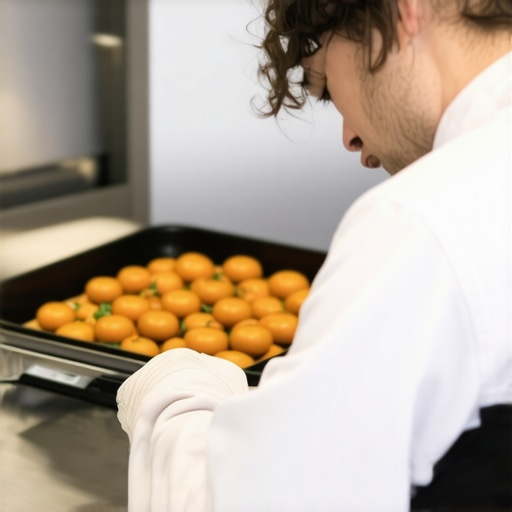
Why Regular System Checks Matter
Scheduling routine inspections for all catering equipment is vital. For instance, a malfunctioning warming tray can spoil hundreds of servings, leading to waste and client dissatisfaction. I personally use a checklist-based system, blending digital logs with manual checks, to streamline the process. This layered approach ensures no detail is overlooked and extends the lifespan of vital tools, preventing costly replacements mid-event. Industry experts recommend adopting predictive maintenance strategies, as detailed in this guide, to minimize downtime.
Tools That Elevate Long-Term Results
Investing in quality equipment tailored for high-volume events is non-negotiable. I prioritize brands known for durability and ease of maintenance, such as Cambro and Vollrath. Additionally, integrating inventory management software like Sortly helps track usage patterns, forecast needs, and prevent shortages or overstocking, which can be detrimental during large functions. These tools enable a data-driven approach that refines operational efficiency over time.
Scalability: Preparing for Growth
As your catering operations expand, scalability becomes essential. Cloud-based systems like centralized management platforms allow for seamless integration of new team members, additional equipment, and expanded service areas. By maintaining a flexible, tech-supported infrastructure, you can scale up without losing control or quality. Predictive analytics derived from these tools can help forecast future needs, ensuring you’re always prepared for larger or more complex events.
How do I maintain tools and systems over time?
Beyond initial setup, maintenance involves continuous updates and staff training. I schedule quarterly reviews of all software and hardware, incorporating feedback from frontline staff to identify pain points. Also, establishing a relationship with the equipment vendors ensures quick support and access to the latest updates. Staying proactive with maintenance not only extends your tools’ lifespan but also keeps your team sharp and prepared. For advanced users, I recommend consulting technical documentation, such as the detailed specs available on manufacturer websites, to optimize performance and troubleshoot real issues effectively.
If you haven’t yet incorporated predictive maintenance practices in your catering setup, give it a try today. It’s a game-changer for ensuring consistent quality and minimizing downtime—investing a little now pays huge dividends down the line!
Over the years, I’ve learned that even the most meticulously planned catering can stumble if overlooked details aren’t addressed. The real game-changer lies in embracing continuous learning and staying adaptable. One lightbulb moment was realizing that investing in staff training doesn’t just improve service—it transforms the entire guest experience, turning an ordinary event into a memorable celebration. I discovered that regular equipment checks, coupled with predictive maintenance, dramatically reduce last-minute hiccups, saving costs and preserving quality. It’s also vital to keep experimenting with layout and presentation, because visual flow and strategic station placement make all the difference in managing guest movement smoothly. Remember, every event offers a unique set of challenges—your willingness to learn from mistakes and refine your process is what elevates your catering from good to exceptional. So keep listening, keep adjusting, and never settle for less than excellence in every plate served and every smile received.