

I remember the sinking feeling in my stomach back at my first big wedding gig. The bride was glowing, the band was playing, but the servers? They were barely holding it together. One spilled wine on a dress, another tripped over a chair, and a third looked like she was about to cry. It hit me then—if I didn’t get ahead of these signs, the whole event could spiral out of control before the first course even made it to the guests. That day, I learned a crucial lesson: recognizing the warning signs early can mean the difference between a seamless celebration and a disastrous flop. Today, I want to share with you the three key signs that indicate your event server team might be headed for failure—and how catching these early can save your event from chaos.
Why Spotting Server Failures Early Matters More Than Ever
Imagine planning an elegant wedding reception or a corporate gala, where every detail has been meticulously arranged. Now, picture the chaos that ensues when servers are overwhelmed, disorganized, or inattentive. Not only does this impact guest experience, but it can also tarnish your reputation and lead to costly liabilities. According to a recent industry report, poor service can reduce guest satisfaction by up to 40%, making it vital to proactively identify and address potential issues before they escalate. Yet, many organizers overlook this aspect until it’s too late, relying on luck or hope that everything will run smoothly.
The reality is, failure often shows early signs—signs that, if spotted and addressed, can turn the tide. Early indicators like sluggishness, lack of cohesion, or visible frustration among servers aren’t just annoyances—they’re red flags signaling deeper problems. From my own experience, I made the mistake early on of ignoring these signals, thinking a quick pep talk or more training would fix everything. But without recognizing the underlying issues—such as staffing shortages or inadequate training—the problems persisted, leading to service gaps that guests noticed. To prevent this, I’ve learned that understanding and acting on these signs beforehand is essential for ensuring a successful event.
Are you facing challenges keeping your service team on point? Do you worry that small issues might spiral into bigger failures during your next big event? If so, stay tuned. Next, I’ll walk you through the three specific warning signs to watch for and how to address them proactively, backed by expert tips and real-world examples. Because when it comes to event success, early detection isn’t just smart—it’s everything.
Conduct a Pre-Event Staff Assessment
Start by evaluating your team’s skills and readiness days before the event. Schedule a briefing to discuss roles, expectations, and address any concerns. During this session, observe their confidence and communication—these are your first clues to potential issues. For instance, I once held a quick walk-through with my servers for a corporate luncheon, which revealed some lacked familiarity with our setup. Addressing this early prevented confusion on the day.
Implement Real-Time Monitoring During Setup
As you arrive, walk the venue with your team. Use a checklist to ensure they understand their stations, how to respond to common issues, and know the flow of service. Keep an eye out for signs of overwhelm—hesitation, shuffling, or accidental omissions. When I coordinated a wedding, catching a server hesitating over a wine service alerted me to provide quick mentorship, turning a potential slip into a smooth moment.
Establish Clear Communication Protocols
Equip your team with walkie-talkies or headsets for instant updates. Clear, concise communication helps spot early signs of failure, such as a jammed drink station or missing utensils. During a last-minute reception, my lead server alerted me via radio about a bottleneck at the appetizer table—allowing me to send backup before guest frustration grew. Practice these protocols beforehand to ensure quick response times.
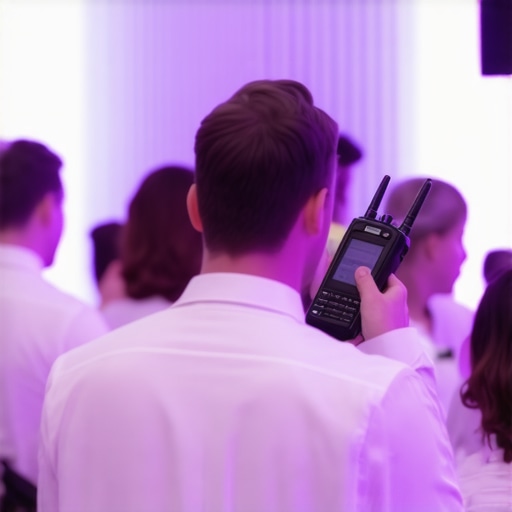
Visualize a coordinator checking in with servers via walkie-talkie, ensuring smooth flow during a busy event.
Schedule Regular Check-Ins and Feedback Loops
Throughout the event, hold brief stand-up meetings or calls with your team. Ask specific questions like, “Are there any issues at your station?” or “Do you need additional supplies?” This proactive approach uncovers problems early. For example, I once noticed a server struggling to coordinate with the kitchen during a large wedding. Quick intervention resolved the bottleneck, maintaining guest satisfaction.
Observe Guest Interactions for Hidden Clues
Guests often inadvertently signal service issues—long waits, unfilled glasses, or visible frustration. Train your team to be attentive and responsive to these cues. In a corporate event, I once noticed a guest repeatedly asking for attention at the bar, which signaled a server might be overwhelmed. Redirecting resources then enhanced the overall experience and prevented future delays.
Prepare for Quick Problem-Solving
Equip your team with troubleshooting tools and empower them to make on-the-spot decisions. Practice scenarios where they can outmaneuver common issues—such as running out of a popular dish or handling an unruly guest. During one event, a server quickly improvising with an alternative beverage not only kept the line moving but also impressed the guests with their responsiveness.
Many people hold misconceptions about catering and event service, often leading to costly mistakes. A prevalent myth is that hiring the most experienced servers guarantees flawless service. However, expertise alone isn’t enough; understanding nuances like team dynamics, communication protocols, and venue-specific challenges plays a crucial role. For instance, relying solely on senior staff without proper training on the event’s unique flow can cause bottlenecks, as highlighted in industry studies showing that well-coordinated teams outperform merely experienced ones. Another misconception is that elaborate menus always impress guests. In reality, oversized or overly complex dishes can overwhelm service staff and slow down the flow, impacting guest satisfaction. Instead, strategic menu choices—like those outlined in wedding catering trends for 2025—focus on quality and practicality, facilitating smoother service and enhancing guest experience. An often-overlooked pitfall is the assumption that formal service is necessary for all events. Casual settings with the right approach can foster more genuine interaction, reducing the ‘over-professionalization’ that sometimes alienates guests. Furthermore, many underestimate the importance of pre-event assessments. Conducting detailed team briefings and venue walkthroughs—similar to the techniques shared in spotting overwhelmed leads—can prevent miscommunications and ensure the team operates seamlessly. Remember, even with the best planning, hidden pitfalls can occur if these nuanced aspects aren’t managed properly. Integrating these insights not only prevents service breakdowns but also elevates the entire event. For a comprehensive guide on elevating your weddings, check out innovative catering ideas for modern weddings. Have you ever fallen into this trap? Let me know in the comments.
Invest in Reliable Equipment for Long-Term Success
One of the most effective ways to maintain high-quality service over time is by choosing durable, high-performance equipment. I personally favor using the top-rated serving trays and chafing dishes that are made from stainless steel, which resists corrosion and maintains temperature better than cheaper options. Investing in reputable brands not only reduces breakage but also minimizes downtime during events. Additionally, having a set of backup batteries for wireless microphones and walkie-talkies ensures smooth communication, especially during peak hours.
Utilize Modern Software to Streamline Operations
Implementing dedicated event management software, such as TouchBistro or Eventbrite, can dramatically improve coordination. These tools help in scheduling staff shifts, tracking inventory, and communicating task assignments efficiently. For example, I rely on event scheduling platforms that sync with mobile devices, allowing real-time updates across the team. This approach reduces miscommunications and makes adjustments on the fly, which is crucial during large-scale events.
Regular Maintenance Keeps Equipment in Peak Condition
Establishing a routine maintenance schedule for your equipment ensures longevity and optimal performance. Before each event, I inspect all serving tools and cleaning supplies, checking for any signs of wear. Lubricating hinges, calibrating temperature controls, and cleaning serving utensils regularly prevents unexpected failures. According to industry standards detailed in professional catering operation guidelines, proactive maintenance extends equipment lifespan and boosts team confidence.
Train Staff on Equipment Usage and Troubleshooting
Even the best tools are ineffective if staff aren’t trained properly. I conduct quick training sessions before events, focusing on equipment handling, troubleshooting common issues, and hygiene protocols. For instance, teaching servers how to quickly fix a jammed heat lamp or reset wireless devices minimizes service interruptions. Continuous education like this keeps the team sharp and prepared, fostering reliability over time.
How do I maintain these tools and practices over time?
Consistency is key. I set up a checklist for equipment inspections, assign responsibilities for regular maintenance, and encourage feedback from staff to identify recurring problems. Monitoring technological updates and staying informed about new industry tools through resources like industry blogs and expert guides helps me refine our approach continually. Implementing a culture of routine checks and open communication ensures our service remains top-notch—no matter how often we scale up or evolve. To get started, try updating your communication devices with the latest walkie-talkie protocols—this small upgrade can vastly improve responsiveness during your next event.
Hidden Lessons from My Most Challenging Events
One of the most eye-opening realizations I had was that even seasoned servers can falter without proper communication and preparation. I once watched a veteran team stumble over a simple cocktail service because they weren’t briefed on the event’s flow, highlighting how preparation often goes beyond just training. Additionally, I learned that small inconsistencies—like mismatched attire or forgotten utensils—can erode guest trust faster than a major mishap. These experiences taught me that attention to detail and proactive checks are the backbone of exceptional service.
Another lesson was the power of intuitive leadership. During a high-stakes corporate gala, a lead who anticipated issues before they arose kept the flow smooth, proving that experiential insight is invaluable. Lastly, I discovered that fostering team camaraderie isn’t just about morale; it directly impacts efficiency. Encouraging open communication and shared responsibility creates a resilient team capable of handling anything that comes their way.
My Go-To Resources for Elevating Event Service
Over the years, I’ve found that the top-rated server training programs are fundamental for building confidence and competence. I also rely heavily on industry-specific literature like wedding catering guides from seasoned professionals that provide fresh, relevant insights. For technological upgrades, tools like event management apps streamline communication and task allocation, saving time and reducing errors. Lastly, I keep an eye on forums such as industry discussion boards to stay connected with peers and share best practices.
Inspire Change: Your Next Step in Event Excellence
Embracing continuous learning and proactive management transforms good service into unforgettable experiences. Every event is an opportunity to refine your skills, foster teamwork, and impress guests in ways they’ll remember. Remember, the mastery of catering, weddings, servers, and corporate events isn’t just about logistics—it’s about creating moments of genuine connection and seamless flow. So, take the lessons learned here and turn them into your signature approach. Your next event could be the one everyone talks about for years to come.