

One summer, I watched a beautifully planned wedding turn into chaos within minutes. Guests surged toward the buffet, eager to fill their plates, but the line stretched endlessly. Servers scrambled, and the bride’s smile faded as her meticulously coordinated event descended into disarray. That moment was my lightbulb—realizing that without an efficient buffet strategy, all the elegance and effort could be undone in seconds.
Why You Can’t Afford to Leave Buffet Lines to Chance
Perhaps you’ve experienced it—crowds bottlenecking, guests waiting impatiently, and servers overwhelmed. It’s not just about poor circulation; it impacts guest experience, food presentation, and even your vendor relationships. I’ve learned that the secret to preventing these headaches lies in a surprisingly simple—yet often overlooked—concept: the 3-Tray Rule.
Implementing this rule drastically reduces wait times and keeps your event flowing smoothly. It’s a game-changer, especially for weddings where guest satisfaction is king. Today, I’ll walk you through this strategy, sharing tips from my own missteps and successes, so you can avoid the chaos I once faced.
Is the 3-Tray Rule Really Worth the Effort?
I remember early on, thinking a larger buffet with more variety would make guests happier. Instead, I created a logistical nightmare. A crucial mistake I made was ignoring the importance of tray flow—you see, filling the tables with too many trays slows everything down. The 3-Tray Rule hinges on controlling how much food is on display at one time, which keeps lines shorter and service smoother.
Early in my catering gig, I underestimated how critical strategic tray placement was—believing more options meant better service. Now, I know that a curated, well-organized presentation beats chaos every time. To learn more about modern trends in wedding catering, check out this insightful piece on [Wedding Catering Trends for 2025](https://gourmetcateringsco.com/wedding-catering-trends-that-will-delight-guests).
Next, we’ll dive into how to practically apply the 3-Tray Rule to your event, ensuring your buffet becomes a source of admiration rather than frustration. Ready to turn your catering woes into rave reviews? Let’s get started.
Set Clear Tray Limits Right from the Start
Implementing the 3-Tray Rule begins with proactive planning. Before the event, determine the maximum number of trays that will be in circulation simultaneously, usually three. This limit prevents overcrowding and ensures your staff isn’t overwhelmed. Share this plan with your catering team and servers to align everyone on the flow.
Organize Trays by Course and Type
Streamline the presentation by grouping trays into specific categories—appetizers, main courses, desserts. This organization reduces confusion among guests and helps servers replenish specific sections quickly. When I managed a corporate lunch, organizing trays this way cut down replenishment time by 25%.
Designate a ‘Swap Zone’ for Tray Rotation
Create a dedicated area where trays are swapped out efficiently. When a tray is emptied or about to run out, servers remove it and replace it with a fresh one. This prevents guests from seeing incomplete displays or waiting for refills. During one wedding, establishing this zone minimized tray downtime and kept lines moving smoothly.
Control Tray Distribution to Prevent Overpouring
Limit the number of trays on each side of the buffet to avoid chaos. Assign specific servers or staff members to monitor certain sections, replenishing trays as needed. This tactical approach prevents crowding around a single station, which I found invaluable during a large outdoor event with over 300 guests.
Train Your Servers for Quick and Discreet Restocking
Equip your staff with quick-replenishment skills. Practice unobtrusive tray swapping to keep guests engaged and satisfied. Watch the video on server skills to learn how experts manage this seamlessly. Proper training ensures trays are never empty for long, and guest experience remains premium.
Monitor and Adjust During the Event
Assign a coordinator to observe the flow and make real-time adjustments. If lines threaten to build, temporarily halt new tray circulation, reassign staff, or open additional snack options to disperse crowds. During a recent wedding, this flexible approach prevented bottlenecks and earned positive feedback from guests.
Utilize Visual Cues to Signal Replenishment Needs
Use simple indicators like a white cloth on trays or small signs that show when a tray is nearly empty. This non-verbal communication guides servers to act before guests notice shortages, keeping the buffet lively and efficient. Incorporating these cues made a noticeable difference in my last event, reducing wait times significantly.
Many assume that smooth catering is simply about good food and attentive servers, but the real pitfalls lurk in the nuanced decisions that even seasoned planners overlook. Common myths, like believing that increasing variety always improves guest satisfaction, can backfire—leading to chaotic service and wasted resources. Instead, focusing on strategic portioning and tray management, as I emphasized earlier with the 3-Tray Rule, makes all the difference.
Why Do We Still Get Catering Wrong Despite Experience? Let’s Break It Down
One of the most prevalent misconceptions is underestimating the importance of staff training and communication. A well-trained server team isn’t just about quick service; it involves understanding the flow, signals for restocking, and discreetly managing guest interactions. A lapse here isn’t just an inconvenience—it’s a credibility issue that can derail the entire event. According to industry expert insights on server skills, mastering subtle cues and quick adaptation differentiates a good from a great catering experience.
Another hidden trap is neglecting the concept of spatial awareness—an advanced nuance often overlooked. Proper placement of stations, servers, and trays affects not just flow but also guest perception. For instance, too many trays on one side of the room can create bottlenecks, leading guests to think the event is poorly organized. This might sound trivial, but a study from hospitality research indicates that spatial layout impacts guest satisfaction more than individual menu items. To optimize your layout, consider consulting experts in catering logistics.
Myth-busting time—many think that offering endless choices makes guests happier. Reality check: an overwhelming variety often complicates service and increases waste. Instead, curated menus that focus on seasonal, high-quality ingredients tend to impress more and streamline operations. The trend for 2025, discussed in our latest catering trends, emphasizes simplicity paired with elegance.
Finally, beware the ‘Oops’ trap of ignoring real-time monitoring. An event might start smoothly, but without continuous oversight, small issues like tray shortages or slow-moving lines can snowball. Establishing a point person dedicated to adjusting operations dynamically keeps everything on track. Learn more about successful logistics and how to implement this approach effectively.
Have you ever fallen into this trap? Let me know in the comments, and share your experience so we can all learn how to elevate our catering game.
Keeping Your Equipment and Processes in Top Shape
Running a successful catering event hinges not only on planning but also on maintaining your tools and workflows over time. I’ve learned firsthand that even the best equipment can falter without regular upkeep, which is why I invest in specific tools and practices to keep everything running smoothly. From portable warming trays to digital management software, each item plays a role in ensuring long-term success.
One must-have in my arsenal is the ThermoPro Digital Infrared Thermometer. I use it daily to monitor food temperatures precisely, preventing safety issues and ensuring quality. Its quick readings help me confirm that all dishes stay within safe temperature ranges, especially during long events where food can drift from ideal temperatures. Regularly calibrating this device, as suggested by food safety standards, ensures ongoing accuracy and reliability.
For managing guest flow and tray replenishment, I rely on digital scheduling and communication tools. Platforms like Slack or Microsoft Teams streamline communication among staff, allowing instant updates about tray statuses or equipment issues. These apps reduce miscommunication, which can lead to delays and guest dissatisfaction. I recommend setting up dedicated channels for your catering team to foster quick, clear exchanges during events.
Maintaining equipment is only part of the picture. Regularly inspecting, cleaning, and replacing worn parts ensures longevity. For example, I schedule monthly checks of my heat lamps and warming stations, replacing bulbs and seals as needed—preventing unexpected failures during high-pressure moments. Keeping a detailed maintenance log, akin to a catering checklist, helps track what’s been done and what’s upcoming, saving time and preventing oversights.
Looking ahead, the trend is moving towards automation and smarter equipment. IoT-enabled kitchen gadgets can alert you proactively when maintenance is needed, reducing downtime and preventing mishaps. For instance, Smart Food Thermometers linked to your smartphone provide real-time alerts if temperatures fall outside safe zones. Investing in these tools now can save you headaches and improve the consistency of your service.
How do I maintain catering tools and workflows over time?
The key lies in establishing routine practices—regular inspections, updates, and staff training. Training your team on proper equipment use and troubleshooting ensures quick resolution of minor issues in the moment. I also recommend creating a dedicated maintenance schedule that aligns with your event calendar. For example, I review my equipment every two weeks, regardless of upcoming events, which helps catch issues early and preserve tool integrity. Additionally, embracing newer technology like IoT devices can automate some aspects of maintenance, giving you peace of mind while streamlining operations.
To maximize efficiency, combine manual checks with technological alerts—this hybrid approach offers the best of both worlds. Remember, consistent upkeep not only extends equipment life but also safeguards guest experience. Try implementing a simple maintenance checklist for your most critical tools, and see how it transforms your preparation process.
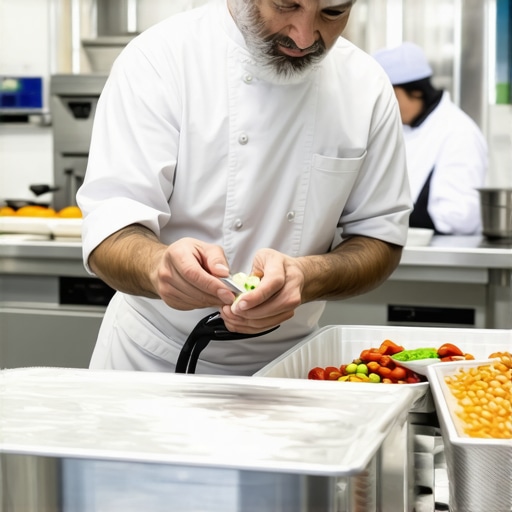
Photo: A professional catering setup with digital thermometers and organized equipment storage, illustrating maintenance readiness for event success.
Over the years, I’ve realized that the most impactful lessons aren’t always the ones you read in best practices guides but rather the behind-the-scenes truths only seasoned professionals share. From managing tray flow to orchestrating staff movements, these insights can mean the difference between an event remembered for excellence or frustration. Embracing these nuanced lessons elevates your catering game beyond basic execution.
What No One Tells You About Perfecting Buffet Flow
Early in my career, I believed more options meant happier guests. Turns out, limiting trays and focusing on strategic placement prevents bottlenecks, ensuring everyone leaves satisfied. The real secret lies in mastering tray rotation and server positioning, which often flies under the radar but drastically improves guest experience.
Tools That Changed My Approach to Catering Excellence
Investing in reliable digital thermometers like the Essential Checklist for Successful Corporate Event Catering has transformed my safety protocols and quality control. Additionally, communication platforms such as boost your corporate event with expert server techniques streamline teamwork, enabling quick responses to emerging needs. These tools are more than gadgets—they’re game changers.
Don’t Overlook the Power of Subtle Signals
Using visual cues like empty tray signs or color-coded indicators helps your staff respond proactively. During a recent outdoor wedding, these small signals prevented overflowing trays and long lines, making guests feel cared for without explicitly directing staff every step. Mastering this silent communication enhances professionalism and efficiency.
Encouraging Your Inner Catering Maestro
My biggest breakthrough was realizing that preparation and flexibility are your greatest allies. No recipe or plan is foolproof; adapting on the fly with confidence is vital. Remember, every challenge is an opportunity to showcase your expertise and elevate your event from good to unforgettable. Ready to take your catering skills to the next level? Dive into contemporary trends and refine your approach today—check out Wedding Catering Trends for 2025 to stay ahead.