

It was during my last wedding reception when I truly realized a common oversight could make or break the celebration. Guests hovered impatiently around the dessert table, some hurriedly grabbing sugary treats, others hesitating because they couldn’t decide. The noise level rose, the atmosphere felt chaotic, and I couldn’t shake the sense that game-changing charm was slipping away.
From that moment, I knew I needed to find a better way. That’s when I discovered the magic of a dedicated dessert buffet — a tailored, visually stunning, and guest-pleasing addition that elevates your entire event. Today, I want to share how this simple yet impactful feature can transform your wedding reception from good to unforgettable.
Creating the Sweetest Experience: The Power of a Dessert-Centric Setup
Most couples focus heavily on the main course, but how often do guests rave about the desserts? A dedicated dessert buffet not only satisfies sweet cravings but also creates a beautiful focal point. It invites guests to indulge, mingle, and enjoy a personal moment with each treat. Plus, it relieves pressure on servers and prevents long queues at the end of the evening — a common mishap during crowded receptions.
If you’ve ever faced the stress of overwhelmed servers juggling last-minute dessert orders or seen guests disappear disappointed because the sweets ran out too soon, you’re not alone. A well-designed dessert station ensures everyone leaves with a smile and a full belly. And the best part? It’s customizable, whether you want an elegant French patisserie look or a rustic farm-to-table display.
Is a Dessert Buffet Actually Worth the Hype?
I admit, early on I was skeptical about whether investing time and budget into a dedicated dessert section would truly impress. My mistake was thinking of it as an afterthought instead of a showstopper. The truth is, when executed thoughtfully, a dessert buffet can become one of the most Instagram-worthy parts of your wedding. Industry trend reports, like those shared in the 2025 wedding catering trends, emphasize the rising popularity of customized sweet stations that reflect the couple’s personality and style.
So, let’s dive into how you can design a dessert experience that’s as memorable as your vows — without breaking the bank or causing chaos. But first, a quick confession: One of my biggest early mistakes was underestimating the importance of proper server training, which can make all the difference in delivering a seamless experience. For tips on elevating your catering service, check out this guide on professional servers.
Designing an Irresistible Display That Captivates
Start with a theme that reflects the couple’s personality—think rustic charm with wooden crates and vintage jars or modern elegance with sleek trays and minimalist decor. Use varying heights with risers and platforms to create visual interest, much like a layered cake draws the eye upward. Remember, presentation matters just as much as taste; guests eat with their eyes first. I once set up a rustic-themed dessert station with mismatched china and burlap table runners, which initially looked chaotic, but the assembled effect became a conversation piece, encouraging mingling around the table.
Curating a Selection That Delights Every Palate
Offer a balanced mix: classic favorites like cupcakes and macarons, along with unique treats such as vegan brownies or gluten-free tarts. Clearly label each item to accommodate dietary restrictions and guide guests’ choices effortlessly. When I coordinated a dessert buffet, I collaborated closely with the caterer to include allergy-friendly options, ensuring all guests felt considered. This proactive approach reduced last-minute requests and improved overall satisfaction.
Setting Up for Efficient Serve and Clean
Position the dessert station strategically—near the dance floor or exit—so guests naturally gravitate toward it. Use disposable or easily washable serving ware to simplify cleanup. Incorporate dedicated space for utensils, napkins, and plates to prevent congestion. I once improved flow by preparing separate sections for cutting and serving, which minimized bottlenecks. Pre-arranged serving utensils for each dessert prevented cross-contamination and sped up the process, leading to quicker turnover and happier guests.
Training Your Staff for Seamless Service
Invest in swift, targeted training for your servers. Emphasize how to handle multiple guests simultaneously, maintaining attentiveness without being intrusive. Role-play scenarios where servers assist guests efficiently—like replenishing desserts before they run out—while maintaining a friendly demeanor. I learned this firsthand when I observed a team struggling with unorganized duties during a wedding; after quick training sessions, their efficiency skyrocketed, dramatically improving guest experience. For more insights, see how expert server techniques can elevate your event.
Implementing Layouts for Peak Results
Arrange the buffet in a circular or serpentine layout to facilitate flow and prevent long queues. Place popular items at strategic points to distribute crowds evenly. Regularly monitor the station—staff should refill quickly and clear empty trays proactively. One wedding I worked on used a curved setup that both maximized space and invited guests to linger longer at each section, boosting their overall enjoyment.
Effective planning and execution of these details turn a simple dessert spread into an event highlight, leaving guests talking about it long after the final bite. Remember, the goal is to make every guest feel special and satisfied, encouraging joyous celebrations and memorable moments.
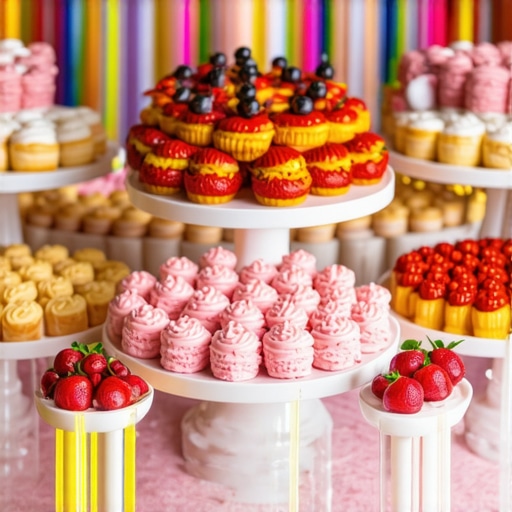 When planning corporate events or weddings, many assume that following industry standards guarantees success. However, even seasoned planners often fall prey to subtle pitfalls that can undermine the entire experience. Let’s dig deeper into how common beliefs might be misleading and explore advanced nuances that can elevate your event planning skills.
One widespread myth is that meticulous attention to aesthetics alone ensures guest satisfaction. While decor plays a role, neglecting the vital role of exceptional service can be a costly oversight. For instance, choosing the most visually stunning catering without investing in staff training often results in slow service and frustrated guests. Many overlook that professional server training significantly impacts guest perception and overall flow.
Another trap involves the misconception that more options lead to happier guests. Overloading menus with variety can cause logistical nightmares and waste. Instead, focusing on a curated selection of high-quality offerings with clear labeling and dietary accommodations ensures a smoother operation. For example, a well-designed buffet with thoughtfully arranged stations minimizes congestion and caters to diverse dietary needs—an advanced detail often neglected by less experienced planners.
What sophisticated strategies can keep service seamless during high-pressure moments?
Advanced planners recognize the importance of strategic layout and real-time monitoring. Incorporating technology, such as digital checklists or event management apps, allows staff to anticipate needs proactively. Regular briefings before the event ensure everyone understands their roles, reducing last-minute chaos. According to hospitality expert this resource, such proactive coordination minimizes errors and enhances guest experience.
Furthermore, many underestimate the significance of contingency planning. Handling unexpected dietary restrictions or equipment failures requires a prepared mindset. Having backup vendors or extra supplies on hand can make the difference between a minor hiccup and a disaster. This level of preparedness exemplifies the nuanced expertise that distinguishes amateur setups from truly professional events.
Ultimately, the crux of successful event execution lies in mastering these hidden details—like server efficiency at a wedding trends to impress in 2025 or advanced layout configurations—that many overlook. Remember, in the world of events, the devil is in the details. Have you ever fallen into this trap? Let me know in the comments.
Ensuring your catering operation runs smoothly over time hinges on the right tools, consistent maintenance, and strategic planning. From high-quality equipment to software solutions, the investment in reliable resources pays dividends in guest satisfaction and operational efficiency. As trends evolve towards automation and data-driven decision-making, staying ahead requires both technical savvy and routine upkeep.
How do I maintain catering equipment and software for long-term success?
Start by investing in commercial-grade appliances designed for frequent use, such as stainless steel refrigerators and convection ovens. Regular calibration and cleaning are essential; for example, deep cleaning refrigeration units every three months prevents spoilage and energy waste. Implement routine maintenance checklists—integrated within platforms like these strategic tools—to track service schedules and repairs.
On the software side, leveraging event management platforms like comprehensive event tech helps in planning, logistics, and real-time adjustments. These tools can automate inventory tracking, send maintenance reminders, and synchronize staff schedules. Predictive analytics can forecast equipment workload and preempt failures, ensuring continuous service without surprises.
Next-generation tools shaping catering maintenance
Emerging trends include IoT-enabled appliances that provide real-time diagnostics and remote monitoring. Companies like SmartKitchenHub offer connected equipment that alerts you to malfunctions before they disrupt service, minimizing downtime. Additionally, digital checklists stored on cloud platforms facilitate consistent maintenance routines and documentation—critical for compliance and quality control. Benchmarking tools can compare your equipment’s performance against industry standards, helping you identify areas for improvement.
Integrating these tools into your routine replaces arbitrary inspections with data-backed decisions, boosting longevity and reliability. For instance, using IoT sensors to monitor temperature consistency can prevent foodborne illness risks and spoilage, aligning with food safety standards and enhancing guest trust.
How do I keep maintenance sustainable over time?
The key is developing a culture of proactive care rather than reactive fixes. Assign dedicated staff to oversee daily checks and foster accountability. Schedule routine audits and involve staff in reporting issues via user-friendly apps—this empowers everyone to contribute to operational health. Remember, the longevity of your tools depends on consistent care, not just initial purchase. Regular training ensures your team stays updated on best practices, such as proper handling of delicate equipment or software updates.
Looking ahead, investing in smart technology and AI-driven analytics will become standard. As these trends gain traction, they will streamline maintenance, optimize resource allocation, and reduce costs. Consistently adapting and embracing these advancements—like the ones discussed in industry forecasts for 2025—will be crucial for maintaining excellence in catering services. Don’t hesitate to try incorporating predictive maintenance tools into your operation; subtle improvements today set the stage for tomorrow’s success.
In my journey through countless weddings and corporate gatherings, I’ve uncovered that the real magic lies beneath the surface—those subtle, often overlooked details that transform an ordinary event into an unforgettable experience. One hard-earned lesson is that the devil truly is in the details, from seamless server coordination to personalized dessert displays. These insights have profoundly shaped my approach, reminding me that attentive service and thoughtful planning are the heartbeat of exceptional events.
Don’t just settle for standard arrangements; invest deep in staff training, innovative layouts, and curated menus that reflect your unique style. Embracing technology—like real-time monitoring tools—can elevate operational efficiency, while creative decor choices can make your venue feel both intimate and spectacular.
Curiosity-Driven Tips from My Event Experience
- Personalize Every Touch: Small details, such as customized place cards or themed dessert stations, foster a sense of connection and make guests feel truly valued.
- Prioritize Staff Prep: Investing in comprehensive training for your servers, guided by industry experts here, ensures smooth flow and attentive service that guests notice and appreciate.
- Design for Flow and Ease: Strategic layout choices—like circular buffets or serpentine setups—not only improve traffic but also encourage mingling and conversation among attendees.
- Embrace Technology: Utilize event management and maintenance apps to stay ahead, ensuring equipment reliability and staff coordination that keeps your event running flawlessly.
Tools That Have Changed My Approach
Over the years, certain resources have reshaped how I craft memorable events. For instance, platforms that offer real-time diagnostics, such as IoT-enabled appliances, preempt failures and streamline maintenance, as discussed in industry forecasts for 2025. Additionally, cloud-based event planning tools assist in coordinating logistics with precision, making adjustments effortless and reducing chaos.
Books detailing